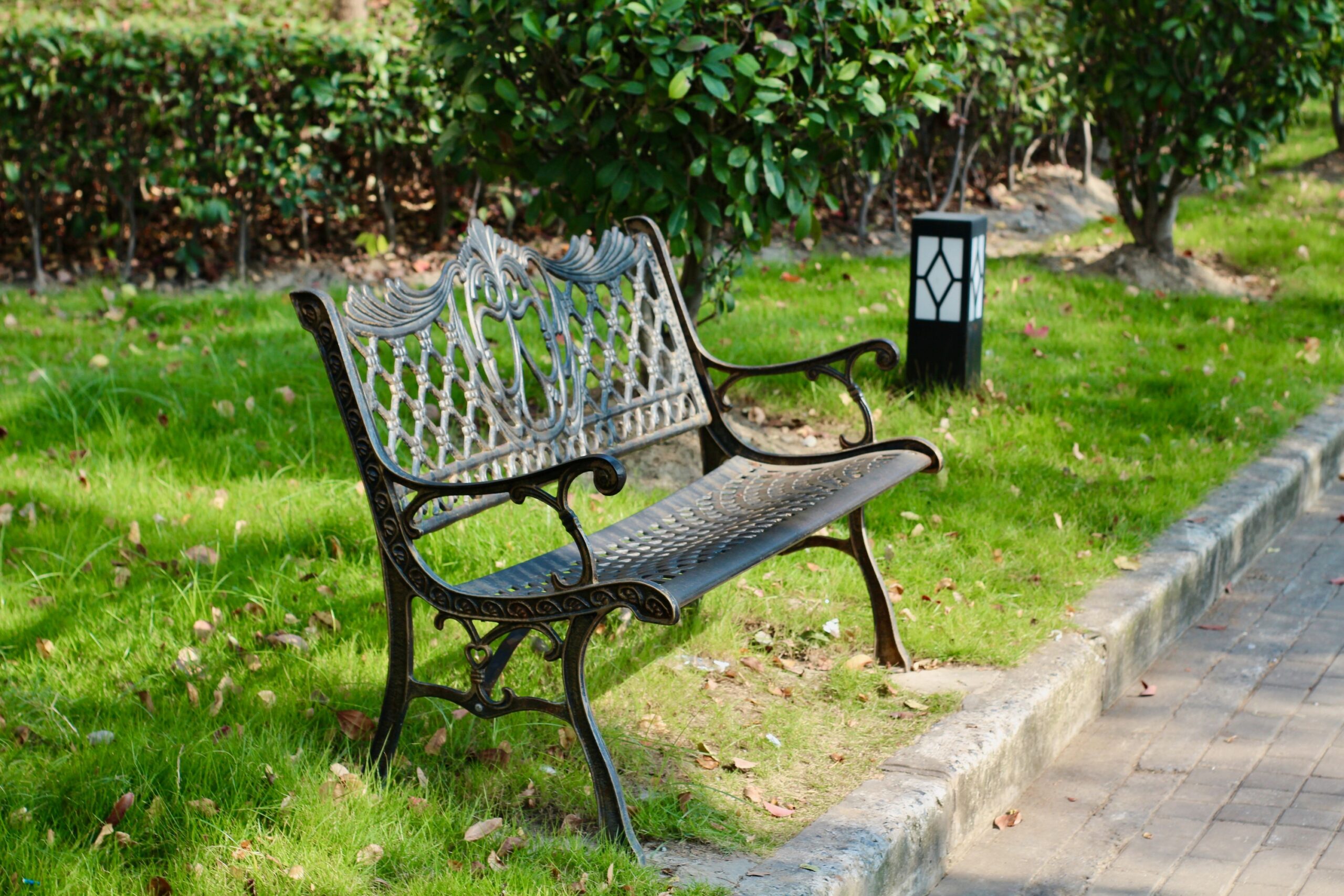

Most people walk right past them at estate sales, leaving them in the rain-soaked corner of a garden or assuming they’re simply old patio furniture with a fresh coat of black paint. What they don’t realize is that some of those heavy, ornately decorated cast iron benches are genuinely serious collectibles, with a documented history stretching back to the Victorian era and a market that continues to grow.
The cast iron garden bench is one of those rare objects that manages to be both completely overlooked and genuinely valuable at the same time. Understanding what separates a garden-variety piece from a true collector’s find comes down to knowing a handful of key facts that most casual shoppers simply don’t know.
A History Forged in the Industrial Age
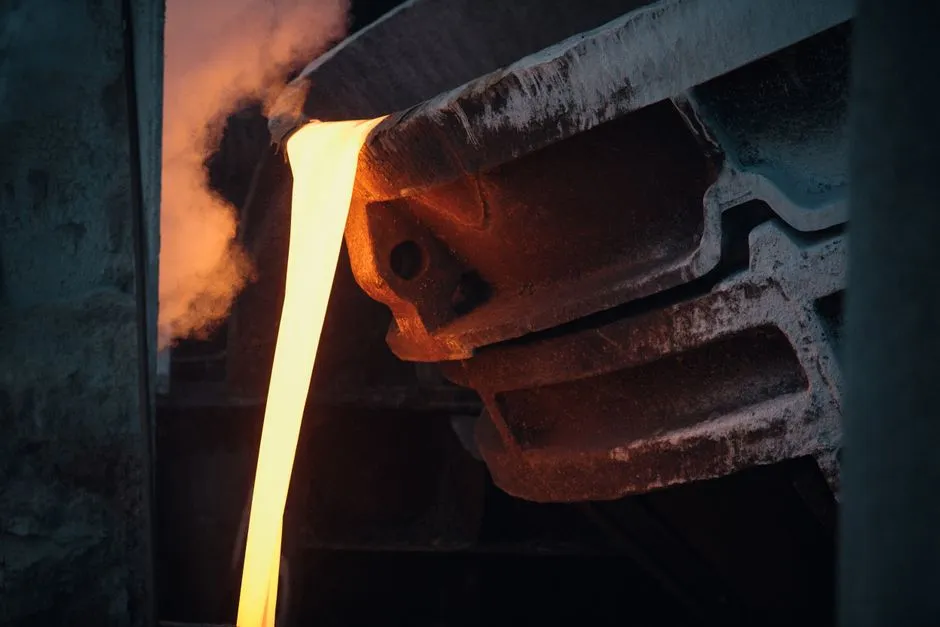
The Coalbrookdale Company was founded in 1709 by Abraham Darby, and its technique of coke smelting became a key innovation of the early Industrial Revolution. The manufacture of decorative castings such as railings and park gates began in the early 19th century under Francis Darby and rapidly expanded in the 1830s, with the company eventually moving into domestic metal furniture as well.
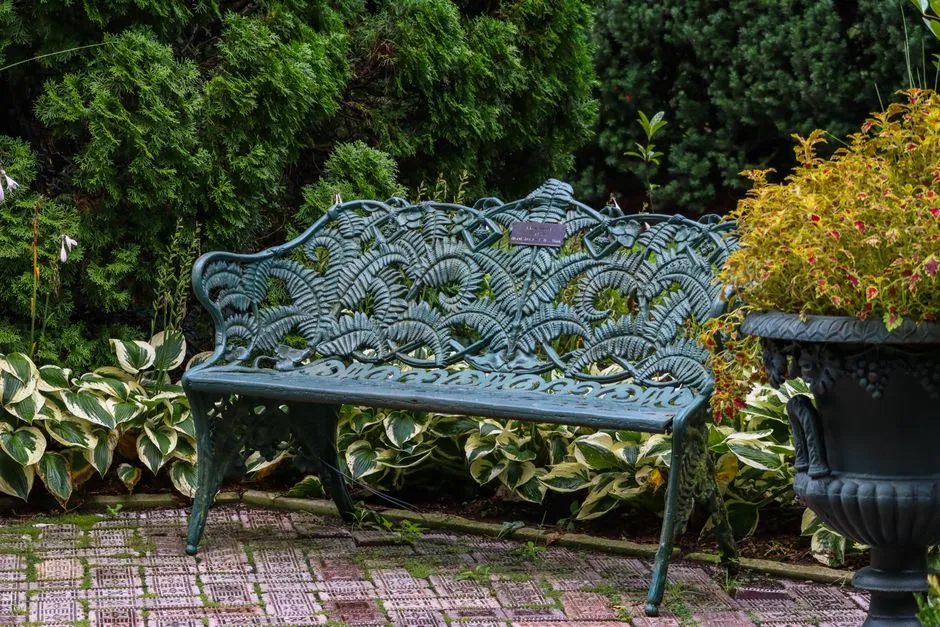
Coalbrookdale developed a range of cast iron garden furniture throughout the 19th century, with most of the designs based on natural foliage, including the Fern and Blackberry, Lily of the Valley, Horse Chestnut, Nasturtium, and Passion Flower patterns. Leading sculptors were commissioned to produce unique designs, and the company had a reputation for excellence in Victorian times.
In 1851, Coalbrookdale exhibited a selection of its castings at the Great Exhibition, and in 1875 the foundry published an illustrated catalogue. This catalogue is itself now a reference document used by collectors and appraisers to identify and date specific bench patterns.
Why These Benches Were Built to Last
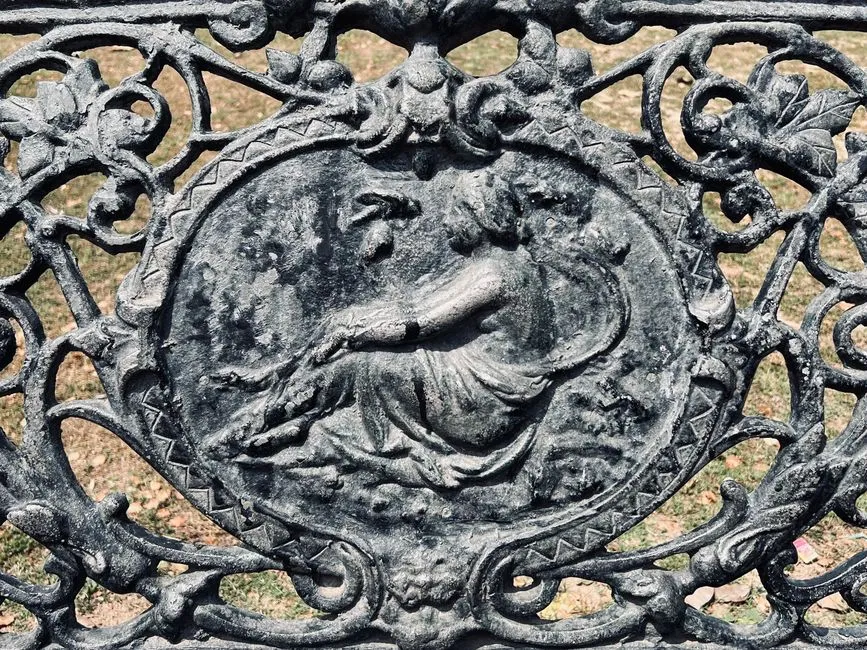
One of the most astonishing ranges of products in cast iron are the garden seats, tables, and conservatory furniture made in large numbers throughout the 19th century, now so loved by restorers and period property developers. The material itself is a major reason they survive at all.
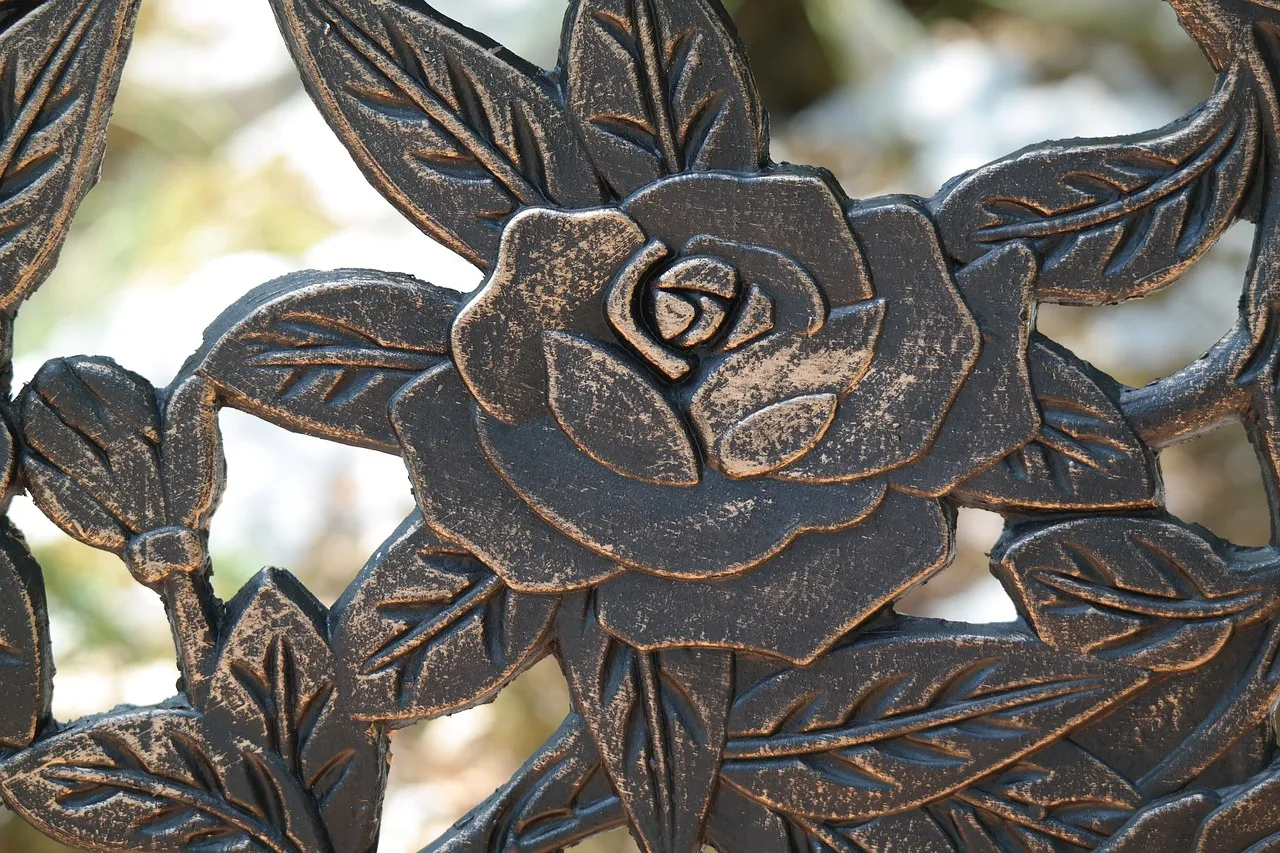
Cast iron is extraordinarily dense and rigid. Unlike wrought iron, which is worked and hammered, cast iron is poured into molds, which means every decorative detail, every leaf, every vine, every serpent coil, is captured with precision directly from the original pattern. The weight that makes these benches awkward to move is the same quality that makes them nearly indestructible over long periods of time.
As environmental consciousness deepens globally, consumers are increasingly turning to antique furniture as a sustainable alternative to mass-produced, disposable furnishings, with antique pieces often crafted from high-quality materials and built to last. A Victorian-era cast iron bench represents perhaps the most literal version of that philosophy.
The Passion Flower Pattern and Its Registered Origins
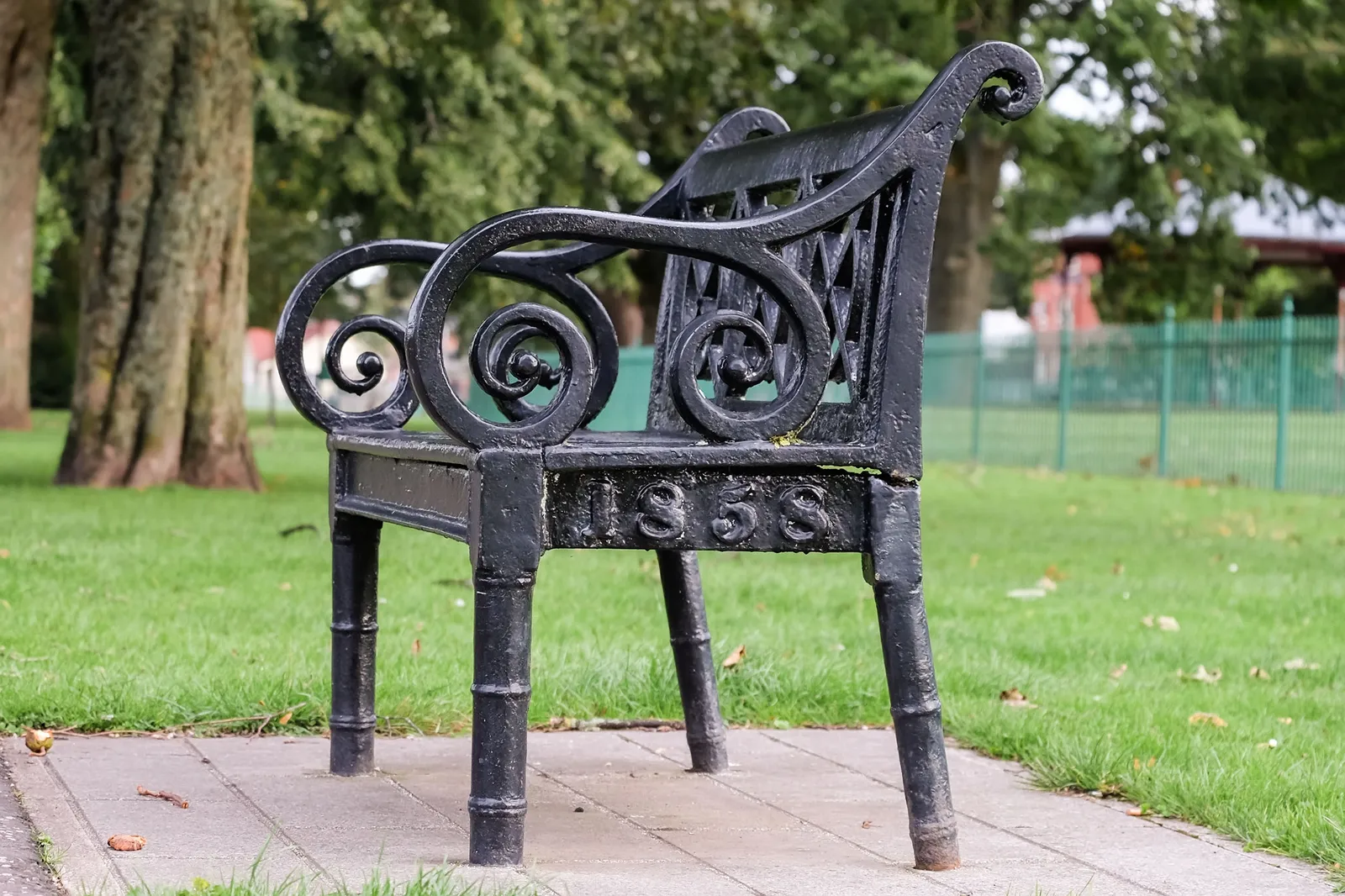
The Passion Flower pattern is among the rarest and most sought-after designs in antique cast iron garden furniture. This early botanical design originated in England and was registered in 1862 by the Coalbrookdale Company, and was later copied by American foundries.
The seat features a scrolling curved form with an arched back pierced with passion flowers and vines, with end supports featuring parrot head terminals over cabriole legs. Details like those parrot head terminals are not decorative accidents. They reflect the serious artistic ambition that went into Victorian cast ironwork.
There was a system for registering patent designs in the mid-19th century known as “Kite Marks,” each one in a diamond shape, which Coalbrookdale used to mark its registered pieces. Finding that diamond registration mark on a bench today is a strong indicator that you’re holding something genuinely old and genuinely significant.
How to Read the Maker’s Marks
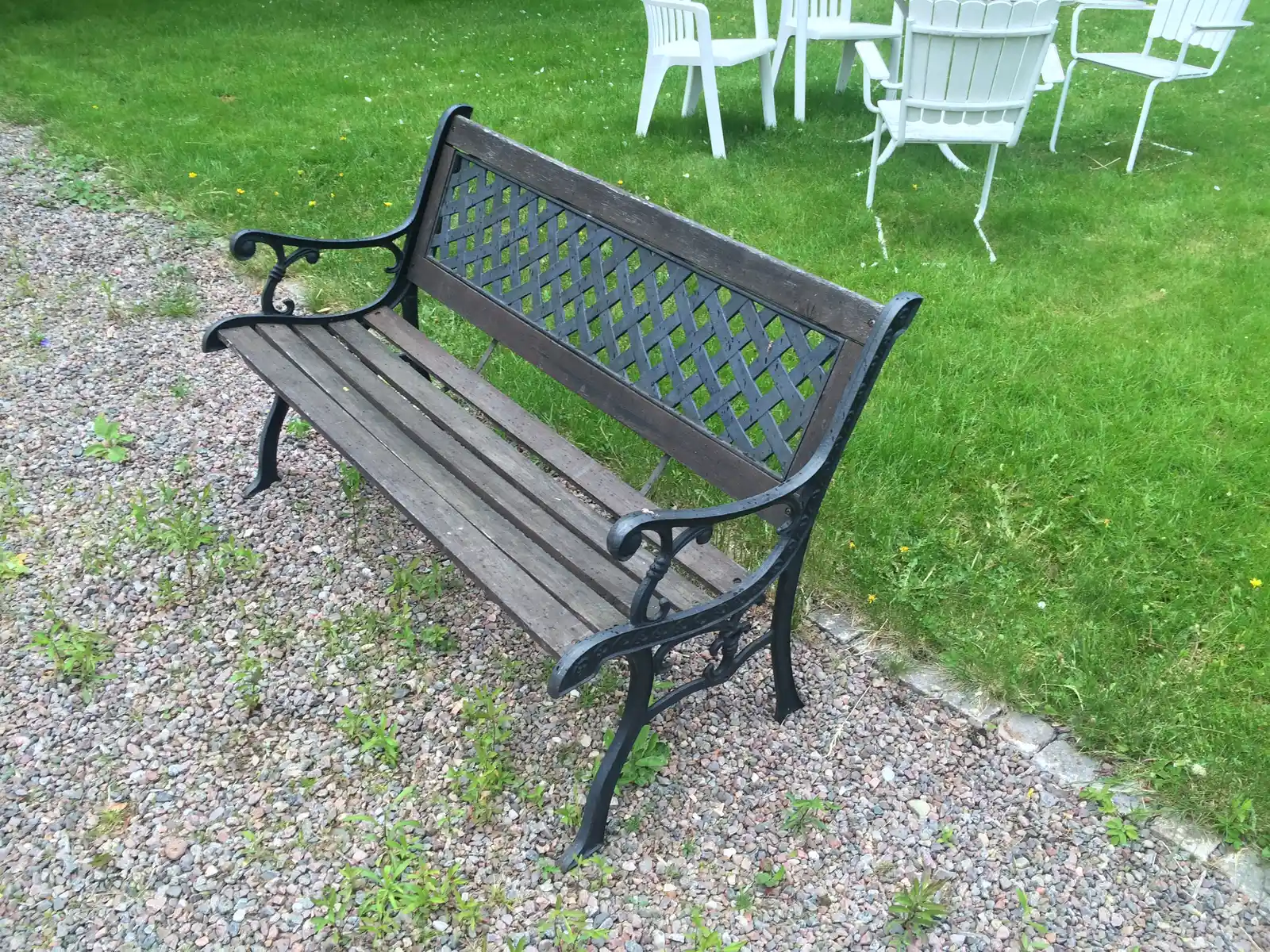
Coalbrookdale is considered responsible for the finest and most intricately decorated of all cast iron garden furniture. Collectors should look for the trademark “C.B. Dale” and sometimes the diamond registration mark, by which it is possible to calculate the date on which the design was registered at the Patents Office, with the date of manufacture being broadly similar.
Many foundry marks resemble small stamps for individual worker’s work, including stars, circles, anchors, and initials, used over and over again. These molder’s marks are distinct from maker’s marks and tell a slightly different story, indicating the individual craftsman rather than the manufacturer itself.
Turning a bench upside down, or checking the underside of the cast iron legs and back panels, is often the first step any serious appraiser takes. A stamped name, a pattern number, or even a partial registration lozenge can dramatically shift a piece’s assessed value. Without them, a bench is still potentially collectable, but identification becomes much harder.
What Restoration Does to Market Value

Condition and restoration status have a dramatic effect on price. In unrestored condition, one appraised cast iron bench was valued between roughly $175 and $225, while if brought back to antique condition, value would be between $550 and $700. That’s a potential tripling of value from careful restoration alone.
A late 19th century cast iron garden bench in a grape and vine pattern, for instance, was assessed with an asking price of around $800, with realistic offers in the $600 range. Condition notes, paint history, and the presence of original hardware all factor into where the final price lands.
Restoration is a delicate subject in the collector community. Over-restoring, particularly repainting with modern gloss paint in a color that never existed historically, can actually reduce value in the eyes of serious buyers who prize original patina. Sandblasting, priming, and finishing with a period-appropriate flat black or dark green is generally considered the acceptable approach.
The Spectrum of Prices at Auction and Online
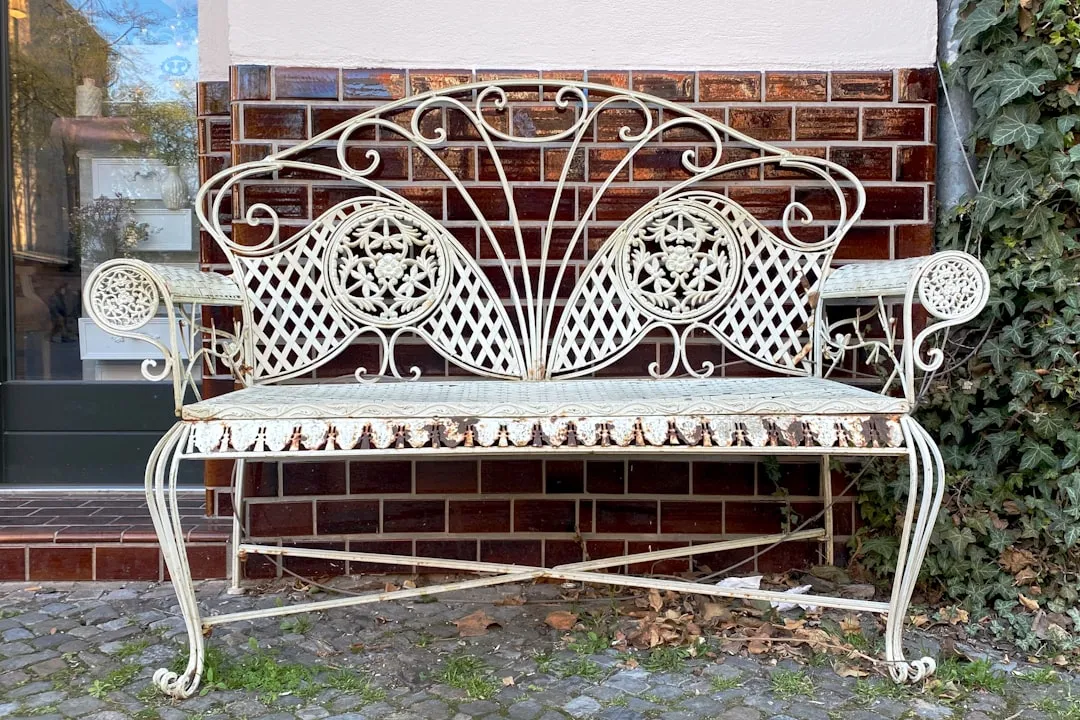
On the higher end of the market, an antique cast iron garden bench from the 1800s featuring oak branches with leaves has been listed for $3,500 on Chairish, described as an Aesthetic Movement piece from the mid-19th century. That price reflects both the rarity of the design and the documented period origin.
The seating and tables crafted by notable mid-century furniture makers for patio and garden use remain highly sought after by collectors today. Victorian cast iron examples from documented foundries sit firmly at the premium end of that spectrum.
The market range for antique cast iron benches is genuinely wide, from a few hundred dollars for an unidentified or reproduction piece to several thousand for a documented, pattern-specific, maker-stamped Victorian example. Knowing which end of that range your piece sits on requires research, patience, and in many cases a professional appraisal.
The Role of Pattern Names in Collecting Culture
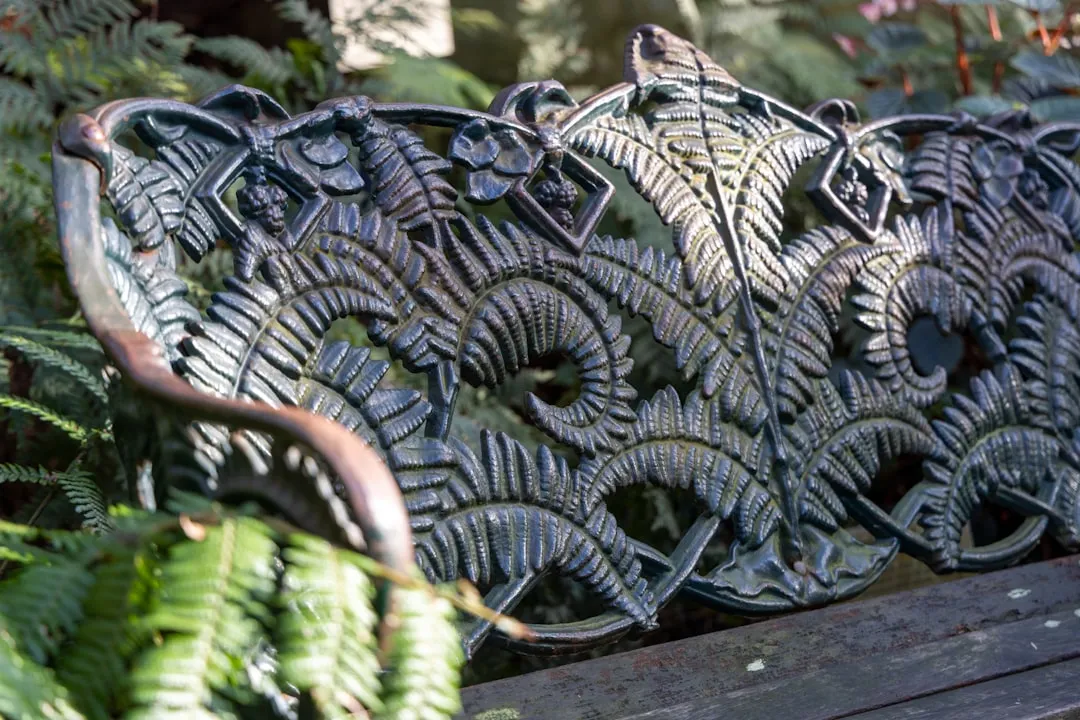
Certain patterns have become legendary in collector circles, such as the “serpent and grape” pattern produced by Coalbrookdale Foundry, a spectacular design featuring snakes and grape clusters on the bench supports. These named patterns give collectors a common vocabulary and a framework for comparison.
The Lily Pad design, featuring fine fern leaf detailing and smaller lily-style leaves on the angular legs, is another recognized Coalbrookdale pattern sought out by dedicated collectors. Each pattern has its own rarity level depending on how long it was produced and how many examples survived.
Pattern names matter in practical terms too. When a bench can be matched to a specific entry in the 1875 Coalbrookdale trade catalogue, its provenance becomes verifiable. Some specific models, such as the “Medieval” pattern, can be identified as number 52 in that original Coalbrookdale 1875 trade catalogue. That kind of documentation is exactly what auction houses look for.
Christopher Dresser and the Designer Bench
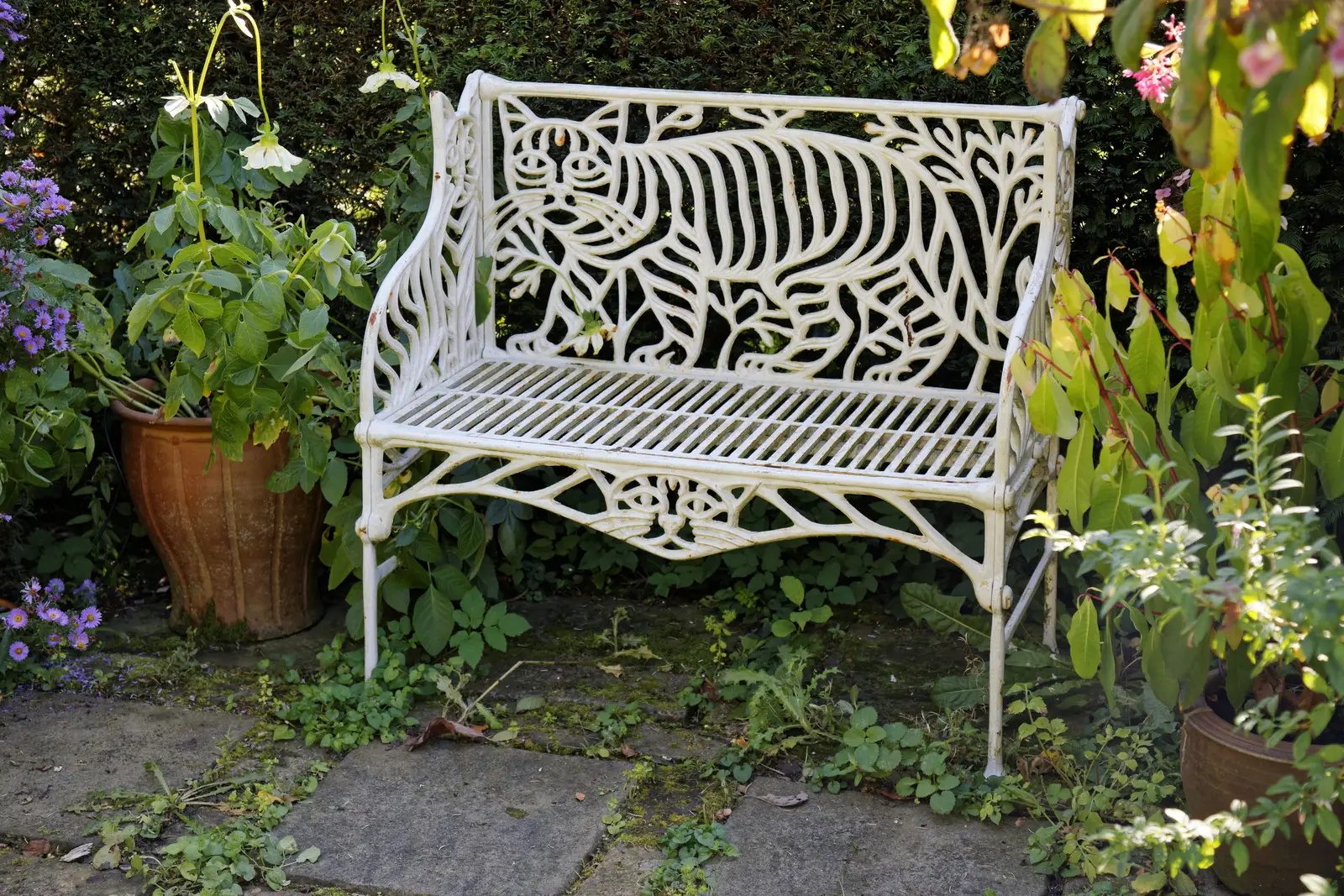
What really sets certain Coalbrookdale cast iron apart from the rest are the iconic designs the company adopted from Christopher Dresser (1834 to 1904), a pioneer in the Arts and Crafts Movement. A bench attributable to Dresser is in a different category of collectibility entirely.
Dresser’s original designs were iconic Victorian outdoor furniture, originally fabricated in cast iron in the 19th century, crafted by the renowned Coalbrookdale foundry. His cast iron Aesthetic Movement garden canopy seat named “Waterplants” is one such documented example.
The connection to a named designer transforms a bench from a piece of industrial craft into a work of applied art. That distinction is not just philosophical. It moves the object from the antique furniture market into the decorative arts market, where prices and collector competition both run considerably higher.
A Growing Market That’s Quietly Heating Up
The global antique furniture market reached $28.7 billion in 2024 and is expected to grow at roughly six percent annually from 2025 to 2033, reaching an estimated $48.7 billion. Cast iron garden furniture, long considered a niche within that market, is benefiting from the broader surge in interest.
The antique market in 2025 reflects a strong preference for sustainability, nostalgia, and craftsmanship, with key trends including the resurgence of traditional furniture styles and functional vintage items. Cast iron garden benches fit that profile almost perfectly.
Certain eras, such as the 18th and 19th centuries, are particularly prized by collectors due to the unique styles and craftsmanship associated with those periods. Coalbrookdale’s exquisite 19th-century cast iron benches and garden furniture remain some of the most prized by collectors today. The window to acquire these pieces before prices rise further is narrowing.
Where to Look and What to Bring With You
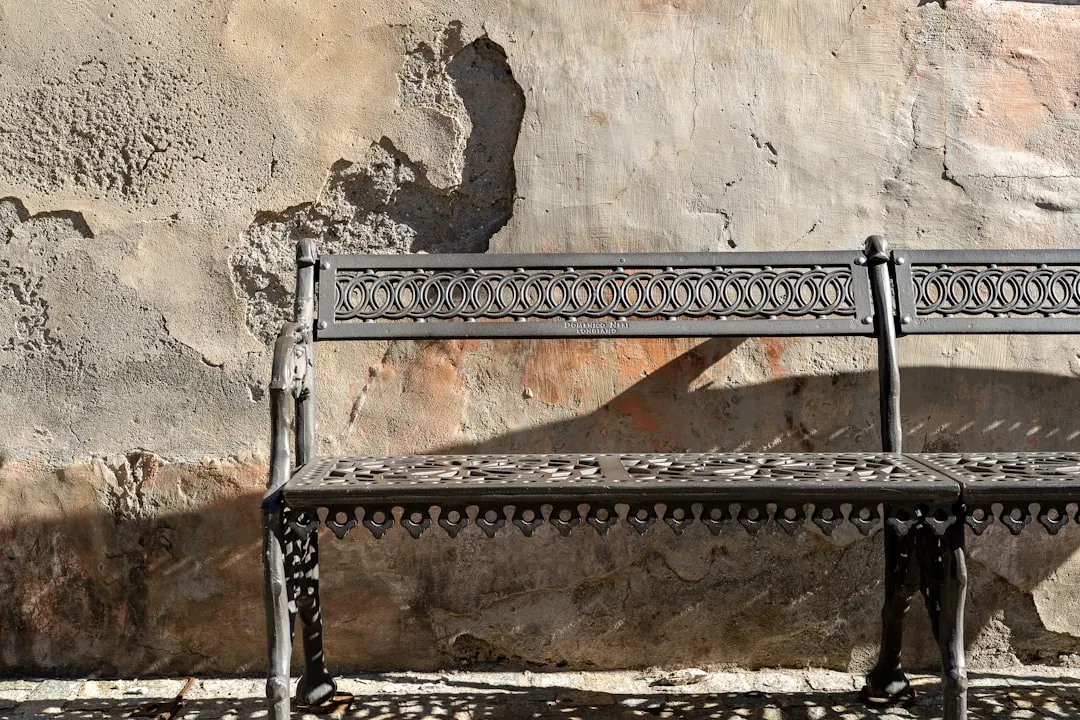
Estate sales, farm clearances, and rural auction houses remain the most realistic places to find genuinely old cast iron garden benches that haven’t yet been priced by someone who knows what they have. Urban antique markets increasingly reflect informed pricing, but regional sales in areas with strong Victorian-era histories, particularly in England’s Midlands or the American Northeast, still yield discoveries.
International auction houses hold sales that attract bidders from around the world, while online marketplaces facilitate cross-border trade. Online platforms, virtual reality, and augmented reality now enable collectors to browse, trade, and even experience items remotely. That means a bench in a rural shed can now reach a global audience within hours of being listed.
When you’re standing in front of a potential find, the practical checklist is straightforward: check the underside for any stamped names or diamond registration marks, examine the sharpness of the casting detail (original Victorian pieces tend to be crisply cast), and assess whether the patina looks genuinely aged or artificially applied. A magnet confirms cast iron versus later aluminum reproductions, which are notably lighter and have a slightly different surface texture.
The Quiet Satisfaction of Knowing What Others Miss
There’s something quietly satisfying about understanding what most people overlook. The cast iron garden bench sitting at the back of a cluttered sale, half-buried under plastic garden chairs, may be one of the most durable, most historically grounded, and most undervalued objects in the antique market today. Its value was built over a century of use, weathering, and survival.
The combination of documented industrial history, named designers, registered patterns, and a growing global market for sustainable and handcrafted antiques makes these benches a compelling area for any serious collector. The research is there. The market data supports it. The pieces are still out there, waiting.
What separates the collector from the casual passerby is simply the knowledge to stop, look more closely, and flip the bench over.
AI Disclaimer: This article was created with the assistance of AI tools and reviewed by a human editor.