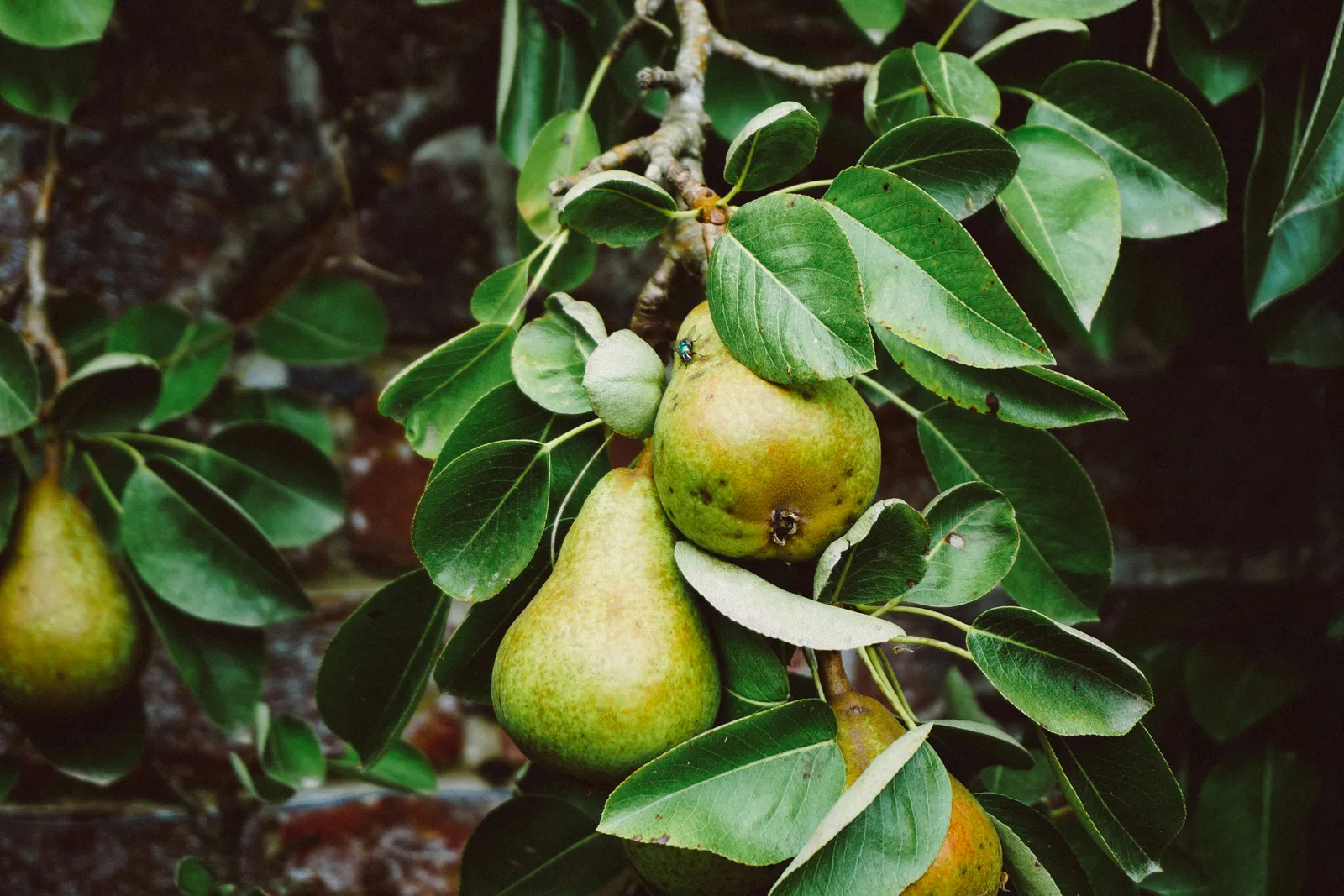

European pear trees deliver reliable seasonal interest to residential landscapes across many climates. Their spring display of blossoms signals the start of the growing year, while later months bring colorful foliage and edible fruit. Home gardeners value these fruiting trees for the combination of ornamental qualities and practical harvest they provide without requiring extensive space.
Seasonal Displays That Stand Out
Spring blossoms on European pear trees create a striking visual effect in any backyard setting. The flowers typically appear in clusters and attract pollinators during a key period for garden ecosystems. This early show often precedes the emergence of leaves, giving the trees a distinctive silhouette against the sky.
As the year progresses, the foliage undergoes noticeable changes. Fall colors develop in shades that complement other garden plants and add depth to the overall design. These transitions occur naturally and require little intervention from the gardener.
Fruit That Rewards Patience
The pears themselves develop a soft, buttery texture once fully ripe. Their flavor profile tends toward sweetness, making them suitable for fresh eating or simple kitchen preparations. Many home gardeners appreciate the ability to pick fruit directly from the tree at peak condition rather than relying on store-bought options.
European pear varieties generally produce fruit that stores well for a period after harvest. This characteristic extends the usefulness of the crop beyond the immediate picking window. The trees fit into mixed plantings where space allows for both beauty and productivity.
Options Available to Home Gardeners
A range of cultivars exists for those interested in adding European pear trees to their property. Selection often depends on local growing conditions and the desired timing of fruit production. Gardeners can choose among options that match their climate and available sunlight.
These fruiting trees integrate well into established landscapes or new plantings. Their moderate size suits typical residential lots, and the dual benefits of blossoms and harvest encourage repeated plantings in many regions. Proper site preparation supports healthy growth over multiple seasons.
Planning for Long-Term Results
Successful establishment begins with attention to soil drainage and spacing. European pear trees respond well to consistent care during the first few years after planting. Once established, they continue to contribute to the garden with minimal additional effort.
Home gardeners who include these trees often note the extended enjoyment across spring, summer, and autumn. The combination of visual interest and fresh fruit creates a practical addition to many yards. Careful cultivar choice helps ensure the trees perform reliably in a given location.
AI Disclaimer: This article was created with the assistance of AI tools and reviewed by a human editor.