
Skipping a Restraint Entirely
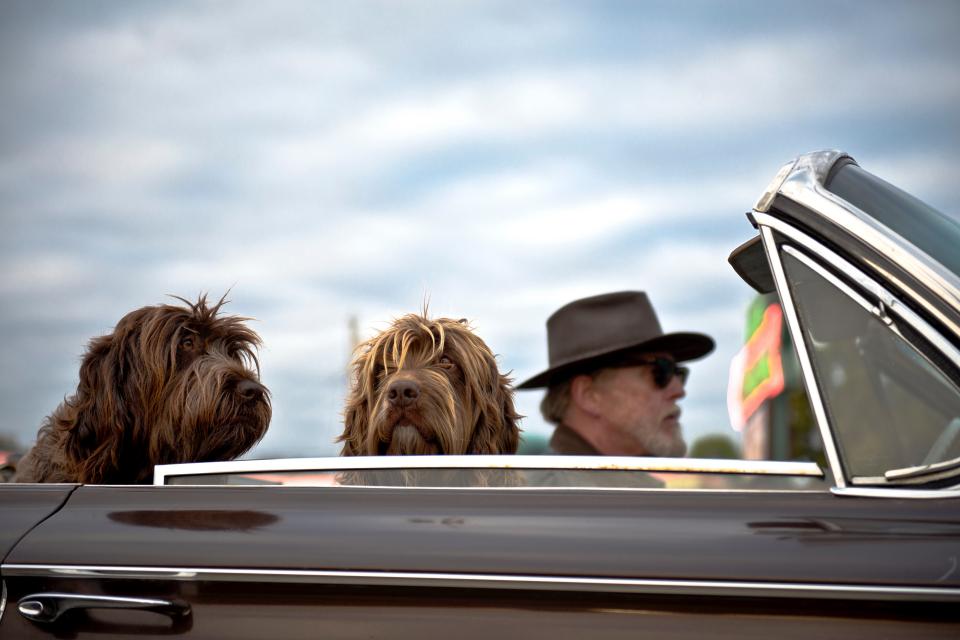
This is the big one, and the numbers tell a stark story. According to an AAA survey, more than 80 percent of drivers admit that they recognize the dangers of driving with an unrestrained pet, but only 16 percent use pet restraints. Awareness, clearly, does not automatically translate into action.
If a vehicle crashes at a speed of just 25 mph, an unrestrained dog can be projected forward at a force equal to 40 times its weight. A large dog weighing 75 pounds, for example, can achieve an impact force of 3,000 pounds in such a crash, which could be a lethal blow for both a passenger and the pet.
Dr. Elisa Mazzaferro, president of the American College of Veterinary Emergency and Critical Care, has stated that having an unrestrained pet in a vehicle increases the likelihood of distracted driving and of serious injury in the event of a crash.
Allowing the Dog to Sit in the Front Seat
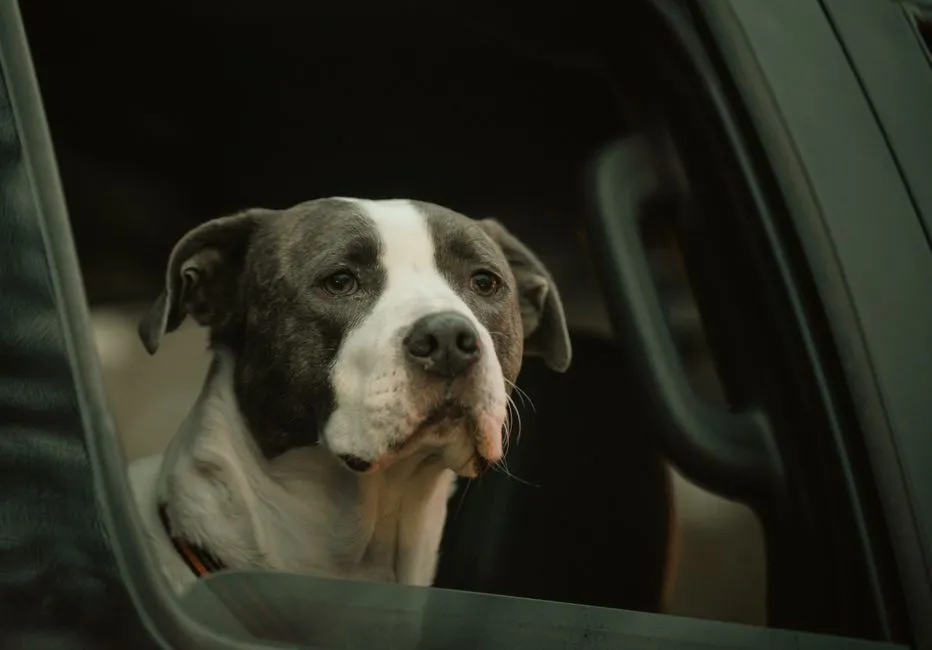
Safety guidance from the American Veterinary Medical Association advises keeping pets out of the front seat and never on the driver’s lap. Even on a short drive, a dog in the front seat can block visibility, interfere with the steering wheel, or be badly hurt if the airbag deploys in a crash.
Using the front seat for convenience may seem harmless, but easy access is not worth the airbag risk. Airbags deploy with explosive force, designed for adult humans, and can cause severe injury or death to a dog positioned directly in their path.
Letting the Dog Roam Free in the Cabin
A study found that the number of risky driving behaviors increased from 274 with a restrained dog to 649 with an unrestrained one. Doubling dangerous behaviors behind the wheel is not a minor inconvenience. It is a meaningful safety failure.
If a dog is riding unsecured in the back seat or passenger seat, it can be thrown against passengers or hard vehicle components such as backrests or doors during a sudden braking maneuver. “Forces equivalent to many times its body weight occur,” according to DEKRA accident researcher Stefanie Ritter.
Feeding a Full Meal Right Before the Trip
Motion sickness in dogs causes nausea, vomiting, drooling, and restlessness during travel. A full stomach going into a ride makes all of these significantly worse. Vets are consistent on this point, and the guidance is simple.
Avoid feeding your dog large meals before travel to limit vomiting. It is recommended to withhold food for 8 hours before a long car, plane, or train ride, but keep your dog hydrated with plenty of water.
Many adult dogs become anxious or even nauseous during travel due to a lack of conditioning and the overwhelming unusual stimuli associated with moving inside a vehicle. Dogs that travel only once or twice a year are not used to car rides and often associate the car ride with the stressful experience that follows, which causes heightened anxiety and stress, resulting in vomiting and diarrhea.
Letting the Dog Hang Its Head Out the Window
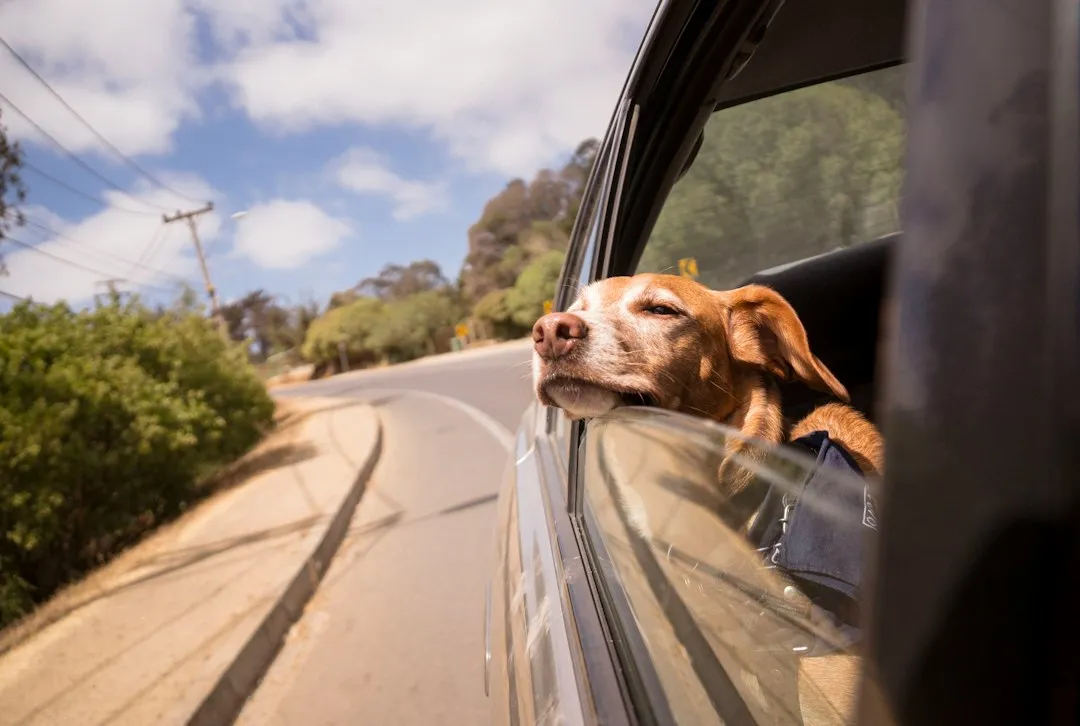
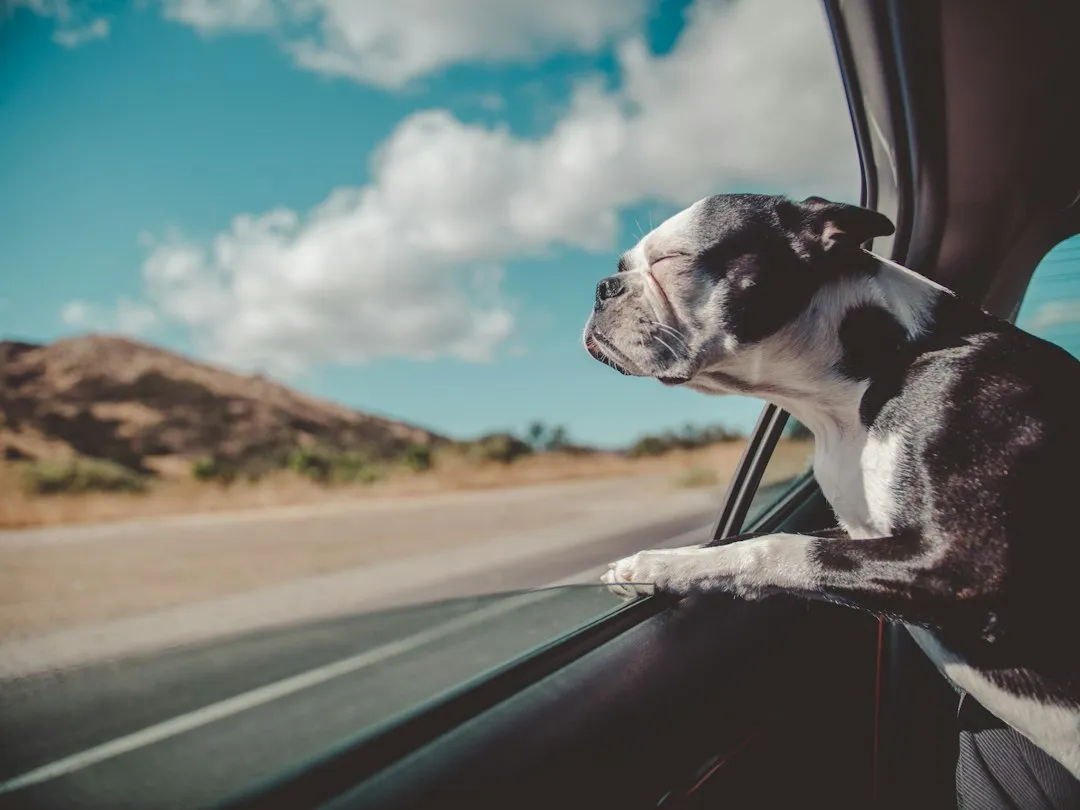
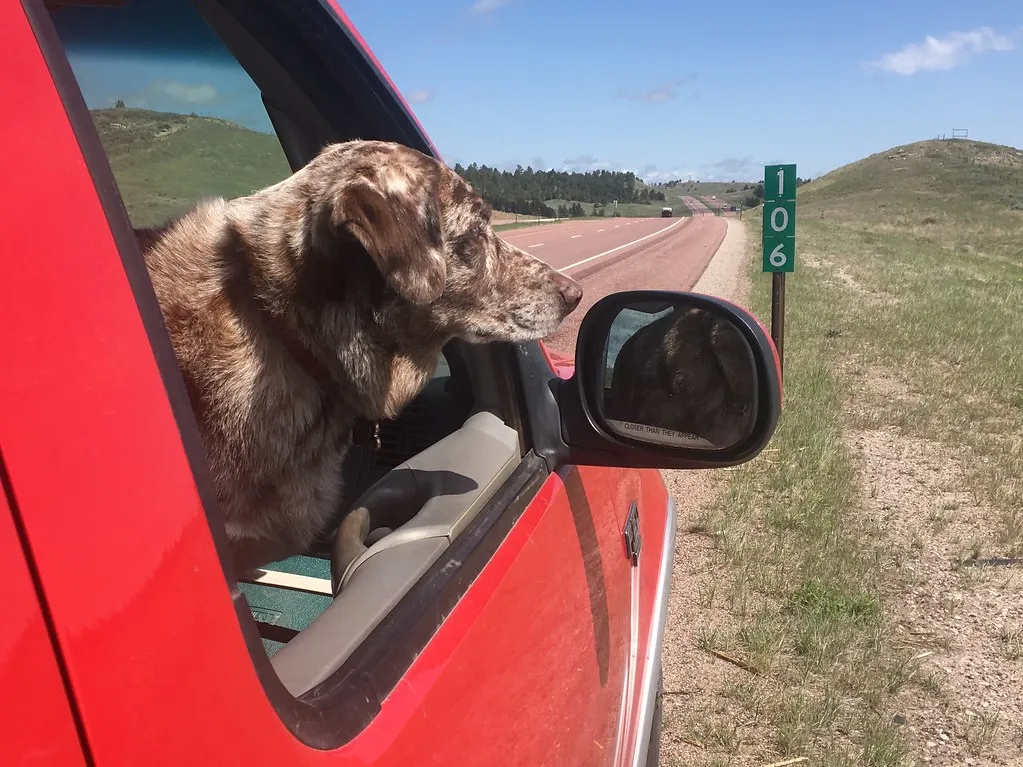
For many dogs, hanging their head out the window is their favorite part of going for a car ride. Unfortunately, this is not the safest thing to allow your dog to do, and many pet health professionals advise against it.
Flying debris, insects, and road grit can strike a dog’s eyes and ears at speed, causing injuries that range from minor irritation to permanent damage. At highway speeds, the risk becomes even less theoretical. Vets also note that an excited dog leaning out can shift its weight unpredictably, creating a distraction for the driver at a critical moment.
Placing the Dog in the Passenger Footwell
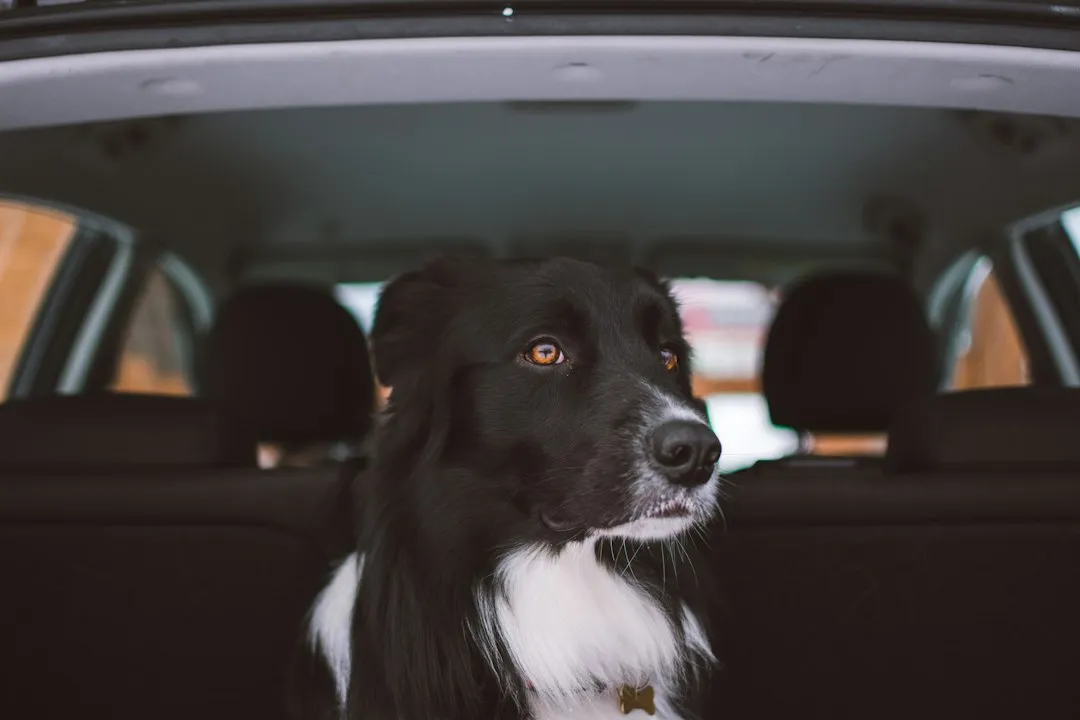
Letting a dog ride in the passenger footwell is strongly discouraged by safety experts. The temptation is great for the driver to look at the animal more often, perhaps also to pet it, feed it, or pamper it, and all of these things distract from road traffic and can become a danger.
The footwell also puts the dog in one of the most physically vulnerable positions in the vehicle during a frontal collision. There is no padding, no restraint, and no buffer between the dog and the dashboard structure. It feels cozy and contained, but it offers essentially no protection.
Treating Anxiety as a Personality Quirk Rather Than a Problem
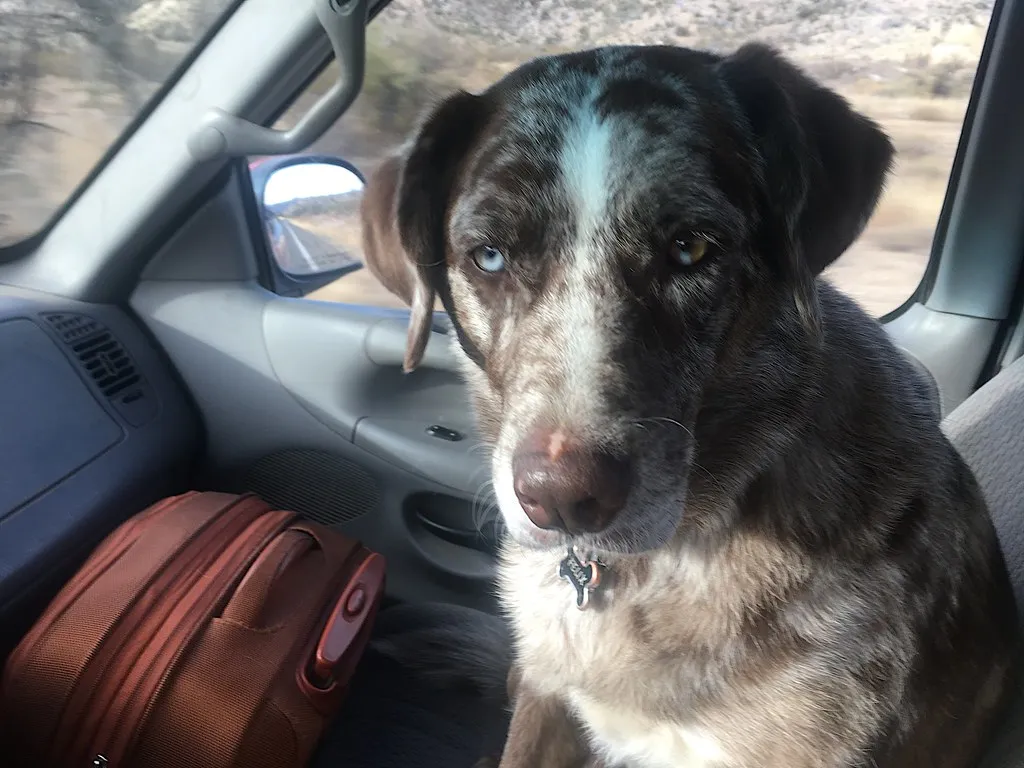
Many adult dogs become anxious or even nauseous during travel due to a lack of conditioning and the overwhelming unusual stimuli associated with moving inside a vehicle. Dogs that travel only once or twice a year are not used to car rides and often associate the trip with the stressful experience that follows.
Diagnosis by a vet may include medications like Maropitant (Cerenia), antihistamines, or anti-anxiety drugs. Behavior training, gradual exposure, and comfort measures also help prevent symptoms. The point is that car anxiety in dogs is treatable, not something to simply accept or push through.
If a dog is anxious or fearful of the vehicle, working with a trainer for strategies on safe, slow, and positive desensitization is a genuinely effective approach.
Skipping Pre-Trip Bathroom Breaks

It sounds obvious, but a surprising number of owners skip the pre-ride walk and then wonder why their dog is restless or has an accident before they reach the highway. Taking five minutes to let your dog relieve themselves before a drive prevents more than just puddles. It also reduces in-ride anxiety, since a dog that needs to go becomes increasingly uncomfortable and agitated over time.
On longer trips, stopping every few hours to allow your pet to stretch their legs, relieve themselves, and stay hydrated is strongly advised. Researching pet-friendly rest stops or parks along your route ahead of time makes this easier to manage.
Leaving the Dog Alone in a Parked Car
Vets and animal welfare organizations are unambiguous: never leave your pet unattended in a parked car. Even if the weather seems mild, temperatures can quickly rise to dangerous levels, leading to heatstroke or death.
Car interiors heat up far faster than most people expect. On a mild 70-degree day, the interior temperature of a parked car can climb past 100 degrees within 20 minutes. Cracking a window makes very little meaningful difference to that rate of rise. This is not a situation where a quick errand is a safe judgment call.
Using an Untested or Improperly Installed Carrier
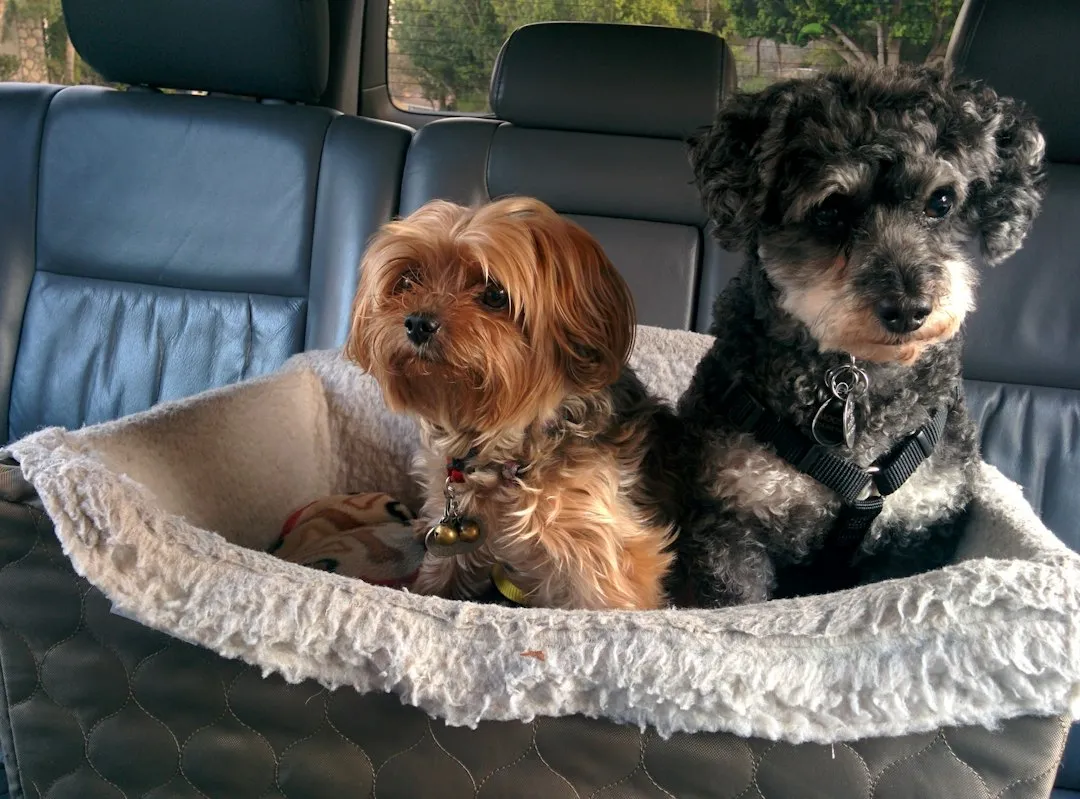
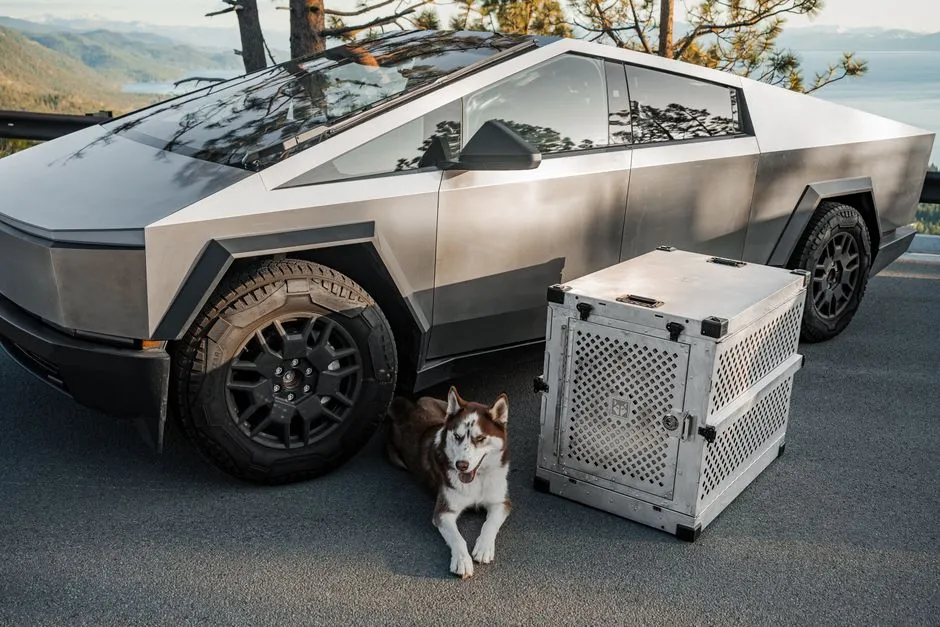
Some carriers are built for convenience rather than crash forces. Owners often assume that any enclosed carrier provides real protection, but the reality depends entirely on how the carrier is built and how it is secured inside the vehicle.
Routing a seatbelt through a carrier’s carry handles is a common mistake, since many handles are designed for lifting, not crash loads. Leaving side-to-side slack is another error: a carrier that swings during a sudden maneuver is a carrier that can injure.
Among the 16 percent of owners who do use a pet restraint, the most frequently used options are a pet harness or safety belt, a hard-sided travel crate, a pet vehicle seat, or a vehicle pet barrier. Whichever system you choose, correct installation matters just as much as the product itself.
The Takeaway
Most of these mistakes come from the same place: habit, familiarity, and the assumption that a short trip is too brief to warrant the extra effort. Eighty-four percent of dog owners bring their dogs on car trips without using a restraint, with the most common reasons being that their dog seems calm and they assume no restraint is needed, or they simply never considered it.
The data, though, does not support the idea that calm-looking dogs in moving cars are safe dogs. Crashes, hard brakes, and sharp turns do not give anyone time to react. A few small adjustments before every trip, a proper restraint, a pre-ride walk, and keeping food out of the equation, go a long way toward making car rides genuinely safe for the animals we take everywhere with us.
AI Disclaimer: This article was created with the assistance of AI tools and reviewed by a human editor.