
No Eye Contact, No Pressure

Developmental psychologist Dr. Rachel Schechter of LXD Research puts it plainly: “The car works because it strips out eye contact, which for teens is basically a threat signal. They’re looking forward, you’re looking forward, nobody’s being scrutinized.” That single shift in physical arrangement removes a layer of social pressure that most kids, especially older ones, find genuinely difficult to manage during hard conversations.
Researchers at Kyoto University tested this dynamic directly by having people generate responses to difficult questions while watching faces that either made eye contact or looked away. When the face made eye contact, people got measurably slower at the harder questions, suggesting that eye contact and difficult verbal tasks draw on the same limited pool of mental resources. In a car, that problem disappears naturally, without anyone having to announce it.
The Science of Gaze Aversion

Psychologist Gwyneth Doherty-Sneddon at the University of Stirling has studied what happens when children and adults are asked difficult questions while maintaining eye contact. Her research found that both children and adults naturally look away when they’re thinking hard, and that gaze aversion increases as questions get more difficult. Looking away isn’t evasion. It’s how the mind clears space to process.
When a child breaks eye contact to answer a question, they aren’t checking out of the conversation. They’re clearing bandwidth to stay in it. The car makes this natural and automatic for both parent and child, which is a significant part of why it works so consistently.
Side-by-Side Changes What Kids Are Willing to Say
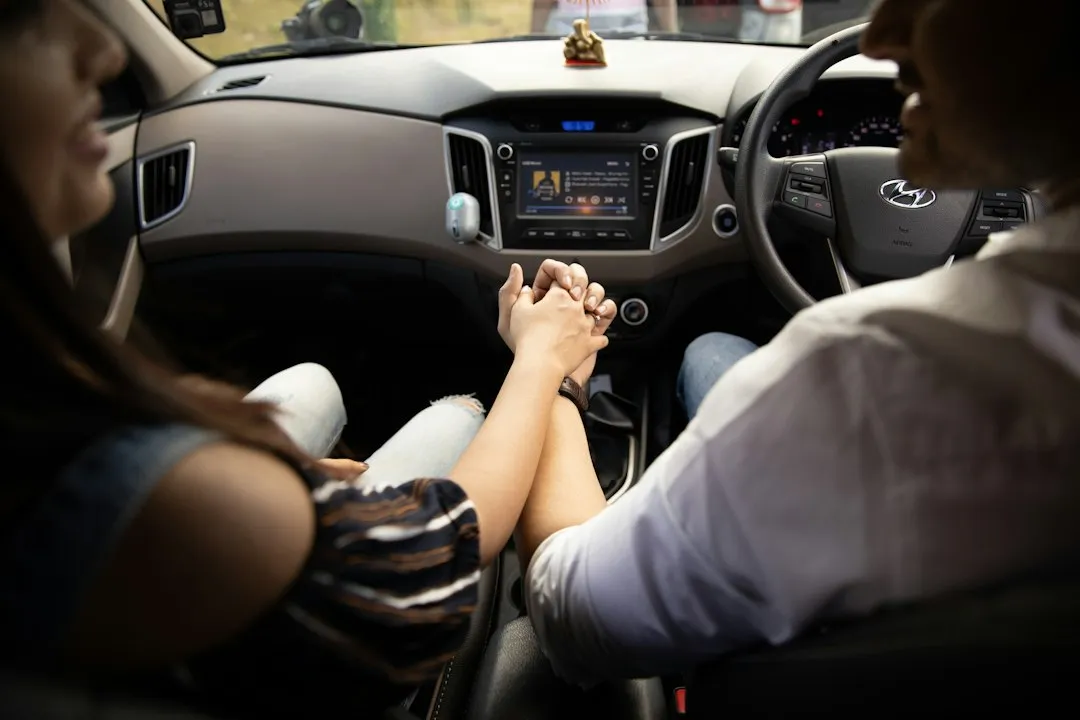
Laurie Wilson, a licensed marriage and family therapist and co-founder of Rize Counseling, notes that “in the car, we are sitting side by side rather than directly in front of the other person, which can feel confrontational no matter what.” That shift from face-to-face to shoulder-to-shoulder is subtle on the surface but significant in practice.
In the car, kids don’t have to watch your expression when they tell you something awkward, and you don’t have to immediately produce the right one. Vanessa Jensen, a pediatric psychologist at the Cleveland Clinic, notes that when a teenager is embarrassed about what they need to say, direct eye contact makes it worse. Removing that dynamic entirely lowers the emotional stakes of the conversation before it even begins.
The Nervous System Feels Safer in Motion
Dr. Roseann Capanna-Hodge, a licensed therapist and psychologist, explains that “teens often open up in the car because the environment helps their nervous system feel safer. The movement of the car, the predictable rhythm of the drive, and the side-by-side seating all reduce pressure and create a calmer space for connection.”
That calmer physiological state isn’t a small thing. When kids are regulated and not bracing for confrontation, they’re more capable of accessing memories, feelings, and language to describe what’s actually going on inside. The gentle motion and steady hum of a car ride can function almost like a background anchor for the nervous system, something therapists who work with children recognize well.
Mild Boredom Actually Helps
Dr. Rachel Schechter observes that “with the mild boredom of a ride, the brain actually starts processing the day, finding words for things that hadn’t quite surfaced yet. The talking is almost a byproduct of that.” Without a screen or a distraction to retreat into, kids find themselves with nowhere to go but their own thoughts, and those thoughts tend to surface verbally.
Child therapist and parent coach Bonnie Compton puts it this way: “The car is actually the best place to have conversations with older kids, because they don’t have to make eye contact and, most importantly, they can’t walk away or get distracted. Having their devices in their hands is an instant distraction, and creating a device-free zone will eliminate that powerful desire to distract themselves.” A device-free car ride, even a short one, is underrated time.
The Conversation Has a Built-In Ending
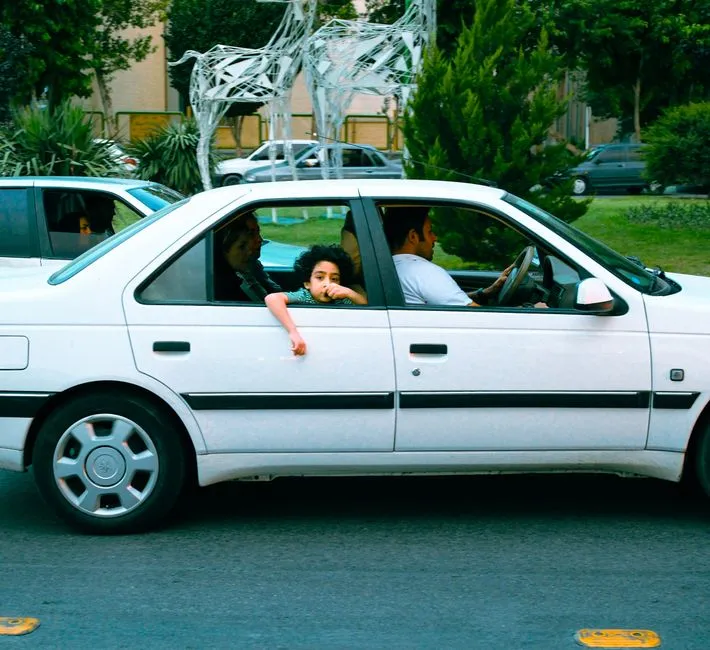
For kids, part of the appeal of a car ride is its clear parameters. They know the conversation can’t go on forever, so it feels safer to participate in it. There’s an implicit guarantee that the talk will end when the car stops, which removes the fear of being trapped in an endless, escalating discussion.
A drive to baseball practice, school, or an appointment takes some of the pressure off. The conversation has a natural ending point, and nobody has to sit down with a specific goal in mind. That low-stakes framing is precisely what many children need before they’re willing to say the thing they’ve been sitting on all week.
Ask Open-Ended Questions, Then Wait

The therapists at Santos Counseling put it well: ask, then wait. Silence is a therapeutic tool. Children and teens often need the pause to actually answer. Most parents instinctively rush to fill a silence, but that impulse can cut off the very response they were hoping for.
Jennifer Zumbiel, creator of Togather Moments, suggests putting together a list of open-ended questions ahead of time that are designed to elicit a more lengthy response. The more specific the question, the better. Throwing in the name of a specific friend or referencing something that happened lets kids know you’re paying attention and genuinely interested. Specificity signals care, and kids notice it.
Don’t Use the Car as a Courtroom

One consistent warning from those who study parent-child car conversations: don’t confuse “captive audience” with a perfect chance to corner kids about their school performance or chores. If children start to associate riding in your car with a general sense of negativity, they’ll dread getting in and will clam up. The goodwill of the car-conversation dynamic is built over time and can be eroded quickly.
Child psychologist Dr. Anthony Wolf has pointed out that the number one complaint he heard from kids was that parents don’t listen. His advice was to listen more than you talk, and to avoid criticizing or correcting kids when they’re speaking, since this can lead to immediate silence and often prevents them from opening up in the future. The car only works as a safe space if it actually is one.
Make It a Consistent Routine, Not a Special Occasion

The Kids Mental Health Foundation emphasizes that regular conversation is one of the most effective ways to support children’s mental health. Establishing routines for checking in with them during car rides, family dinners, or at bedtime tends to work better than waiting for the right moment. When kids know that the car is reliably a space for casual connection, the barrier to opening up gets lower every time.
Creating space for these conversations is an excellent first step. Whereas having formal, intentional talks about mental health without any precipitating event may seem too intense, talking during the daily car ride or dinner may feel like a more natural time for talking and listening. Normalcy is the point. The goal isn’t a single breakthrough conversation but a pattern that makes all conversations feel possible.
It Matters More Than Many Parents Realize

Mental health conditions affect roughly one in three teens between the ages of 12 and 17, making early conversations and screenings genuinely important. The car-ride conversation isn’t just a trick for getting a reluctant kid to talk about their day. For many families, it’s actually one of the more accessible tools for staying connected during years when kids naturally pull away.
Opening up parent-child communication around mental health can reduce the fear of experiencing mental health symptoms, reduce the stigma of seeking care, and help children feel more comfortable raising concerns about their own wellbeing or that of a friend. Children themselves, when asked during Children’s Mental Health Week how they’d prefer parents to approach these topics, said: “We don’t need a sit-down conversation about mental health. A chat on a journey or in the car is often enough.” Sometimes the most meaningful conversations happen precisely because no one planned them.
The Takeaway
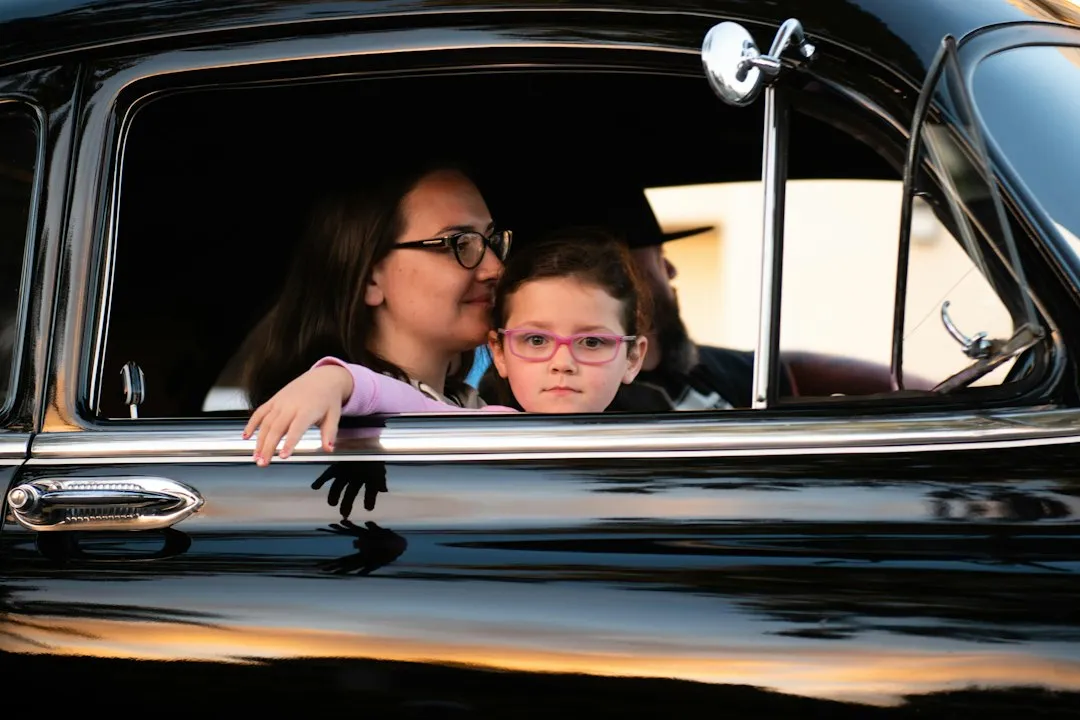
The car-ride conversation trick works because it quietly removes the conditions that make talking feel risky: eye contact, open-ended time, the possibility of being trapped, and the pressure to perform. Therapists and researchers keep circling back to it not because it’s clever, but because it’s grounded in how children actually function.
You don’t need a special script or a perfect question. You need a regular drive, a device-free rule, and the patience to let the silence do some of the work. More often than not, the conversation will find its own way in.
AI Disclaimer: This article was created with the assistance of AI tools and reviewed by a human editor.