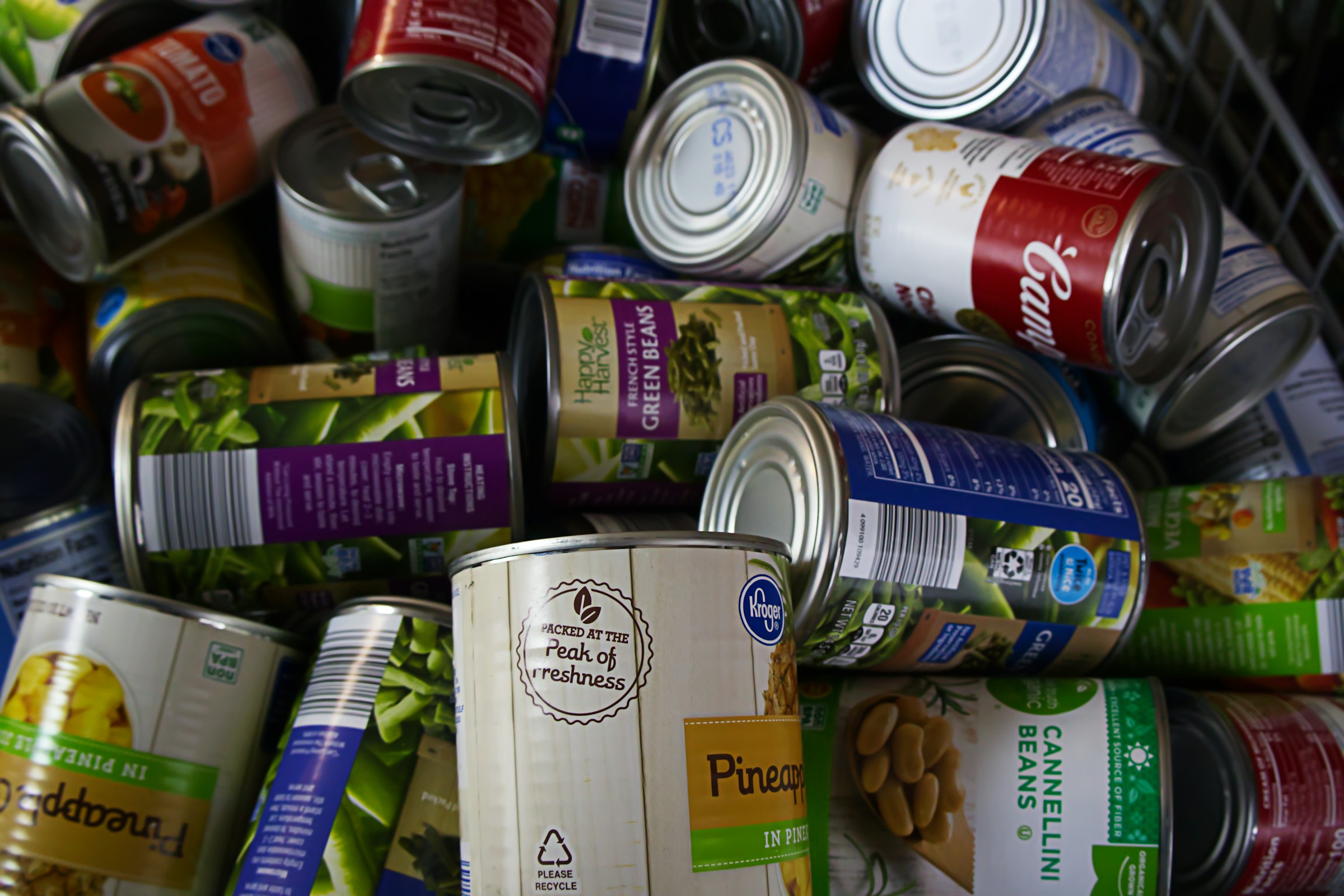

Most people think of canned food as a backup plan. Something you reach for when you’ve run out of fresh produce or when the grocery trip gets skipped. Dietitians see it differently. For nutrition professionals, certain canned items are not contingencies but constants, kept on the shelf every week regardless of season, budget, or what’s going on at the farmers’ market.
The canning process preserves many nutrients in foods, with produce harvested at peak ripeness before being sealed in a can, locking in vitamins and minerals. That’s not a marketing line – it’s the scientific reality behind why so many nutrition professionals rely on these items consistently. Here are the ten canned foods that keep showing up in dietitians’ pantries, and why.
Canned Beans: The Everyday Workhorse

Three studies published in 2024 demonstrated that beans are positively associated with overall nutrient intake, nutrient adequacy, diet quality, and biomarkers of health. That’s a compelling body of evidence for something you can buy for under two dollars a can.
Beans and pulses remain under consumed in the United States, with greater than 80 percent of the population below recommendations, and consumption data show they are eaten at an average of just 0.1 cup per day. Considering how easy a can of black beans or chickpeas is to open and use, that gap is a missed opportunity.
Registered dietitians confirm that canned beans are nutritionally comparable to home-cooked dried beans in terms of protein, fiber, iron, folate, potassium, and magnesium. Choosing low-sodium or no-salt-added varieties, or simply rinsing regular canned beans before eating, makes daily consumption nutritionally sound.
Canned Tomatoes: More Nutritious Than Fresh in One Key Way
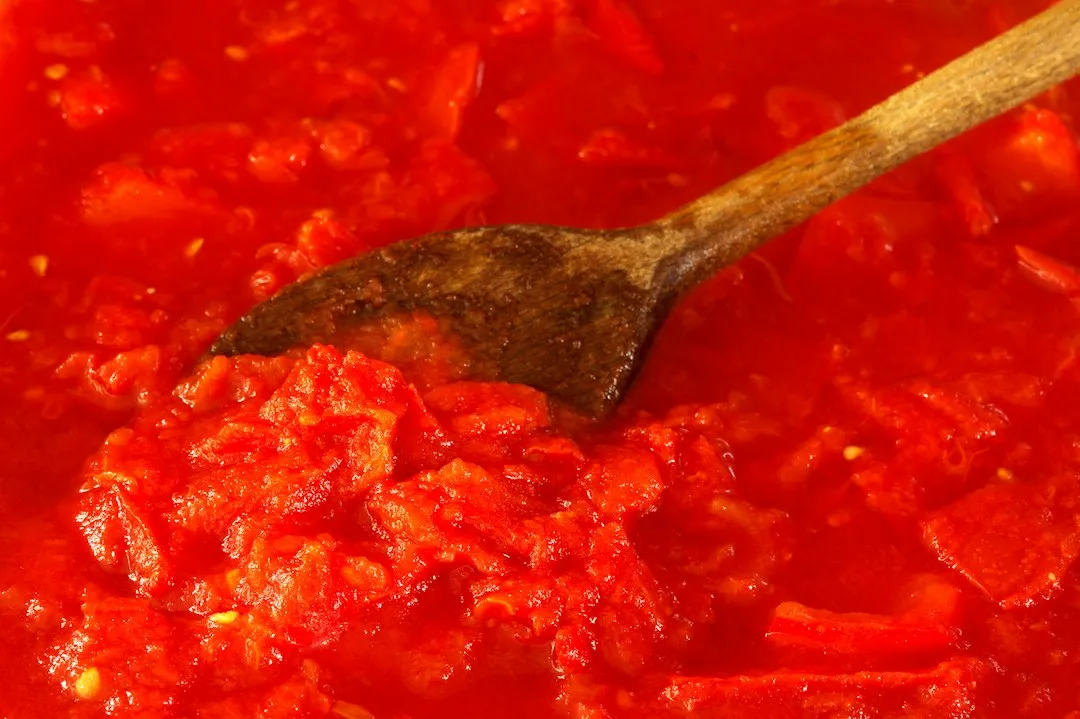
Canned tomatoes contain lycopene, a carotenoid antioxidant that provides disease-fighting benefits, and surprisingly, canned tomatoes contain higher amounts of lycopene than fresh tomatoes. Heat during the canning process is what makes the difference.
The cooking process during canning increases the bioavailability of lycopene, a potent antioxidant that helps prevent oxidative damage to DNA, lipids, and proteins. This is one of those rare cases where a processed format genuinely outperforms the fresh version on a specific nutrient.
Canned tomatoes are excellent for making homemade sauces, soups, and stews. Dietitians consistently point to them as one of the most versatile pantry staples you can keep around, precisely because they work in so many dishes without any prep at all.
Canned Salmon: Affordable Omega-3 Power

Canned salmon is a nutrient-packed tinned fish to keep in the pantry, and just like fresh salmon, it is an excellent source of omega-3 fatty acids while being very affordable. That combination of nutrition and price is hard to beat anywhere in the grocery store.
Canned salmon provides about 18 grams of protein per serving. It works equally well flaked over a salad, mixed into salmon cakes, or stirred into a quick pasta dish on a weeknight.
Nutrition experts often endorse fresh, whole foods over processed ones but will make an exception when it comes to tinned fish, noting that it provides omega-3 fatty acids and vitamins B12 and D – a complete food rather than an isolated nutrient source.
Canned Sardines: Small Fish, Serious Nutrition
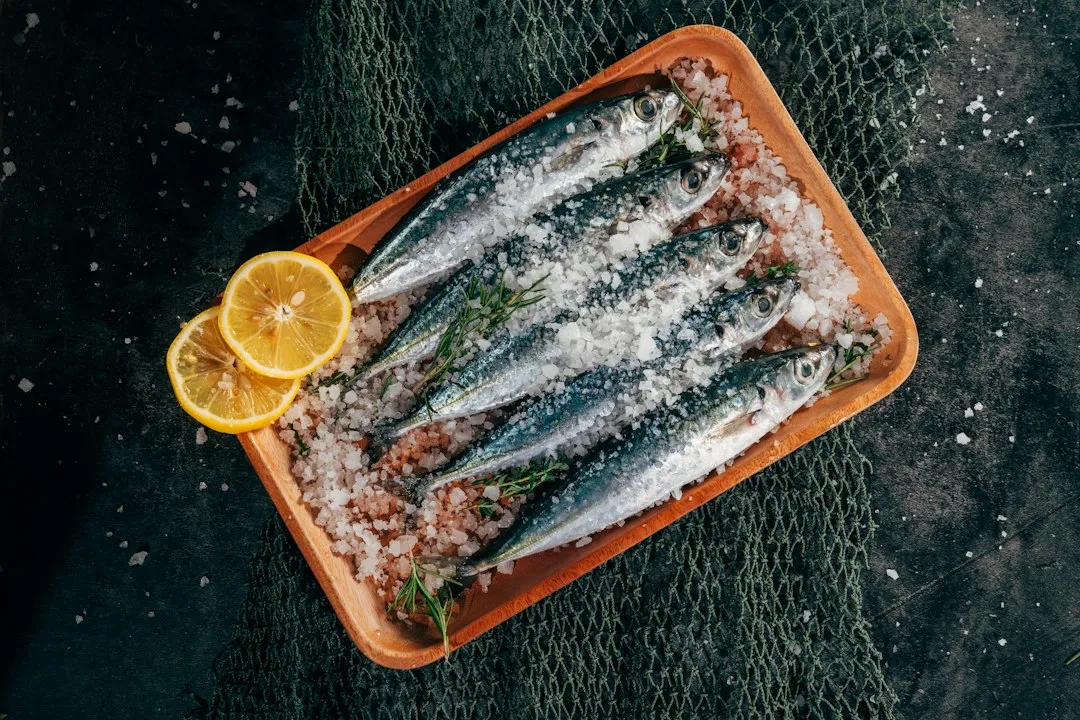
A 2026 paper found that only 15 grams of tinned sardines are needed to provide the recommended daily amount for two key omega-3 fatty acids. That is a remarkably efficient delivery of essential fats from a very small serving.
Sardines are rich in omega-3s, calcium, and vitamin D, with a single can providing more than half the daily recommended vitamin D intake – a significant benefit considering that nearly 35 percent of adults in the United States are deficient.
Nutritionists recommend sardines as a particularly nutrient-dense option because you often eat the bones and skin, making them a great source of calcium and vitamin K2, which are excellent for bone health. They are also lower in mercury compared to larger fish such as tuna.
Canned Tuna: The Lean Protein Standard

Canned tuna packs up to 30 grams of protein per can, is naturally lean and low in calories, and is rich in selenium, vitamin B3, and vitamin B6, which support a healthy immune system and nerve function. It is one of the most protein-dense convenient foods available at any price point.
Dietitians suggest looking for varieties of smaller tuna, which have lower mercury levels, including skipjack and yellowfin tuna, which may be packaged as “chunk light” or “light.”
Buying proteins canned in water or brine rather than oil or sauces keeps calorie and fat content lower, as tuna canned in oil packs 200 calories and 8 grams of fat per 3.5 ounces, while the same amount canned in water contains just 90 calories and 1 gram of fat.
Canned Pumpkin: The Year-Round Nutritional Star

Pumpkin is not just for autumn lattes and Thanksgiving desserts – a single can of pumpkin puree is brimming with beta-carotene, fiber, and vitamin A, making it great for digestion and an easy way to add vegetables to your diet.
Canned pumpkin is rich in vitamin A, with a cup providing more than 200 percent of the recommended daily allowance, which is good news for vision, skin, and immune system function. It also delivers fiber, which most adults consistently fall short on.
Pumpkin is surprisingly versatile – you can add it to oatmeal, blend it into smoothies, use it as a base for soups and curries, or include it in baking for muffins or pancakes, just as long as it is 100 percent pumpkin and not the sugar-laden pie filling.
Canned Artichoke Hearts: The Gut Health Gem

Canned artichoke hearts contain similar amounts of nutrients as fresh, whole artichokes, and are particularly rich in a type of fiber called inulin, which acts as a prebiotic to support the gut microbiome and helps prevent constipation.
They also provide plant-based protein, folate, potassium, vitamin C, and antioxidants. For something that’s often overlooked in the canned food aisle, that’s a genuinely impressive nutritional profile.
Registered dietitians want people to reconsider artichoke hearts, noting they are incredibly high in fiber – more than any other vegetable – with one can packing about 5 grams of dietary fiber that helps keep you feeling full and acts as a prebiotic, feeding the good bacteria in your gut.
Canned Coconut Milk: The Dairy-Free Kitchen Essential
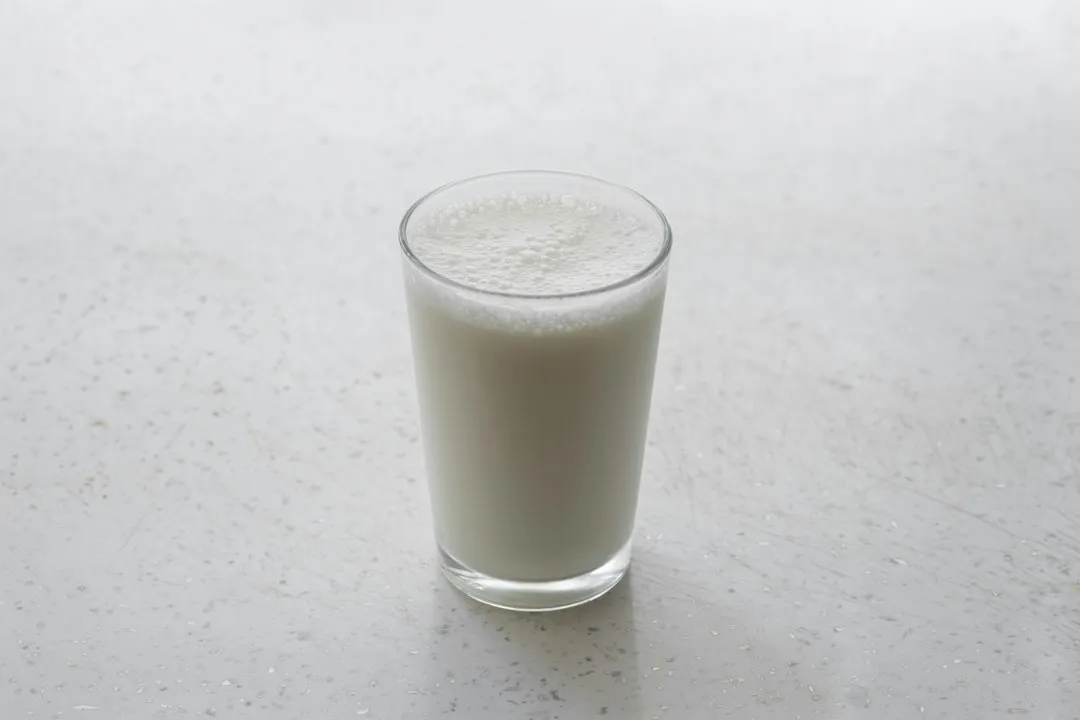
Canned coconut milk is a dairy-free milk substitute that works well in numerous recipes, and although it is high in fat, it contains medium-chain triglycerides (MCTs), which may provide health benefits such as increasing fat oxidation, though more research is needed.
MCTs may also provide greater heart health benefits than butter, such as increasing HDL (good) cholesterol, according to several studies, though researchers note that further research is still warranted.
Canned coconut milk is packed with healthy fats and is dairy-free, working well in curries, soups, and desserts. Choosing light coconut milk is a more weight-management-friendly option, as it has fewer calories than the full-fat version.
Canned Lentils and Chickpeas: The Underrated Legume Duo
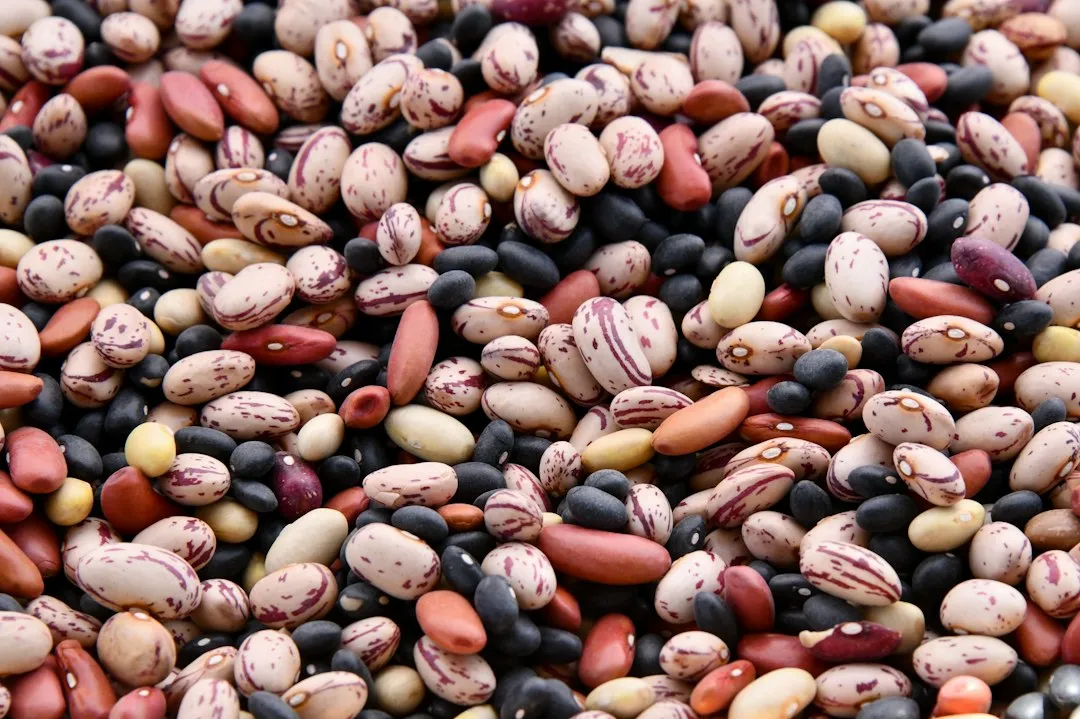
Recent research published in April and June of 2024 shows that dietary patterns rich in canned and dried kidney beans, black beans, pinto beans, and chickpeas are associated with significantly higher diet quality scores. That research extends directly to canned lentils and chickpeas, which share comparable nutritional profiles.
Research demonstrates that replacing commonly consumed protein foods with one to two servings of canned beans significantly increased shortfall nutrient intakes and improved diet quality in adults in the United States. Lentils and chickpeas make that substitution especially easy given their mild flavor and versatility.
Their high fiber content makes them great for individuals trying to reduce or manage their weight, their low glycemic index makes them ideal for people with diabetes, and their plant-based protein content makes them a strong choice for those looking to reduce or eliminate animal proteins.
Canned Diced Tomatoes with Green Chiles: The Flavor Booster with Benefits
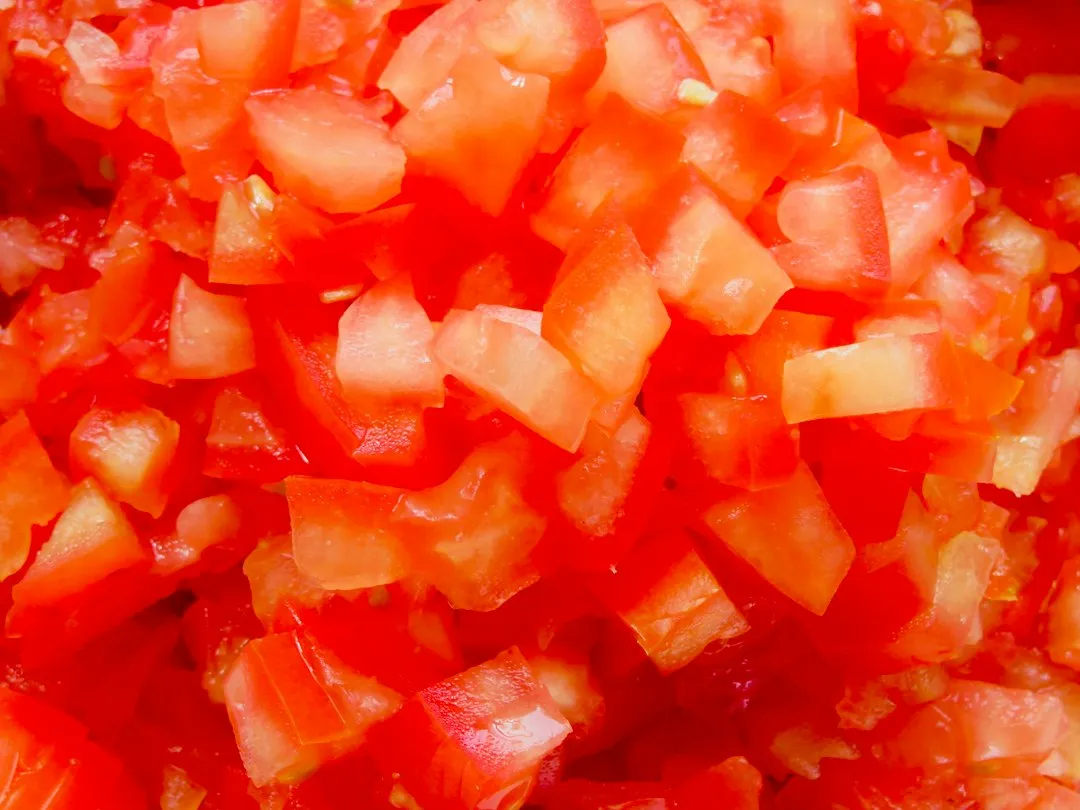
Often overlooked in favor of plain canned tomatoes, the diced-with-chiles variety adds capsaicin into the mix. Like all tomatoes, they contain lycopene, a carotenoid antioxidant that provides disease-fighting benefits. The added chiles bring their own set of phytochemicals that have been studied for their anti-inflammatory properties.
Canned options can be just as, if not more, nutrient-dense than their fresh counterparts, and a review from the University of California, Davis, found that vitamin A, vitamin E, fiber, and key minerals were comparable to fresh options. That applies to tomato-based products across the board.
Dietitians recommend looking for varieties without added salt, and when you do, your marinara sauce, chili, and soup base become exponentially healthier with zero extra effort. It is a small label-reading habit that pays off consistently.
The Bigger Picture on Canned Food
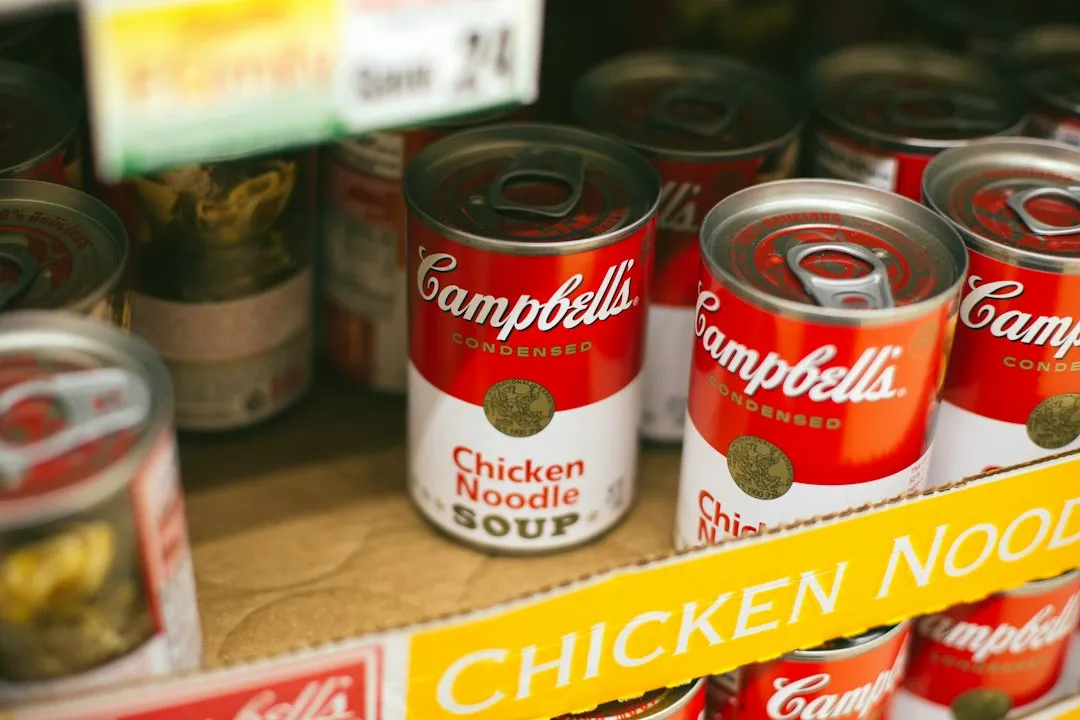
The idea that canned foods are less nutritious is a common myth, and while it’s true that some heat-sensitive nutrients like vitamin C can be reduced during the canning process, many other nutrients are preserved exceptionally well since produce is typically canned at peak ripeness, right after harvest.
Highest diet quality scores are associated with a 24 percent decreased risk of cardiovascular disease, a 31 percent reduced risk for coronary heart disease, a 20 percent lowered risk for stroke, a 23 percent decreased risk for diabetes, and a 6 percent reduced risk for cancer. A well-stocked pantry, it turns out, is a genuinely meaningful health decision.
Dietitians don’t keep these cans around for emergencies. They keep them because they work – nutritionally, practically, and financially. The pantry is not a backup plan. For the people who study food for a living, it’s often where good eating actually begins.
AI Disclaimer: This article was created with the assistance of AI tools and reviewed by a human editor.