

What That White Coating Actually Is
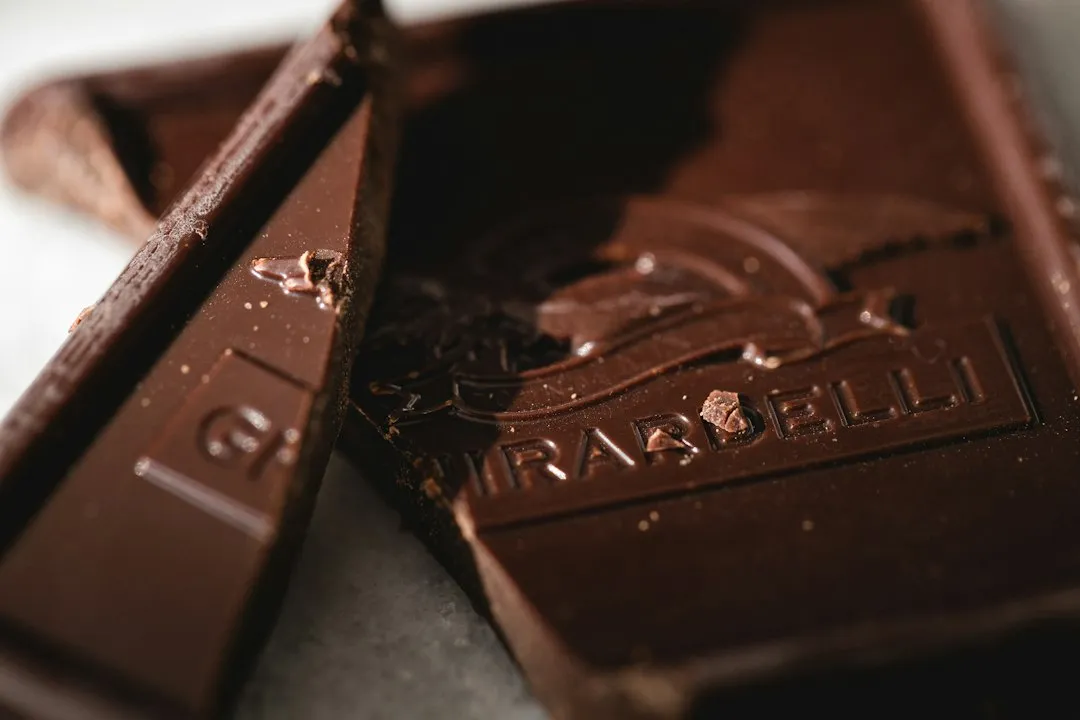
The white coating that appears on chocolate is called chocolate bloom, and it comes in two distinct types: fat bloom, caused by changes in the fat crystals in the chocolate, and sugar bloom, due to crystals formed by the action of moisture on the sugar. These two types look similar at a glance but have completely different causes.
Fat and sugar bloom damage the appearance of chocolate but do not affect its shelf life. Chocolate that has bloomed is still safe to eat, though it may have an unappetizing appearance and surface texture. So before you throw anything away, it’s worth knowing what you’re actually dealing with.
Fat Bloom: When Cocoa Butter Goes Rogue
Fat bloom is when the fat (cocoa butter) melts and separates from the cocoa solids. As the cocoa butter re-solidifies, it works its way to the surface of the chocolate, leaving gray streaks or white blotches. This process is driven by temperature, not contamination.
The white, hazy coating forms when cocoa butter inside the chocolate slowly changes its shape. Over time, especially in warm places like a sunny windowsill or a hot car, the stable crystal form can shift into a more stable but visually disruptive form. These larger crystals scatter light instead of reflecting it, making the chocolate look dull and white.
Form VI develops when chocolate ages or experiences heat cycles, causing fat bloom as unstable Form V crystals transition into overly stable Form VI. This is the fundamental crystal chemistry behind the visual change you see.
Sugar Bloom: The Moisture Problem
Sugar bloom occurs when moisture comes into contact with the surface of chocolate. This happens in environments with high humidity or when chocolate is stored improperly. When chocolate is exposed to moisture, the sugar dissolves and forms a syrup on the surface. As the moisture evaporates, the dissolved sugar re-crystallizes, leaving a rough, grainy texture and a white appearance.
The classic trigger is taking chocolate out of the refrigerator and unwrapping it in a warm kitchen. That simple, routine action is one of the most common causes of sugar bloom in home storage. Although sugar bloom does not affect flavor, it can significantly change the texture of your treats, which often become grainy or crumbly after being exposed to moisture.
The Refrigerator Myth
Chocolate should never be placed or stored in the refrigerator or freezer. This surprises a lot of people, especially in warmer climates. The fridge feels like a logical choice for keeping food fresh, but for chocolate it introduces two specific problems: humidity and temperature shock.
Storing chocolate in the fridge doesn’t automatically cause it to turn white. Still, it can contribute to conditions that lead to blooming, causing a white or greyish coating on the chocolate. A refrigerator can help control temperature, but moving cold chocolate into humid room air can create condensation and sugar bloom if the bar is unwrapped before warming.
Temperature Swings Are the Real Culprit
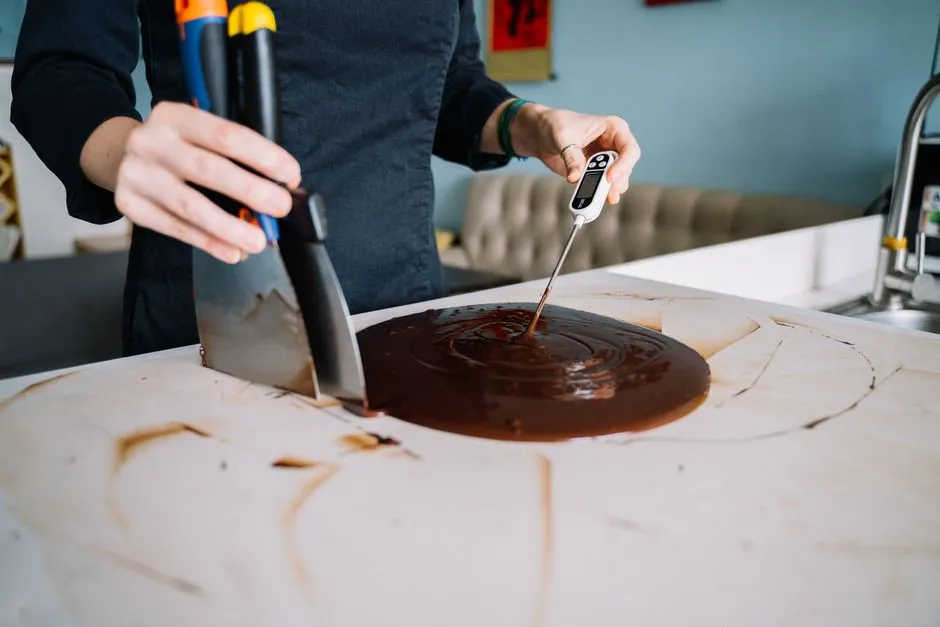
Steadiness matters as much as the number: daily swings of a few degrees are what drive fat bloom. This is a detail that often gets overlooked. People focus on keeping chocolate cool, but the consistency of that temperature is actually more important.
A 2021 study in Food Research International demonstrated that just three 2-hour cycles of warming to 25°C followed by cooling to 18°C induced measurable fat bloom in roughly nine out of ten dark chocolate samples within 72 hours, even when initial tempering was laboratory-perfect. That result is striking. Even chocolate that started in perfect condition developed bloom quickly under repeated temperature cycling.
Controlled trials found that high-temperature storage changed texture and flavor, and crystal transitions happened faster when temperatures fluctuated. Repeated warm-cool swings are a major bloom trigger.
The Role of Humidity in Bloom Formation
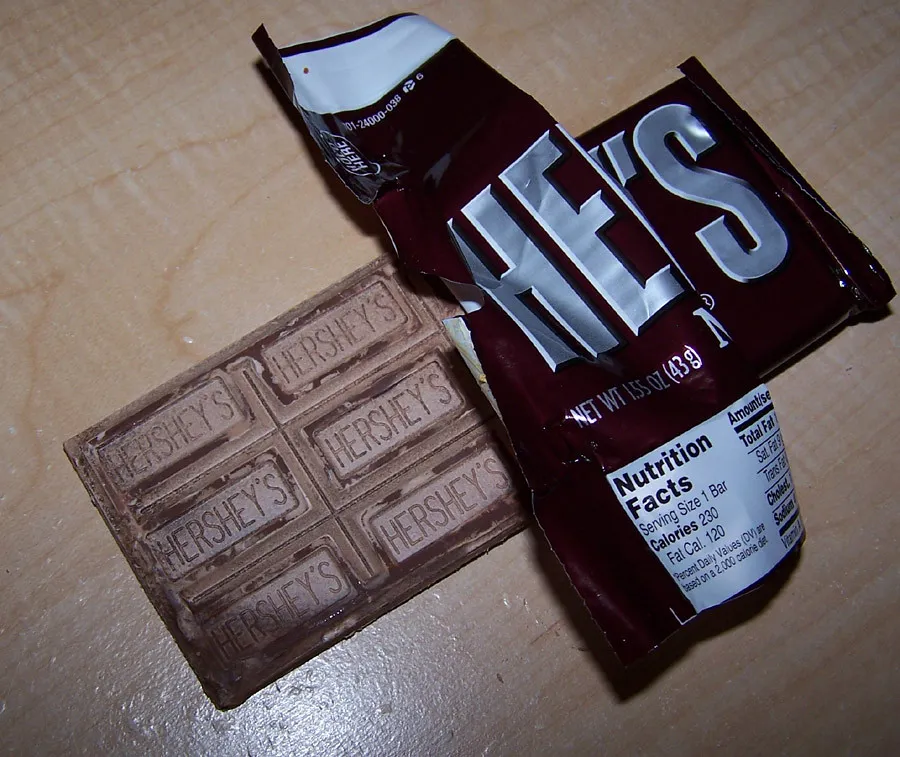
Sugar bloom occurs when relative humidity exceeds 75 percent or when cold chocolate is exposed to warm, humid air. Surface moisture dissolves sucrose crystals, which then recrystallize as larger, opaque granules upon drying. The fix isn’t complicated, but it does require consistent attention to where and how chocolate is stored.
High humidity can encourage sugar crystals on top of chocolates to dissolve into moisture and crystallize again over time, resulting in a white film or bloom appearing on your treats. Relative humidity needs to be kept below 55 percent. That benchmark is a useful practical guide for home kitchens and pantries alike.
How Tempering Connects to Bloom
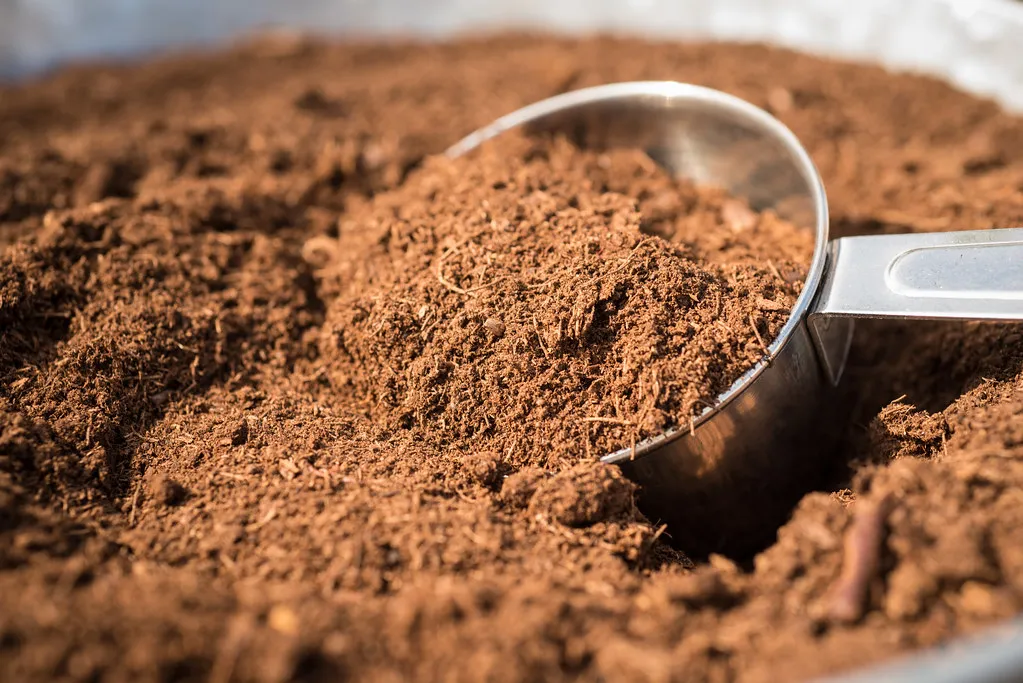
Chocolate tempering is the controlled cooling and mixing of chocolate to form stable seed crystals. Specifically, tempering aims to create Form V cocoa butter crystals, which provide the chocolate’s glossy finish and snappy texture. When that process goes wrong during manufacturing or home use, the consequences show up in storage.
Tempering is a time-consuming process wherein the temperature of the product is increased and decreased during time intervals to bring the cocoa butter into the desired stable crystal form in order to avoid, or at least inhibit, bloom formation upon storage. Without that controlled process, the crystal structure is unstable from the start and prone to change even under normal conditions.
Recent research directly challenges the long-held assumption that achieving Form V crystals guarantees long-term stability. This means even well-tempered chocolate can still bloom if storage conditions are poor.
How to Tell Fat Bloom from Sugar Bloom
Resting a warm fingertip on the white area for a few seconds can help identify the type. Fat bloom melts and smudges, and the spot briefly looks darker or shinier. Sugar bloom stays dry and rough. This simple test takes seconds and gives you a clear answer.
Fat bloom looks gray or white with streaks, swirls, or a soft dull haze, and feels smooth and slightly greasy. Sugar bloom presents as a dry, dusty white film or speckles, often patchy, and feels dry, rough, or gritty. Once you know which type you’re dealing with, prevention becomes much easier to target.
The Right Way to Store Chocolate
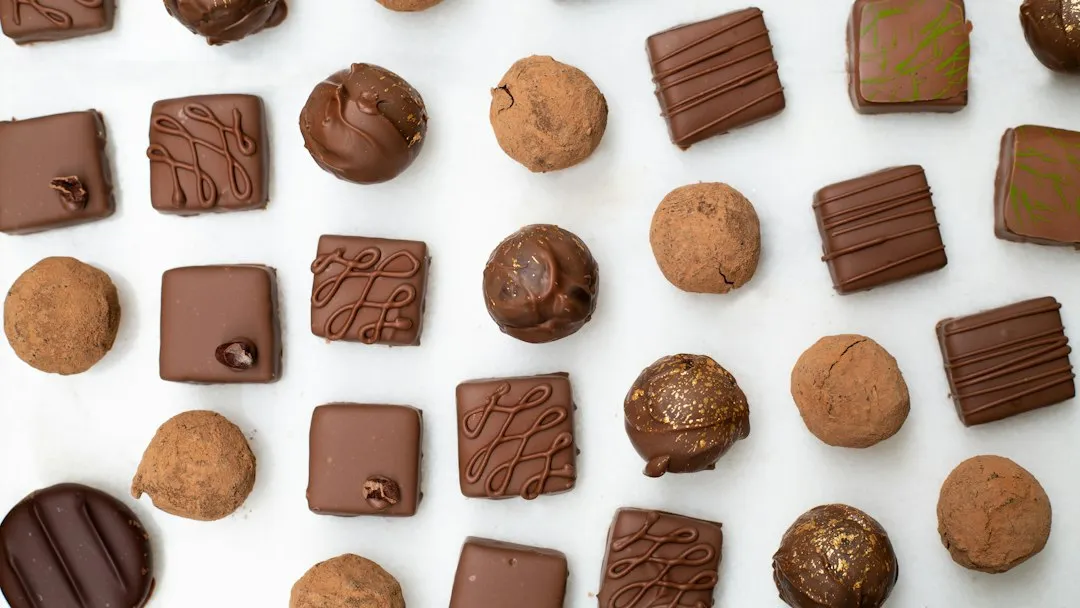
The ideal temperature for storage is somewhere between 65 and 68 degrees Fahrenheit (18 and 20 degrees Celsius), with no more than 50 to 55 percent relative humidity. That range keeps cocoa butter crystals stable and moisture well away from the sugar.
Since chocolate can easily absorb flavors from food or other products nearby, it should be tightly wrapped and stored away from pungent odors. A sealed container in a dark, cool pantry, away from the stove and any steam, covers most of the bases. Stable, cool, and dry conditions reduce bloom; following the manufacturer’s storage directions for the product is the most reliable approach.
Can You Fix Bloomed Chocolate?
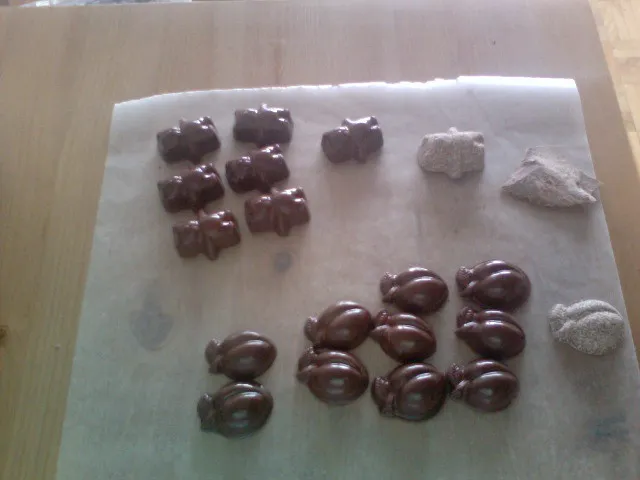
Chocolate bloom can be repaired by melting the chocolate down, stirring it, then pouring it into a mold and allowing it to cool and re-solidify, bringing the sugar or fat back into solution. This won’t restore the original bar shape, but it’s a practical option for baking or dipping.
The key is using completely dry tools when melting, since any additional moisture can compound the problem. Bloomed chocolate is safe to eat; it simply looks and feels different. You can bring it back by melting and re-tempering, and you can prevent it with cool, steady, dry storage. That combination of correction and prevention covers almost every situation a home cook or candy enthusiast will encounter.
The Takeaway
The white coating on chocolate is not a sign of spoilage or poor quality on its own. It’s a physical change in the fat or sugar structure, almost always caused by a preventable storage mistake. Temperature swings, excess humidity, and the reflex to refrigerate are the three most common culprits.
Storing chocolate in a stable, cool, and dry environment, properly wrapped and away from heat sources, eliminates the vast majority of bloom entirely. The chemistry involved is genuinely interesting, but the practical lesson is simple: consistency in storage conditions matters far more than most people realize. Treat chocolate with the same care you’d give a decent bottle of wine, and it will reward you with exactly the texture and appearance it was made to have.
AI Disclaimer: This article was created with the assistance of AI tools and reviewed by a human editor.