
The Numbers Behind Halloween Decoration Fires
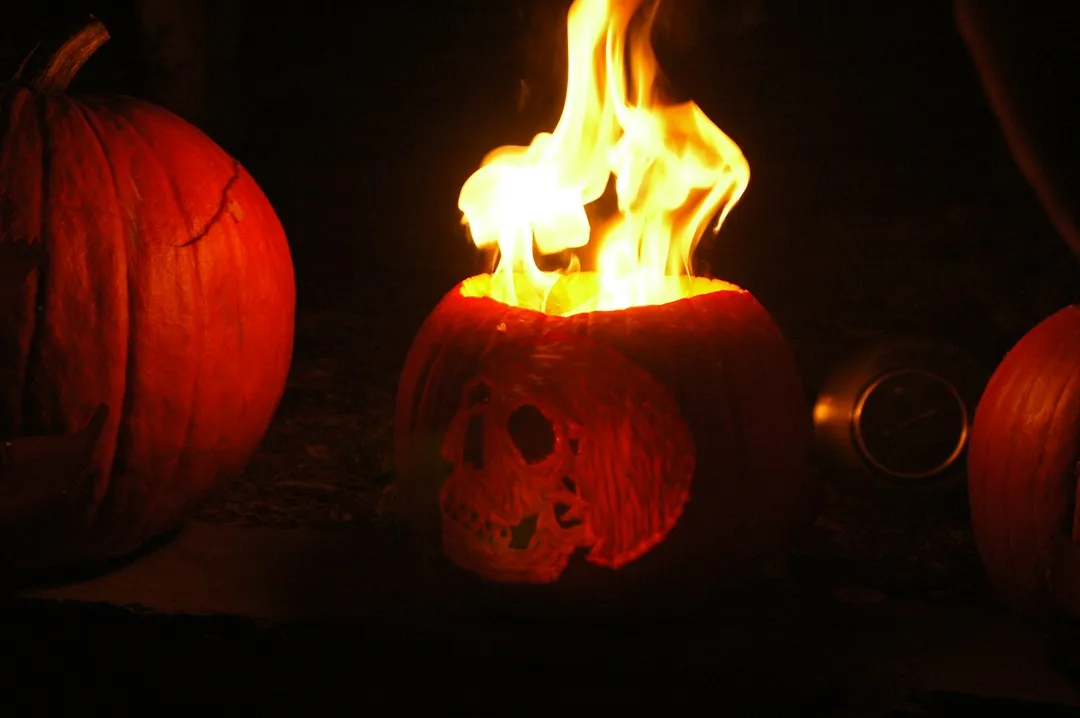
According to the National Fire Protection Association, from 2019 to 2023, an average of 832 home fires per year began with decorations, causing three civilian deaths, 28 injuries, and $17 million in direct property damage annually. These are not rare, dramatic events. They happen quietly, in living rooms and on front porches, every single Halloween season.
Nearly half of those fires occurred because decorations were placed too close to a heat source, such as a candle or hot equipment. That detail is worth sitting with for a moment. The pumpkin itself rarely catches first. It’s the dry leaf, the paper banner, the trailing costume fabric that goes up.
Why the Traditional Candle Is the Weak Link
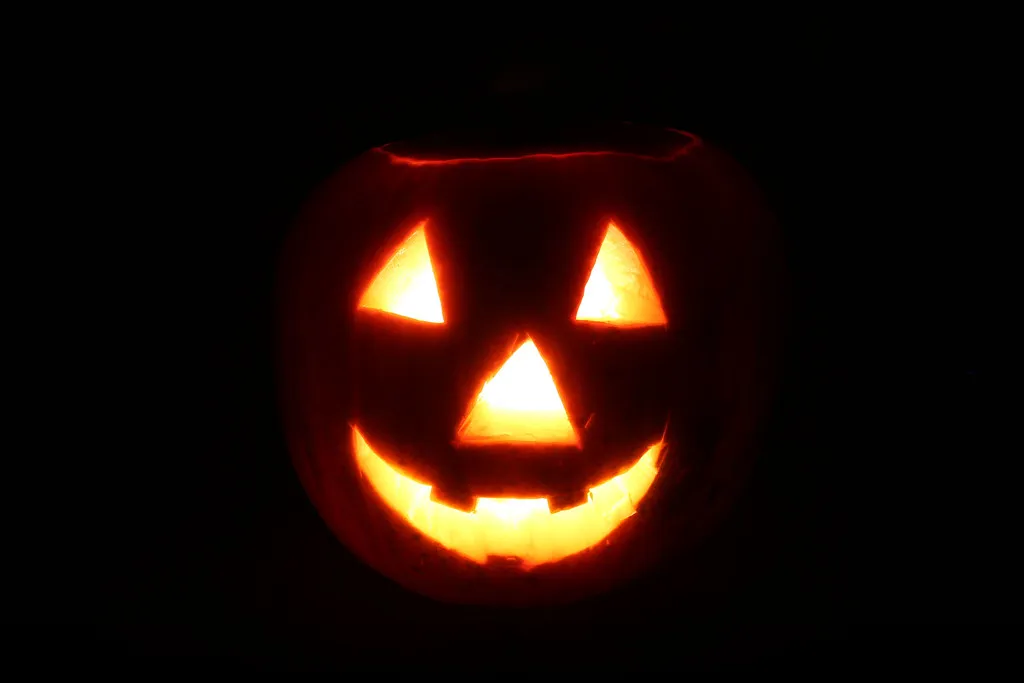
A candle creates the classic jack-o’-lantern glow, but it also introduces an open flame, heat, and fire risk. The risk becomes greater when a jack-o’-lantern sits near dry leaves, paper decorations, fabric, curtains, wooden surfaces, or other flammable objects. A typical porch setup in October has most of those things within arm’s reach.
If you use a small candle to light your jack-o’-lantern and it tips over from wind or gets knocked over, a big fire could begin. The wick of a burning candle releases flammable gases, and within the enclosed space of a jack-o’-lantern, these gases can reach ignition temperature more easily.
Candles and the Decoration Fire Relationship
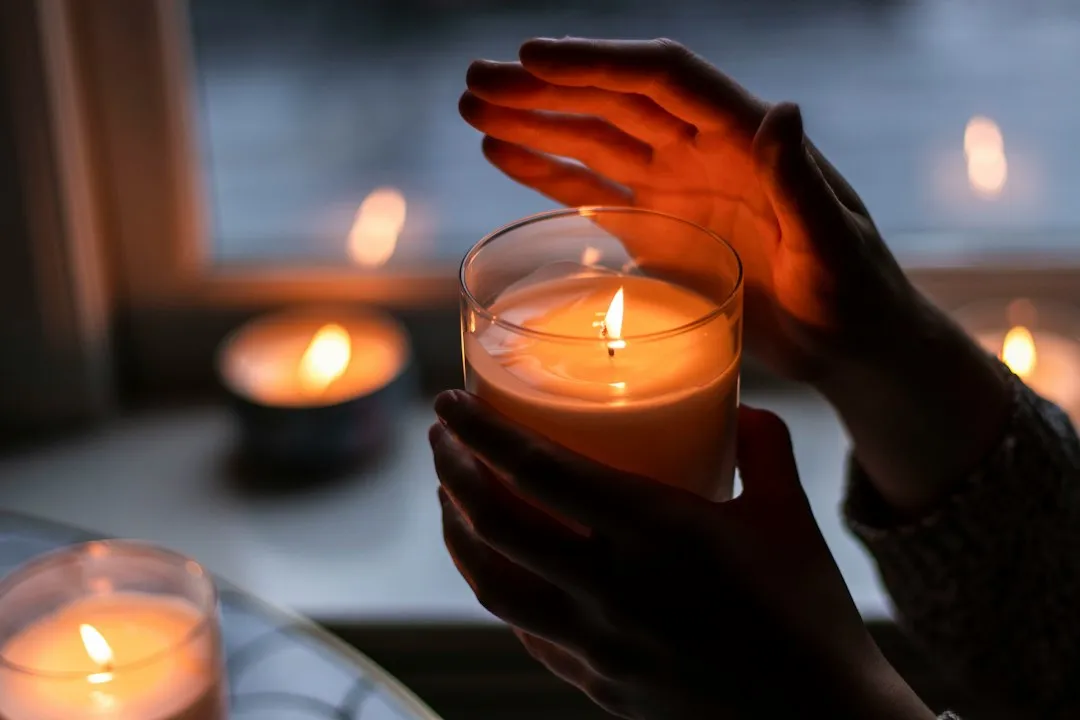
Between 2018 and 2022, an annual average of 835 home structure fires began with decorations, resulting in three deaths, 30 injuries, and $14 million in direct property damage. Nearly half of those fires occurred because decorations were too close to a heat source, and roughly one third started with candles.
The US Fire Administration states that on average, 20 home candle fires are reported each day, and recommends battery-operated flameless candles, with the baseline rule that candles should be kept at least 12 inches from anything that burns. That 12-inch clearance is essentially impossible to guarantee on a busy trick-or-treat night.
How a Drying Pumpkin Becomes More Dangerous Over Time

Even a small flame will speed up a pumpkin’s rot. The heat cooks the pumpkin from the inside and causes it to wilt faster than it would if lit by an electric candle. This matters for fire safety as much as for aesthetics.
As a pumpkin dries, its internal moisture content decreases, making the flesh increasingly combustible. Dry pumpkins are especially dangerous. As October progresses, carved pumpkins dry out and become significantly more flammable. A pumpkin carved on October 15th and lit with a real candle every night is a meaningfully different fire hazard by October 31st.
The Porch Environment Makes Everything Worse

The same guidance from fire safety authorities flags dried flowers, cornstalks, and crepe paper as highly flammable. A porch display is frequently all of those things at once. Add in the foot traffic of dozens of trick-or-treaters in flowing costumes and the math gets uncomfortable.
Pumpkins placed on doorsteps, porches, and walkways put open flames right in the path of passing costumes, dry leaves, and excited kids. Children under five start roughly one in ten candle-related fires. A front door decorated for Halloween is one of the highest-traffic spots in a neighborhood on October 31st.
What the LED Swap Actually Looks Like
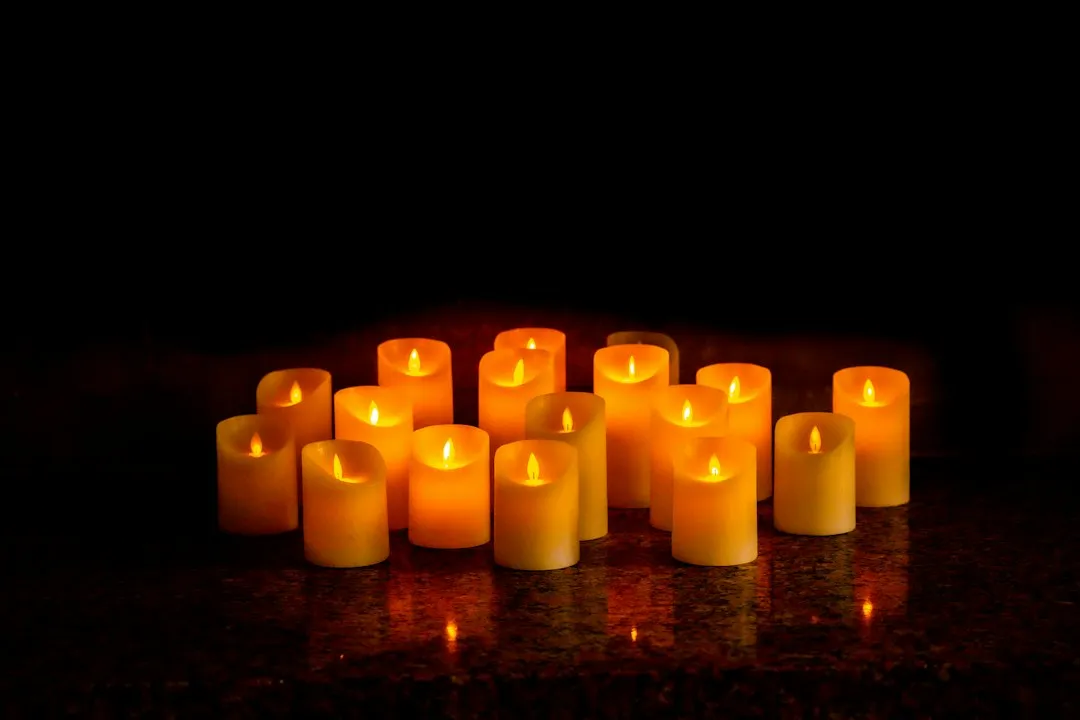
Battery-powered LED tea lights have come a long way. Many now include a flickering effect that’s nearly indistinguishable from a real flame, and they’re safer, longer-lasting, and cheaper to run over a full Halloween season. The aesthetic gap between a real candle and a good LED has genuinely closed over the past few years.
Flameless candles can imitate the gentle flicker of traditional candlelight. They work particularly well for families with children or pets because they remove the burning wick and hot wax from the pumpkin entirely. Some models deliver over 200 hours of use per battery, which means a single set can last the entire month of October.
Glow Sticks as the Simplest Option
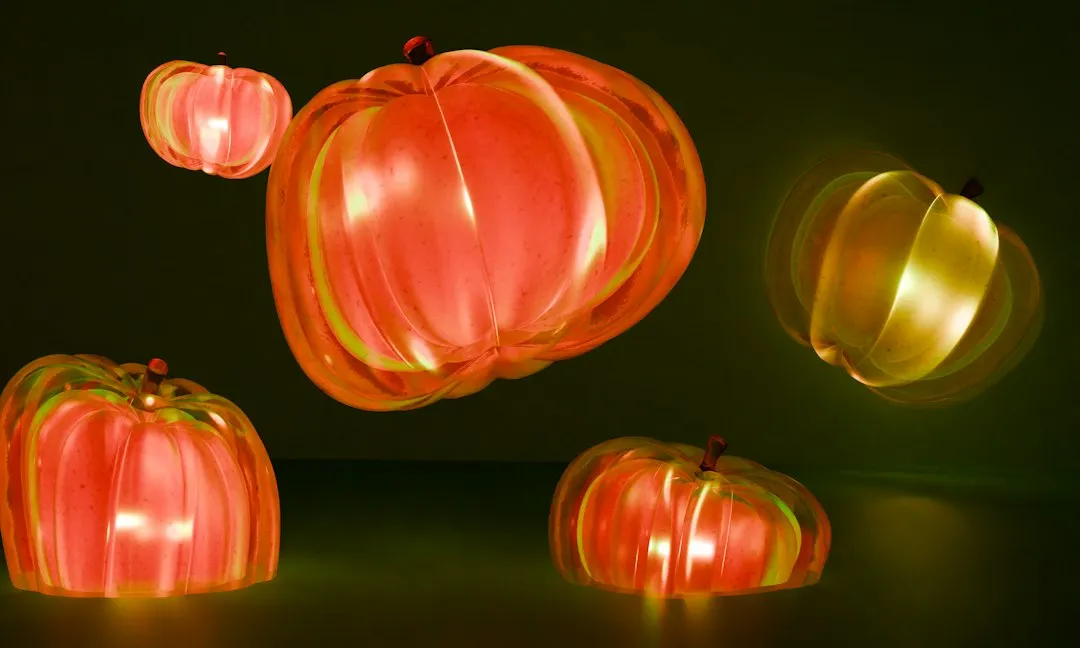
The Department of Fire Services recommends that everyone try flameless alternatives such as glow sticks, battery-powered tea lights, or even battery-powered fairy lights. Glow sticks can create an eerie feeling inside a pumpkin, and some battery-operated tea lights flicker just like a real candle.
A glow stick dropped into a pumpkin costs almost nothing and produces a genuinely unsettling green or orange tint through carved openings. It’s also the one option that carries zero fire risk under any circumstances. For households with small children or large crowds passing through, that zero-risk quality is worth more than any amount of atmospheric flicker.
What Officials and Fire Departments Recommend
The National Fire Protection Association discourages the use of lit candles as a form of decoration, given the risk of flames catching on a material or surface that could quickly burn and ignite a blaze. Instead, the NFPA recommends using battery-operated LED candles.
Firefighters and the NFPA recommend a battery-powered LED candle. Glow sticks or electric candles are the safest choice when it comes to lighting up a jack-o’-lantern, but if using a real candle, extreme caution is essential. The official consensus across multiple fire authorities is consistent and has been for years.
If You Still Want to Use a Real Candle
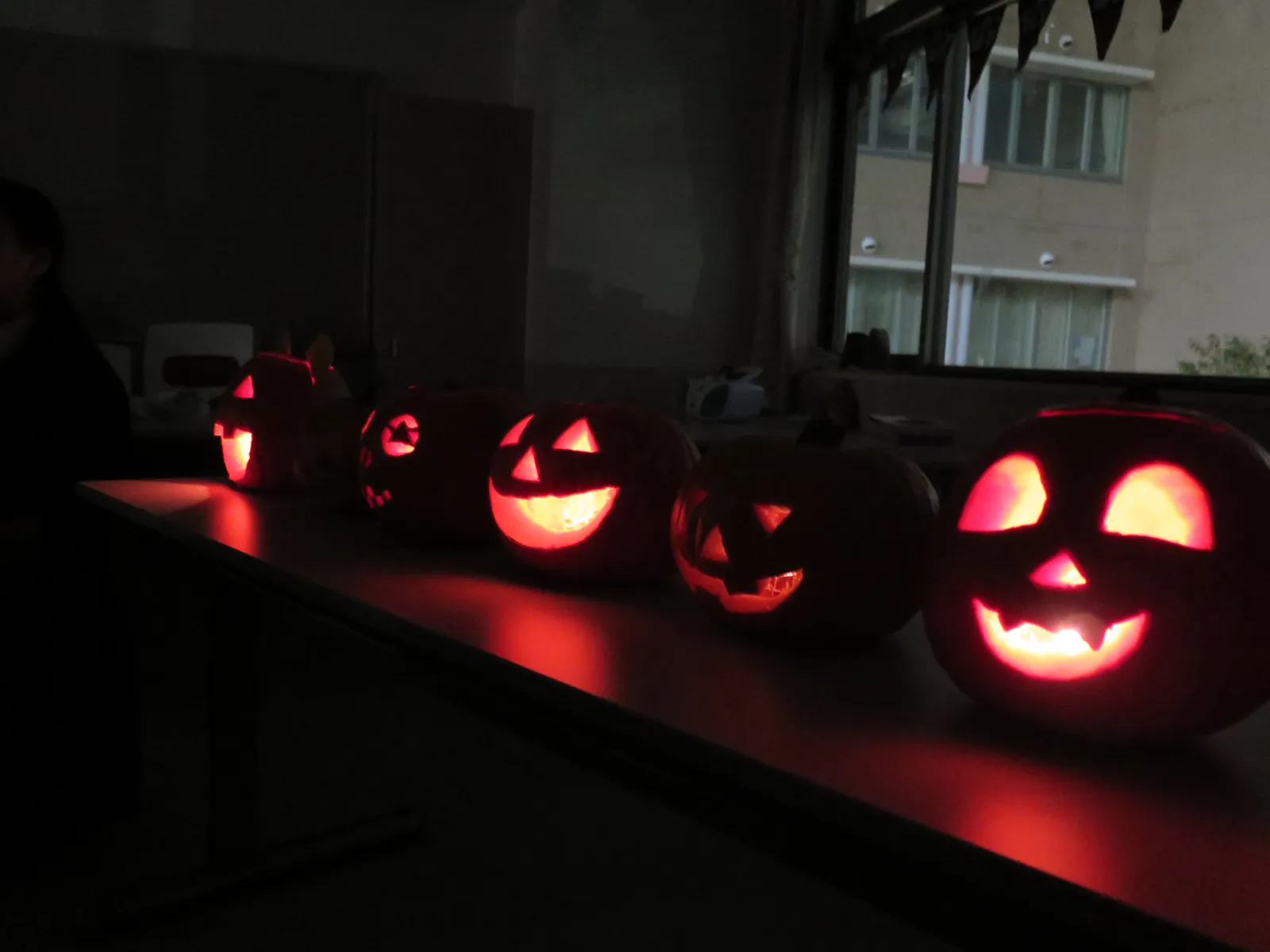
Choose a small, stable candle or tea light that fits securely inside the pumpkin. Keep the jack-o’-lantern on a level, nonflammable surface where people are unlikely to bump it. Avoid placing it beside dry leaves, paper decorations, fabric, or other combustible items.
Even with precautions, it’s best not to leave a candle burning in a pumpkin for more than two hours at a time. Prolonged burning can cause excessive heat buildup and accelerate the drying process, increasing the risk of fire. When lighting candles inside jack-o’-lanterns, use long fireplace-style matches or a utility lighter. Never use a lighter held at arm’s length over a small opening.
The Hidden Bonus: Your Pumpkin Lasts Longer
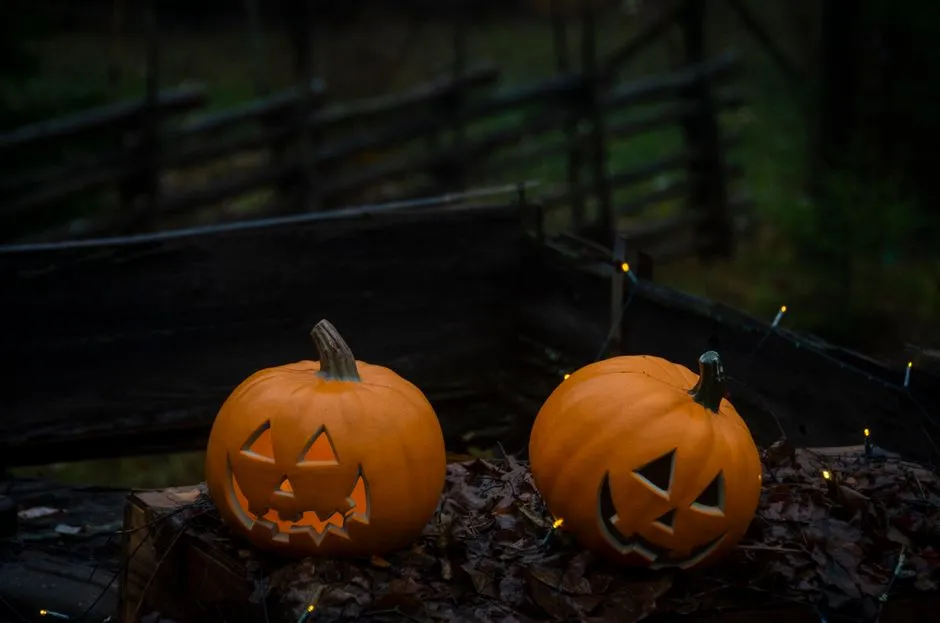
If you want your pumpkin to last a long time, do not use candles, as the flames will cause the interior to dry out, resulting in it rotting faster. The LED swap isn’t just a fire safety measure. It’s also the reason your carving still looks good at the end of the month instead of caving in by the third day.
The heat from a candle causes a pumpkin to decompose more quickly. The heat from the flame can warm the pumpkin, creating an environment that is more conducive to microbial growth and decomposition. As the pumpkin is heated, the cell walls can begin to break down, allowing enzymes and other compounds to escape and contributing to the decomposition process. An LED produces virtually no heat, which means the carved flesh stays firm much longer.
The Takeaway
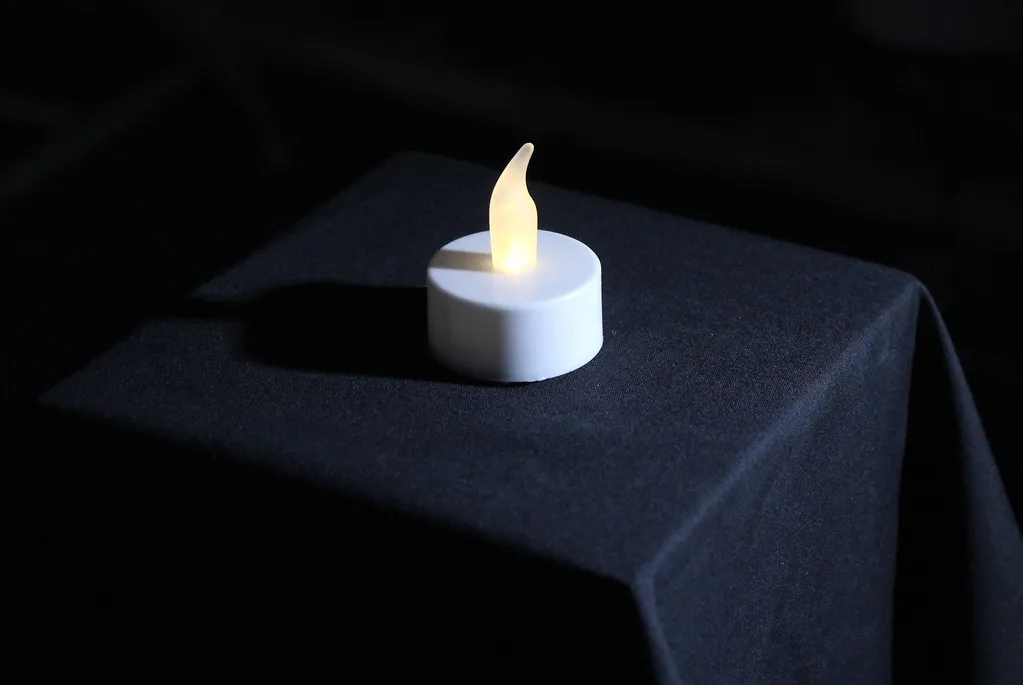
The swap from a real candle to a battery-powered LED is not a compromise. It’s a straight upgrade: safer, longer-lasting, and in many cases just as visually convincing. Battery-operated lights reduce fire risk by roughly 99 percent compared to open-flame alternatives. That’s not a marginal improvement.
Halloween is supposed to be the kind of scary that’s fun. A house fire is the other kind. One small change to what you drop inside your pumpkin keeps the holiday in the right category, and your porch display intact all the way through to November 1st.
AI Disclaimer: This article was created with the assistance of AI tools and reviewed by a human editor.