
The Dead Corner Problem

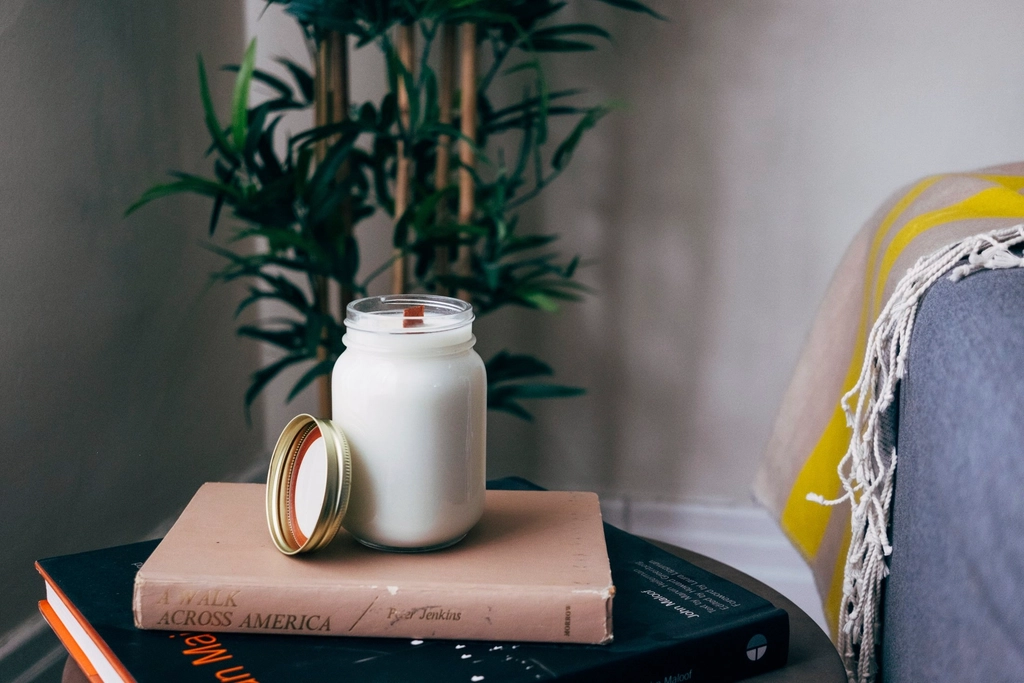
Fragrance moves on air currents, so candles should go where air moves toward people – coffee tables, kitchen islands, entry consoles. A candle jammed in a dead corner is essentially performing for the corner. This is the most common placement error, and it costs you more scent than almost anything else.
Pay attention to furniture layout as well. If the candle is tucked into a corner or behind a lamp, the fragrance can get trapped. Place your candle somewhere central to help the scent spread evenly throughout the space.
The High Shelf Trap
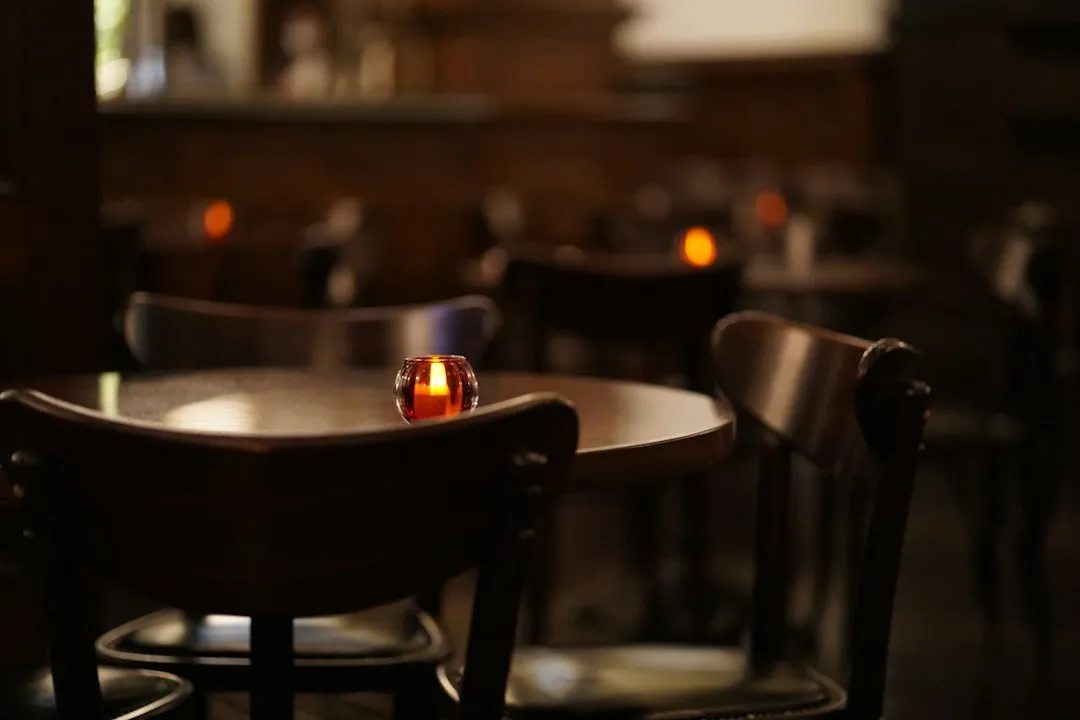
Scent rises as it warms. A candle on the floor perfumes your ankles; on a high shelf, the ceiling fan gets the best of it. Coffee-table-to-counter height keeps the melt pool’s work where humans actually breathe. It sounds obvious once you hear it, but a striking number of people display candles purely for how they look on a shelf.
High shelves close to ceilings trap warm air there, keeping fragrance out of reach. The science is simple: warm, scent-carrying air rises and collects at ceiling height, where it stays rather than circulating back down into the living space.
Air Vents: The Scent Thief
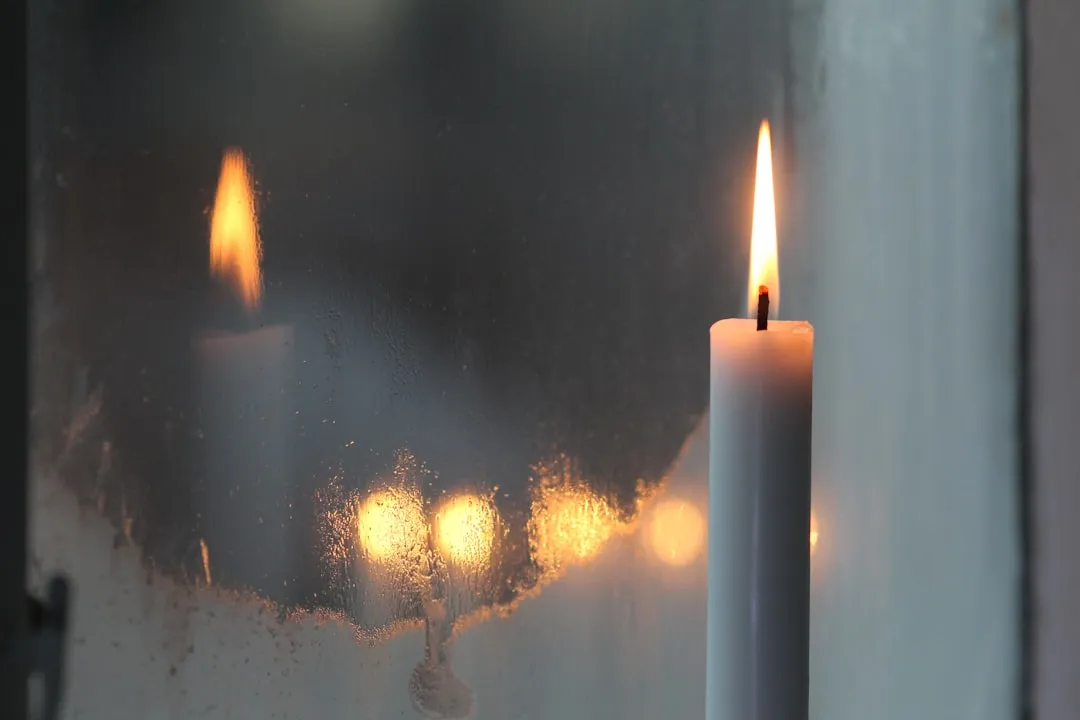
One of the most overlooked factors in candle performance is airflow. If you’re burning a candle in a room with fans, vents, or open windows, the fragrance may not linger. Instead, it gets pulled out or blown away before it has a chance to settle.
Avoid placing your candle directly under or near air vents. Air moving too fast over a candle can also affect the flame’s stability, which disrupts how evenly it burns and releases scent. This is a double problem: you lose scent and you also get an uneven burn that wastes wax.
Open Windows and Outdoor Drafts
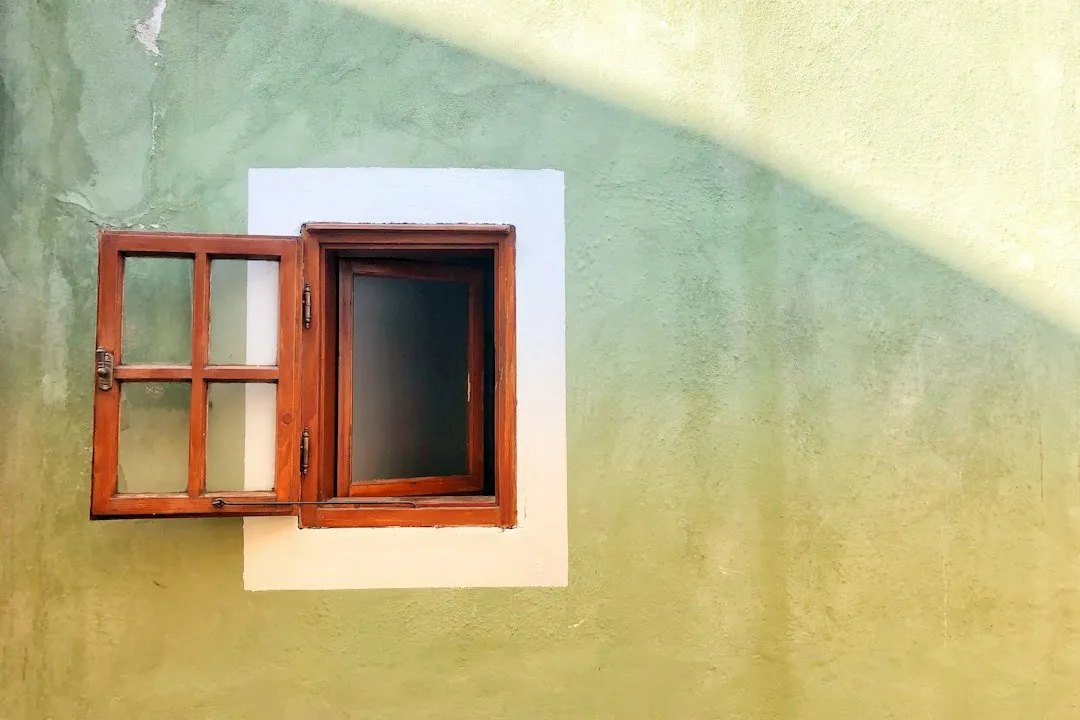
Beside open windows, fragrance gets swept outside before it can fill the room. This might seem like a minor concern, but even a gentle cross-breeze through a window can continuously flush scented air out of the room faster than the candle can replace it. The candle burns through its fragrance load while you get almost none of the benefit.
Even a small draft from an air conditioner or open window can push the flame to one side, leading to uneven wax melting. Uneven melting leads directly to tunneling, which compounds the scent loss further. It’s a cascade of avoidable problems that starts with a placement decision.
Tunneling: The Hidden Scent Killer

Candle tunneling happens when a candle burns down the middle but leaves unburned wax around the edges. This usually happens when the candle isn’t burned long enough on the first use or if the wick is too small for the container. All that wax ringing the sides? That’s trapped fragrance oil you’ll never smell.
A wick that is sized too small burns a narrow tunnel straight down the center of the candle, leaving most of the fragrance trapped in unmelted wax along the edges, where it never gets the heat it needs to release. This is not a defect you need to accept. It occurs when the wax burns down the center, leaving thick walls of unused wax. To prevent this, burn the candle long enough on the first light to reach the container’s edge – usually two to three hours.
The First Burn Rule Nobody Follows

That first burn is critical. It sets the memory ring for how your candle will melt in future uses. Skip it and you lock in a tunneling pattern that follows the candle for the rest of its life. No amount of careful placement later will fully undo what a rushed first burn creates.
A short burn may never reach the ideal liquid wax pool. The initial burn of 30 to 60 minutes primes the candle and allows full scent release, while a continuous burn ensures consistent fragrance spread throughout the room. Skipping the priming step often results in a weak scent throw. Two to three hours on the first light is the standard recommendation, and it genuinely matters.
Wick Length and Scent Performance

A long wick produces incomplete combustion, which releases carbon particles (soot) into the air. These particles can settle on your candle jar, walls, and even your lungs. A properly trimmed wick burns cleanly with minimal smoke. Soot is also evidence that fragrance molecules are being destroyed rather than released into the air cleanly.
Trim your wick to a quarter inch before every burn, never burn longer than four hours, and store candles in a cool, dry place with the lid on. These habits alone can extend burn time by roughly a quarter to nearly half. Wick trimming is consistently the most underrated candle care habit, and it directly affects how much scent you experience from each session.
Room Size vs. Candle Size: A Mismatch That Costs Scent

A candle with excellent warm throw in a small bedroom might feel underwhelming in an open-plan living and dining space. There’s simply more air volume for the same amount of fragrance to fill. This isn’t a flaw in the candle. It’s physics, and it requires a practical fix rather than a replacement purchase.
An eight-ounce candle owns a bathroom or bedroom; open-plan spaces deserve a sixteen-ounce candle or two candles working as a team. Two smaller candles at opposite ends beat one big one in the middle – surround sound, but for your nose. Spreading fragrance sources across a space creates more even coverage than concentrating them in one spot.
Radiators, Electronics, and Sunlight: The Invisible Disruptors
Beside radiators, excess heat distorts fragrance and can alter how it smells. Beside televisions, heat from electronics interferes with scent throw and, with flame candles, is a safety risk. These placements look fine visually and are genuinely common, which is part of what makes them so easy to overlook.
Near direct sunlight, UV exposure can degrade fragrance oils. This applies not just while burning but also during storage. A candle left on a sunny windowsill loses cold throw over time, meaning its fragrance is weakened before you even light it. Store candles away from light when not in use, and keep lids on between burns.
The Sweet Spot: Where to Actually Place a Candle
Near (not in) a doorway is prime real estate: every pass-through stirs the scent along. Central surfaces at seating height, like coffee tables and console tables, are consistently the best performers. That mid-height placement allows fragrance to circulate at seating level, and it’s usually positioned centrally.
If you want the scent to stay in the room, try turning off fans or closing windows temporarily. For a stronger effect, burn your candle in a still, enclosed space for at least 30 minutes. Give the fragrance time to build before reintroducing airflow. By avoiding direct exposure to drafts, you can preserve the integrity of the fragrance and prolong its lifespan.
Final Thoughts

A candle’s job is to fill a room with scent, and it can’t do that job from the wrong location. The fragrance oil, the wax quality, and the wick all matter – but so does where the candle sits. Half of all “this candle is weak” complaints are actually placement problems. The same tin that disappears on a bookshelf can own the whole floor from the right spot.
Most of the fixes here are free and take less than a minute: move the candle to a central, mid-height surface, close the window, trim the wick. The candle you already own might be performing at half its potential simply because of where you put it. That’s worth testing before buying a new one.
AI Disclaimer: This article was created with the assistance of AI tools and reviewed by a human editor.