

1. Circus Peanuts: The Perennial Champion of Disappointment
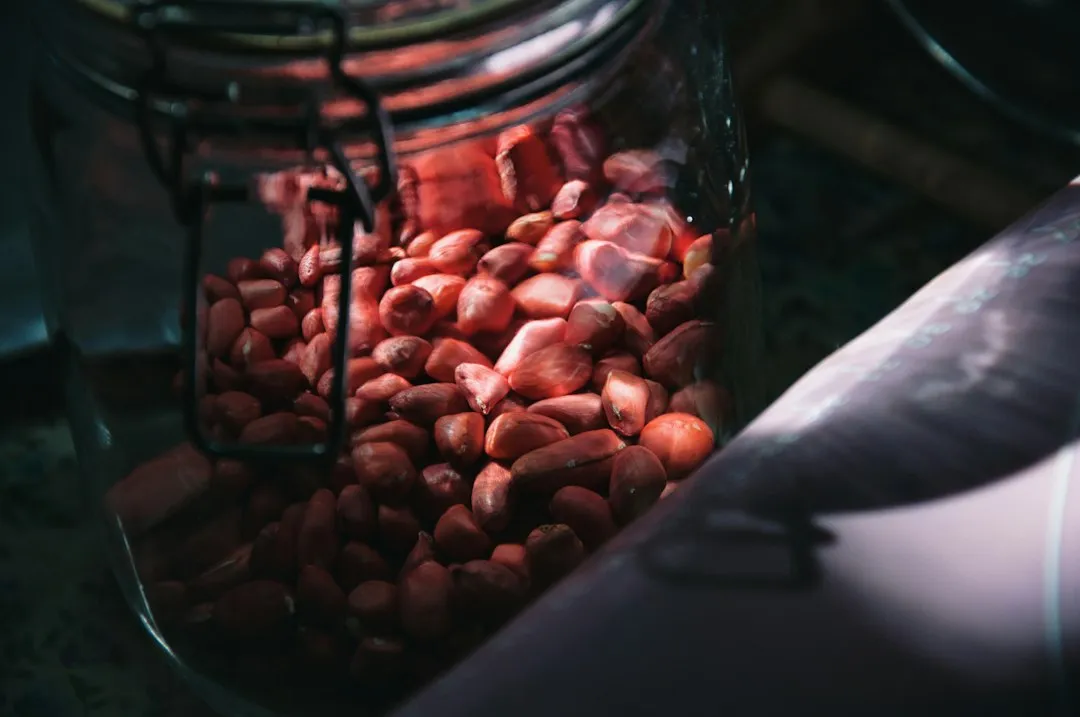
The people of America have spoken, and they hate Circus Peanuts, the oddly orange marshmallow treats that oftentimes remain at the bottom of kids’ candy buckets. After three surveys in a row as voters’ least favorite Halloween candy, Circus Peanuts only recently handed over that title. The problem is layered: the shape promises a savory crunch, but what you get is something far stranger.
They are radioactive orange yet taste like fake bananas, with the squeaky texture of Styrofoam packing peanuts. Despite their place as the worst Halloween candy year after year, Circus Peanuts have an undeniable nostalgic charm for a select few, serving as a quirky reminder of a bygone era of sweets.
2. Candy Corn: The Most Divisive Decoration in Candy Form
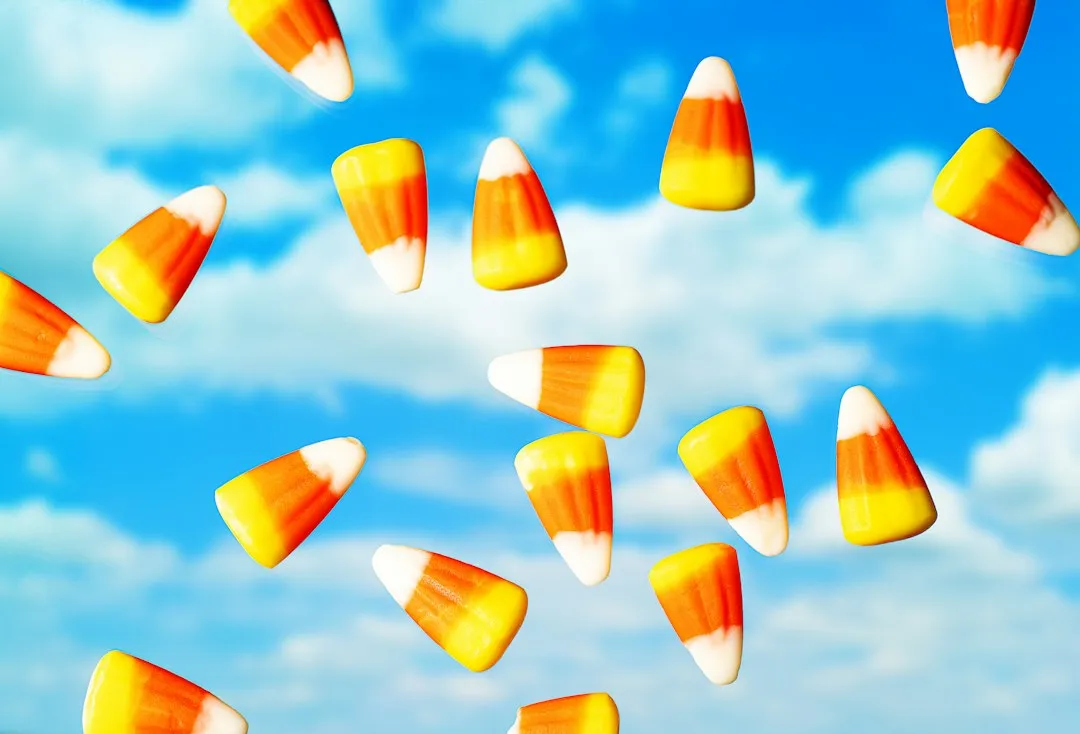
Candy corn is America’s most disliked Halloween treat, with a net negative score of -56 across all respondents, and it landed as the least favorite in 17 states, uniting Millennials and Baby Boomers in their shared disdain. A survey by Shiny Smiles Veneers found that roughly a third of Americans hate receiving candy corn on Halloween.
Candy corn might be the most visually iconic Halloween candy, yet it suffers from a serious case of mismatched flavor and texture. It looks festive and inviting, but once you bite in, the illusion is all over. Grainy sugar meets waxy marshmallow, with a generally artificial taste. Despite its unpopularity, candy corn has been around since the 1880s.
3. Black Licorice: An Acquired Taste Nobody Asked For
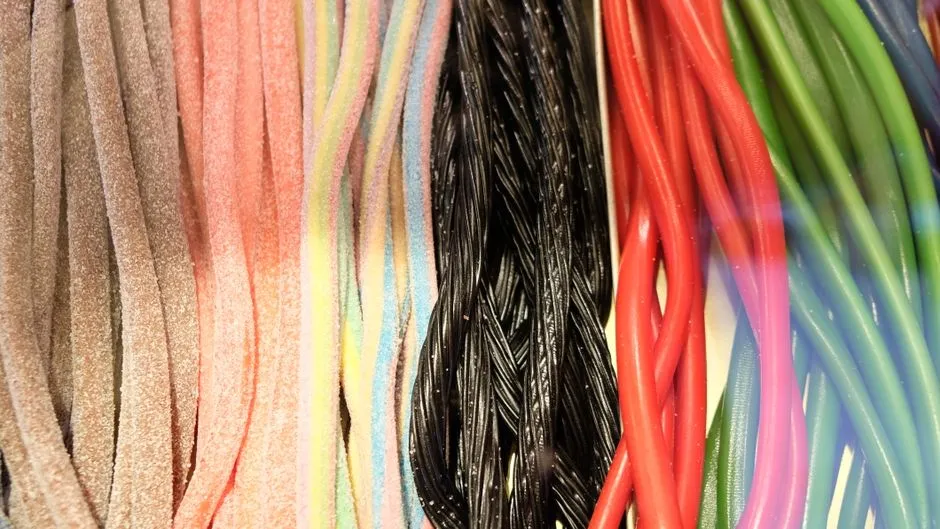
Black licorice is the candy version of a strong opinion, and most kids digging through their haul on Halloween night are not in the mood for one. Adults might like black licorice, since it is a sophisticated flavor that many people acquire with age, much like dark chocolate, espresso, and whiskey. Kids tend to think it is weird and bitter.
The least favorite Halloween candies among both parents and kids consistently include licorice alongside candy corn and circus peanuts. While fruit-flavored alternatives like Twizzlers live on as a popular option, pure black licorice just cannot seem to keep up with the sugary delights kids are after.
4. Good & Plenty: The Candy in Disguise
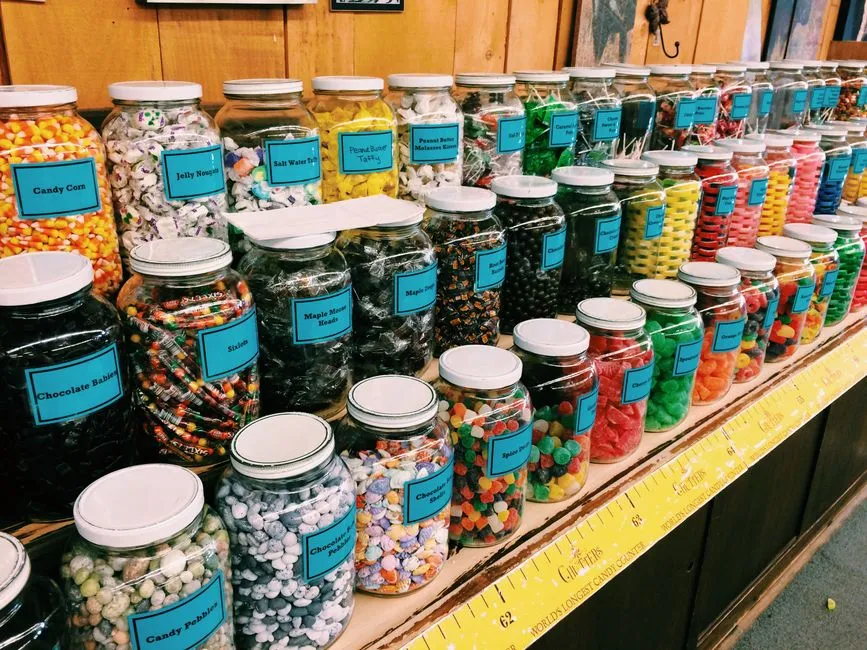
Good & Plenty is a licorice candy, and the colorful candy shells are almost a mean trick because they disguise the licorice inside. A kid thinks they are getting a piece of candy, and then as soon as they take a bite, they go, “Ugh, licorice!” Good & Plenty is one of the oldest branded candies in the United States, dating back to 1893.
First made in 1893, Good & Plenty predates most of what fills modern candy bags. Before it was a candy, licorice was used for centuries as a medicine, and the flavor itself, a mix of anise and fennel, may evoke the taste of NyQuil or general disgust, depending on your palate. That medical association is not exactly a selling point on a fun-size wrapper.
5. Necco Wafers: The Chalk-Flavored Time Capsule
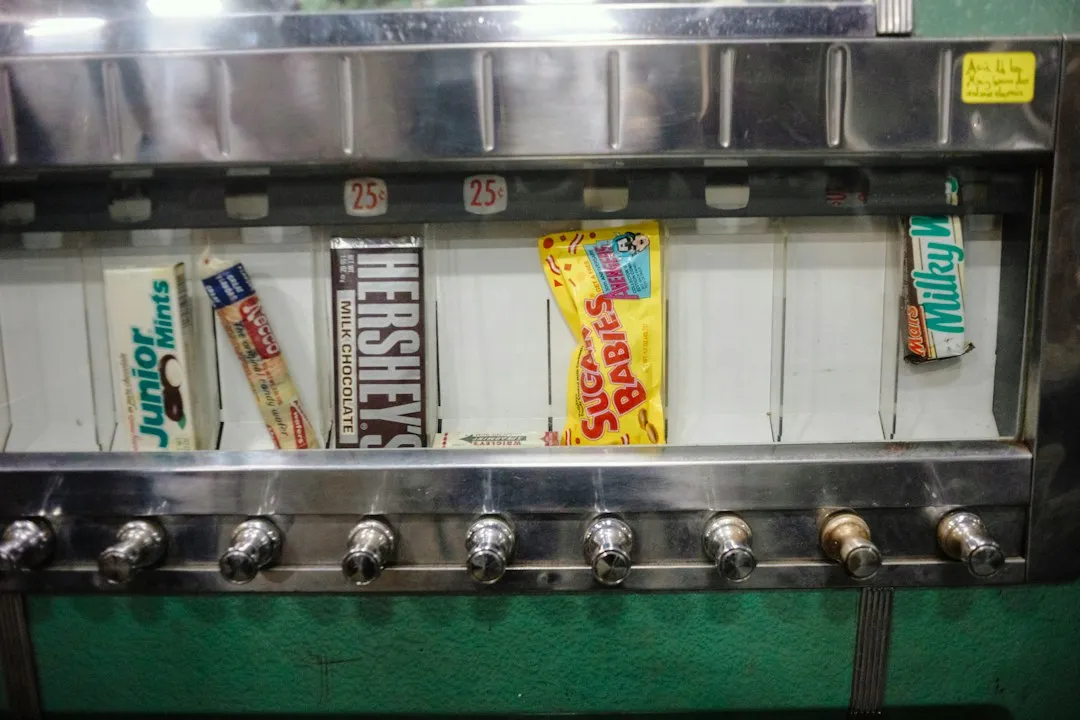
Necco Wafers are designed for kids who want to eat sidewalk chalk. They are basically huge, flat, powdery discs with flavors like licorice, clove, and cinnamon. These candies were popular in the 19th century, but better candy exists now. The wafer format and the subdued flavors simply do not compete in a bag already holding chocolate and gummies.
These thin, chalky discs have been around since 1847, and their long shelf life once made them ideal for military rations. That heritage is not the kind of backstory that excites a nine-year-old sorting candy on the living room floor.
6. Peanut Butter Kisses: The Wrapper That Feels Like a Warning
Peanut Butter Kisses have failed to capture the hearts of trick-or-treaters year after year. Often mistaken for Mary Janes due to their plain black and orange wrappers, they offer neither the charm of Reese’s nor the indulgence of other peanut butter candies. They show up in the bag looking like a generic afterthought, and for many kids, that instinct proves correct.
The plain wrapper is almost a signal. In a sea of bright branded packaging, an unmarked black-and-orange twist immediately reads as suspicious to any experienced trick-or-treater. Peanut Butter Kisses consistently rank second on widely cited lists of the least popular Halloween candy.
7. Tootsie Rolls: Technically Chocolate, Technically Candy
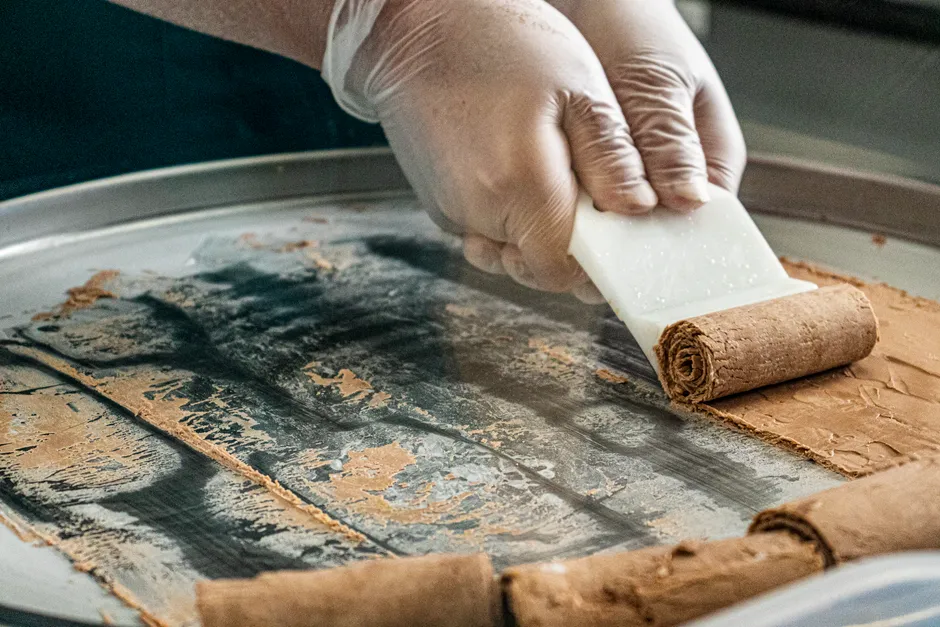
Tootsie Rolls might have their loyal fans, but they are not a crowd-pleaser among kids. These chewy, chocolate-flavored candies are one of the most common trick-or-treat giveaways, but they are also one of the most likely to get traded or tossed. Kids often find them too tough to chew, and the artificial chocolate flavor does not exactly excite young taste buds.
The sheer volume of Tootsie Rolls that circulate on Halloween night is staggering. They are everywhere, which only compounds the problem: when you find ten of them in the bag and you would have preferred one, the trade pile grows fast. Candy Corn and Tootsie Rolls both share a spot on many “no” lists, particularly for kids at the tooth-losing age who struggle with chewy textures.
8. Wax Bottles (Nik-L-Nip): Candy That Doubles as Confusion
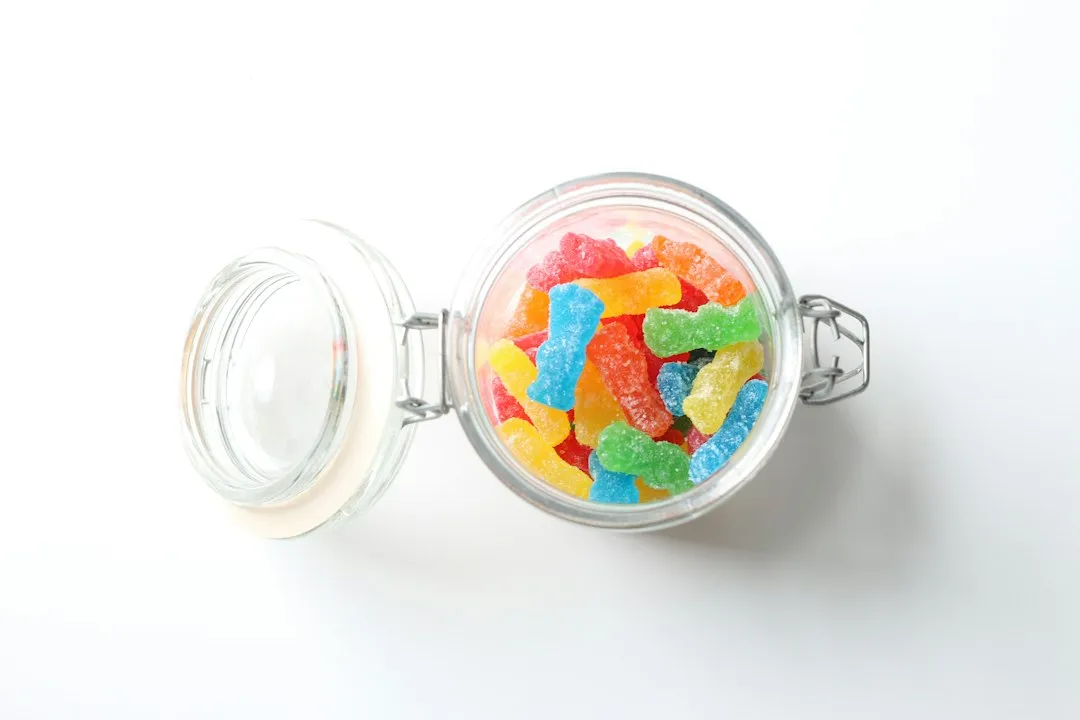
Tootsie Roll launched these wax bottles filled with colored syrup in the early 20th century. You bite the top off, drink the sweet liquid, then throw away the wax. Few kids enjoy candy that starts with chewing wax and ends with sticky confusion. The concept of chewing on packaging before reaching the actual product is a difficult sell to anyone under twelve.
Wax Bottles consistently appear on ranked lists of the least popular Halloween candies, alongside Peanut Butter Kisses and Necco Wafers. There is something uniquely deflating about holding up a wax bottle in the middle of a candy haul filled with fun-size chocolate bars.
9. Smarties: The Candy That Looks Like Medicine
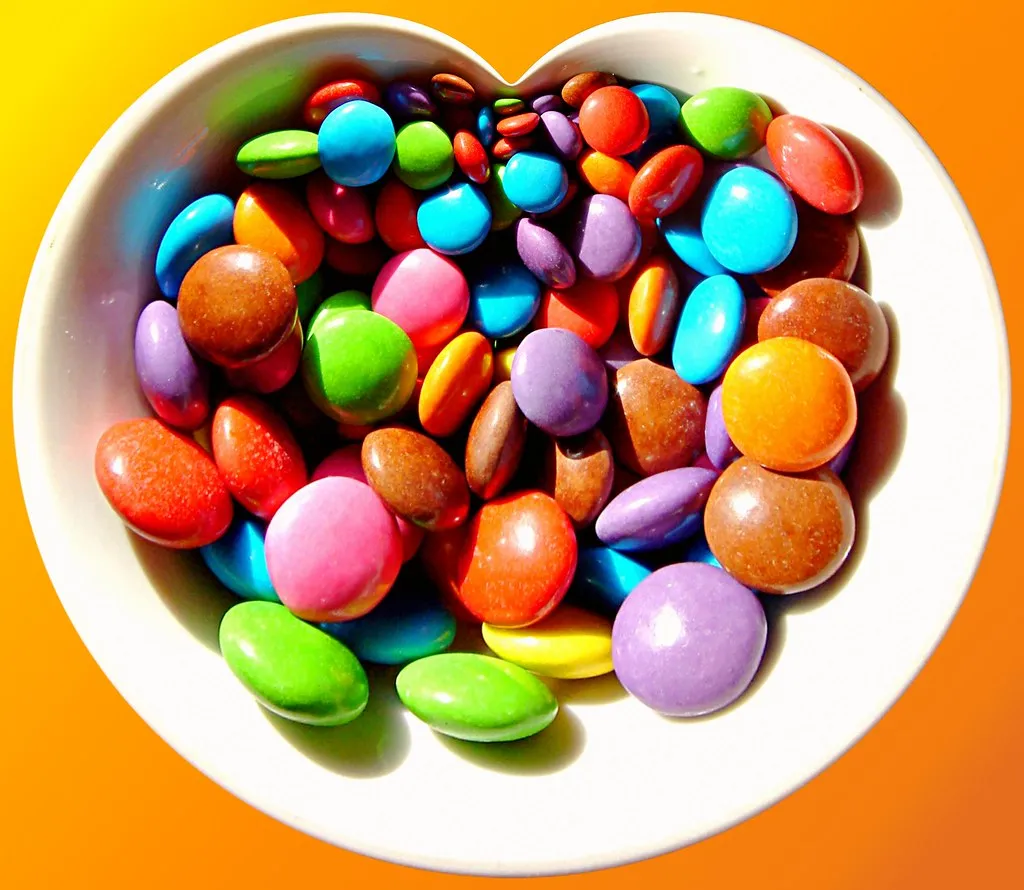
Smarties may be colorful and fun to unwrap, but most kids would agree they are one of the least exciting candies to find in their Halloween haul. They are sugary, certainly, but the compressed chalky texture puts them in the same sensory category as Necco Wafers for many children. The flavor does not announce itself so much as whisper.
Smarties climbed two spots away from the bottom of CandyStore.com’s worst candy rankings in 2026, from number eight to number ten, which marks their kindest finish since the list started in 2014. That is technically improvement. Whether anyone noticed is another question entirely.
10. Raisins: The Treat That Broke the Rules
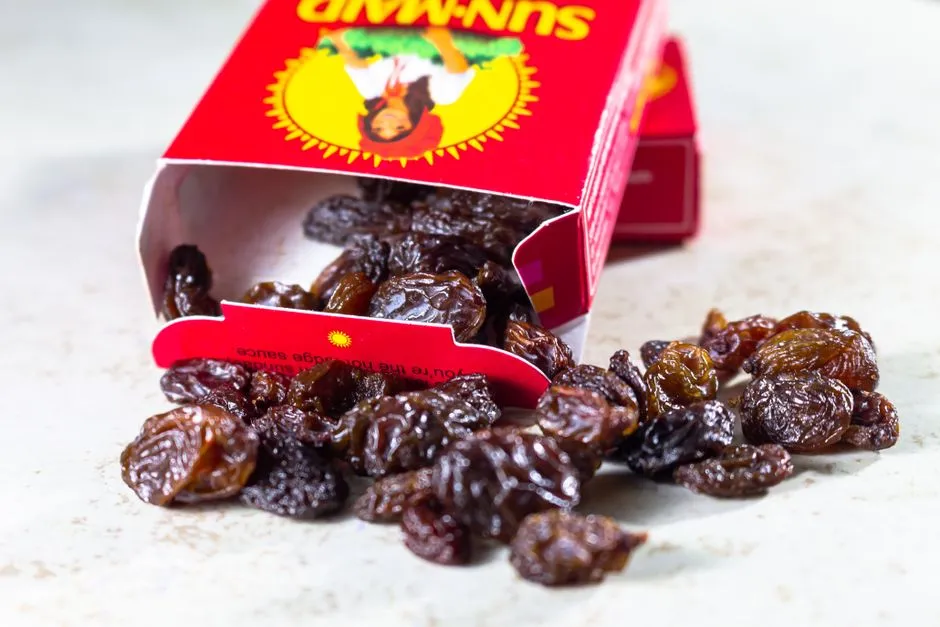
Nothing quite signals the end of trick-or-treat fun like reaching into the bag and finding a small red box of raisins. It is not candy. It knows it is not candy. The child receiving it knows it is not candy. Once the dreaded doorstep treat kids traded away instantly, raisins staged a shocking comeback in 2025 with a notable surge in sales during Halloween week.
DoorDash data reveals sales of boxed raisins as surging during Halloween season. Whether that reflects genuine enthusiasm or parents buying them in bulk to hand out is perhaps a distinction worth making. Either way, kids picking raisins out of the pile and heading for the trade pile remains one of Halloween’s most reliable traditions.
The Takeaway
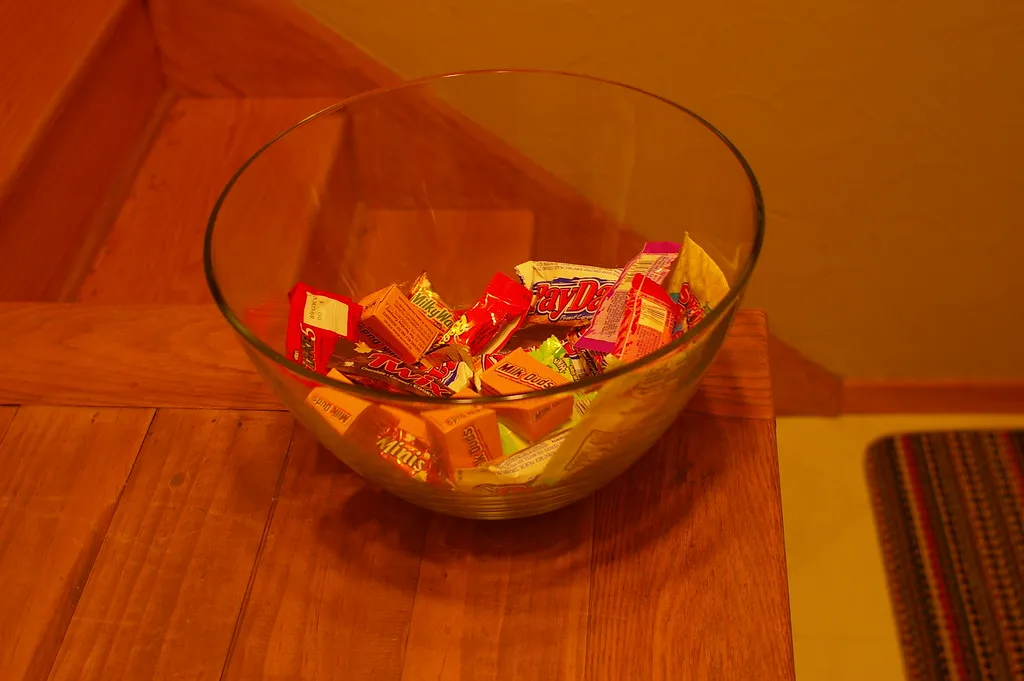
The candy trade is as old as trick-or-treating itself, and the same suspects keep landing in the trade pile decade after decade. Nine in ten parents go through their child’s Halloween candy before the kids can eat it, so parents get a front-row seat to the haul every year. They know exactly which wrappers make the pile.
What is interesting is that most of these unloved candies have been around for generations, sometimes well over a century. They survive not because children love them, but because someone keeps buying them. The candy bowl, it turns out, says as much about the giver as it does about the treat. Choose wisely.
AI Disclaimer: This article was created with the assistance of AI tools and reviewed by a human editor.