

Why Sitting Still in a Car Is Hard on Your Veins

When your legs don’t move for a long time, the calf muscles stop contracting. Those contractions are what normally help blood flow back toward the heart. Prolonged cramped sitting during long distance travel interferes with the venous flow in the legs and causes venous stasis.
Gravity causes blood to pool in the lower legs when you’re immobile. Veins stretch under increased pressure, causing discomfort or a heavy feeling, and minor swelling may develop, especially around the ankles and calves.
Seat-edge pressure on the area behind the knee may also contribute to vein wall damage, compounding the effects of venous stasis. This combination of factors is what makes long car rides more physiologically significant than they appear.
What Deep Vein Thrombosis Actually Is

Deep vein thrombosis, or DVT, occurs when a blood clot forms in one or more of the deep veins in the body, usually in the legs. It most commonly starts in the calf veins, but can extend up into the thigh veins.
Long journeys by plane, train, or car cause a minor increase in the risk of DVT. The word “minor” is important context. Most healthy travelers will not develop a clot. The concern rises when other risk factors are also present.
Risk factors for DVT include prolonged sitting, bed rest, immobilization such as a long car trip, recent surgery or trauma, childbirth within the last six months, and the use of medications containing estrogen.
The Statistics Behind Travel-Related Clots
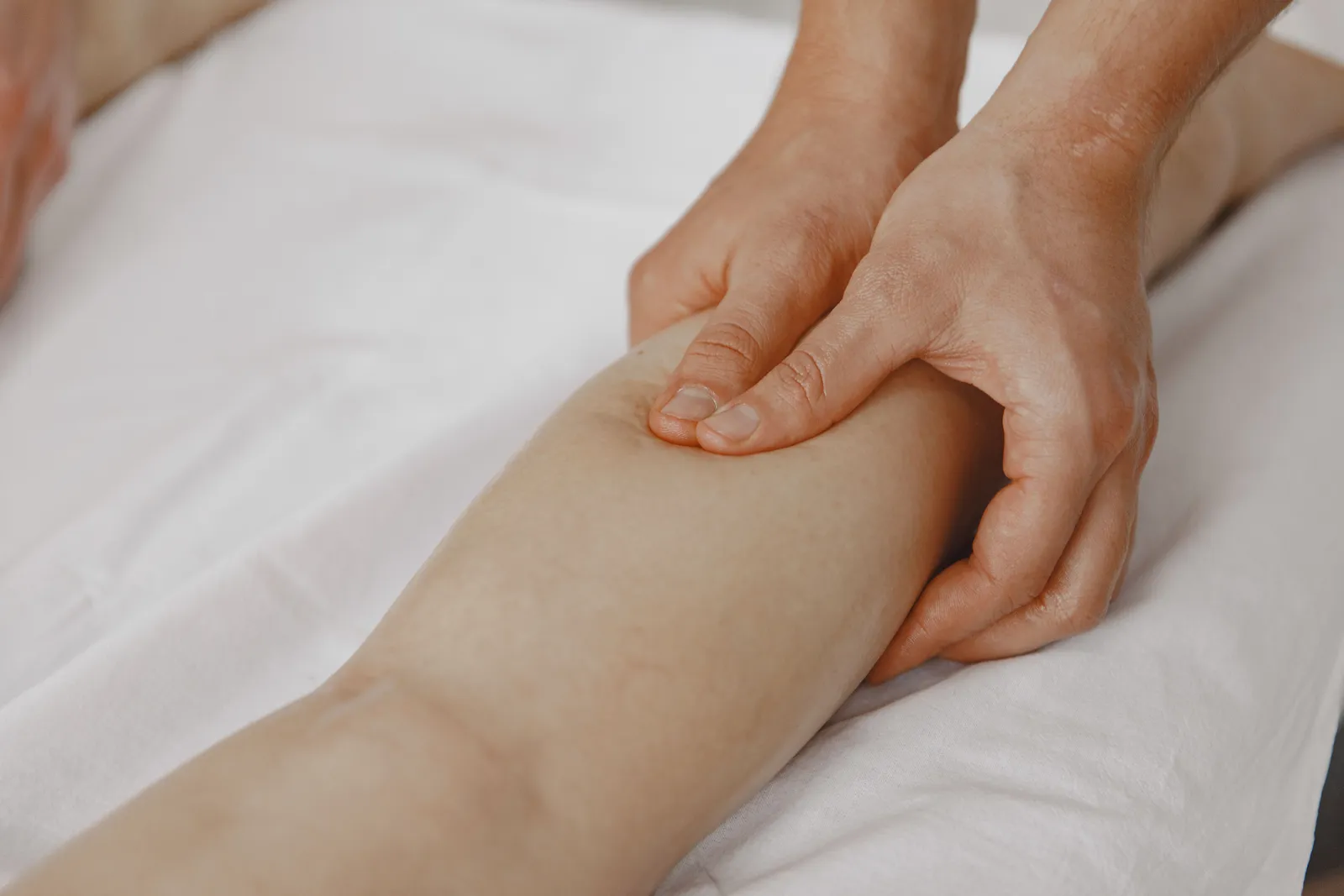
The annual incidence of DVT is estimated at roughly one in 1,000 people. The risk increases two to four fold after long-haul travel lasting more than four hours, and travel by car carries a similar risk to flights.
An ongoing WHO investigation, the WRIGHT Project, found that the risk of DVT approximately doubles after long-haul travel of more than four hours. That increased risk also applies to travel by car, bus, or train, where people face prolonged seated immobility.
The risk of DVT within four weeks of travel of at least four hours was about one in 4,600 trips. That sounds reassuring in isolation, but the number shifts considerably when personal risk factors stack up.
Symptoms That Separate DVT From a Muscle Cramp

DVT symptoms can include leg swelling, leg pain or cramping that often starts in the calf, a change in skin color, and a feeling of warmth on the affected leg. These signs are often confused with general soreness after sitting too long.
DVT-related pain often starts as a dull, aching discomfort that gradually intensifies. It is commonly felt in the calf, behind the knee, or thigh. Unlike typical muscle soreness, DVT pain does not improve with rest and may worsen with standing or walking.
DVT-related swelling usually affects just one leg and appears suddenly. This one-sided symptom strongly suggests a blood clot rather than other conditions. A sore muscle from sitting will typically affect both legs more symmetrically and ease up fairly quickly once you move around.
The Silent Threat: When DVT Has No Symptoms at All

In fact, roughly four out of five DVTs produce no outward signs at all, only pain. That statistic catches many people off guard. The assumption is that a serious clot would announce itself clearly, but that’s frequently not how it works.
Half of all people with DVT don’t notice any symptoms. This makes DVT especially dangerous because you might only find the clot after it breaks loose and moves to the lungs, causing a pulmonary embolism.
It is often hard for a doctor to confirm a diagnosis of DVT from symptoms alone, since pain and swelling in the calf can be caused by other reasons such as muscle strain or infection. Clinical testing is usually necessary to know for certain.
When DVT Becomes a Pulmonary Embolism
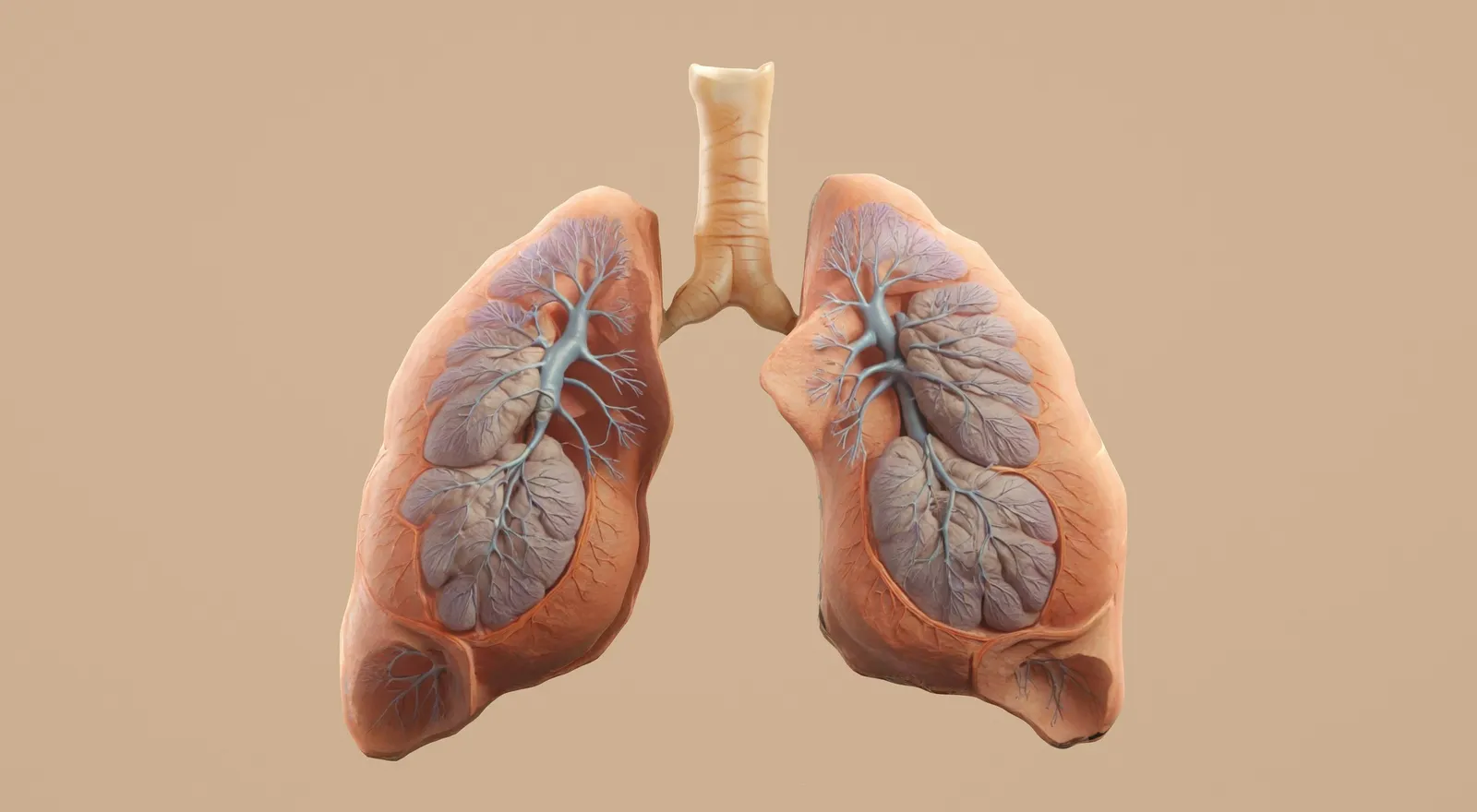
DVT can be a very serious condition. Blood clots in the veins can break loose, travel through the bloodstream and get stuck in the lungs. This is called a pulmonary embolism.
The warning signs and symptoms of a pulmonary embolism include sudden shortness of breath, chest pain or discomfort that worsens when breathing deeply or coughing, lightheadedness or dizziness, fainting, rapid pulse, rapid breathing, and coughing up blood.
Often the signs start to surface well in advance of a blood clot lodging in the lungs, and may begin with pain and swelling in the legs from DVT. Catching DVT early is the clearest way to prevent a pulmonary embolism from occurring.
Who Is Most at Risk During a Long Drive

DVT is more likely to happen if you are over 60, are overweight, smoke, have had DVT before, take the combined oral contraceptive pill, have cancer or heart failure, are pregnant, or have recently given birth.
Women on oral contraceptives face dramatically greater DVT risk on long-haul travel, with an absolute risk estimated at around one in 259 trips for that group. That’s a stark contrast to the general population risk of about one in 4,600.
Other factors that change how concerning post-travel calf pain is include recent surgery, pregnancy, hormonal birth control, obesity, smoking, and travel lasting more than four hours. The more of these apply, the more seriously any calf pain should be taken.
Other Reasons Your Calf Might Hurt After Driving

Less urgent causes of post-travel calf pain include dehydration, cramped seating, muscle strain, electrolyte imbalance, and existing vein or circulation problems. These are far more common than DVT and usually resolve on their own with movement and hydration.
Reduced blood flow and lack of movement cause muscle fibers to tighten. Dehydration and low electrolytes such as potassium and magnesium increase cramp risk. Sitting with legs bent or tucked can also shorten calf muscles, leading to stiffness.
The difficulty is that these benign causes and DVT can feel very similar in the early stages. The location of the pain, whether it’s only in one leg, and whether it fades with gentle movement are useful clues, but they’re not definitive on their own.
How Doctors Diagnose and Treat a Clot
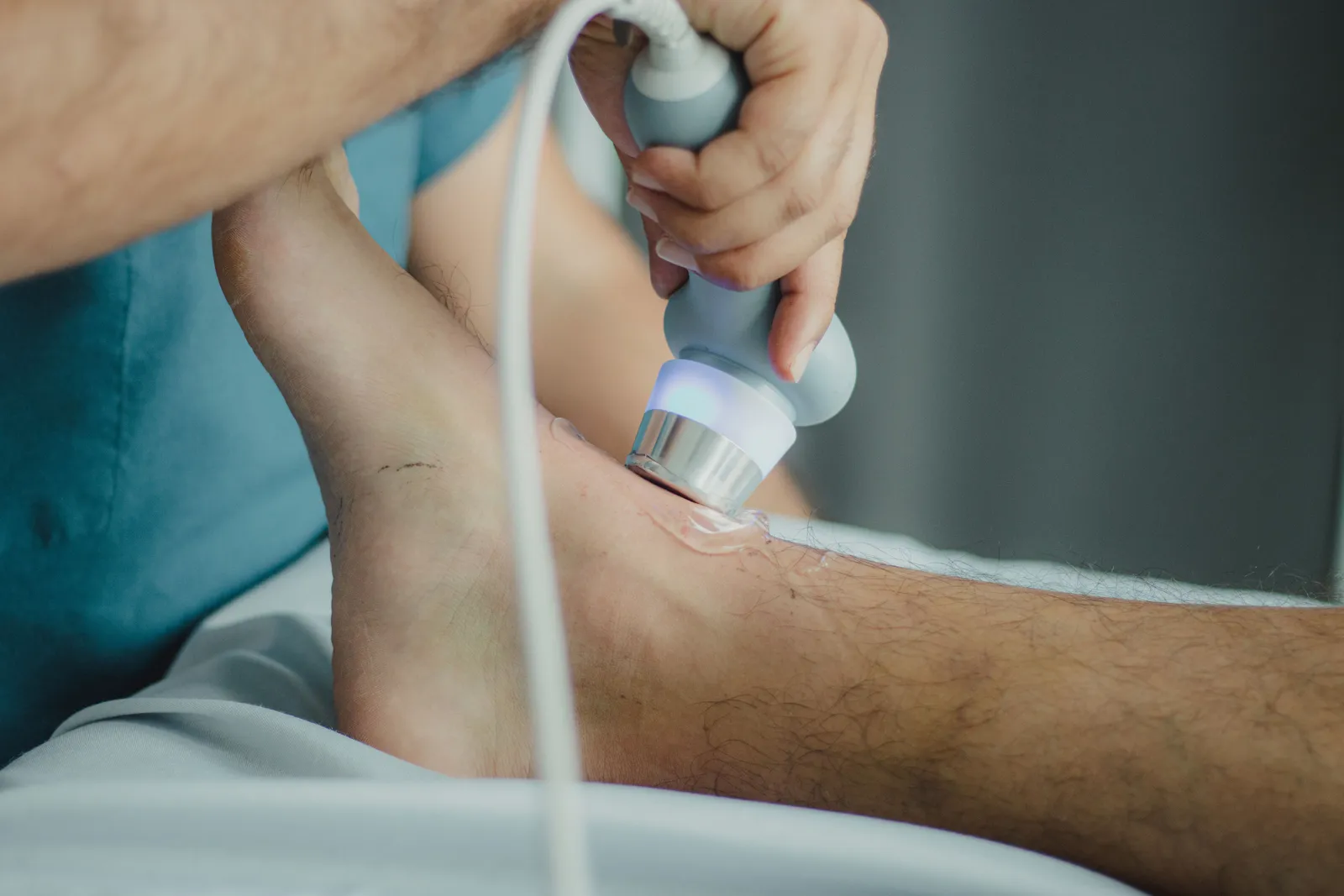
It is often hard for a doctor to be sure of a diagnosis of DVT from symptoms alone. If DVT is suspected, tests are normally advised urgently to confirm the diagnosis. Doctors may arrange for an ultrasound scan of the veins to determine whether a clot is present.
DVT treatment aims to keep the clot from getting bigger or breaking off, and to lessen the risk of another blood clot. Treatment typically includes medications, compression stockings, and elevating the affected leg at different times throughout the day.
After a DVT, some people have ongoing problems with the leg such as pain, swelling, and a rash. This is known as post-thrombotic syndrome. It underscores why early treatment matters, not just for the immediate clot, but for long-term vein health.
What You Can Do Before, During, and After a Long Drive
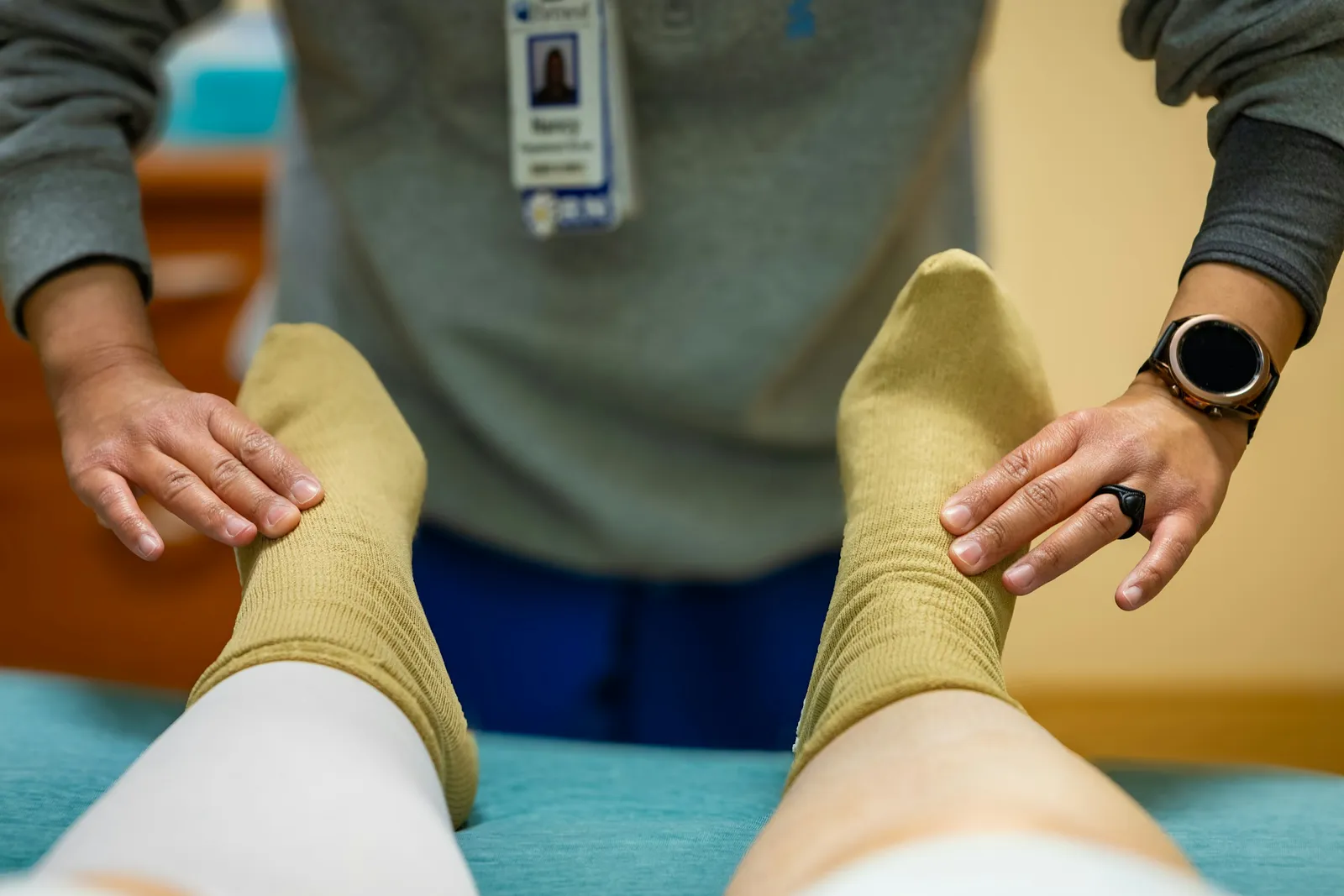
If you’re traveling for three hours or more by car, there are practical steps you can take during the journey to reduce your risk of DVT. These include wearing loose, comfortable clothes, walking around whenever possible, wearing fitted compression stockings, and doing calf exercises at least every half hour.
You can reduce your risk by avoiding prolonged periods of immobility, getting up and walking around during long trips, and performing calf exercises when sitting. Even flexing and extending the ankles while seated keeps the calf muscle pump working.
Compression stockings have been shown to reduce DVT risk by a significant margin according to a Cochrane review of multiple trials, but the benefit depends on wearing the correct grade and size. For anyone in a higher-risk category, it’s worth discussing compression options with a doctor before a long journey.
Final Thoughts

Calf pain after a road trip is rarely an emergency. Most of the time, it’s the body’s straightforward response to hours of stillness, and a short walk or some water is all it takes to feel better. Still, the cases where it isn’t benign are serious enough that the distinction is worth knowing.
The key warning signs to watch for are pain that’s confined to one leg, doesn’t ease up with movement, and comes with swelling, warmth, or skin discoloration. Any of those, especially combined with personal risk factors, call for prompt medical attention rather than a wait-and-see approach.
Awareness is ultimately the most practical tool here. Knowing what DVT looks like, who it targets, and how easily it can be prevented during travel is the kind of information that costs nothing to carry but could matter enormously at the right moment.
AI Disclaimer: This article was created with the assistance of AI tools and reviewed by a human editor.