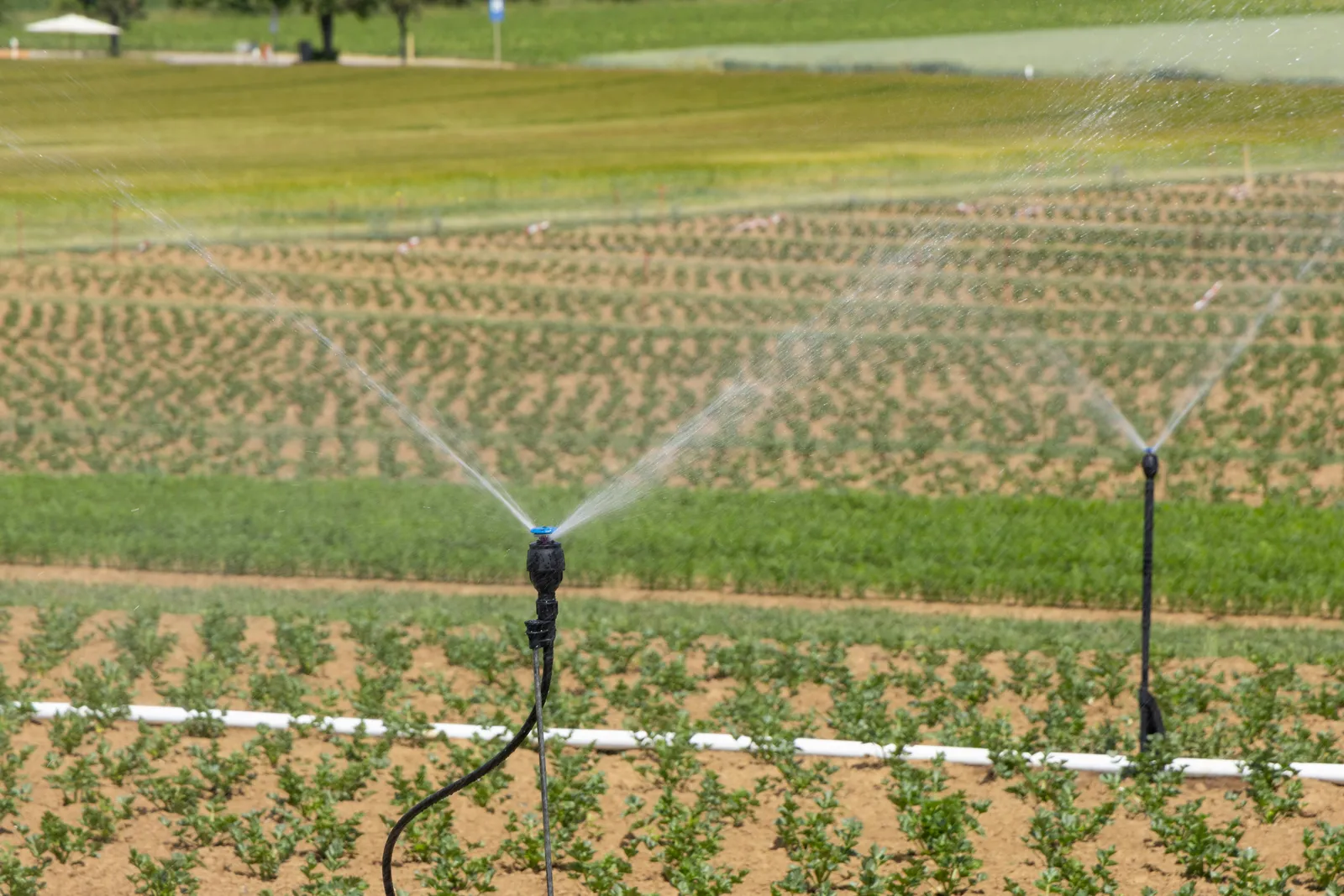

Gardeners facing the transition from mild spring days to temperatures climbing into the 80s are adjusting their watering routines to prepare plants for the prolonged heat ahead. The most distinctive element in this shift involves sinking a perforated 5-gallon bucket into garden beds, allowing water to reach root zones at greater depths without constant surface applications. This approach, paired with less frequent but thorough soakings, encourages roots to extend downward rather than remain vulnerable near the surface.
The Practical Shift From Frequent Light Watering
Earlier in the season, daily or near-daily surface sprinkling supports seed sprouting and keeps young transplants from drying out. As daytime warmth increases, that pattern changes to deeper applications roughly twice a week. The goal is to moisten soil six inches or more below the surface so roots follow the moisture downward, building resilience against the intense sun and dry conditions that follow.
Plants that develop shallow root systems struggle once surface temperatures rise sharply. Deeper roots, by contrast, tap into more stable moisture reserves and support steadier growth even during extended dry spells. The change also reduces overall water use because less evaporates from the top layer of soil.
Applying the Method to Tomatoes and Fruit Trees
For tomato plants, a buried bucket placed between specimens delivers water steadily to feeder roots. The container is filled, and the water seeps out through holes in the bottom, reaching approximately nine inches deep. A similar basin or berm extends at least to the drip line of apricot trees and other fruit trees, ensuring water reaches the outer roots that absorb most nutrients.
These basins are filled multiple times during each session. Over the course of the season the soil in the berms gradually settles, requiring occasional reshaping to maintain the outer edges. The bucket itself holds its form, providing a consistent delivery point that works even when surface conditions become extremely hot.
Establishing New Transplants With Targeted Basins
After moving seedlings or small plants into their final positions, a five- to six-inch raised ring of soil is formed around each one. Water is added several times until it penetrates well below the root ball. This process repeats twice a week for the first two weeks, after which the roots are typically established enough for the plant to grow vigorously on its own.
The same principle applies to germinating seeds in beds or flats. Frequent light watering continues only until the second set of true leaves appears. Once that stage is reached, the schedule moves to deeper, less frequent irrigation to promote downward root growth from the start.
Timing Waterings and Caring for Lawns
Overhead watering, when used to clean foliage, must finish early enough in the day for leaves to dry completely before evening. Warm, moist conditions overnight favor fungal and bacterial problems, so the timing protects plant health. The buried bucket method further reduces the need for overhead applications by directing moisture straight to the roots.
Lawns follow a similar adjustment. Instead of frequent light sprinklings, irrigation occurs once a week or every ten days. Grass signals its need when it begins to wilt and shifts from bright to dull green. Water is applied until the soil is moistened six to twelve inches deep, then the surface is allowed to dry between sessions. This pattern limits disease development that occurs when blades and soil stay constantly damp.
Long-Term Advantages for Garden Resilience
The combination of deeper watering and the buried bucket delivers water and, when amended with a small amount of compost or manure, a mild nutrient solution directly to active root zones. Roots that chase moisture downward remain productive through the hottest weeks, while surface roots that stay shallow often suffer. The result is stronger overall plant performance with reduced time and water spent on irrigation.
Gardeners who adopt the pattern early in the warming season give their beds and borders a measurable head start. The technique works across a range of plants, from roses and alstroemeria to epiphyllums and brugmansia, provided the soil is prepared to accept the deeper moisture. By the time peak summer arrives, the root systems are already positioned to sustain growth rather than merely endure the heat.
AI Disclaimer: This article was created with the assistance of AI tools and reviewed by a human editor.