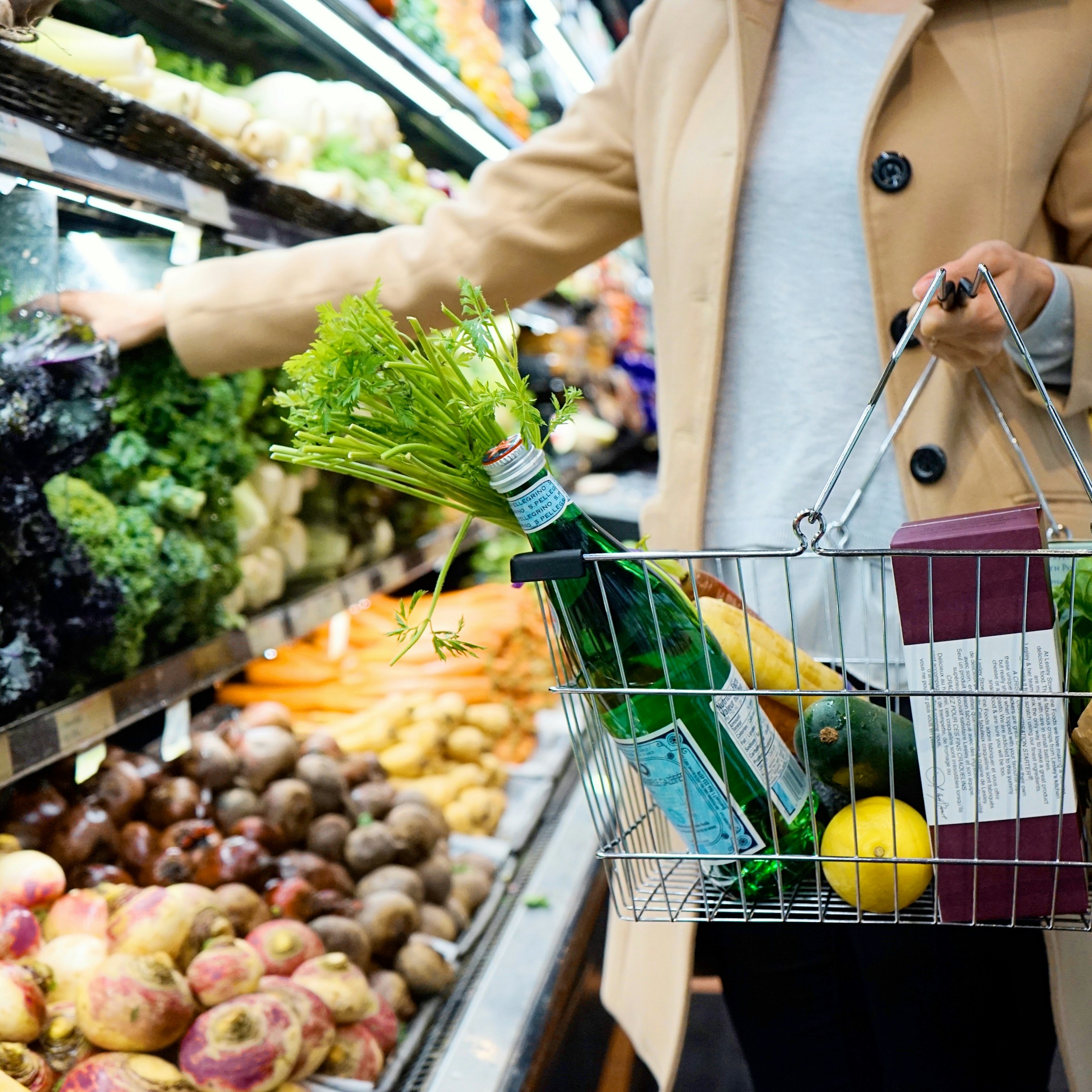

There’s a certain satisfaction to rolling out of a warehouse store with a cart stacked high, feeling like you’ve just outsmarted the grocery system. The math seems obvious: buy more, pay less per unit, repeat. Millions of Americans have embraced this logic, and warehouse clubs have built entire empires around it.
The trouble is that the savings on paper don’t always survive contact with real life. What looks like a shrewd financial move in the checkout line can quietly unravel in your pantry, fridge, and storage closet over the weeks that follow. Here’s where the bulk-buying model actually breaks down.
Most Bulk Buyers Admit They Throw Things Away
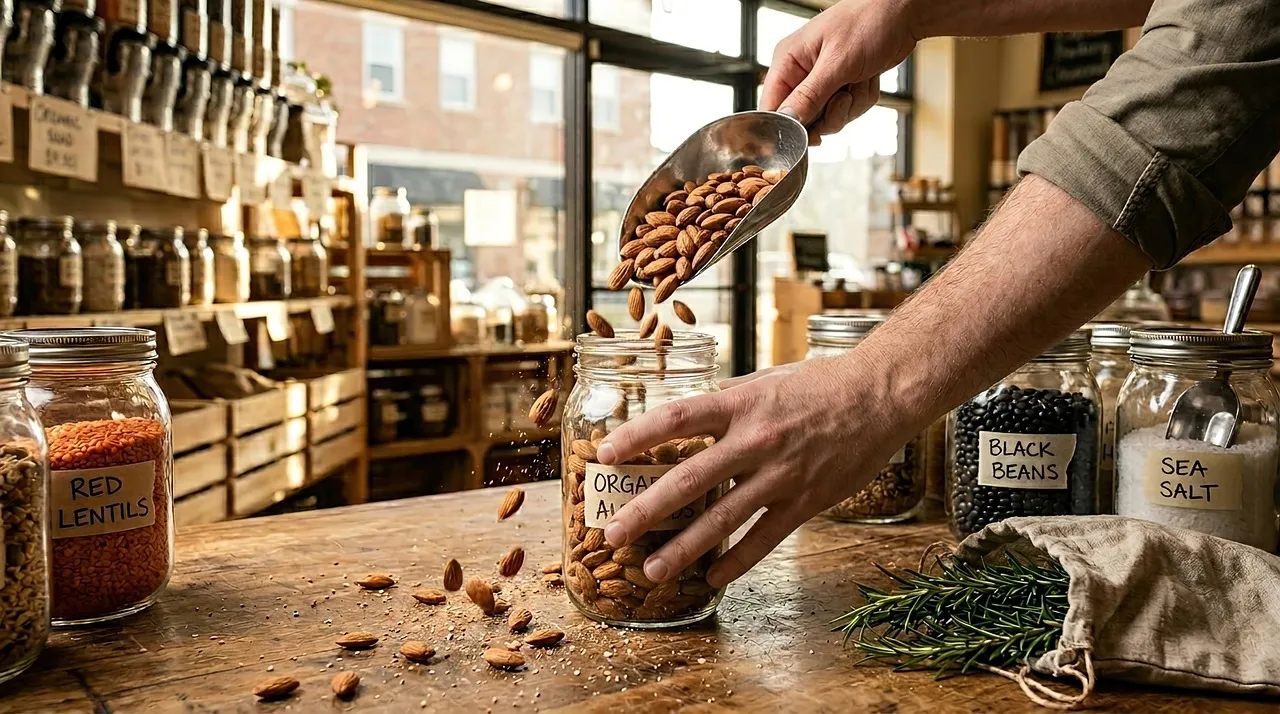
The numbers here are more revealing than most shoppers want to admit. Just about one in four bulk shoppers say they never waste food or products, while nearly four in ten admit they often or occasionally throw away bulk purchases. That figure climbs significantly for younger buyers. The waste rate rises to roughly half among Gen Zers ages 18 to 28 and parents with children younger than 18.
The core problem is that buying in bulk feels like a financial decision, but it’s actually a prediction about your future behavior. Human psychology has shown that people are genuinely bad at making predictions about the future, and that directly affects our ability to know what we’re going to want to eat a few days or weeks from now. That mismatch between what we plan to eat and what we actually eat is where the money disappears.
The Average American Is Already Losing Hundreds to Food Waste
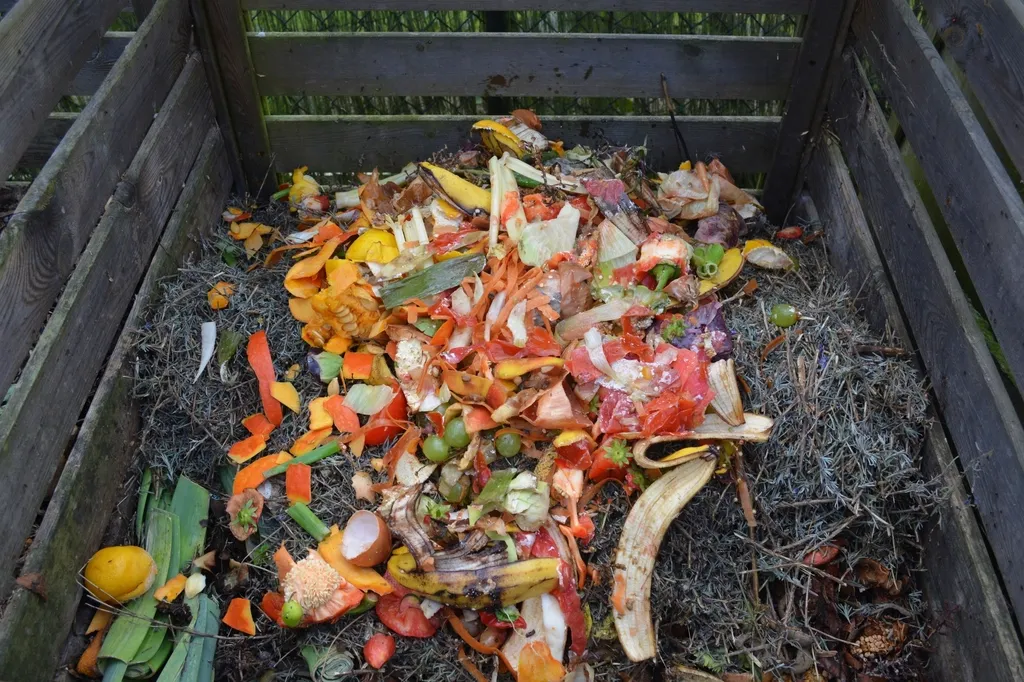
In 2024, the average American spent over $760 on food that went uneaten. That’s a substantial figure, and it doesn’t include restaurant waste. Including uneaten groceries and restaurant plate waste, consumer food waste accounts for almost half of all surplus food in the U.S., at a cost of $259 billion.
Bulk buying doesn’t cause all of that waste, but it reliably contributes to it. People buy a lot of food because price is really salient at the grocery store and the effort involved in shopping feels significant, so they want to reduce both. What they almost completely neglect is the cost associated with throwing food away. That neglected cost adds up faster than most households realize.
The Unit Price Is Not the Same as the Real Cost

One of the quietest traps in bulk shopping is treating the unit price as the final word on value. Cost per unit is not the same as actual cost, and the gap between the two is where most bulk buying goes wrong. A bulk pack of salad greens priced attractively per gram only delivers that value if every leaf gets eaten.
A bulk pack at half the price per gram is a saving only if all of it is consumed. If half the pack goes unusable before it’s used, the effective cost per unit eaten is identical to or higher than the smaller pack. It’s useful to compare the unit price, not just the advertised total. A larger package is not automatically the best deal, and a sale sign does not always mean the lowest price per serving.
Membership Fees Quietly Eat Into Any Savings
Warehouse clubs are built around the premise that paying to shop will motivate you to shop more, and that the volume will justify the fee. Costco’s standard membership runs $65 per year, with an executive tier at $130. BJ’s charges between $60 and $120, and Sam’s Club advertises fees of $50 to $110. These costs are fixed regardless of how much you actually save.
Households that buy only a few categories at a warehouse club, or that visit infrequently, often find that the membership cost erases the per-unit savings. There’s also a psychological pressure built into the fee itself. The membership fee pressures members to overspend in order to rationalize the whole idea. One spending-savings expert who tracked his own household’s warehouse spending over six months found that nearly one fifth of the bulk food he bought spoiled, and that switching back to a regular grocery store reduced net spending by fifteen percent, even though individual items cost more.
Buying More Tends to Make You Use More

There’s a behavioral pattern that researchers call the abundance effect, and it plays out constantly in households that stock up regularly. If you have something in abundance, it’s all too easy to be less conscious of how much you’re using. Knowing you have a dozen rolls of paper towels stashed away can lead you to use them up more quickly because you know you have backup waiting.
Studies suggest that having more leads to consuming roughly a quarter more than you otherwise would, a phenomenon driven partly by the sunk cost fallacy of feeling obligated to use items just because you bought them in bulk. Food is particularly vulnerable to this pattern. You cook larger portions, serve more generously, and feel less careful about waste precisely because the supply seems plentiful. The savings shrink accordingly.
Quantity-Focused Shoppers Carry More Debt Over Time
A study conducted by the University of Colorado-Boulder and published in the Journal of Consumer Research concluded that shoppers who opt for quantity over quality are more likely to spend more and pile up more debt over time than those who choose quality. This held true even for everyday, low-cost items, not just big-ticket purchases.
Researchers found that shoppers who tended to buy larger quantities of items took longer to pay off their debt. Their bills also tended to add up because they purchased things more frequently than those who focused on higher-quality items. Specifically, about one in four shoppers who tend to pick quantity over quality saw an increase in credit card debt over a one-year period. Bulk buying, when it becomes a general shopping philosophy rather than a targeted strategy, can slowly reshape your financial picture in ways that are hard to trace.
Perishable Items Are Where Bulk Buying Most Often Fails
The single mistake that turns a bulk purchase from a saving into a waste is buying more than you will use before the product deteriorates, expires, or loses whatever quality made it worth buying in the first place. This is particularly true with fresh produce, dairy, and prepared foods, where the gap between purchase date and expiry is narrow.
With food, how long it will keep matters as much as the discount. Pantry items and foods that freeze well are typically safer choices for stocking up than perishables. If you cannot store it, use it, or freeze it, bulk buying may not actually be saving you money at all. It is just wasting money slower. That’s a distinction worth holding onto the next time a warehouse store displays a five-pound container of fresh berries at an appealing price.
Non-Food Bulk Items Come With Their Own Hidden Risks
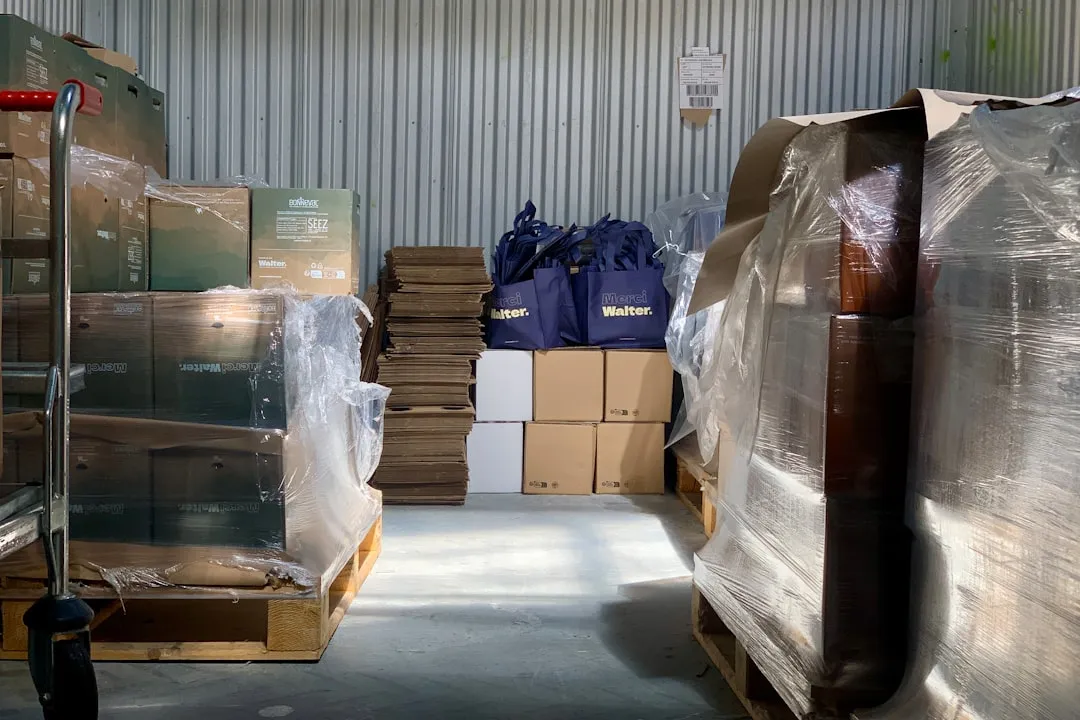
Cleaning supplies, toiletries, and personal care products are often cited as the “safe” bulk buys, since they don’t spoil in the traditional sense. That’s largely true, but the picture isn’t quite as simple. Bulk buying non-food items becomes less sensible when a household switches products before finishing a bulk supply, when a product changes formulation, or when buying a large quantity prevents a future switch to a cheaper alternative. Bulk buying any consumable locks in a brand and formulation decision for weeks or months.
Even pet food carries real spoilage risk. A study analyzing purchasing patterns from 50,000 subscribers found that roughly one in three consumers who buy kibble in bulk end up discarding a portion due to spoilage or their dog’s changing dietary needs. The lesson applies broadly: even “shelf-stable” bulk items carry costs that shoppers don’t account for upfront.
Warehouse Store Layouts Are Engineered to Make You Spend More

The warehouse shopping experience is not neutral. The scale of everything, the sample stations, the rotating seasonal products and the absence of regular grocery-style signage are all deliberate design choices. The urge to impulse spend in bulk stores can be expensive, since you might not save as much money as you think you are.
Studies from the University of Minnesota found that hungry shoppers at a mall spent significantly more money than those who were less hungry, suggesting that hunger amplifies the tendency to overbuy. Impulse purchases while buying in bulk can be expensive mistakes, so eating a snack or meal before you shop can help. Going in with a firm list, and treating that list as non-negotiable, is the single most effective defense against the environment that warehouse stores are specifically built to create.
The Right Approach Is Selective, Not Wholesale
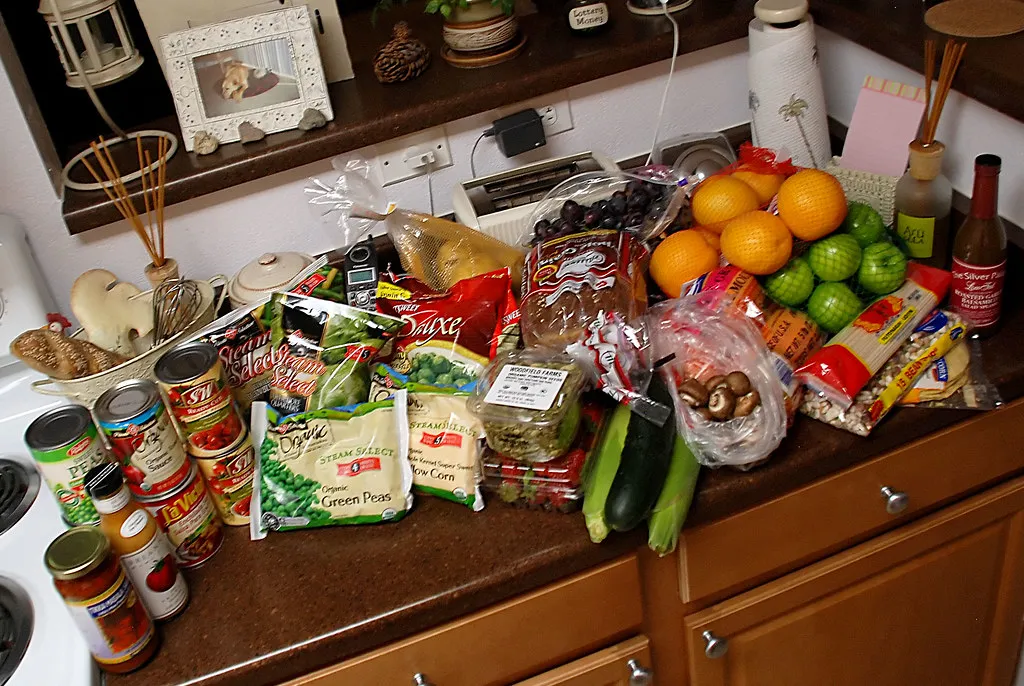
As prices remain high, more consumers are trying to be intentional about groceries and home essentials instead of treating every discount as a good one. Planning purchases more carefully can help families save cash and reduce waste by preventing food and products from expiring before they are used.
Purchasing items in bulk can seem like a great way to save money, but buying large quantities doesn’t always work out well, especially if you’re not buying for a large household. Before purchasing anything in bulk, it pays to keep track of how much of it your household actually consumes and how long it takes to consume it. Before buying extra, consider whether the product is already part of your routine, whether you know its usual price, and whether the markdown is substantial enough to matter. Bulk buying can be a genuinely useful tool, but only when it’s applied selectively rather than treated as a default mode of shopping.
The Takeaway
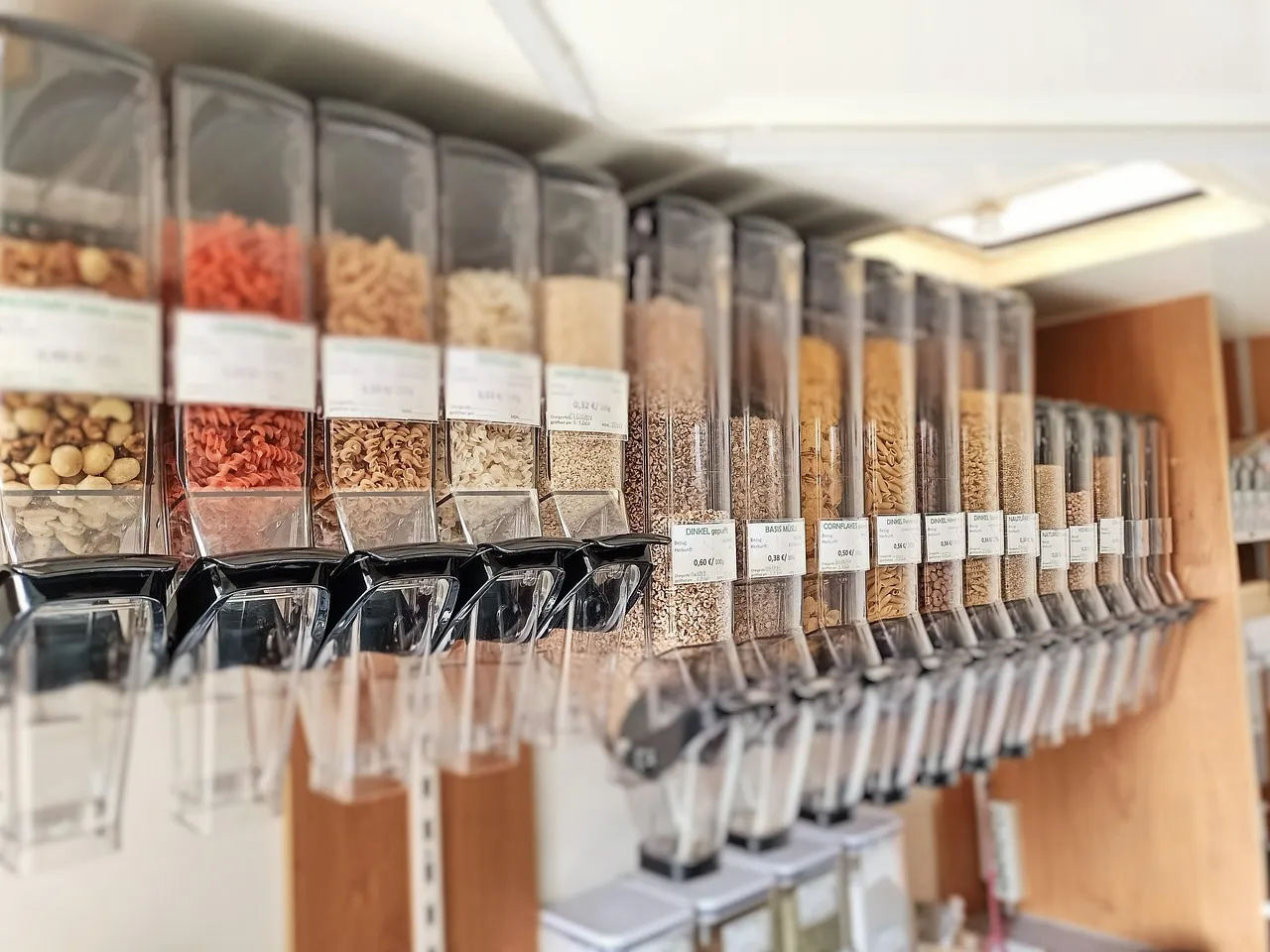
The promise of bulk buying is real, but it’s conditional. Across analyzed products, bulk buyers could theoretically save an average of about one quarter compared to buying in lower quantities. The operative word is “theoretically.” That saving only materializes if the product is fully used, properly stored, and genuinely needed in the quantities purchased.
From 2023 to 2024, households finally began reducing food waste by about five percent, with most reporting simple behavior changes like checking what they have before shopping, freezing more food, and more careful meal planning. Rising food prices pushed many households to treat food more carefully. That shift in mindset, buying with intention rather than buying in volume, is the actual savings strategy. The size of the package is almost beside the point.
AI Disclaimer: This article was created with the assistance of AI tools and reviewed by a human editor.