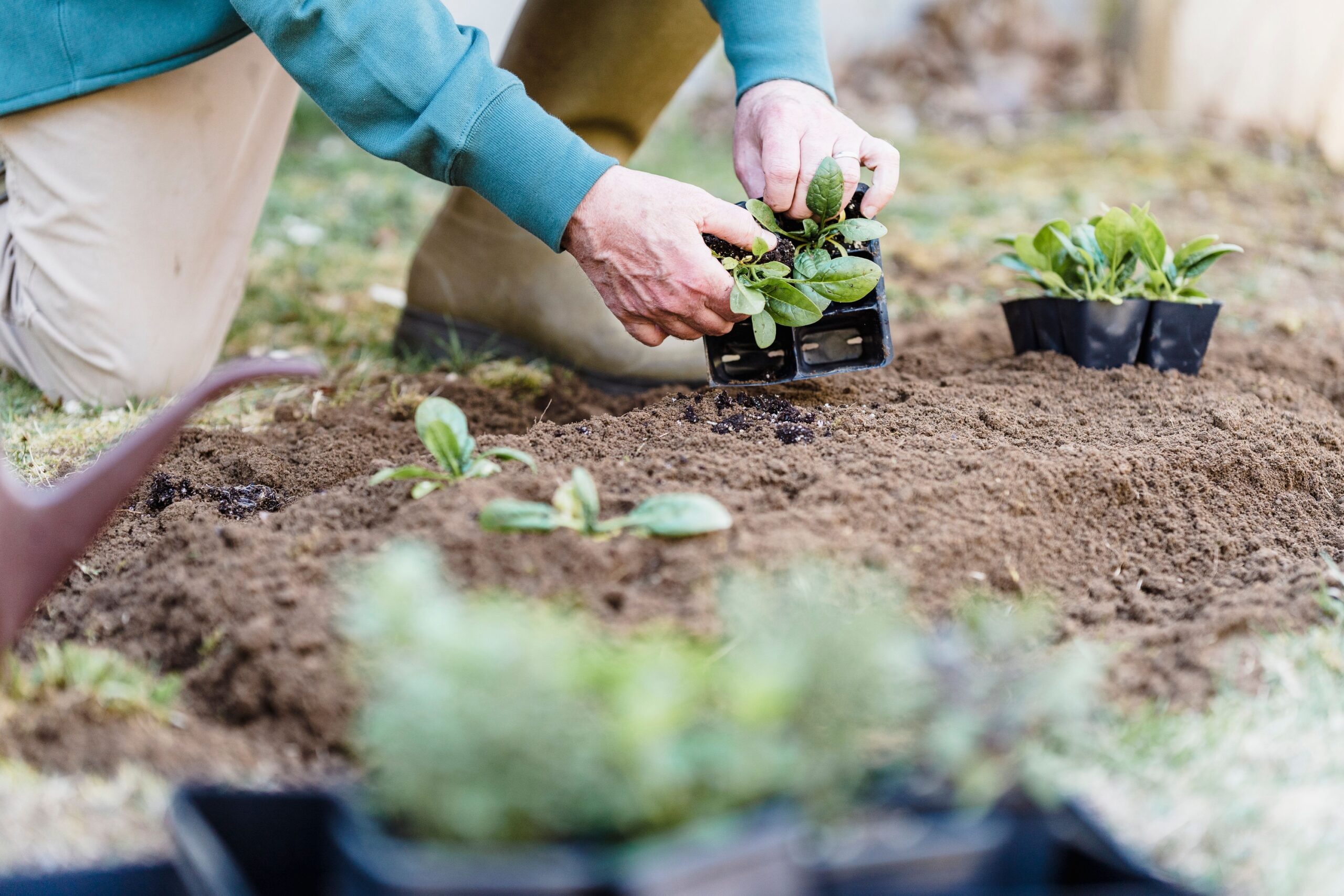

Most gardening advice makes it sound like a hard rule: miss the fall planting window, miss the bloom. For a lot of gardeners, that leads to a drawer full of forgotten bulbs and a vague sense of failure come spring. The good news is that the rule is far more flexible than the rulebooks suggest.
The biology of bulbs is actually quite forgiving. These compact packages of stored energy are built to wait, and many of them will push through even when given a late start in the ground. The key is knowing which bulbs offer the most tolerance, and what to realistically expect when you do plant them behind schedule.
Daffodils: The Most Resilient Late Starters
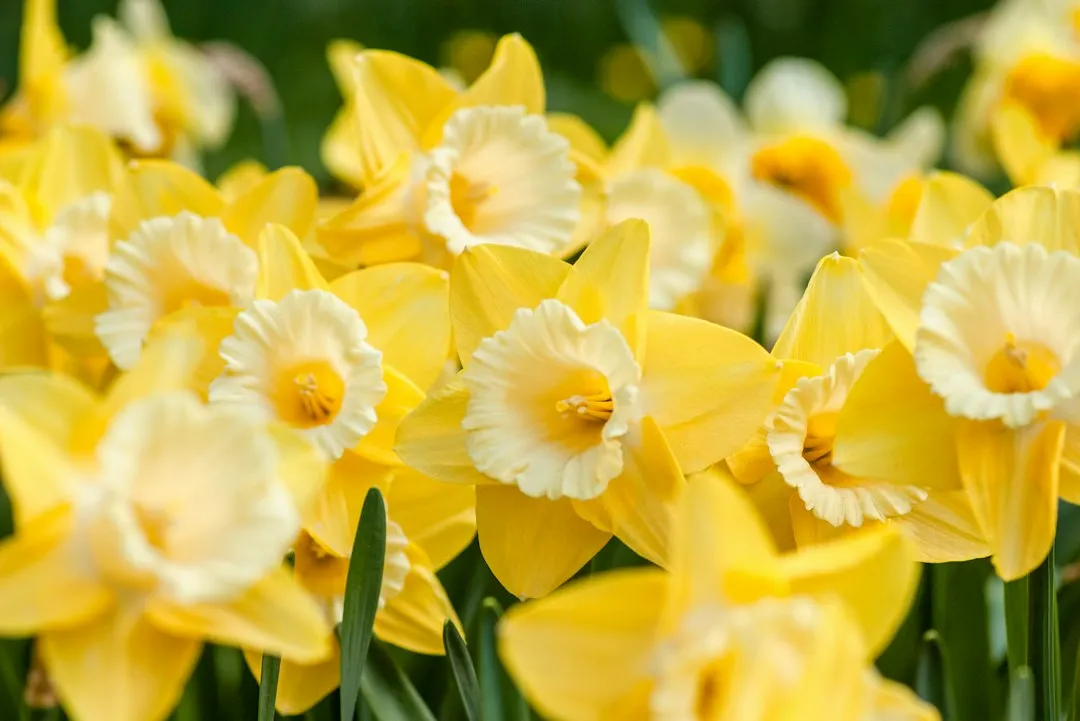
Daffodils are among the hardiest of all spring-blooming bulbs, designed by nature to survive cold temperatures and extended waiting periods. This built-in resilience makes them one of the best choices when you’ve missed the ideal autumn window. According to a reader survey by Gardens Illustrated, nearly four in ten gardeners had planted daffodil bulbs as late as January and still had them flower in spring, while roughly three in ten had pushed planting into December with positive results.
Most daffodils will still bloom even if planted late, as long as they get roughly twelve to fifteen weeks of cold temperatures while in the ground. The blooms might appear a bit later in the season than usual and may be slightly smaller, but they will still provide a lovely display. By the second year, they will be fully established and bloom on their normal schedule.
Tulips: Why Late Planting Can Actually Help
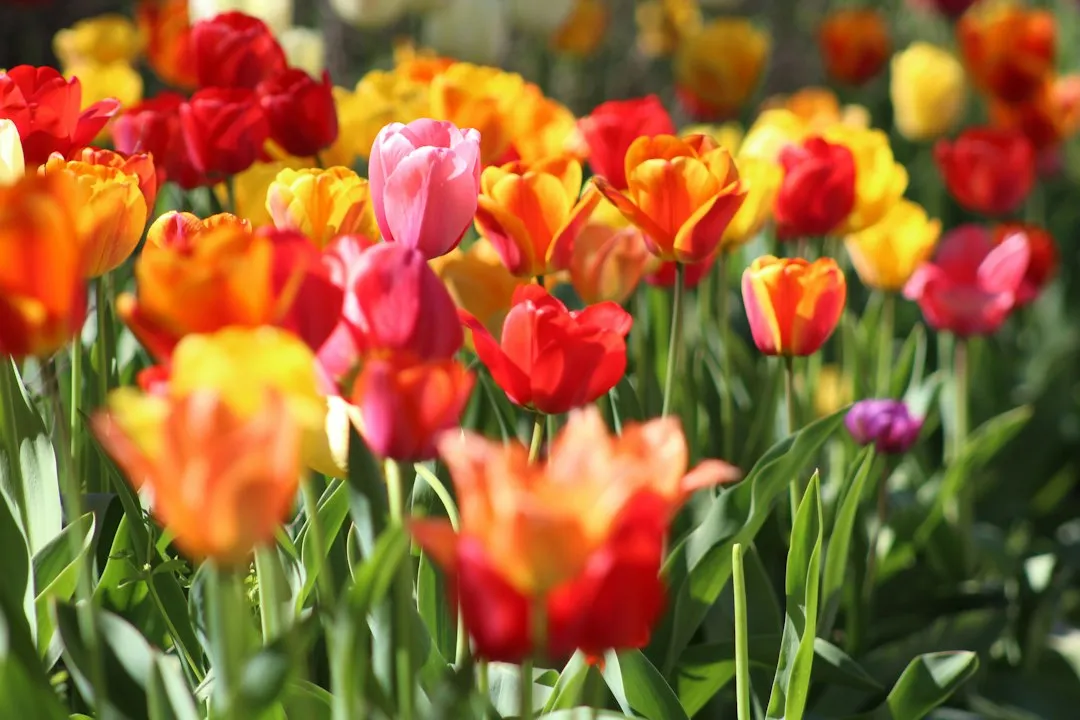
One interesting fact about tulips is that they actually benefit from being planted later than other spring bulbs like daffodils or crocuses. Tulips are susceptible to a fungal disease called Tulip Fire, which thrives in warm, damp autumn soil. Waiting until the soil cools naturally works in your favor, not against it.
When it comes to planting tulip bulbs, roughly a third of gardeners surveyed had planted them in January and still had successful spring displays. On Instagram, nearly one in five respondents had pushed planting all the way to February and still reported flowers. When you plant in December or January, the bulbs are still receiving that essential cold exposure while in the ground. Even if they only accumulate eight or ten weeks of chill instead of fourteen, they will usually still bloom.
Hyacinths: Slow to Start, Steady to Bloom
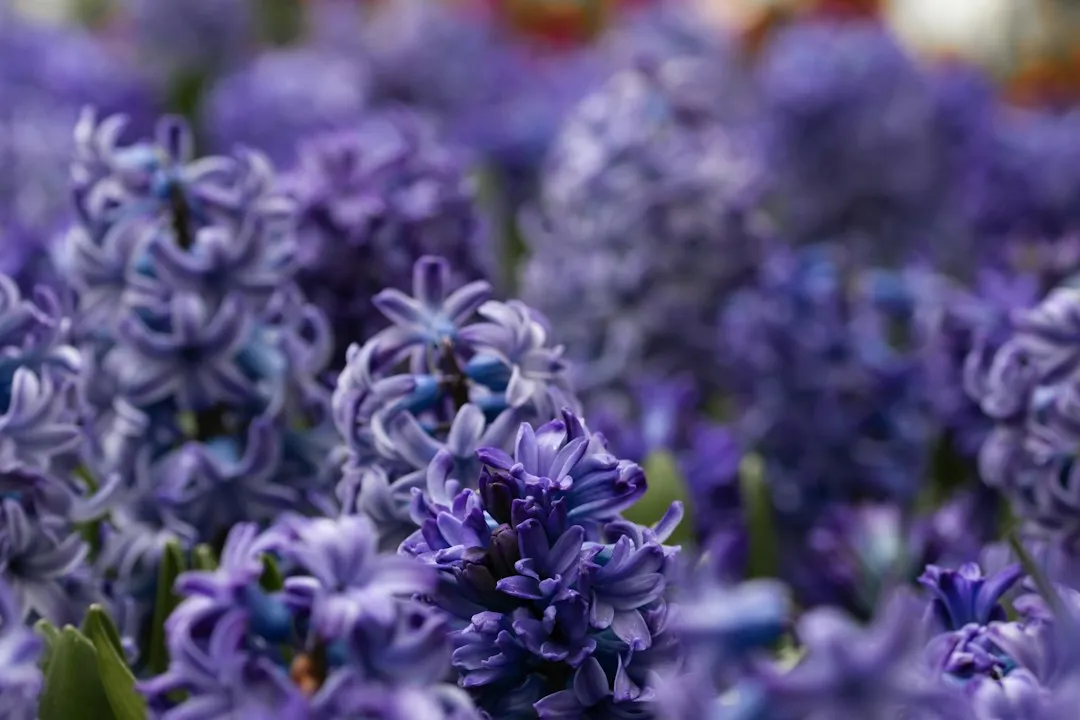
Hyacinths are one of the easiest spring-blooming bulbs to grow. For outdoor planting, the bulbs should go into well-drained soil in a sunny location in late fall. When planted a little later than ideal, they tend to be forgiving, though the display in the first season may be more compact than usual.
Hyacinths planted outdoors and left in the ground after they bloom will come back and multiply, making more bulbs and flowers in your garden in subsequent years. This is worth remembering if your late-planted hyacinths produce a modest first-year show. The payoff tends to arrive in year two, once the bulbs have had time to anchor properly.
Alliums: Surprisingly Tolerant of a Delayed Start
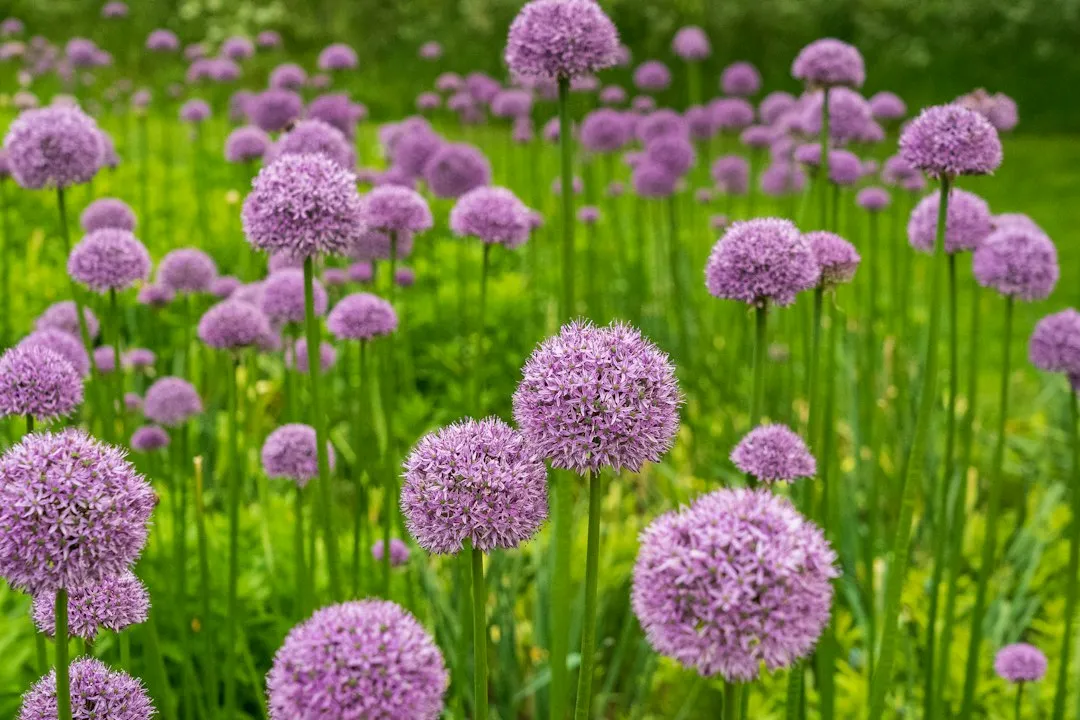
Allium bulbs are best planted in October, but if necessary you can plant them later. Late planting may result in slightly shorter bloom times, but as long as the bulbs have time to establish their roots before the ground freezes, your display will still be lovely.
Alliums bloom in late spring to early summer, kicking in just as tulips, hyacinths, and earlier bloomers are winding down. That naturally later flowering window gives alliums a small buffer when planted behind schedule. After alliums finish blooming, letting the leaves die back naturally allows the bulbs to store energy for the following season. They are hardy perennials, and once planted in the right environment, they will bloom beautifully each spring and return for many seasons.
Crocus: The Small Bulb With a Big Chill Requirement
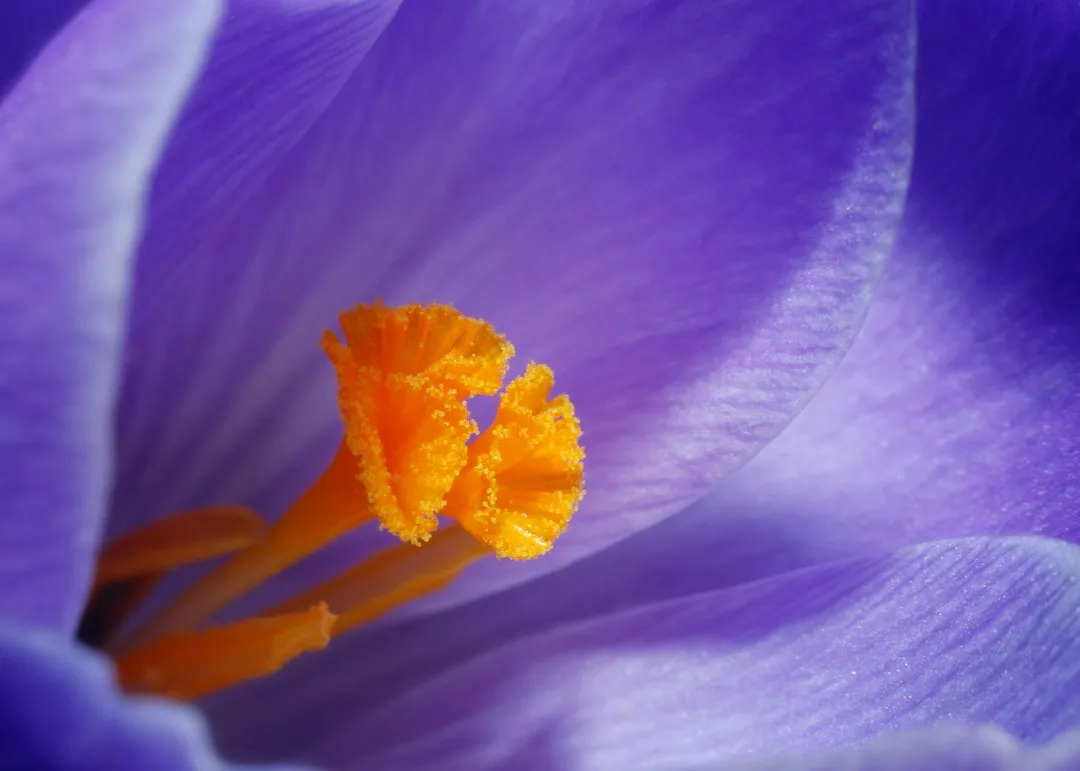
Crocus bloom early, from late winter to early spring, bringing color after a long, bleak winter, in a range of bright shades including purple, lavender, blue, orange, yellow, and cream. Their compact size makes them easy to plant quickly in large numbers, even late in the season.
Spring-planted crocus bulbs may not bloom immediately but can thrive with proper timing and care. Crocus bulbs need cool soil to root properly, and if you plant too late in spring, warm soil can prevent root establishment and lead to poor growth. If your crocus bulbs don’t bloom the first spring, don’t give up. With proper care, they will likely bloom the following year as if they were planted in fall.
The Chilling Requirement: What the Science Actually Says
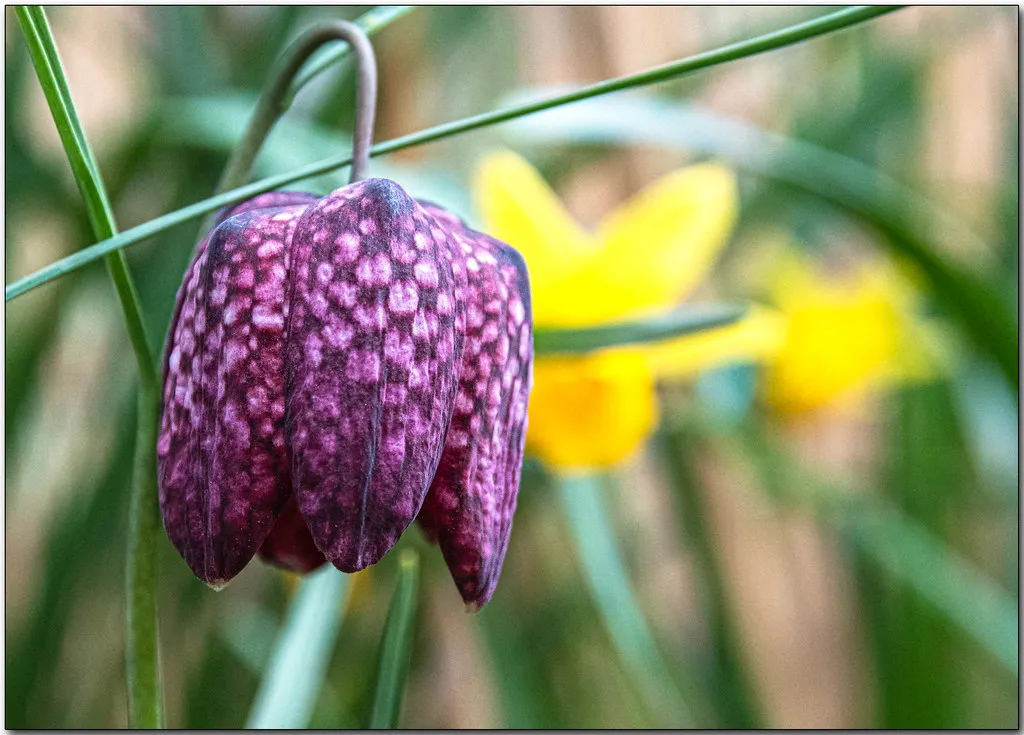
Most spring bulbs need roughly twelve to sixteen weeks of temperatures consistently below 45°F to develop a healthy flower bud inside the bulb. This chilling requirement is the central variable when it comes to late planting. Miss it entirely, and the bulb may leaf out without producing any flower at all.
If a tulip or daffodil bulb does not receive enough cold weather, it might still grow, a condition sometimes called “blindness.” While it can be disappointing not to see flowers the first year, those green leaves are still doing important work underground, storing energy for a full bloom the season after. It is rarely a permanent failure.
What Late-Planted Bulbs Actually Look Like in Spring
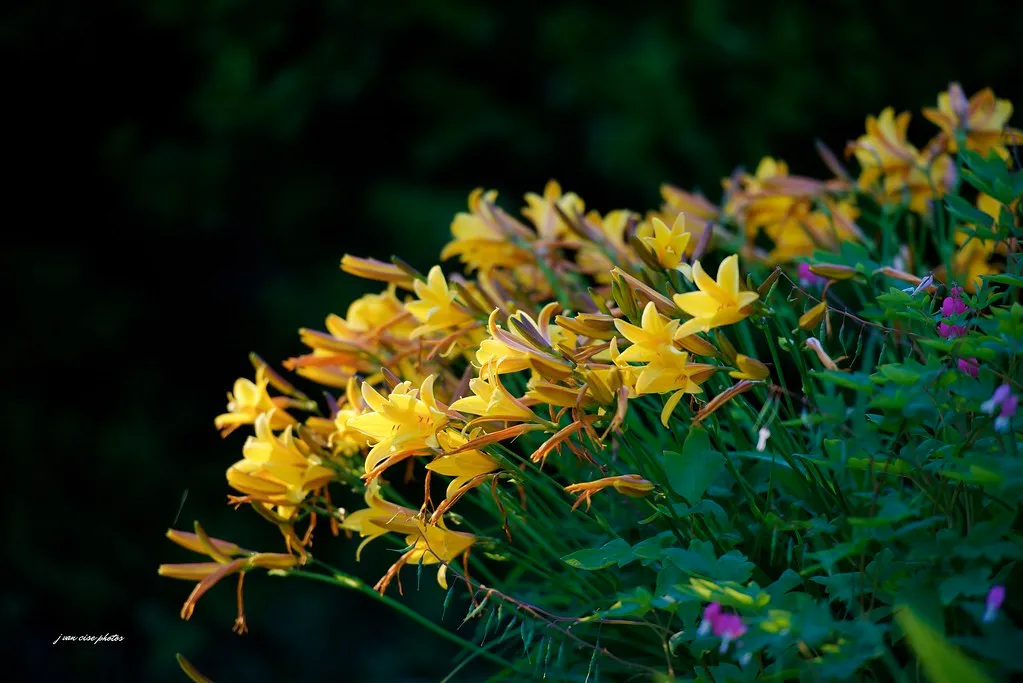
Late-planted bulbs may bloom a few weeks later than the same varieties planted in October, or they may be a bit shorter in their first year, but they will still provide that cheerful color we all look for after a long winter. Managing expectations here is part of the gardening process. A smaller bloom is still a bloom.
If you plant in February, the bulbs will likely still grow but will bloom later in the spring than those planted in the fall. You might notice shorter stems or slightly smaller flowers because the bulbs had less time to establish a root system, but they will still provide beautiful color. The second year almost always corrects these small imperfections entirely.
Forcing Bulbs Indoors When Outdoor Timing Has Passed
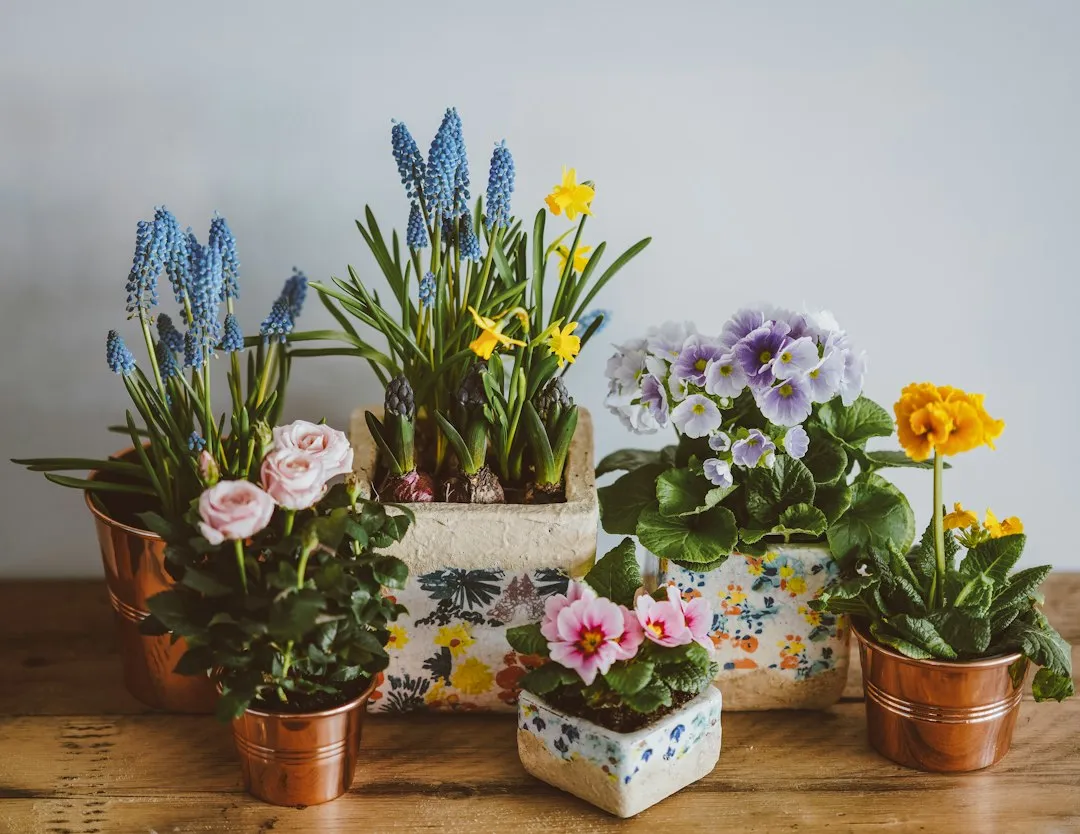
Yet another option for spring bulbs that haven’t made it into the ground in the fall is to hasten their bloom time by planting them inside as container plantings. The bulbs still need to go through a chilling period of up to thirteen weeks to initiate blooming. A refrigerator drawer works well for this, as long as you keep the bulbs away from ripening fruit.
When the ten to thirteen weeks of chilling have elapsed, bringing the potted bulbs into an area of roughly 65 to 70 degrees Fahrenheit should prompt blooms to begin forming within one to two weeks. This is a genuinely useful workaround for anyone who discovers an unopened bag of bulbs in the middle of winter and still wants to see them flower.
Soil Conditions Matter More Than You Might Think
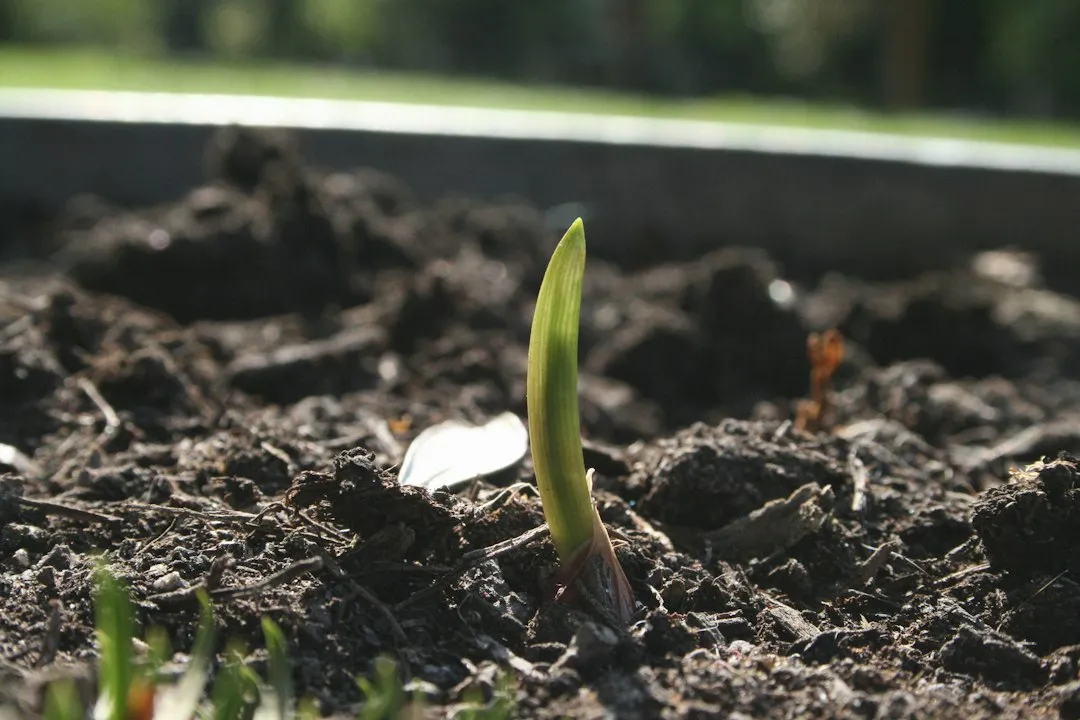
Bulbs need good drainage and full sun to part shade. Bulbs will not bloom if they receive too much shade and will rot if the soil stays too wet. These two conditions matter at any time of year, but they become especially critical when bulbs are planted late and already operating under some stress from limited rooting time.
If a bulb is planted too shallow, it exposes the bulb to above-ground temperatures. Shallow-planted bulbs may produce very small blooms or may not bloom at all. Getting the depth right is a simple step that removes one more variable from an already compressed timeline. Fortunately, most spring-blooming flower bulbs are very forgiving. As long as the soil is not frozen and not waterlogged, you can plant bulbs as late as Christmas and still have a good chance of seeing them bloom.
Late-Season Varieties Worth Seeking Out
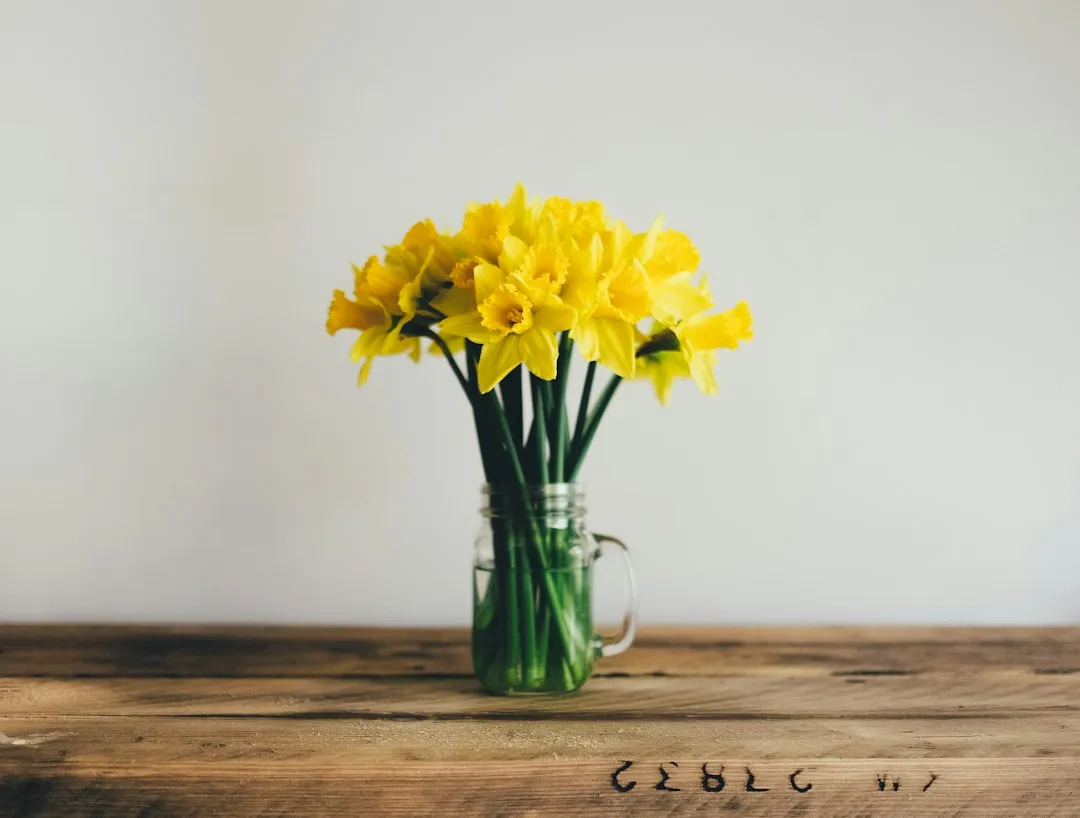
Late-season daffodil varieties like Thalia or Geranium bloom toward the end of the season. If planted a bit late in the winter, they may actually catch up and bloom almost on time because they naturally prefer the warmer days of late spring. Matching the variety to your situation is a simple move that makes a real difference.
Bulbs take little maintenance and many multiply over the years. Depending on species and cultivar, spring bulbs can bloom as early as January and as late as early summer. That spread across the season means there is usually at least one variety that suits a late planting schedule without serious compromise. The key is choosing varieties whose natural bloom time aligns with the shortened window you’re giving them.
The Takeaway
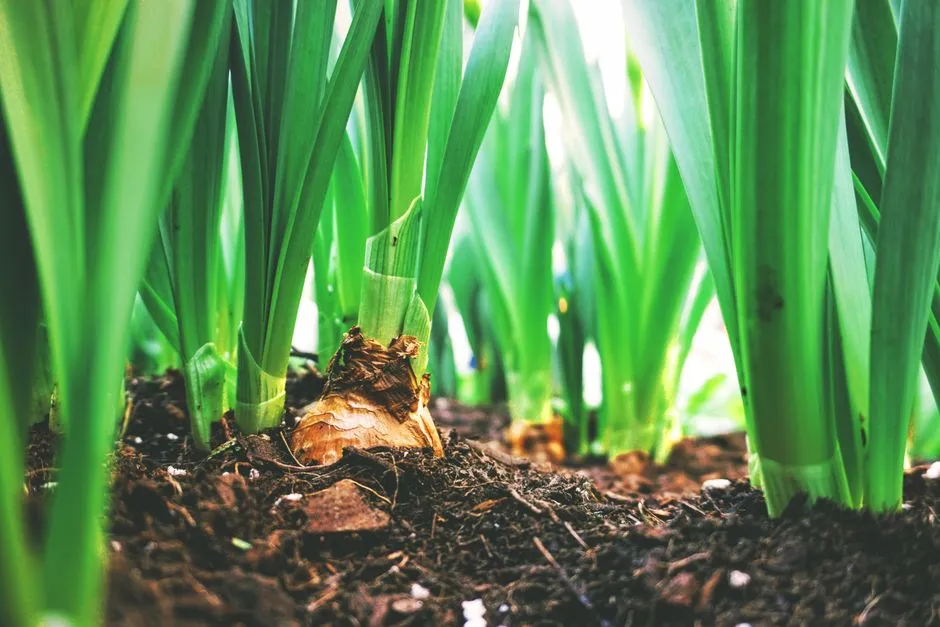
The core truth about late-planted bulbs is straightforward: a bulb in the ground almost always outperforms a bulb left in a bag. A late-planted bulb has a much higher success rate than a bulb left in a drawer. Even a diminished first-year bloom is worth more than the disappointment of discarding a perfectly viable bulb.
While late-planted bulbs may bloom a bit later or have shorter stems in their very first year, by the second or third spring, there is usually no visible difference between them and bulbs planted right on schedule. For the patient gardener, that is a genuinely encouraging fact. The ground does most of the work. You just have to get the bulbs into it.
AI Disclaimer: This article was created with the assistance of AI tools and reviewed by a human editor.