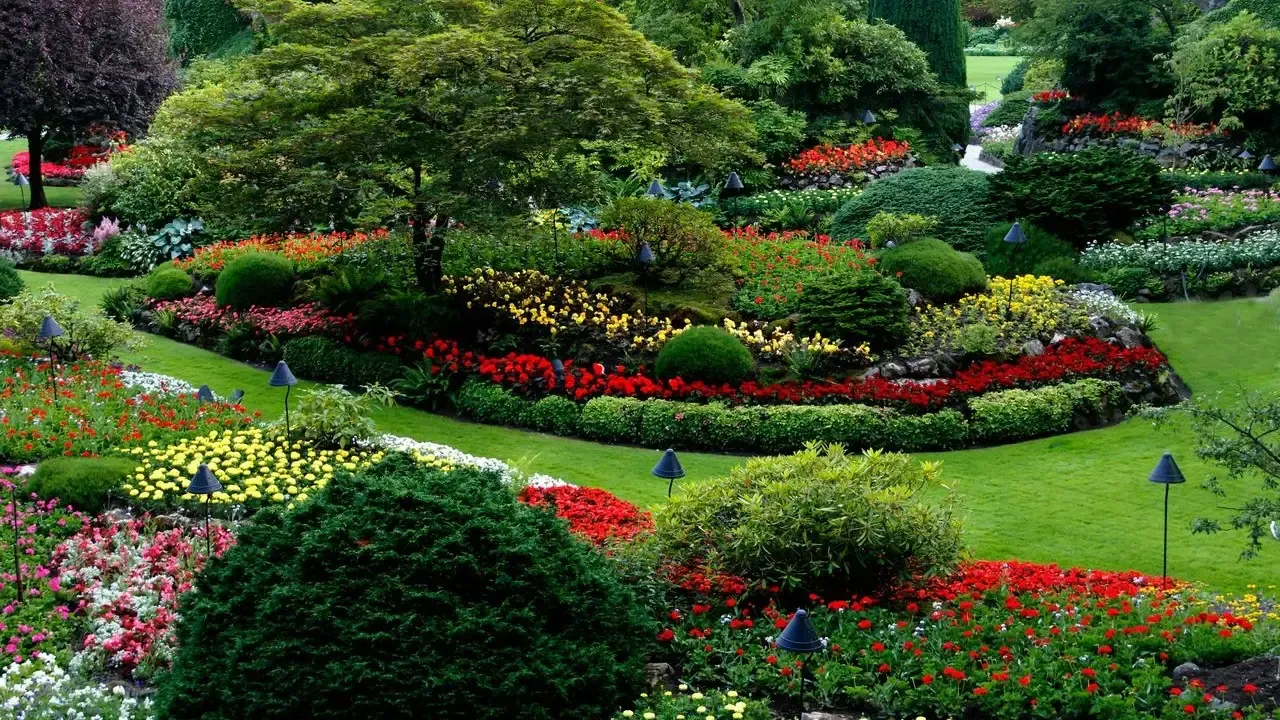

Homeowners often assume that meaningful changes to their outdoor spaces require major spending on new plants, paving, or professional crews. In reality, a focused approach centered on one accessible material and technique can deliver visible results across an entire property. The method relies on creativity and basic effort rather than large purchases, allowing gradual improvement that fits most household budgets. ([1])
Why a Single Low-Cost Material Delivers Outsize Impact
Mulch stands out as the element that can unify and refresh a yard quickly. It suppresses weeds, retains soil moisture, and creates a finished appearance that makes even simple plantings look intentional. When applied consistently, the same material ties together beds, paths, and tree rings without the need for new hardscaping or extensive replanting. The visual shift happens almost immediately after spreading. Bare soil or weedy patches disappear under a uniform layer, while existing shrubs and perennials gain definition. Over time the mulch breaks down and improves soil structure, reducing the need for future amendments. This combination of immediate appearance and longer-term soil benefit explains why the approach remains popular among cost-conscious gardeners.
How to Obtain Materials Without Large Purchases
Many communities offer free or low-cost sources for organic mulch. Local arborists and tree services frequently deliver wood chips at no charge or for a small delivery fee, especially when they would otherwise pay to dispose of the material. Checking with municipal composting programs or nearby farms can uncover additional options such as leaf mold or aged wood chips. Homeowners can also generate their own supply through routine yard maintenance. Saving grass clippings, shredded leaves, and pruned branches provides a steady stream once processed through a chipper or mower. These on-site materials avoid transportation costs and ensure the mulch matches the property’s existing plants and soil conditions.
Practical Steps for Application Across the Yard
Preparation begins with clearing obvious weeds and debris from the target areas. A thin layer of cardboard or newspaper laid directly on the soil creates an effective barrier that further reduces weed pressure while eventually breaking down into organic matter. Once the base is in place, spread mulch to a depth of two to four inches, keeping it a few inches away from plant stems and tree trunks to prevent rot. Focus first on high-visibility zones such as front beds and entry paths, then expand as more material becomes available. Replenishing the layer once or twice a year maintains the benefits without repeating the full initial effort.
- Clear weeds and level the soil surface before laying any barrier.
- Use cardboard or several sheets of newspaper as a weed-suppressing base.
- Apply mulch evenly, avoiding direct contact with stems and trunks.
- Water the area lightly after spreading to help the material settle.
- Monitor and top up thin spots seasonally rather than replacing everything at once.
Extending the Approach With Complementary Low-Cost Moves
Once mulch establishes the foundation, other inexpensive actions reinforce the overall improvement. Dividing overcrowded perennials and replanting the sections elsewhere expands coverage without buying new stock. Similarly, swapping cuttings or seedlings with neighbors introduces variety at minimal expense. Simple edging made from repurposed bricks, stones, or even logs collected on-site keeps mulch contained and gives beds a crisp boundary. These additions require only time and basic tools yet prevent the mulch from migrating onto lawns or paths during rain. The cumulative effect of these steps is a yard that appears thoughtfully maintained. The changes occur incrementally, allowing adjustments based on what works best in each microclimate and soil type on the property. The real advantage lies in the flexibility of the method. Homeowners can scale the project to available time and materials, returning to it as resources permit rather than committing to a single large outlay. Over successive seasons the landscape evolves into a more cohesive and resilient space.
AI Disclaimer: This article was created with the assistance of AI tools and reviewed by a human editor.