
It Is Not the Acid – It Is the Nitrogen
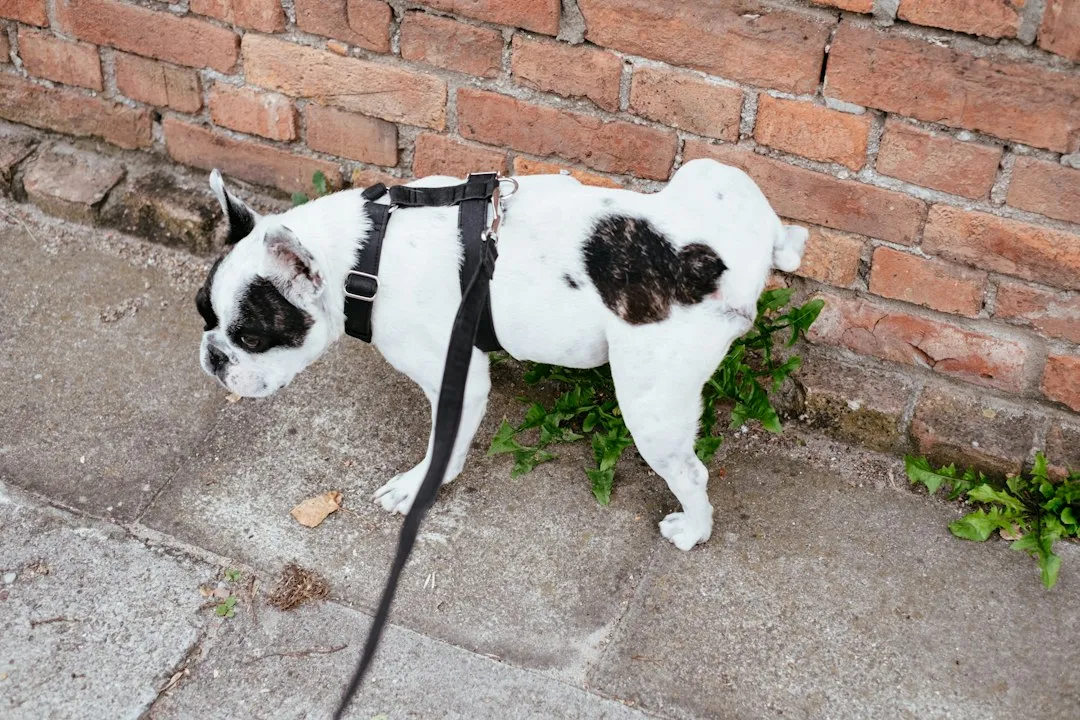
The most persistent myth around dog-damaged lawns is that urine burns grass because it’s too acidic. It’s a common misconception that “acid” in a dog’s urine is what causes the brown spots. The real culprit is the high nitrogen content of your dog’s urine. This matters more than it might seem, because a huge number of marketed “fixes” are built on the wrong premise.
Dog urine pH ranges from 6.0 to 8.0, shifting with diet and time of day. Turfgrass thrives between pH 5.5 and 7.5. The two ranges overlap almost entirely. Colorado State Extension reviewed the evidence and concluded the damage comes from nitrogen-containing compounds and associated salts, not pH.
Dog urine contains urea, a nitrogen-rich waste product generated from the breakdown of proteins. Because dogs eat a high-protein diet, they have high levels of urea in their urine. Once that concentrated dose lands in a small patch of soil, the grass doesn’t stand much of a chance.
Why the Spot Looks the Way It Does
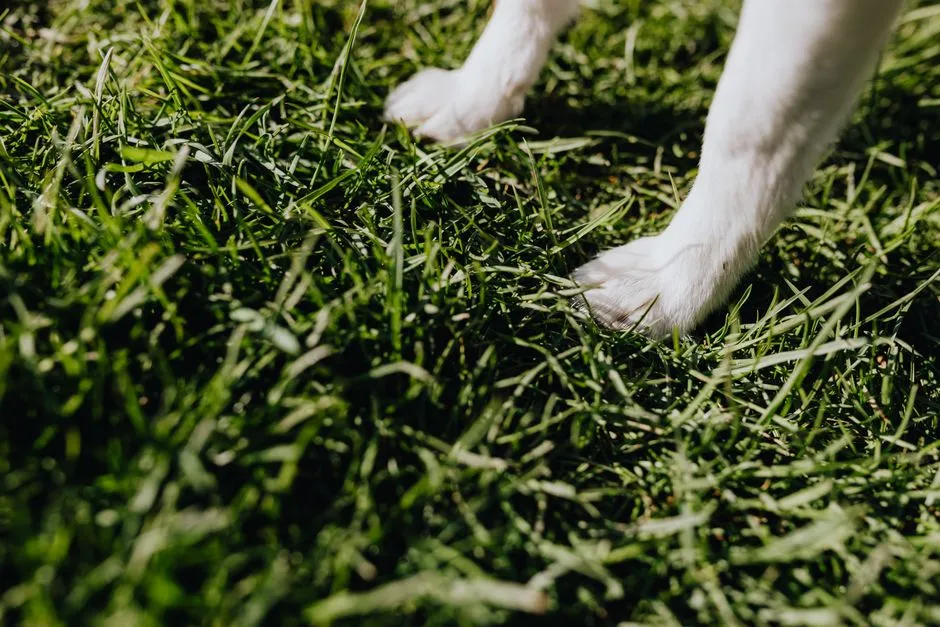
It’s relatively easy to distinguish grass killed by dog urine from damage caused by lawn fungus, pests, or other sources. In most cases, dead grass from dog urine will look like a brown spot surrounded by a dark green ring. The brown spot is where the high levels of nitrogen in the pee killed the grass. Sometimes the spot may be yellow, an indication that the grass is not yet dead.
Nitrogen is used in fertilizers. While the brown or yellow grass was hit with enough nitrogen to kill it, the dark green ring received just enough nitrogen to fertilize it, making that bit of grass greener. That ring is not a coincidence. It’s actually a visual map of nitrogen concentration moving outward from the center.
In addition to too much nitrogen, another cause of dog urine spots is the high level of salts in your dog’s urine. The salts dry out the grass, and the plant becomes so desiccated that it dies. You’ll notice yellow or brown patches of dead grass on your lawn when that happens.
Female Dogs, Male Dogs, and Who Gets the Blame
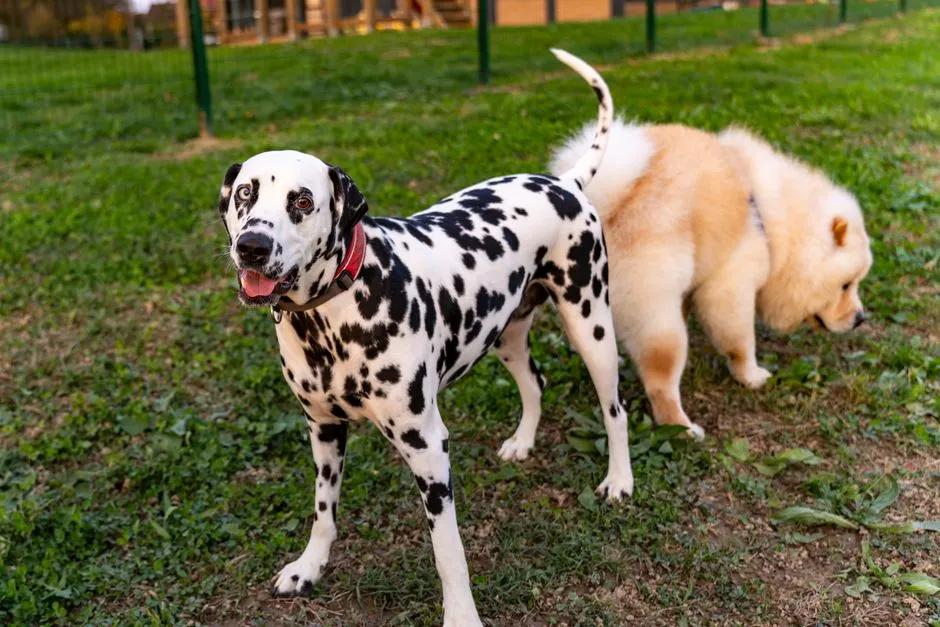
Female dogs are more likely to create the brown ring pattern on lawns, which some horticulturists call “female dog spot disease,” because their squatting produces a steady, concentrated stream. It’s a positioning issue, not a chemistry one.
Female dogs cause more spots than males, but the reason isn’t different chemistry – it’s position. Female dogs squat and deposit their entire void in one concentrated patch. Males typically mark vertical structures or distribute smaller volumes across multiple sites, reducing peak nitrogen concentration at any one point.
Another common myth is that only female dogs cause lawn damage leading to brown spots. In truth, both male and female dogs can cause brown spots. The key factor is not the gender but how the urine is distributed across the lawn. Any concentrated urine deposit, regardless of the dog’s gender, can lead to grass damage and brown spots.
Diet and Water Intake: Two Factors You Can Actually Control
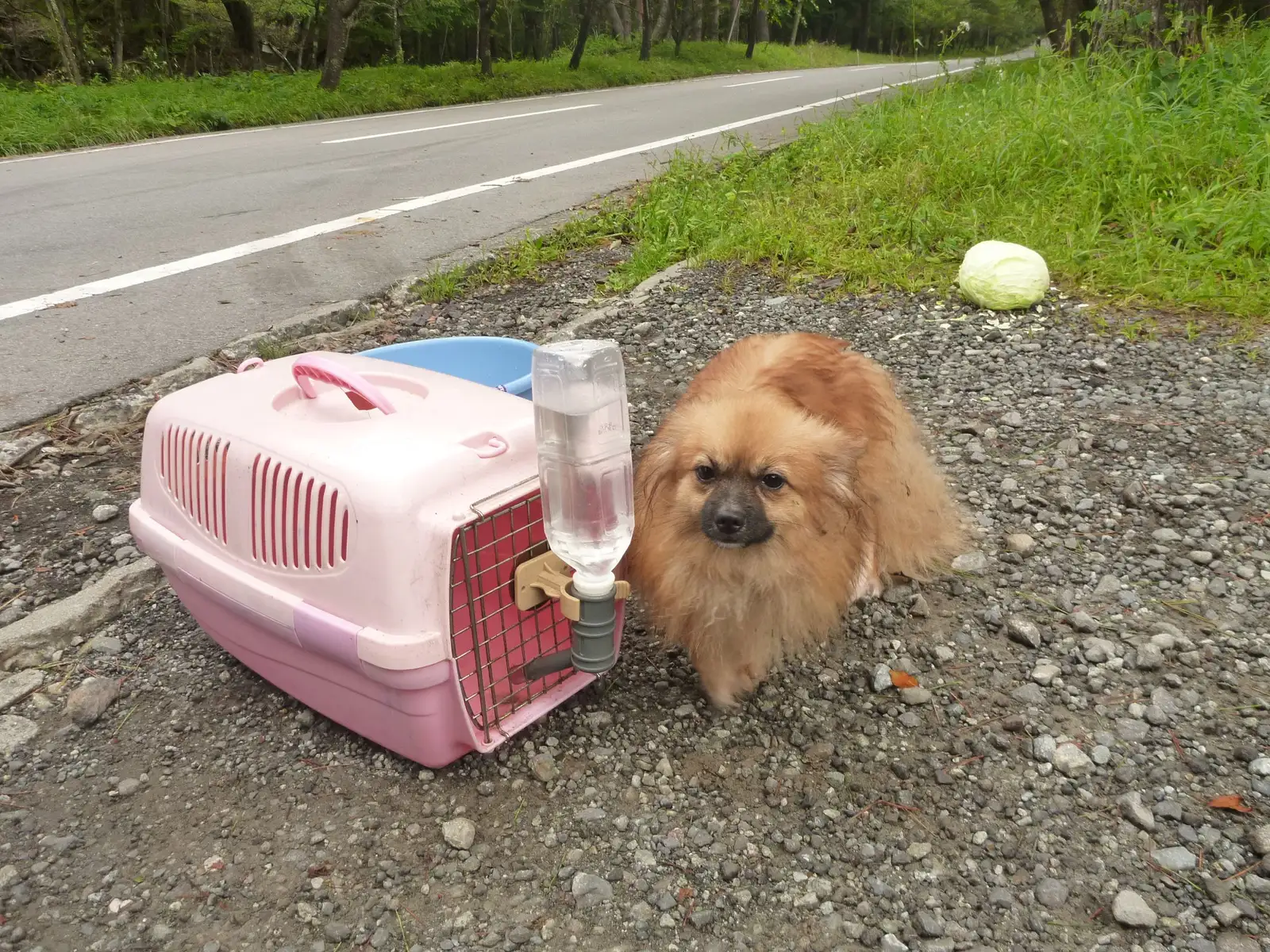
Your dog’s diet can cause their pee to have more or less nitrogen. Processed proteins create more urea and higher nitrogen content than fresh proteins. That means a dog on a diet of processed proteins is more likely to cause lawn damage.
How much water your dog drinks affects the concentration of nitrogen in their urine. The more water they drink, the more diluted the nitrogen will be when they urinate. Encouraging your pup to drink more water can help prevent lawn spots.
While it’s true that a dog’s diet influences the composition of their urine, simply altering their diet to prevent brown spots isn’t a straightforward solution. High-protein diets can increase the nitrogen content in urine, but making significant changes to your dog’s diet in hopes of protecting your lawn could inadvertently harm your pet’s health. Any dietary shifts should be discussed with a vet first.
The Fix That Actually Works: Water the Spot Immediately
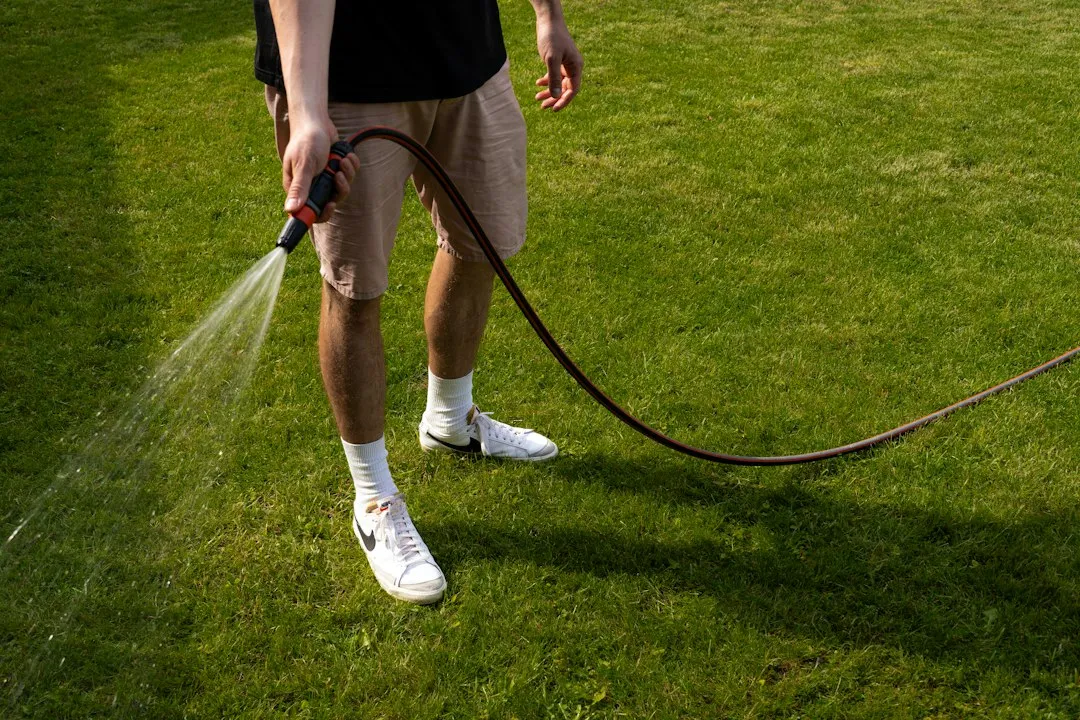
Dog urine kills grass because it’s packed with nitrogen and salts concentrated in one small spot, not because it’s acidic. That means the most effective fix is the simplest one: rinse the spot with water to dilute it.
Watering the spot after urination will accomplish the dilution with no ill effects on the dog. Water volumes three times that of the concentrated urine can result in a fertilizer effect rather than a burn effect if applied within eight hours of elimination. When dilution exceeds 12 hours, lawn burns develop. That eight-hour window is the key practical detail most people miss.
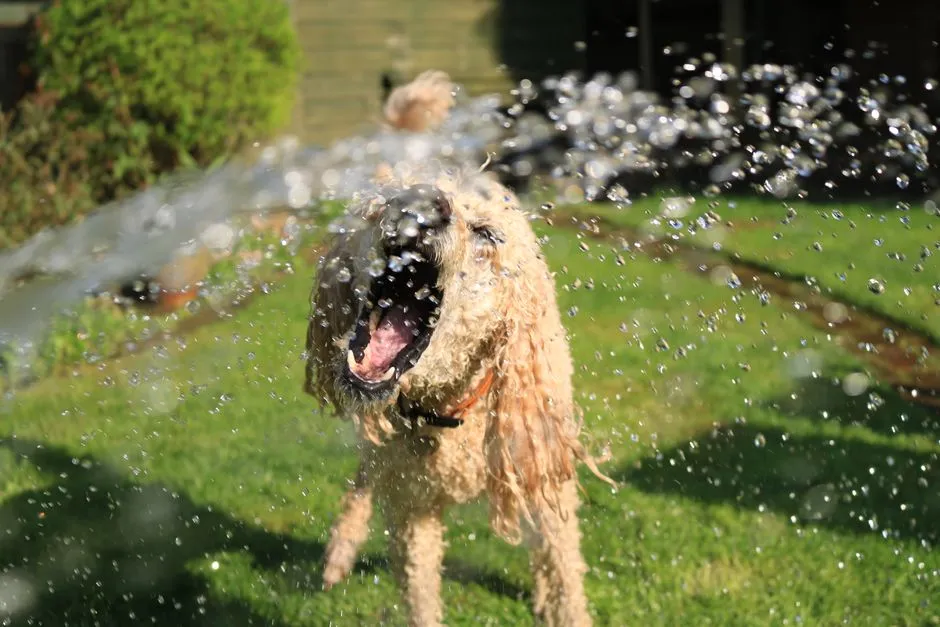
After a dog pees on the grass, use a hose or watering can to pour water over the urine spots. This must be done shortly after the dog pees, and you should drench the area to dilute the nitrogen content. It sounds almost too simple, but the research consistently backs it up.
Reseeding Dead Patches the Right Way
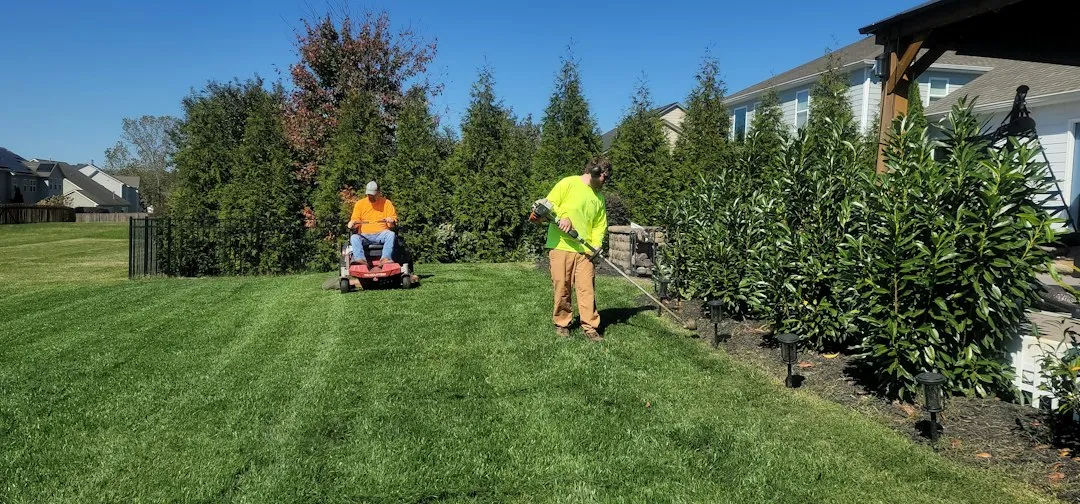
When the damage is already done, reseeding is often the most practical path forward. The timing and method both matter. If the damage is severe, consider reseeding or resodding the affected areas to promote new grass growth.
Deep-digging grass roots help prevent dog urine damage in lawns by creating a more robust and resilient turf. Grass with deep roots can access nutrients and water from lower soil layers, which promotes overall health and growth, allowing the lawn to recover more quickly from high nitrogen levels in dog urine. These roots also improve soil structure and drainage, helping to disperse the concentrated urine and reduce its harmful effects.
Lawn burn, when mild, will often self-repair over time, especially in the case of warm-season turfgrasses that spread by stolons and rhizomes. So before pulling out the seed spreader, give mildly affected areas a few weeks of consistent watering and see how they respond.
Choosing the Right Grass Makes a Real Difference
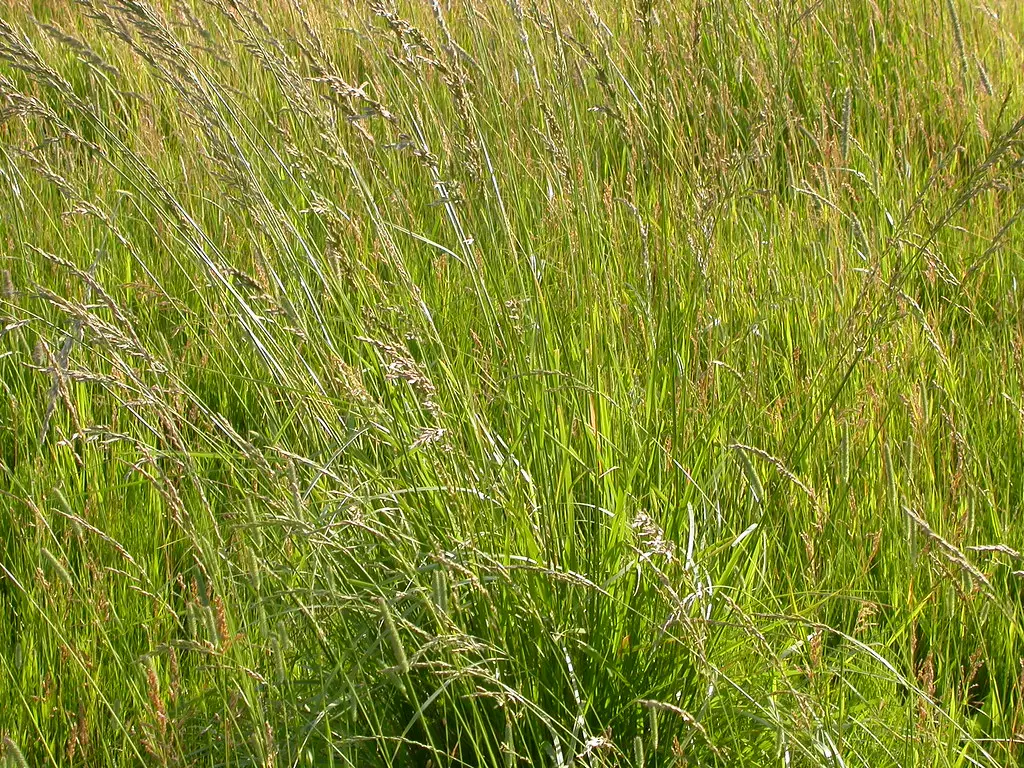
Not all grass is equally vulnerable. The type of turf you have, or choose going forward, plays a significant role in how badly your lawn suffers. It is generally understood that excess nitrogen in dog urine in a concentrated spot is what causes dead brown spots. Recent research suggests lactic acid also plays a part. For cool-season grasses, tall fescue has the most tolerance to both of these factors, then creeping red fescue, perennial ryegrass, and finally Kentucky bluegrass.
Tall fescue is one of the most resistant grass types to dog urine due to its deep root system and tolerance to high nitrogen levels. It recovers well from damage and is drought-tolerant, making it a resilient choice for lawns with pets.
Turf-type tall fescue is the best grass for dogs overall in cool-season yards, with deep roots that dilute urine and tough blades that shrug off paw traffic. In warm climates, hybrid Bermuda is a top pick, since it refills urine spots and dig damage faster than any other turfgrass.
Supplements and “Grass Savers” – What the Evidence Says
Walk into any pet store and you’ll find a wall of supplements, chews, and tablets promising to stop urine damage. The claims are compelling. The science is thinner. Many products on the market claim to either prevent brown spots from dog urine or cure the spots once they’ve appeared. From supplements for your dog’s diet to sprays for your lawn, these solutions seem promising. However, the reality is that there’s scant scientific research available to prove the effectiveness of these products.
These medications work by either changing the pH of the urine, or by adding salt to the body. Urine burn is a nitrogen problem, not a pH problem. When you use medications that alter the pH of the urine, you run the risk of causing urinary crystals or bladder stones in your dog. That’s a genuine health risk, not a theoretical one.
Yucca schidigera extract is one of the few supplement ingredients that has been studied in dogs. It decreases the amount of ammonia in feces. Unfortunately, giving a dog extra enzymes does not remove any nitrogen from their urine or feces. The evidence for most other supplement ingredients is either weak or nonexistent at this stage.
Training Your Dog to Go in One Spot
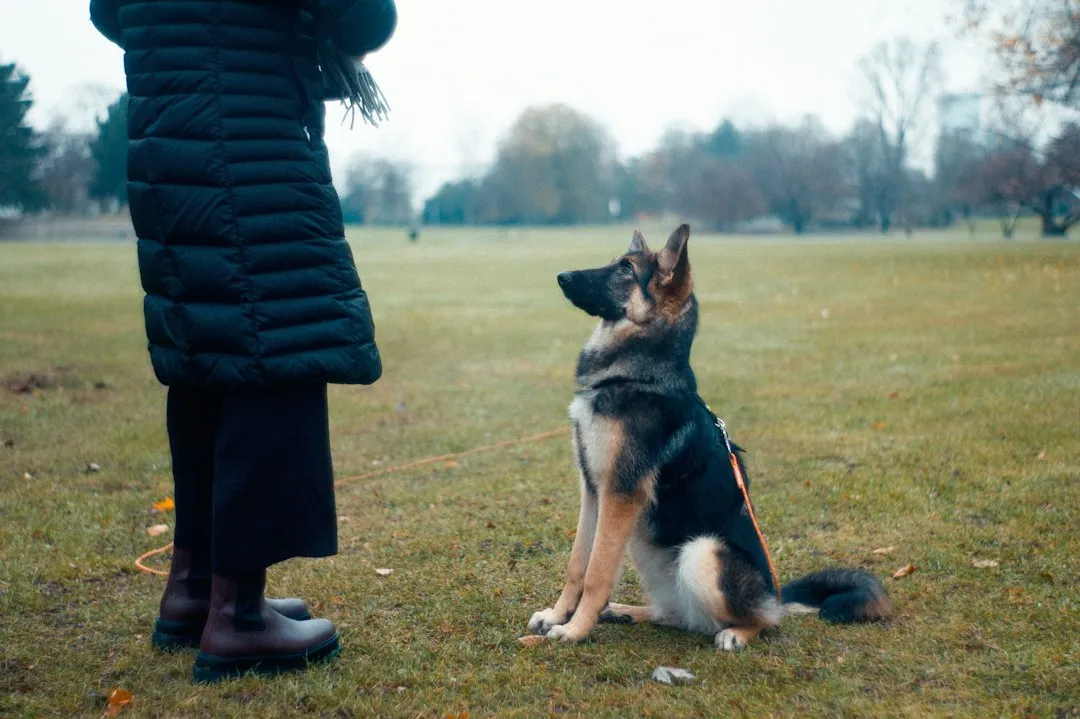
One of the most underused long-term strategies is also one of the most effective: redirecting where your dog relieves itself. Training your dog to urinate in a designated spot where there’s mulch or gravel instead of grass can protect most of your lawn while still giving the dog a consistent outdoor bathroom area.
It takes consistency and some patience, but the principle is straightforward. Pick a corner with gravel, wood chips, or bare soil, and guide your dog there on a leash each time until the habit forms. Your dog will need to use nature as nature intended, so all the walks in the world can’t totally prevent your dog from peeing on the lawn. A designated spot reduces the unpredictability without fighting biology.
The designated area approach also removes the need to chase your dog across the yard with a hose after every bathroom break. It’s a practical system that works especially well for smaller yards where every patch of grass is visible and matters.
Fertilizer Use and the Compounding Effect
Lawns that are heavily fertilized will be further damaged from additional nitrogen. This is something many homeowners overlook entirely. If you’re already pushing nitrogen levels up with a standard lawn fertilizer, your dog’s contribution tips the soil into burn territory much faster.
Instead of using chemical fertilizers which are comprised of fast-release nitrogen, use organic fertilizers which are comprised of slow-release nitrogen. Slow-release formulas give the soil a gentler, steadier supply rather than sudden spikes, which leaves more headroom before urine causes visible damage.
Raising your mowing height so the grass is less sensitive is another small adjustment that helps. Taller grass blades shade the soil, retain moisture more efficiently, and have deeper roots overall, which makes the whole lawn more resilient to nitrogen stress from any source.
The Takeaway
The core issue here is simple even if the solutions require some consistency. Dog urine kills grass due to high nitrogen concentration, not acidity. Diluting urine, either through your dog’s hydration or by rinsing spots, is one of the most effective fixes. That one fact dismantles most of the expensive advice floating around online.
Choosing a more resilient grass variety, adjusting your fertilizer routine, and training your dog toward a designated spot will collectively reduce most of the damage over time. No single product or trick eliminates the problem entirely, and anyone claiming otherwise is probably selling something. The fixes that work are unglamorous, cost almost nothing, and need to happen consistently.
Dogs and green lawns can coexist. It just requires understanding the actual chemistry involved rather than reacting to the myth. Flush the spot, keep the water bowl full, and consider tall fescue when it’s time to reseed. That combination covers most of the problem without putting your dog’s health at risk or your wallet through unnecessary strain.
AI Disclaimer: This article was created with the assistance of AI tools and reviewed by a human editor.