
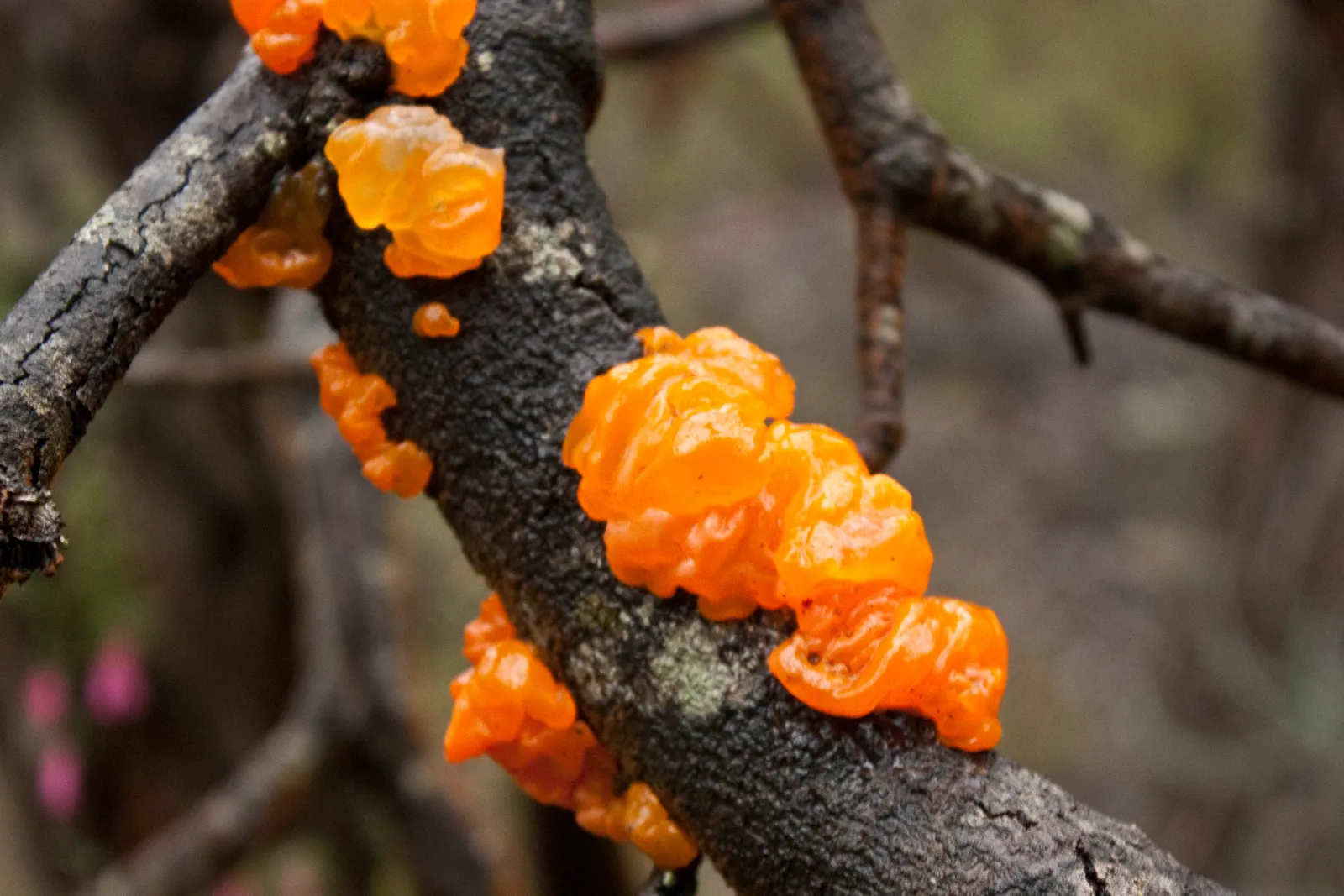
You’ve probably seen it before and done a double take. After a good spring rain, your juniper is suddenly covered in what looks like tiny, bright orange sea creatures clinging to every branch. It’s alarming, otherworldly, and strangely beautiful all at once.
These vivid blobs are not a mutation, not slime mold, and definitely not a new insect. They’re the visible stage of a fungal disease with a life cycle so elaborate that scientists once thought the two phases of its existence were entirely separate organisms.
What Exactly Are Those Orange Blobs?
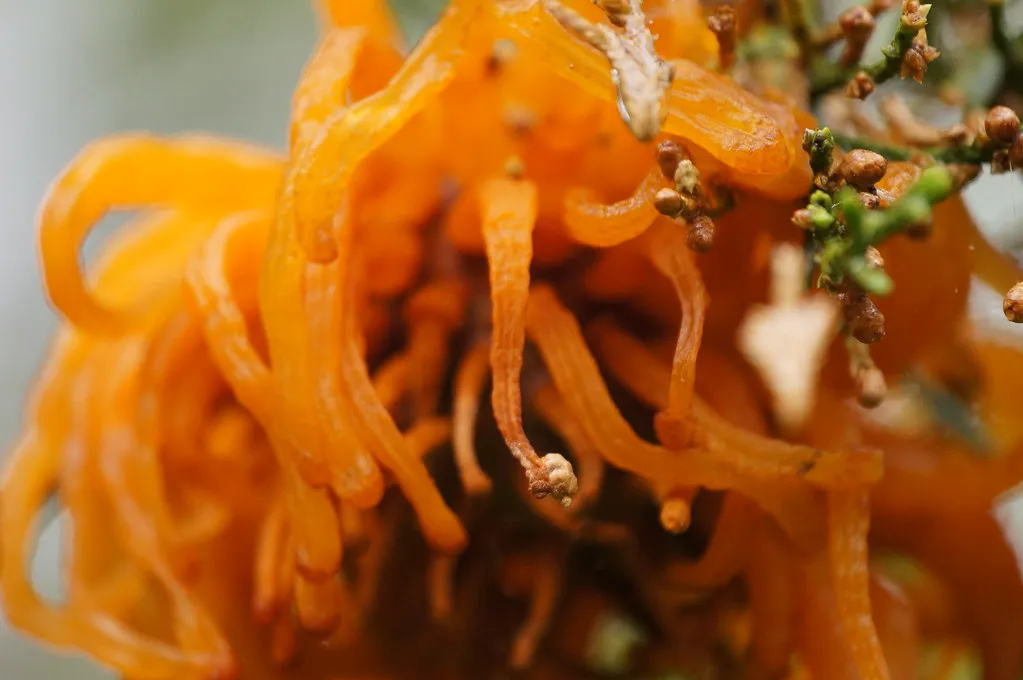
The strange, bright orange jelly-like growth oozing out of juniper branches isn’t slime, sap, or some harmless fungus. It’s the spore-producing stage of a serious plant disease that’s already active. The disease is known as cedar-apple rust. Junipers affected by it carry the pathogen Gymnosporangium juniperi-virginianae, the causal agent of cedar-apple rust.
The fungus lives year-round inside galls on cedar and juniper trees. Most of the time, those galls look like small, hard, brown knots and go completely unnoticed. It’s only rainfall that suddenly makes them impossible to ignore.
Why Rain Triggers the Transformation
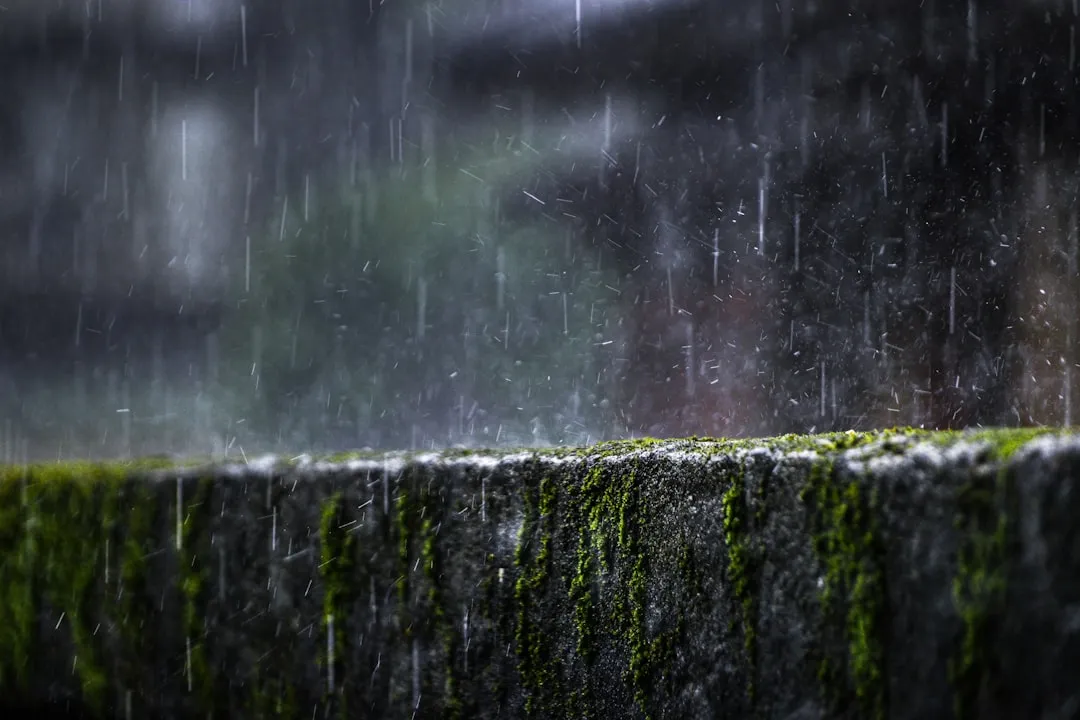
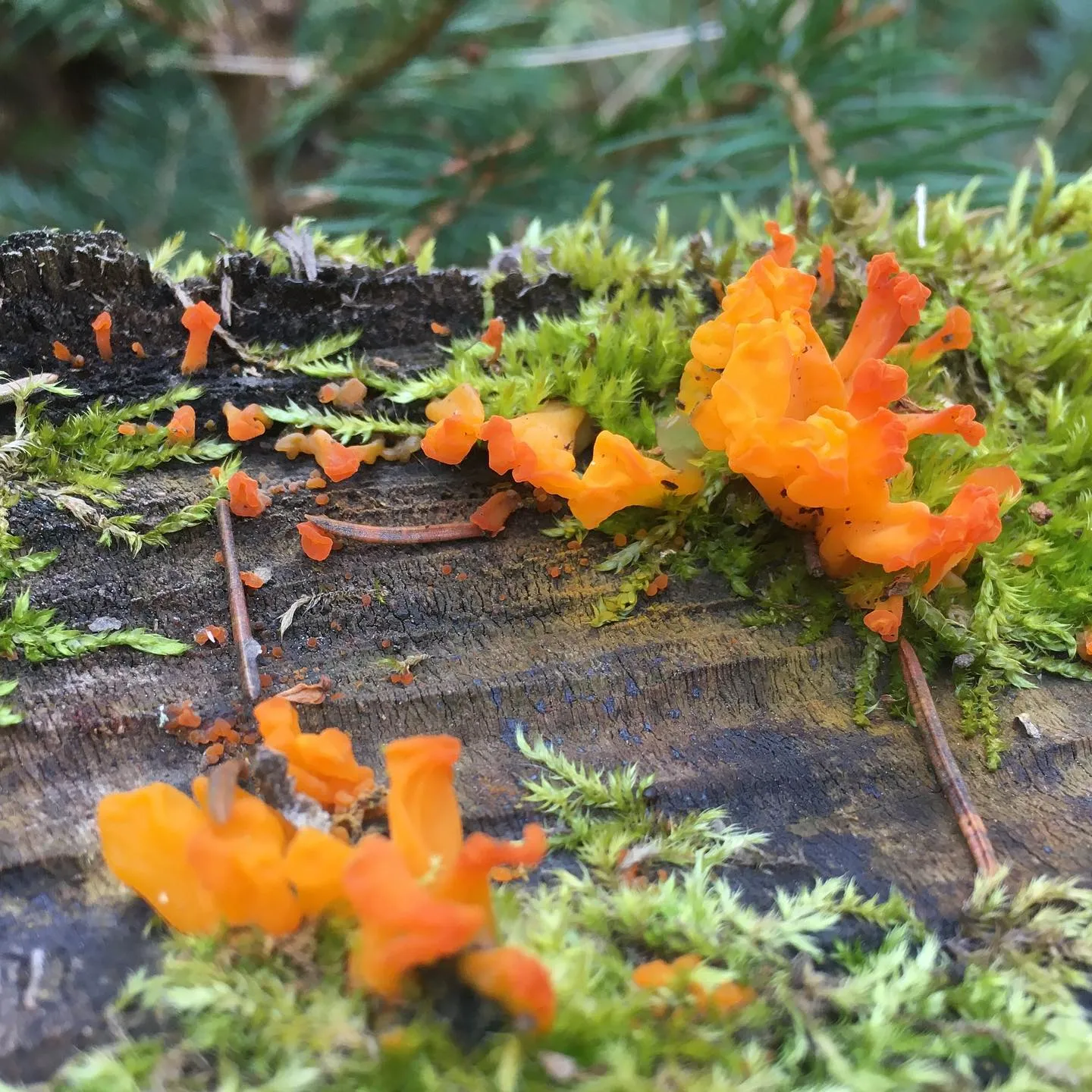
During spring rains, the absorption of moisture by galls causes them to swell and produce gelatinous telial horns. These are the orange structures everyone notices. After prolonged spring rain, each pit extrudes a gelatinous horn one to two centimeters long, bright orange to orange-brown, tapering and often curved, soft and slimy to the touch.
During a dry spell they’ll shrivel up, only to expand again with the next rain. This means the same gall can go through the dramatic orange transformation multiple times across a single season, which is part of why people find the whole thing so surprising each time it happens.
The Fungus Behind It All
Gymnosporangium juniperi-virginianae is a rust pathogen and an obligate biotroph, meaning it cannot survive without having a living plant host to complete its life cycle. It is a heteroecious rust fungus, which requires two hosts, primary and alternate, to complete its entire life cycle.
The fungus completes its disease cycle involving infection of apple family leaves and the formation of galls on cedars and junipers, with a life cycle spanning approximately 21 months on its juniper host and three months on apple trees. That’s a remarkably long stretch of time to be living inside a single tree.
The Two-Host Life Cycle, Explained
The disease cycle of cedar-apple rust is one of the most complex of any plant diseases. The fungus spends almost two years of its life cycle on the cedar trees. Cedar needles are infected between June and September by spores blown from lesions of apple leaves.
The primary host, redcedar and juniper, becomes infected by aeciospores released from aecia on apple and crabapple in mid-summer. The pathogen then grows and begins to induce the formation of galls on the tree the following summer, which continue to grow throughout fall and winter. By the time those galls finally produce the visible orange blobs, the fungus has already been inside the tree for well over a year.
How Spores Spread to Other Trees
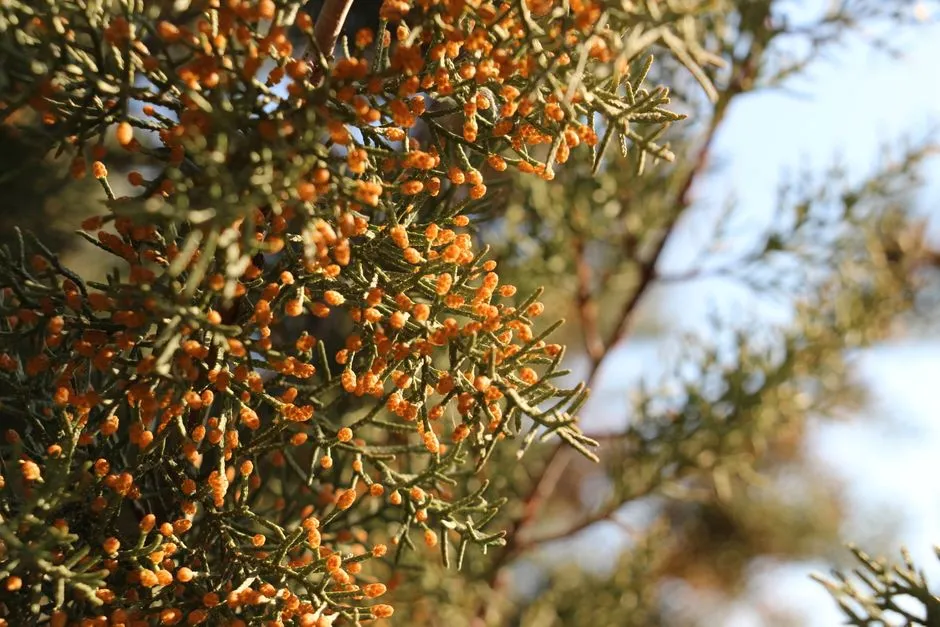
When exposed to the first warm rain of spring, the small bumps on the galls absorb water, swell, and produce telial horns, which are gelatinous masses that produce teliospores. When swollen, teliospores will germinate and produce basidiospores which are forcibly discharged and travel along air currents to infect apple trees and other alternate hosts.
When those orange blobs are present, spores are released into the air and can travel up to a mile on wind currents. That’s a sobering detail for anyone who grows apples nearby. If apple trees are located within two to five miles of the alternate host, cedar-apple rust should be managed annually from tight cluster until approximately fourteen days after petal fall.
What Happens to the Juniper Itself
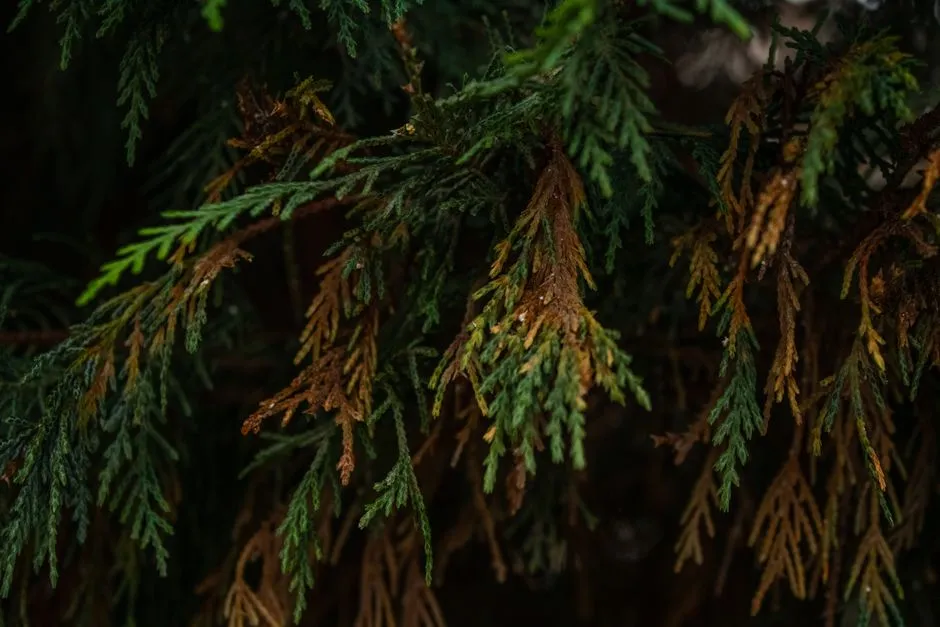
These orange structures release spores into the air. While dramatic in appearance, cedar-apple rust usually causes little damage to junipers, though minor twig dieback may occasionally occur.
The cedar-apple rust does not kill the junipers but can be unsightly. A heavy infestation can lead to branch or twig death. After the telial horns release their spores and dry up, the gall will die and may stay on the branch for a year or more. So even when the spectacle is over, the physical remnants linger.
The Damage Done to Apple and Crabapple Trees
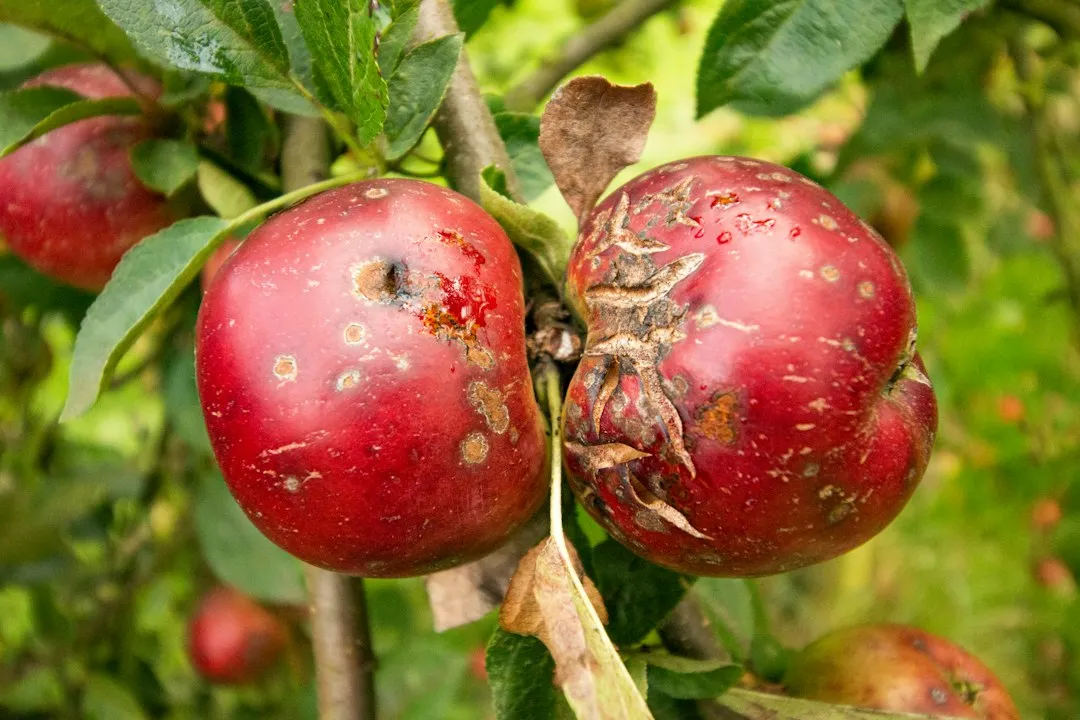
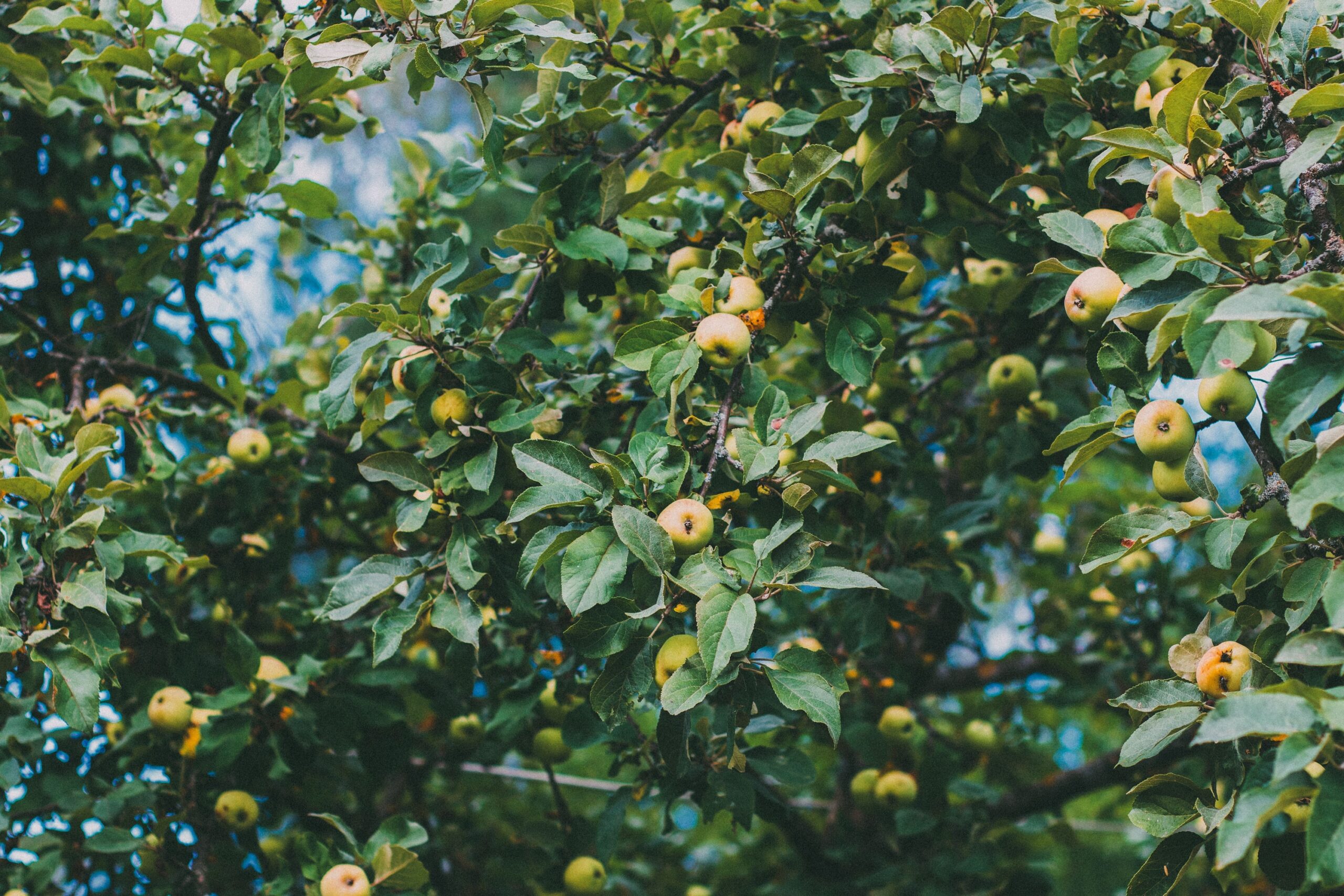
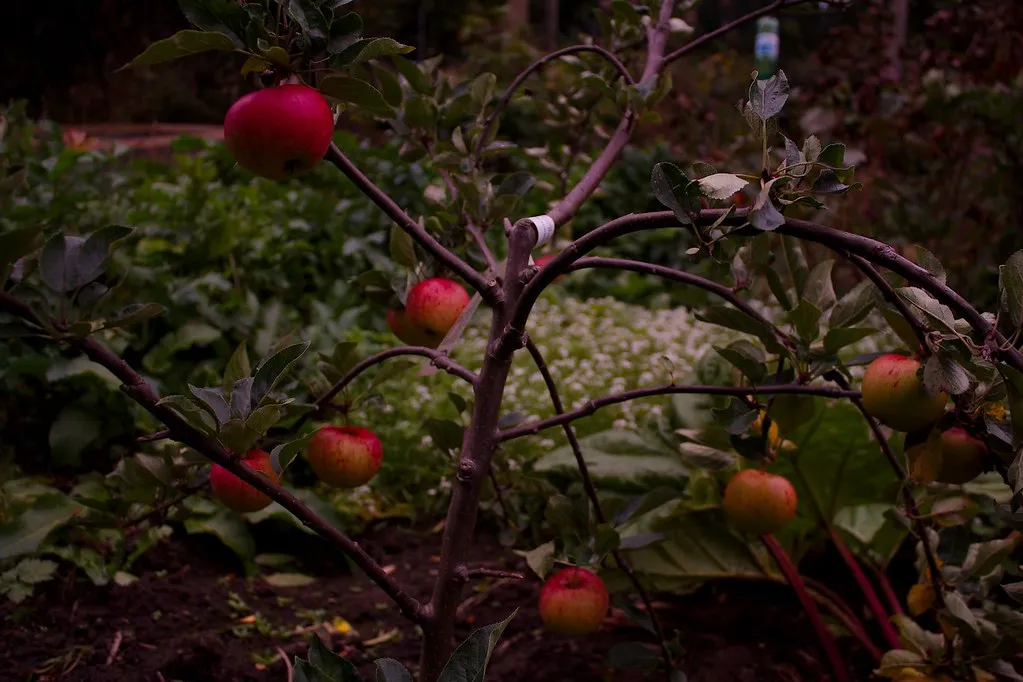
On susceptible apples and crabapples, tiny yellow spots appear on the leaves after infection in the spring. As the spots mature, they become yellow and orange, swollen with a red border, and develop tiny black dots in the center of the lesion on the upper leaf surface.
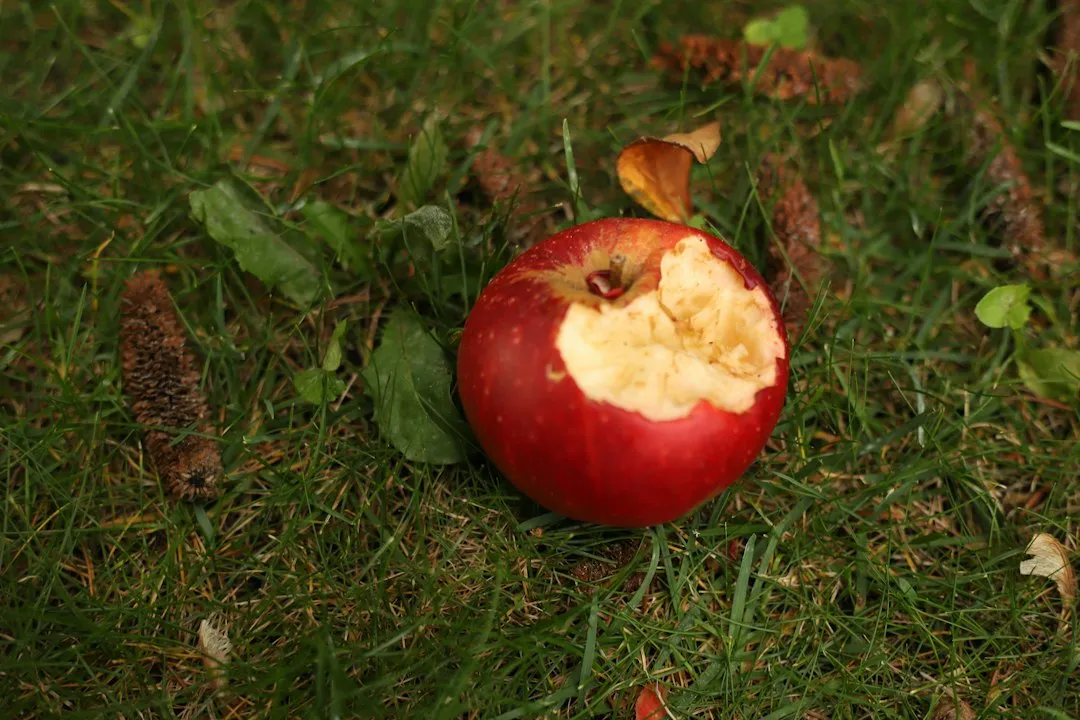
Severe leaf infection and defoliation may make trees susceptible to winter injury. Severe defoliation also reduces fruit size and quality, and infected fruit is deformed, sometimes very seriously. This is why orchards take the presence of nearby junipers so seriously during spring months.
Which Juniper Species Are Affected
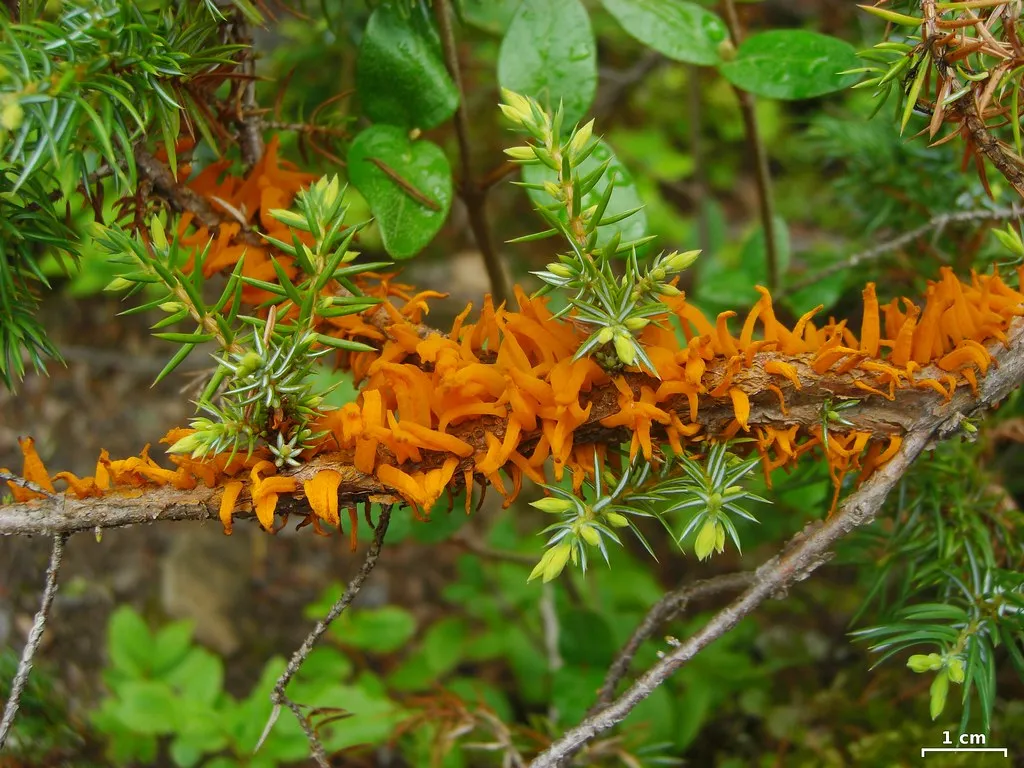
The yearly arrival of cedar-apple rust is associated with eastern redcedar trees, known botanically as Juniperus virginiana. However, the disease is not limited to that single species. Telial hosts include Chinese juniper, common juniper, creeping juniper, redberry juniper, Rocky Mountain juniper, southern red cedar, Utah juniper, and eastern red cedar, among others.
This wide range of susceptible hosts means cedar-apple rust is far from a niche regional problem. Many common landscape junipers used in gardens and streetscaping across North America are fully capable of carrying and spreading the disease.
How and When to Manage It
The key to preventing cedar-apple rust is applying fungicide at the right time. Preventive fungicide treatments should begin in early spring, just as apple and crabapple trees start breaking dormancy and new leaves emerge. Repeat applications may be necessary every seven to ten days until petal drop, depending on weather conditions.
Fungicides containing myclobutanil are most effective in preventing rust. Copper and sulfur-based fungicides are also options but are less effective than myclobutanil. Pruning out the fruiting structures as soon as they appear will also lessen spore production in future years. For junipers, the cosmetic impact tends to outweigh the health risk, while for apple growers, the calculus is very different.
Long-Term Prevention and Plant Selection
Planting disease-resistant varieties and planting these varieties as far as possible from cedar and juniper trees is key to controlling cedar-apple rust. Control of Gymnosporangium rusts can also be achieved by keeping the alternating hosts sufficiently far apart so that the fungus cannot complete its life cycle, which requires up to two miles of separation.
Avoid planting junipers near rust-susceptible plants, which include both apples and crabapples. Consider resistant apple varieties such as ‘Freedom,’ ‘Liberty,’ ‘Redfree,’ or ‘William’s Pride.’ For homeowners who want both beautiful junipers and productive apple trees, deliberate plant placement is the most reliable defense available.
A Phenomenon Worth Understanding
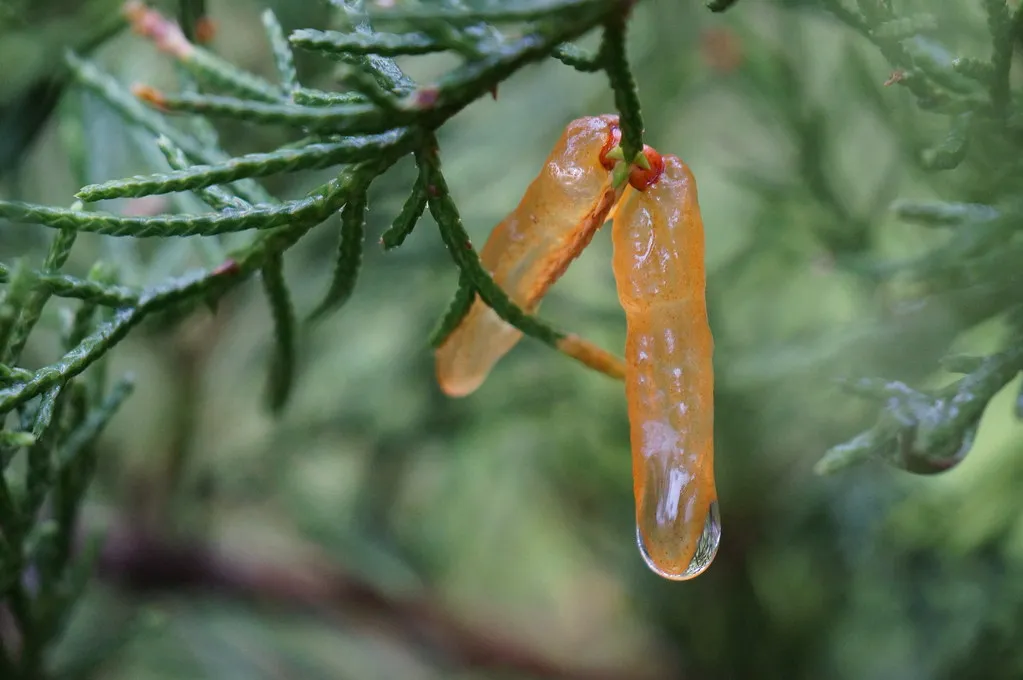
The orange jelly blobs on junipers after rain are one of the more visually striking events in a temperate garden. They look like something from a science fiction film, yet they’ve been cycling through the landscape for centuries without most people knowing what they’re looking at.
The two phases of this fungus look so unlike each other that they were long described as separate organisms by early naturalists. The complex disease cycle of cedar-apple rust, alternating between two host plants, was first properly delineated by botanist Anders Sandøe Ørsted. Knowing the biology doesn’t make the orange spectacle any less striking, but it does mean you’ll never look at a wet juniper the same way again.
AI Disclaimer: This article was created with the assistance of AI tools and reviewed by a human editor.