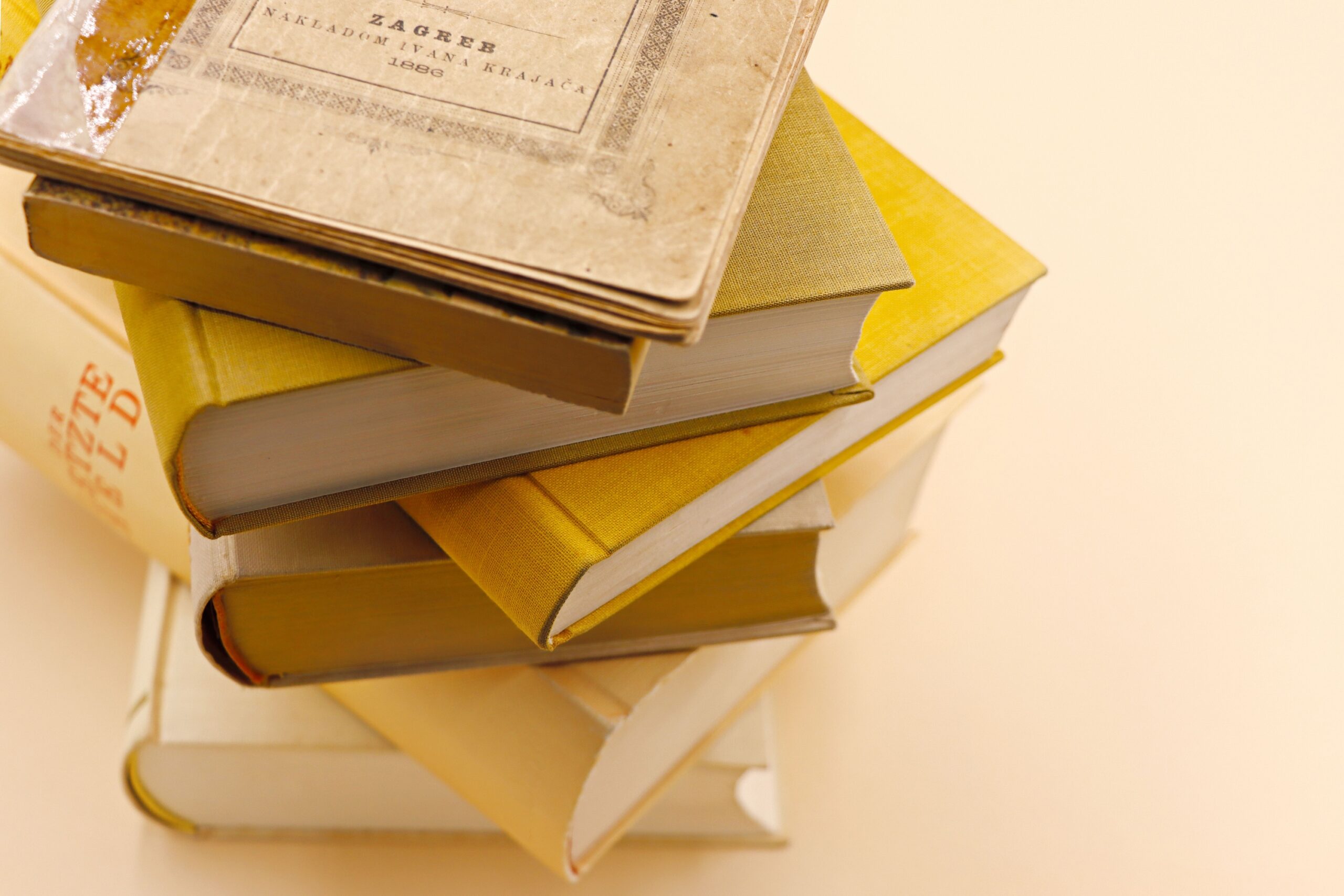

Most people sort through old books with a clear purpose in mind: keep what feels important, recycle or donate the rest. A battered paperback with a cracked spine? Into the bag. An old hardcover with a torn paper wrapper? Same fate. The instinct makes sense. Space is limited and sentiment only goes so far.
What that instinct consistently gets wrong, though, is that the editions most likely to end up discarded are often the ones serious collectors are actively hunting. The overlap between “easily dismissed” and “surprisingly valuable” turns out to be surprisingly wide.
The True First Edition: What It Actually Means
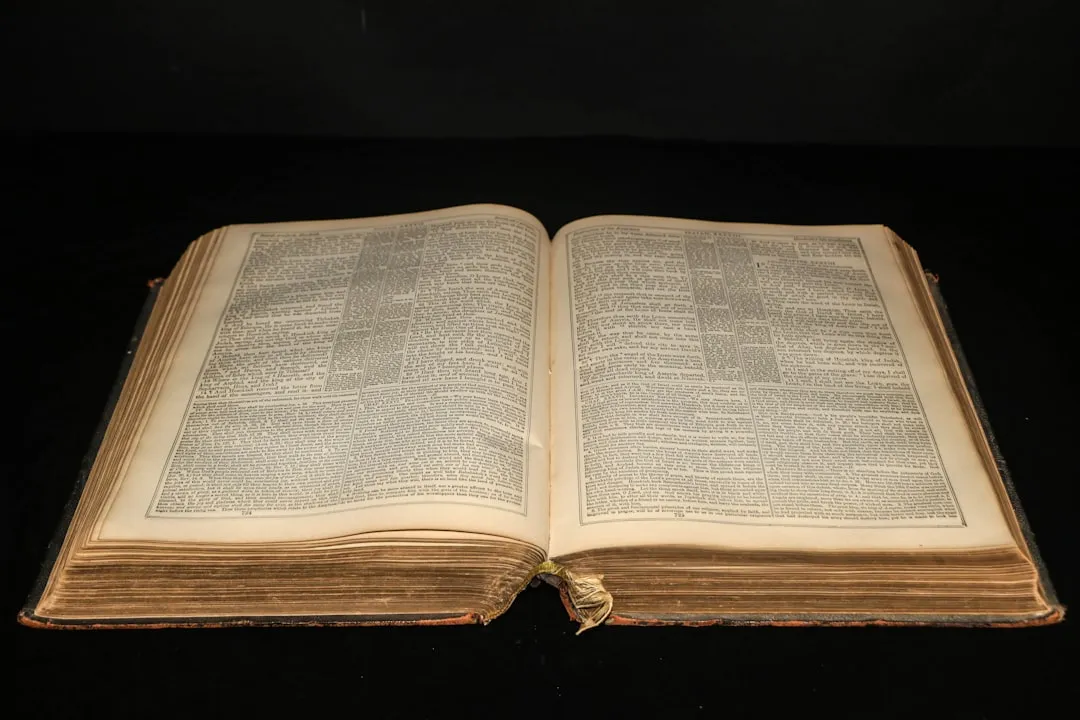
The term “first edition” refers to the initial printing of a book – the version that comes first in the sequence of printings and is often the closest to the author’s original manuscript. That proximity to the source matters deeply in the collecting world. First books and first printings of those books are highly desirable among collectors, and rarity leads to scarcity, which can increase their value.
To make matters more confusing, each time a new publisher releases an instance of the same title, or a book is released in another format, they may also describe their book as a first edition – for instance, “the Penguin Classics first edition” or “the first paperback edition.” It is common to see booksellers describe these later first editions as a “first edition thus.” Most collectors want the “true first edition” – the edition that supersedes all others chronologically – and sometimes detective work is required to identify the true first.
How to Identify a First Printing on the Copyright Page
Publishers typically denote first editions on the copyright page, stating “First Edition” or using a number line where “1” appears. That number line is one of the most reliable signals, and most people have never looked twice at it. The last digit in the line is the printing number – so if it reads “10 9 8 7 6 5 4 3 2 1,” you have a first printing book.
First editions are prized by collectors because they represent the original, unaltered debut of a book, and can feature anything from a misprint to a publisher marking that can become lost to time. Notable first editions include “The Grapes of Wrath,” valued at around $17,500. These books may be labeled “first edition,” have a “1” in the number line on the copyright page, or have a known first-edition error.
The Dust Jacket That Almost Everyone Removes
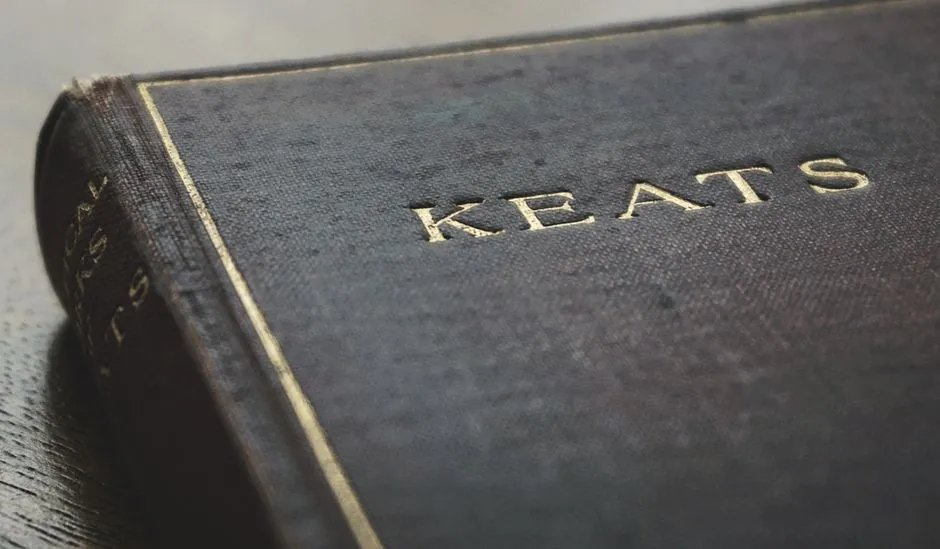
In the world of rare and collectible books, few elements carry as much monetary weight as the dust jacket. To new collectors, it may seem like a fragile, decorative wrapper. To seasoned bibliophiles, however, the dust jacket can sometimes be the difference between a $1,000 book and a much lower value.
For many modern editions of classic novels, the quality of the dust jacket can account for between 80 and 90 percent of the novel’s overall value. People strip them off to protect them, store them separately, or simply discard them thinking the wrapper is decorative clutter. For collectors, having the original dust jacket significantly impacts a book’s value. Collectors look for dust jackets with minimal wear, as they indicate the book has been well preserved. Rare books with intact, unclipped dust jackets are often more valuable.
Printing Errors and Why Mistakes Pay Off
Mistakes can be valuable, but it has to be the right kind of mistake, and it’s usually only mistakes in first editions of collectible books that open the pocketbooks of bibliophiles. The mistakes need to have been corrected quickly, therefore making the few flawed copies that slipped by scarce and desirable items.
The first book in the Harry Potter series would be treasured even without a typo, but a selection of copies are valued at a small fortune for this reason. The mistake is found on page 53, in a list of school supplies: “1 wand” is listed at both the beginning and at the end. The typo did reappear in a few later printings even after it was caught, so it’s only the true first editions that carry significant value. Another example: the first UK edition of Tracy Chevalier’s “Girl with a Pearl Earring” contains the misspelling “Earing” on the back cover. These mistakes are exceedingly rare, and copies with glaring errata are frequently recalled before they are purchased in large quantities. As a result, modern first editions containing these errata are often quite valuable to collectors.
Small Print Runs: The Edition Nobody Saved

J.R.R. Tolkien’s “The Hobbit” first edition is among the most coveted, with an average listing value in the tens of thousands. Upon its initial publication in 1937, just 1,500 copies were released. That kind of tight print run creates lasting scarcity. Rare first-edition paperbacks can be valuable – they are the first public presentation of the work and are often rarer due to smaller initial print runs. They can also have unique features that disappear in later editions.
Early copies of Harry Potter and the Philosopher’s Stone were printed in small numbers, and some thrown away by readers now sell for tens of thousands, especially those with printing errors. The brutal irony is that the books most carelessly handled were often the ones from those tight early runs.
The Trade Paperback First Edition: Overlooked and Undervalued

Not all first editions are equally valuable. The book’s condition, author, and demand in the collector’s market are key to determining its worth. Still, trade paperback first editions occupy an interesting middle ground that most casual readers completely ignore. “To Kill a Mockingbird” by Harper Lee, for instance – first edition paperbacks of this classic American novel are popular among collectors, especially if they’re in good condition.
As a vintage paperback collector, you’re not just gathering old books but preserving pieces of history. An old paperback might seem worn out, but it could be a treasure of historical value. The challenge is that paperbacks were designed to be used and discarded, which is exactly why surviving copies in fine condition are rare enough to matter.
Signed Copies: The Ones That Slip Through Estate Sales

Limited editions of 200 copies are usually still available when one has a hard time finding fine copies of first trade editions from the same period published in editions of 5,000 copies. This is because there is an aversion to throwing away a book signed and numbered by an author, even if one has never heard of the author – but no aversion at all to throwing away novels by an unknown author.
No one who picked up a signed, first-edition Harry Potter knew what it would be worth. A copy sold at auction for $450,000, beating a 2014 record for the title of $377,000. Signed copies passed down through families and found in estate sales represent a recurring, underappreciated category – the kind of thing that gets priced at a dollar in a garage sale.
When Author Fame Changes the Math
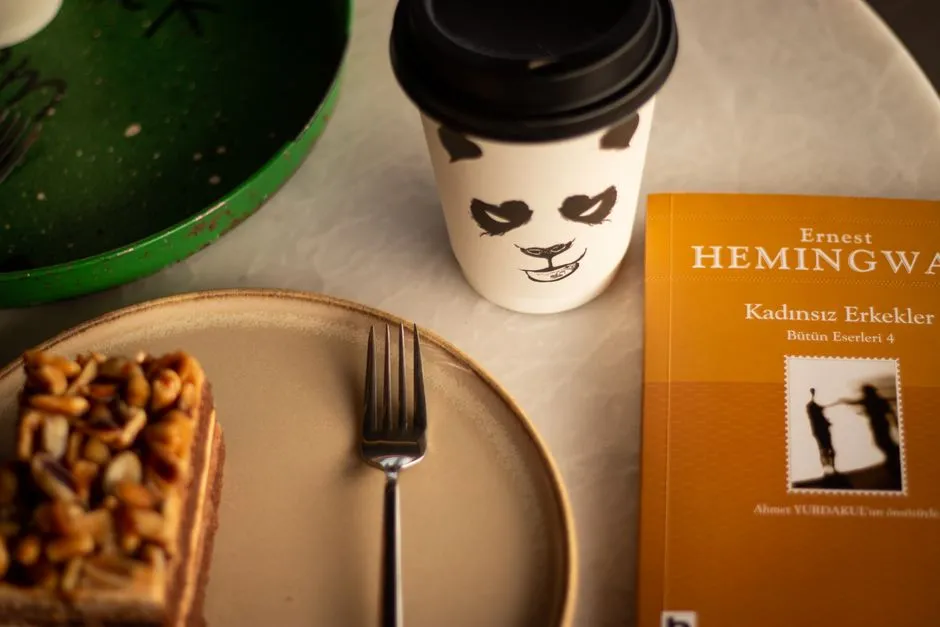
Books by well-known authors or those who have achieved literary acclaim tend to be more valuable, especially if it’s their debut or a significant work. Additionally, books that mark a turning point in literature or culture often carry higher worth. This is why an author’s earliest output frequently becomes the most collectible over time.
Ernest Hemingway’s first publication, “Three Stories and Ten Poems,” is so rare and valuable that even Hemingway himself complained he couldn’t get a copy of it. It was published in small numbers in cheap publisher’s wrapping that wasn’t chosen with longevity in mind. A copy sold at Sotheby’s New York in October 2024 for $50,400. Nobody thought to preserve those cheap early wrappers. That’s exactly the problem.
Condition: The Factor That Kills or Confirms Value
In determining the value of a book there are three basic elements: rarity, condition, and demand. Books with the most value normally have all three of these elements, and the loss of any will likely result in a loss of value. People often focus on rarity alone, but condition is equally decisive.
The condition of a book significantly impacts its value. Collectors look for books that are well-preserved with minimal wear and tear, including intact dust jackets for books published in the 20th century onwards. Factors such as foxing (brown spots due to oxidation), damp stains, and bookplates can decrease value. Even a first edition with the “right” errors won’t sell for much if the spine is cracked or the pages are falling out.
The Danger of Clearing Out an Estate Without Checking First
The family’s first inclination when encountering piles of old books might be to donate them to charity or throw them away. Getting rid of a book collection without first assessing it could be a mistake. Most books have little or no market value. Those that are not valuable to collectors, however, may have personal value – and a book collection could contain a hidden treasure or two, not only due to a book’s rarity but because of what is hidden in its pages.
A book that could be really valuable today might be worth next to nothing in a few years when circumstances shift. Conversely, a book worth very little today might be worth a lot more in a couple of decades when culture shifts and people reevaluate who made important contributions to literature. The market is genuinely unpredictable, which is all the more reason to pause before discarding.
The Takeaway
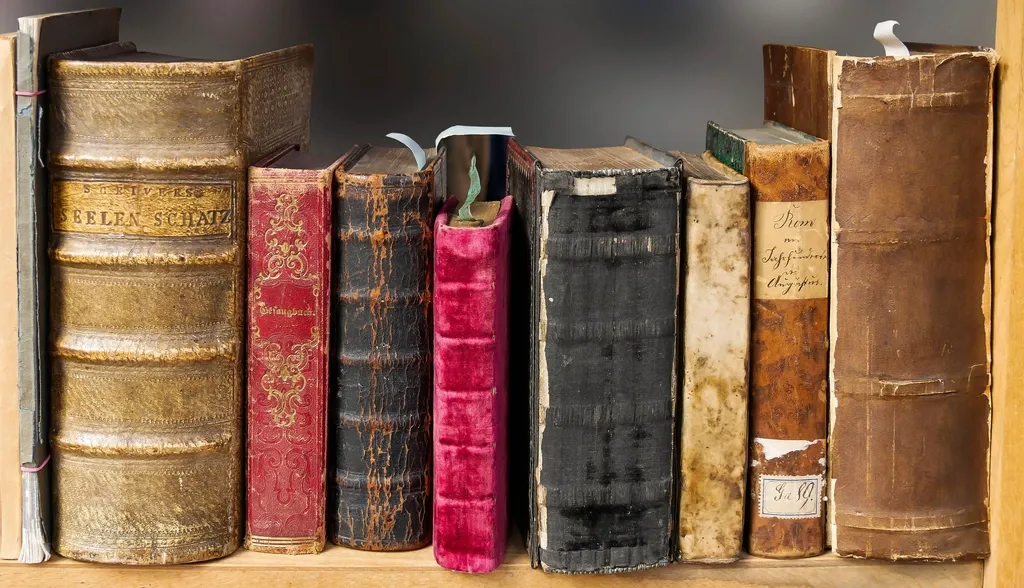
The books most people toss are often the editions closest to a work’s origin: the true first printings with their small runs, paper jackets, manufacturing errors, and modest original packaging. None of those things looked like value at the time, which is precisely why so few survived in good condition.
The next time a box of old books heads toward the curb, a quick look at the copyright page costs nothing. What’s inside might not be extraordinary. Then again, it offers something every collector loves – the chance to be ahead of the game, and to spot tomorrow’s priceless treasure while it’s a relatively commonplace item.
AI Disclaimer: This article was created with the assistance of AI tools and reviewed by a human editor.