

The Body Clock Behind Your Blood Pressure

Hypertension is the dominant risk factor for cardiovascular disease, and chronotherapy, an approach that considers circadian rhythms in physiology, could contribute additional benefit to hypertension management. The idea isn’t fringe science. It’s grounded in the observation that the body runs on tightly coordinated biological schedules, with blood pressure being one of the most clock-dependent systems we have.
Because blood pressure is generally lower at night and surges in the morning, and because morning blood pressure surges have been associated with cardiovascular events, it follows that administration of antihypertensive medications in the evening might confer cardiovascular protection. This is the central logic behind what researchers call chronotherapy for hypertension.
The Hygia Chronotherapy Trial and Its Bold Claims

The Hygia Chronotherapy Trial was a multi-center study of 19,084 patients with a median age of 60.5 years who were randomized to take all their medications at night or in the morning. The results, when first published, turned heads across the cardiology world.
A Spanish study suggested that using blood pressure pills at bedtime, instead of in the morning, reduces death, heart attack, and stroke by more than half. If true, a switch to bedtime prescribing would have more impact on health than whether high blood pressure is treated at all. These were remarkable numbers. However, they were later scrutinized heavily.
Eight published outcome studies on bedtime dosing of antihypertensive drugs all had major methodological and other flaws and a high risk of bias in testing the impact of bedtime compared to morning treatment. The Hygia trial itself drew significant criticism for data irregularities, prompting several major cardiology bodies to urge caution in interpreting its findings.
What the TIME Trial Actually Showed

The British Heart Foundation-funded Treatment In the Morning versus Evening (TIME) trial showed that blood pressure medication worked equally well whether taken in the morning or evening. In the trial, over 21,000 people were randomly assigned to take their blood pressure tablets either between 6am and 10am, or 8pm and midnight.
The TIME study found no difference in cardiovascular outcomes between morning and evening administration of blood pressure medications. That’s a large, well-designed study reaching a clear conclusion. Yet what followed was not simply a closed chapter, because a sub-study within TIME raised something genuinely new.
The Chronotype Discovery That Changed the Conversation

A study from the University of Dundee found that hypertension patients who took blood pressure medication at a time aligned with their body clock had a reduced risk of heart attack. Research conducted in collaboration with Helmholtz Munich and an international team of researchers from Italy, the UK and the USA revealed that a person’s chronotype, meaning the time a person feels most suited to sleeping or being awake, can impact how they interact with their blood pressure medication.
The results showed a lower incidence of non-fatal heart attack when the antihypertensive medication dosing time aligned with the patient’s chronotype, meaning evening chronotypes dosed in the evening and morning chronotypes dosed in the morning. This was a meaningful finding, and a more nuanced one than simply declaring morning or bedtime universally better.
Study participants who were night owls with later chronotypes and took their blood pressure medication in the evening were also less likely to be hospitalised for heart attack compared to those who took their medication in the morning.
What “Non-Dipping” Means and Why It Matters

Blood pressure normally falls when we sleep before rising again in the morning. When someone has high blood pressure, their blood pressure might not fall at night. People whose blood pressure fails to drop during sleep are called “non-dippers,” and they represent a clinically distinct risk group.
Studies on patients with essential hypertension have shown a correlation between elevated night-time blood pressure or a non-dipper profile and a higher risk of damage to target organs, including the heart, kidneys, blood vessels, and brain. This is precisely why some cardiologists now consider bedtime dosing for select patients, not as a blanket rule, but as a targeted strategy.
Bedtime dosing may benefit individuals with nocturnal hypertension and non-dipper blood pressure patterns, but large trials such as the TIME study have shown no significant cardiovascular outcome differences between morning and bedtime dosing for the general hypertensive population.
Where the 2024 European Society of Cardiology Stands

The 2024 European Society of Cardiology Hypertension Guideline favors medication administration at any time that is convenient for the patient, with the goal of improving adherence. It does not offer consideration for specific patients who may potentially benefit from chronotherapy, especially those with non-dipping hypertension and those who work outside standard daytime hours.
The focus should be to achieve blood pressure control and facilitate adherence, regardless of the timing of antihypertensive medications. That’s the current mainstream consensus. Still, clinicians working in specialized hypertension care are thinking further ahead.
The Role of Medication Type in Timing Decisions
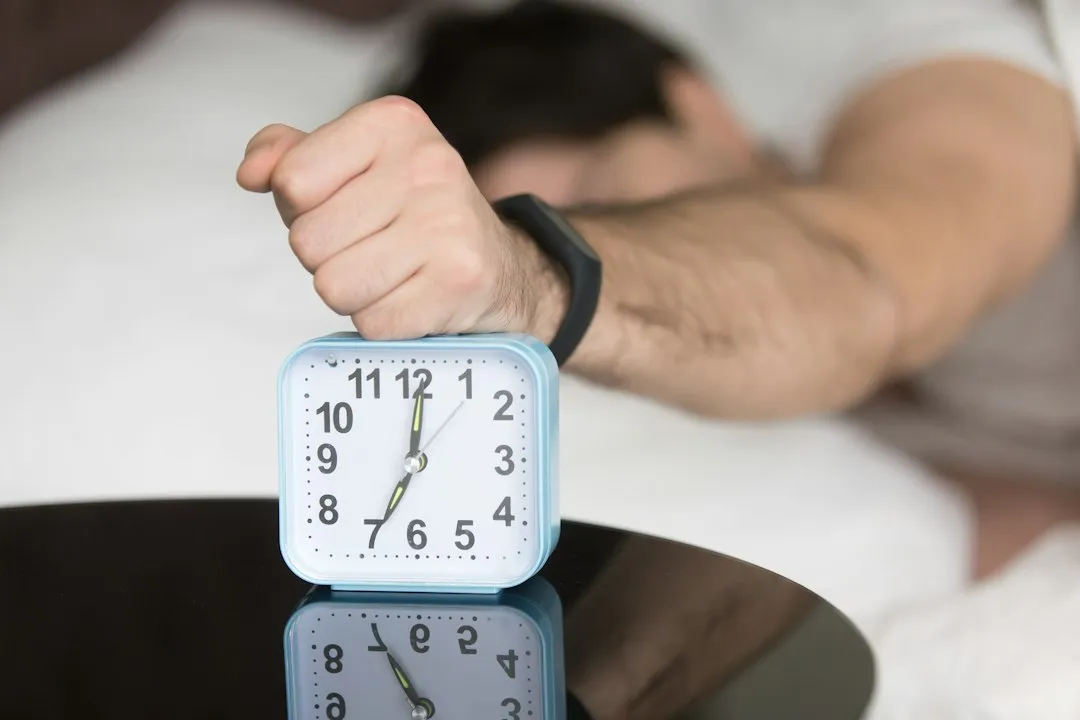
Evening dosing leads to slightly lower blood pressure in the mornings, while evening-assessed blood pressures are slightly higher with evening dosing, showing some unevenness in blood pressure-lowering related to the medications themselves. This suggests that shorter-acting antihypertensive medications might influence blood pressure management depending on the time of day they are taken.
Angiotensin receptor blockers and ACE inhibitors, such as candesartan and ramipril, work by widening blood vessels. These can make you feel dizzy when you take your first dose, so it is usually suggested you take your first dose at bedtime. This is a practical dosing nuance that has existed in prescribing guidance for years, separate from the broader chronotherapy debate.
If a short-acting medication is taken at night and blood pressure is measured first thing in the morning, the blood pressure might appear controlled at that time, but there is a greater likelihood of missing the lack of blood pressure control that will occur later that day as the short-acting medication wears off.
The Problem With a One-Size-Fits-All Answer

While roughly six in ten hypertensive patients are considered to have controlled blood pressure on office measurement, around half remain with uncontrolled nocturnal hypertension. That’s a substantial gap between what clinic readings suggest and what is actually happening while patients sleep.
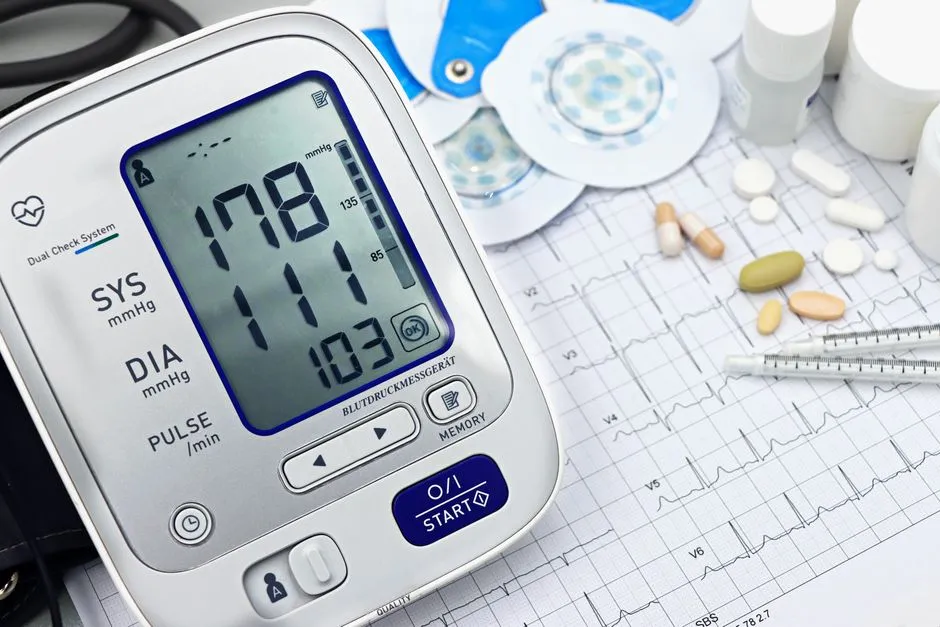
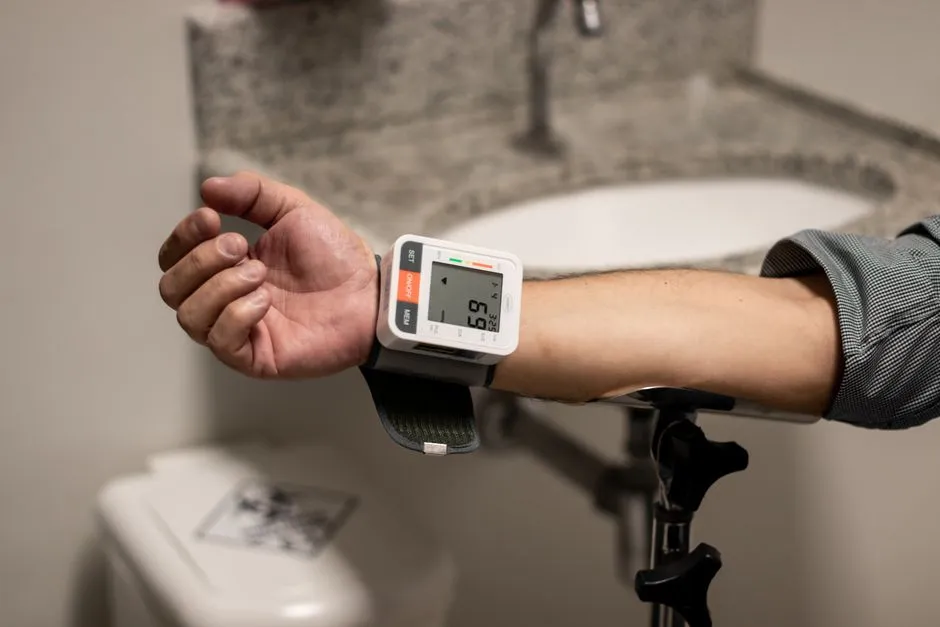
The only way to know if antihypertensive medications are effective is to measure blood pressure, preferably at home, either with home blood pressure monitoring or 24-hour ambulatory blood pressure monitoring. Without that data, timing decisions remain partially blind. Personalized approaches need personalized information.
The Chronotype sub-study results are a critical appraisal of previous studies on chronotherapy that have not specifically stratified participants according to chronotype, missing the importance of individual internal time when dosing antihypertensive medications. The findings are an open call for new randomized clinical trials to confirm the importance of assessing chronotype to identify an optimal therapeutic window within the circadian cycle.
Adherence: The Factor That Often Trumps Timing

Some researchers strongly recommend taking blood pressure medication in the morning since adherence to antihypertensive medication is proven to be worse at bedtime. Taking a pill you forget is worse than taking it at any particular hour of the day. That’s a straightforward but often underappreciated reality in hypertension management.
Research has shown that in populations of patients, more are likely to remember to take their medications if they are prescribed to be taken in the morning than if they are prescribed to be taken at night. This practical reality is something cardiologists and general practitioners balance every day against the theoretical benefits of optimized timing.
Where Personalized Chronotherapy Is Heading
Meta-analysis of randomized controlled trials has demonstrated that personalized chronotherapy yields significant benefits for distinct patient subgroups, including those with high BMI and those taking calcium channel blockers. Researchers have also developed dynamic work history-based algorithms that reliably estimate individual circadian phases, reducing the amount of smartwatch data required to make chronotherapy practical.
The results of the Chronotype sub-study represent a step forward in precision medicine of hypertension, with findings that support further research aimed at tailoring therapy of hypertensive patients to individual circadian rhythms. This is where the field is genuinely heading, away from universal timing rules and toward individualized prescribing informed by biology.
The Chronotype sub-study, which respects the patient’s chronotype when timing antihypertensive medication, could refine the therapeutic approach to hypertension in ways that neither morning-only nor bedtime-only recommendations have managed to achieve on their own.
Final Thoughts
The honest answer, supported by the best available evidence in 2026, is that timing matters differently for different people. For most patients taking long-acting medications, morning or evening appears equally effective at preventing heart attack and stroke. The larger priority remains simply taking the medication consistently.
Where timing starts to carry real weight is for patients with identifiable nighttime blood pressure problems, those whose pressure doesn’t dip during sleep, or those whose body clock clearly leans toward evening. For them, a conversation with a cardiologist about timing could genuinely be worth having, ideally supported by ambulatory blood pressure monitoring rather than clinic readings alone.
The science here is still actively developing. Wearable monitoring, circadian profiling, and precision prescribing are pulling hypertension care toward something more nuanced than a single daily pill taken reflexively at the same hour. That shift is gradual and evidence-driven, which is exactly how it should be.
AI Disclaimer: This article was created with the assistance of AI tools and reviewed by a human editor.