
What Bloat Actually Is

Gastric dilatation-volvulus is a life-threatening condition that occurs suddenly when the stomach fills with air, fluid, or food, becomes distended, and twists on itself. That twisting is the truly catastrophic part. It traps gas inside with no way to escape, cuts off blood supply to the stomach wall, compresses the major veins returning blood to the heart causing cardiovascular shock, and often damages or ruptures the spleen.
This combination can lead to severe complications like tissue death, shock, and even death, and the rapid progression of GDV makes it a true emergency requiring immediate veterinary attention. Minutes genuinely matter here, not hours.
Which Breeds Are Most at Risk
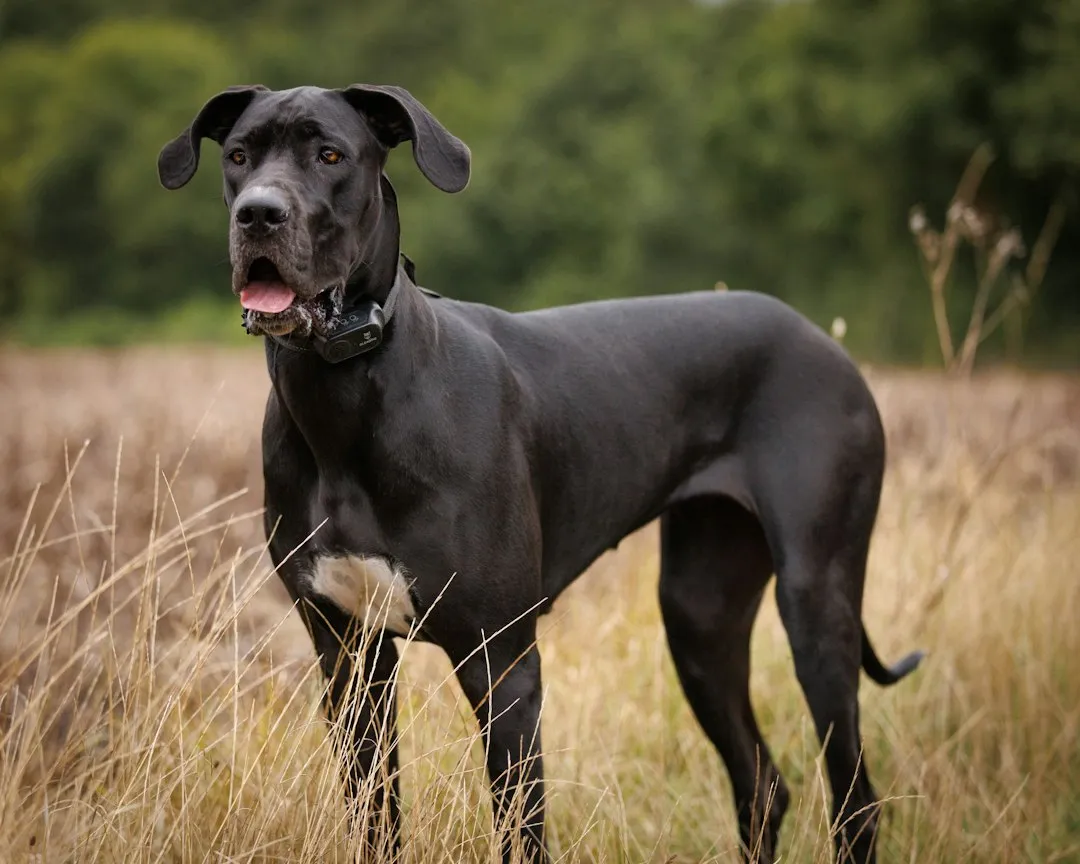
The American College of Veterinary Surgeons states that nearly all breeds have been reported to have had gastric dilatation, but the condition is seen most commonly in large breed dogs with deep chests. That deep, narrow chest creates a physical environment where the stomach has room to rotate.
Large and giant breed dogs with deep, narrow chests are at significantly elevated risk. Great Danes, Standard Poodles, German Shepherds, Weimaraners, Irish Setters, Doberman Pinschers, and Saint Bernards are among the breeds most commonly affected. Great Danes carry the highest lifetime risk of any breed, estimated at around 37 percent.
Unproductive Retching: The Most Telling Sign
Your dog repeatedly tries to vomit but nothing comes up. This is one of the most telling signs of GDV and should never be ignored. It can look like ordinary nausea at first glance, which is why so many owners initially wait to see if the dog settles down.
If your large-breed dog is retching without producing anything and their abdomen looks distended, don’t wait to see if it gets better. That combination is GDV until proven otherwise. This is one sign where acting fast and being wrong is far less costly than hesitating.
A Swollen, Drum-Tight Abdomen
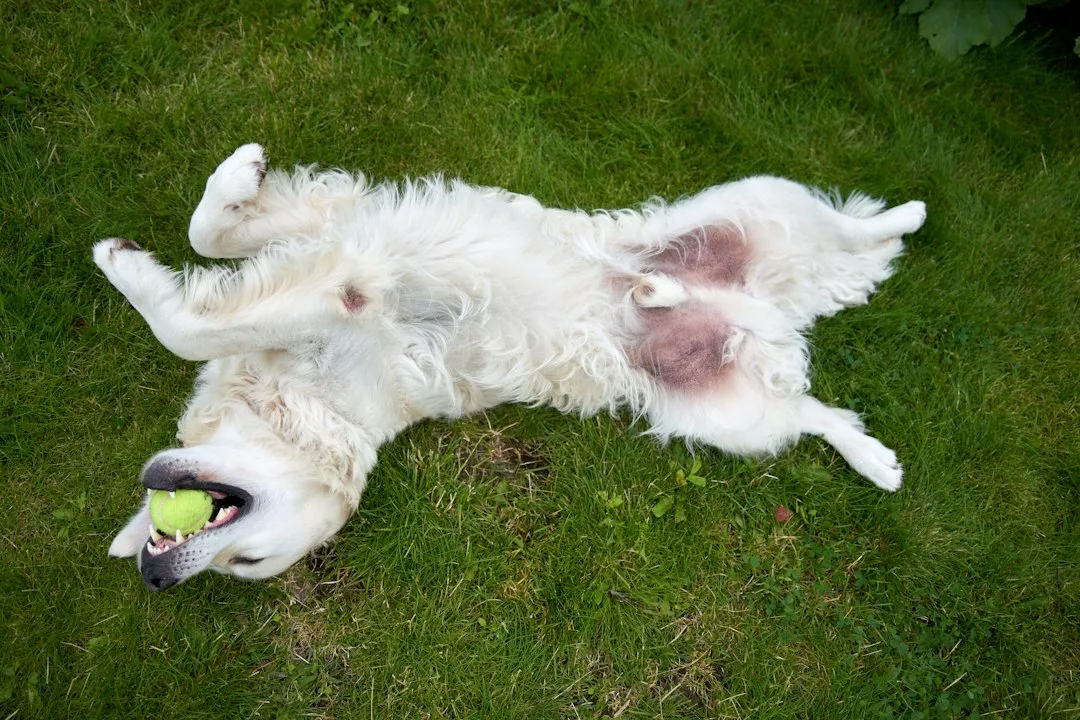
The belly looks visibly swollen, especially on the left side behind the ribs, and it may feel drum-tight when you press it gently. In shorter-coated breeds, this distension can be visible from across the room. In longer-coated dogs, you may need to feel for it rather than see it.
A visibly distended abdomen is one of the most common signs. The stomach may appear swollen or bloated. This swelling often develops rapidly as trapped gas builds and cannot escape. It tends to worsen quickly once it starts.
Restlessness and an Inability to Settle
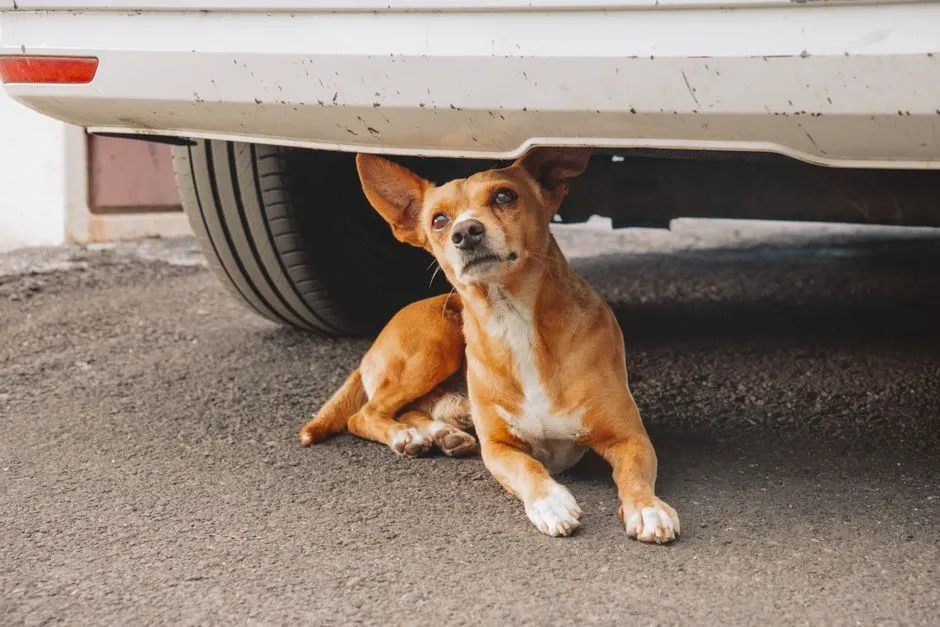
A bloating dog is clearly uncomfortable. He may pace, lie down, get up, circle, and repeat the pattern. This is different from the restlessness of a dog who just wants a walk. It has an urgency and an anxious quality that most owners describe as feeling distinctly wrong.
Some dogs appear restless, pacing or acting anxious. You might also notice changes in posture, such as standing stiffly with an arched back. Together with other signs, this kind of behavioral agitation is a strong indicator that something is seriously wrong internally.
Pale or White Gums
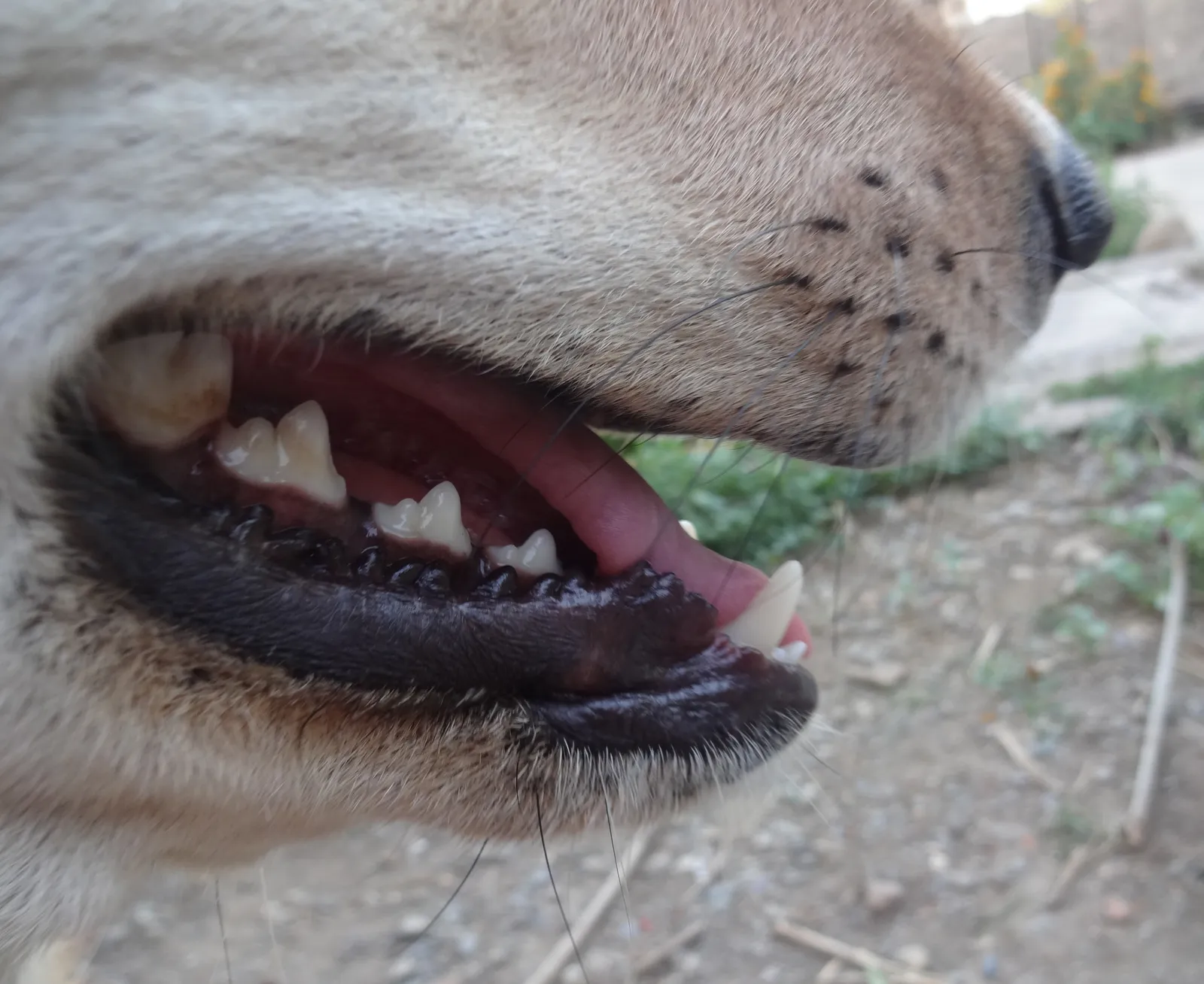
Pale, white, or grayish gums signal shock and indicate that blood is not circulating properly. Healthy dog gums are pink and moist. When GDV compromises the cardiovascular system, gum color changes are one of the clearest visible indicators of how far the crisis has progressed.
In advanced stages, dogs may breathe rapidly or with difficulty, show signs of weakness or collapse, have pale gums or cold limbs, exhibit a racing heart rate, or become lethargic and unresponsive. At this point, the dog is in or near cardiovascular shock, and the window for survival is narrowing fast.
Excessive Drooling and Rapid Breathing
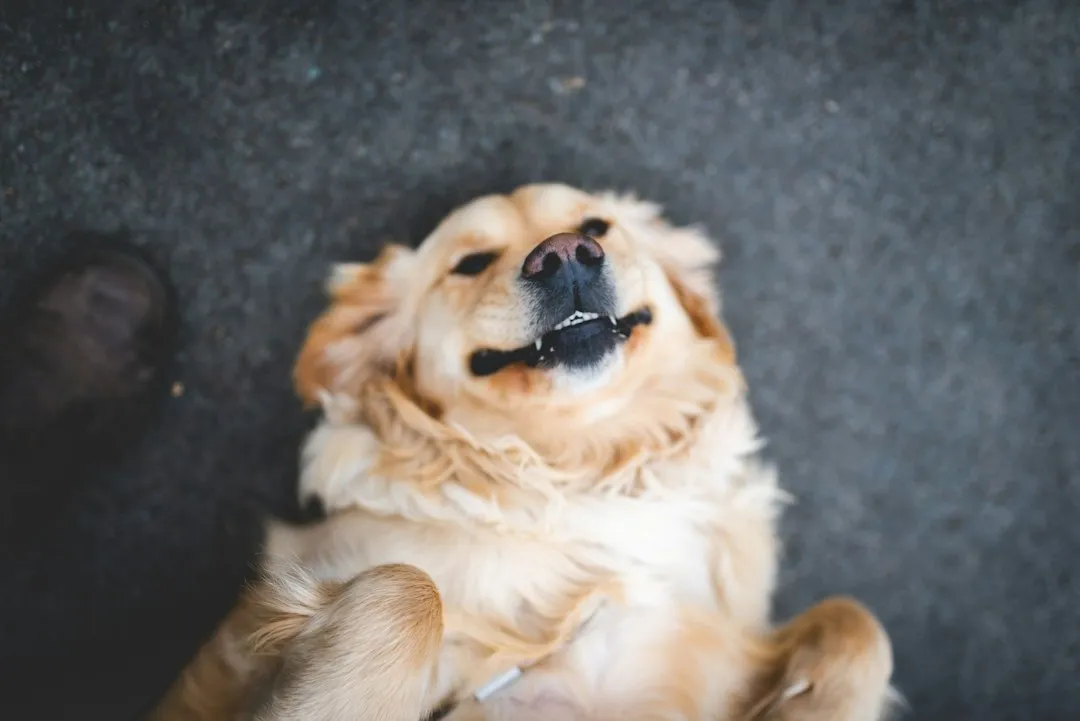
Hypersalivation often accompanies the nausea and distress of GDV. This drooling isn’t the relaxed, food-motivated kind. It tends to be constant, sometimes foamy, and paired with visible discomfort. Difficulty breathing or rapid, shallow breaths can also occur as the distended stomach puts pressure on the diaphragm.
Both signs frequently appear together and can be mistaken for a dog who has eaten something disagreeable. The key difference is the combination of symptoms and the speed at which they escalate. A dog with simple indigestion improves; a dog with GDV deteriorates.
Age and Temperament as Risk Multipliers
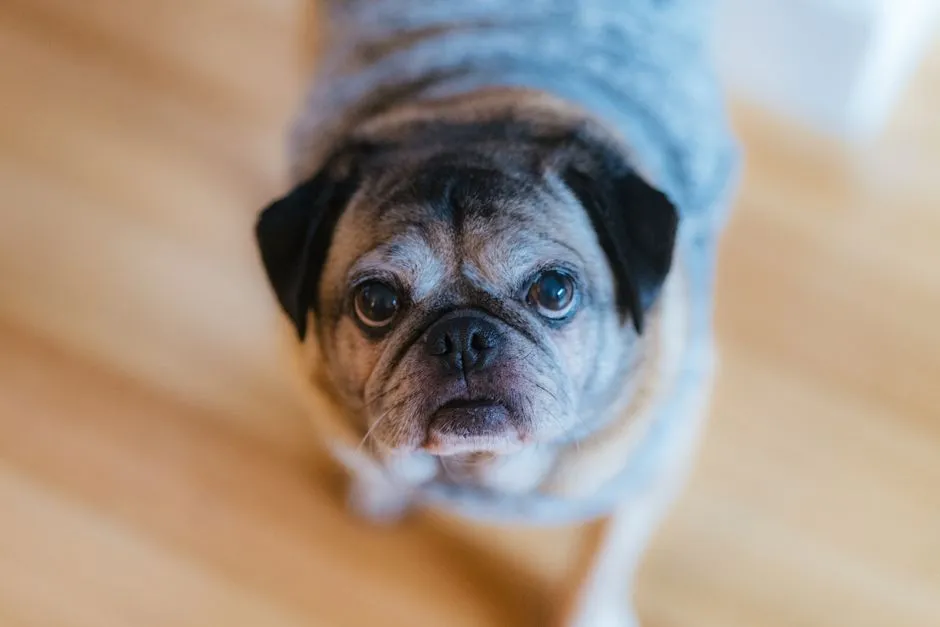
Research from Purdue University found that risk increased roughly 20 percent per each year of age. GDV is more common in older dogs, particularly those aged 7 years and above. This doesn’t mean younger dogs are safe, but it does mean that a senior Great Dane or Saint Bernard deserves especially close attention after meals.
Several factors increase the risk, including genetics, body structure and condition, eating habits, stress, and age. Anxious dogs face higher bloat risk. Establishing consistent routines and creating calm eating environments matters. If a dog guards food or eats nervously around other pets, consider feeding them separately in a quiet space.
Feeding Habits That Raise the Risk
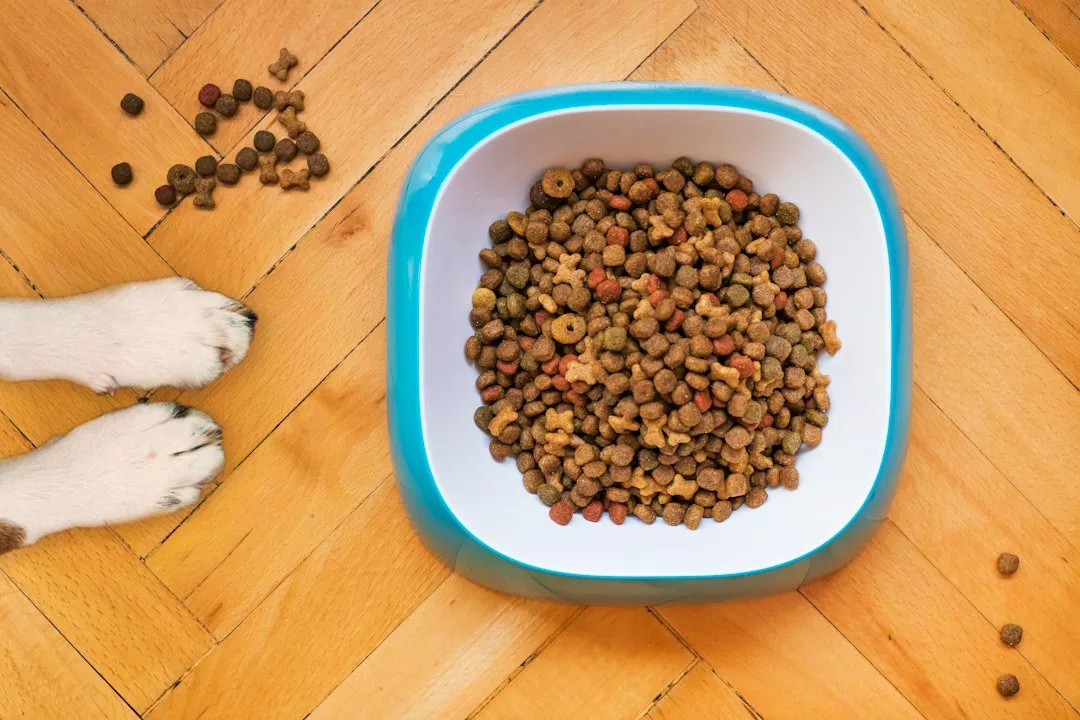
Dogs that eat large meals quickly, eat only one meal per day, or drink a lot of water after eating are more likely to develop GDV. These habits increase the volume of gas and material in the stomach, making distension more likely. A Purdue University study found that elevated bowls actually increased risk in large and giant breeds.
Slowing down fast eaters by using puzzle feeders or placing objects like a ball in their bowl can make a real practical difference. Waiting at least an hour after meals before vigorous play or exercise, and not feeding immediately after intense activity, is also consistently recommended by veterinarians.
The Role of Cardiac Arrhythmias
Many dogs with GDV develop cardiac arrhythmias, occurring in roughly 40 percent of cases in one study. This is a complication that can persist even after the stomach has been surgically corrected, making post-operative monitoring a critical part of care. It’s one of the reasons GDV patients need intensive observation in the hours following surgery.
GDV most commonly affects large dogs, with mortality rates ranging from 10 to 33 percent. Those numbers reflect cases where dogs received prompt surgical care. Without medical and surgical intervention, GDV is fatal. The survival rate with medical and surgical intervention is greater than 80 percent. Speed of treatment is the single biggest variable in that equation.
Gastropexy: The Preventive Option Worth Discussing
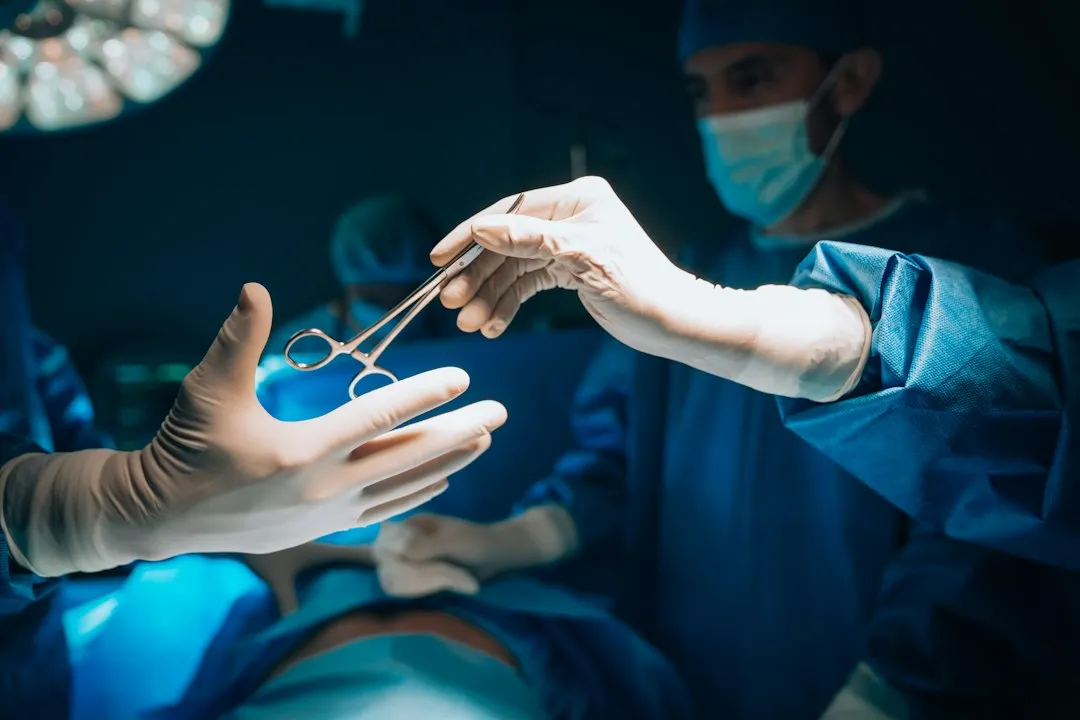
Prophylactic gastropexy, often performed at the time of a spay or neuter for at-risk breeds, attaches a portion of the stomach to the body wall. This prevents the twisting component of GDV, which is the part that kills. Gastropexy reduces the risk of recurrence to as low as 3 to 5 percent, compared to a recurrence rate as high as 80 percent without it.
Gastropexy greatly reduces the risk of the stomach twisting, though it does not prevent bloat itself. It is especially recommended for high-risk breeds and can be done during routine procedures, such as spaying or neutering. For breeds like Great Danes and Saint Bernards, this conversation with a vet is worth having early, not after a crisis.
What to Do the Moment You Suspect Bloat
GDV develops without warning and can progress very quickly. Recognizing the early signs is essential to increasing the chances your dog will survive. There is no home treatment for GDV. There is no safe wait-and-see period. The only appropriate response is immediate travel to an emergency veterinary facility.
Research estimates that GDV affects tens of thousands of dogs each year in the United States. Survival rates drop significantly with each hour that treatment is delayed. Call ahead to the emergency clinic while someone else drives. Time spent on the phone with a vet on the way is better than time spent deciding whether to go at all.
The Knowledge That Could Save Your Dog’s Life
AI Disclaimer: This article was created with the assistance of AI tools and reviewed by a human editor.