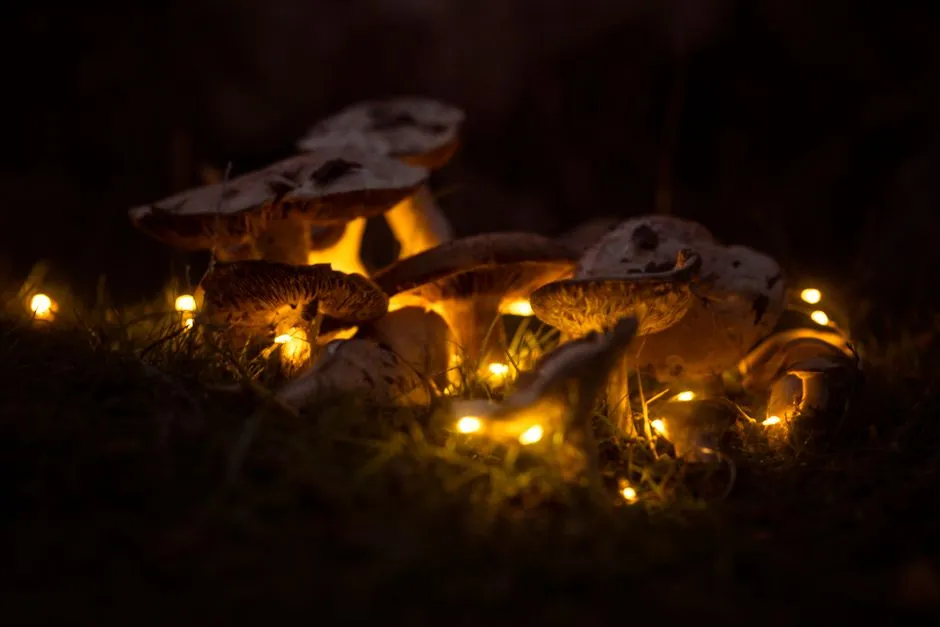

Something has been catching people off guard in Midwestern backyards this summer: a soft, eerie green glow pulsing from old tree stumps and rotting wood after dark. It’s not a trick of the eye or a stray light source. It’s a living fungus, doing something that feels more supernatural than biological.
This phenomenon, often grouped under the broad term “ghost fungus” or “foxfire,” has drawn fresh attention from naturalists, casual hikers, and backyard gardeners alike. The science behind it is as strange as the sight itself.
What People Are Actually Seeing
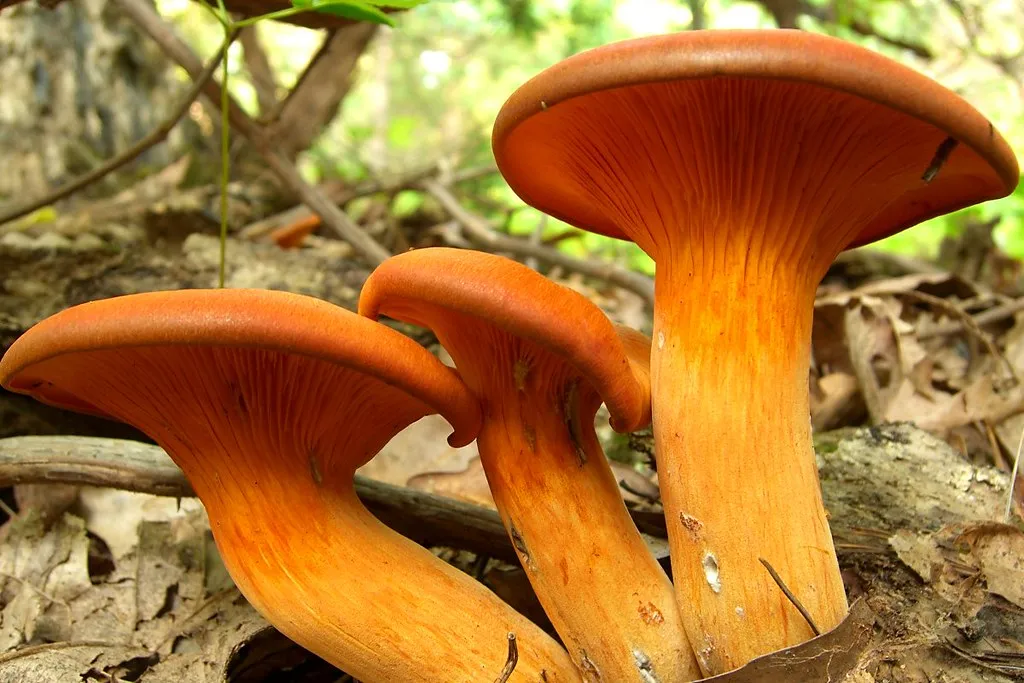
What locals are spotting is known as foxfire, a phenomenon produced by certain bioluminescent fungi. At least two types of fungus known for producing bioluminescent light are commonly found in forests throughout the Midwest, including Iowa: some Panellus species, also known as bitter oyster mushrooms, and some Omphalotus species, also known as jack-o’-lantern mushrooms.
Often occurring in the late summer to early fall months, these bioluminescent mushrooms are commonly referred to as Jack-o-Lantern Mushrooms. The name stems from the orange color and glowing appearance.
In North America, it is a common fall mushroom east of the Rocky Mountains, and is frequently found in urban settings, sprouting from and around dead trees and stumps. That includes suburban lawns, backyard gardens, and city parks.
The Species Behind the Glow
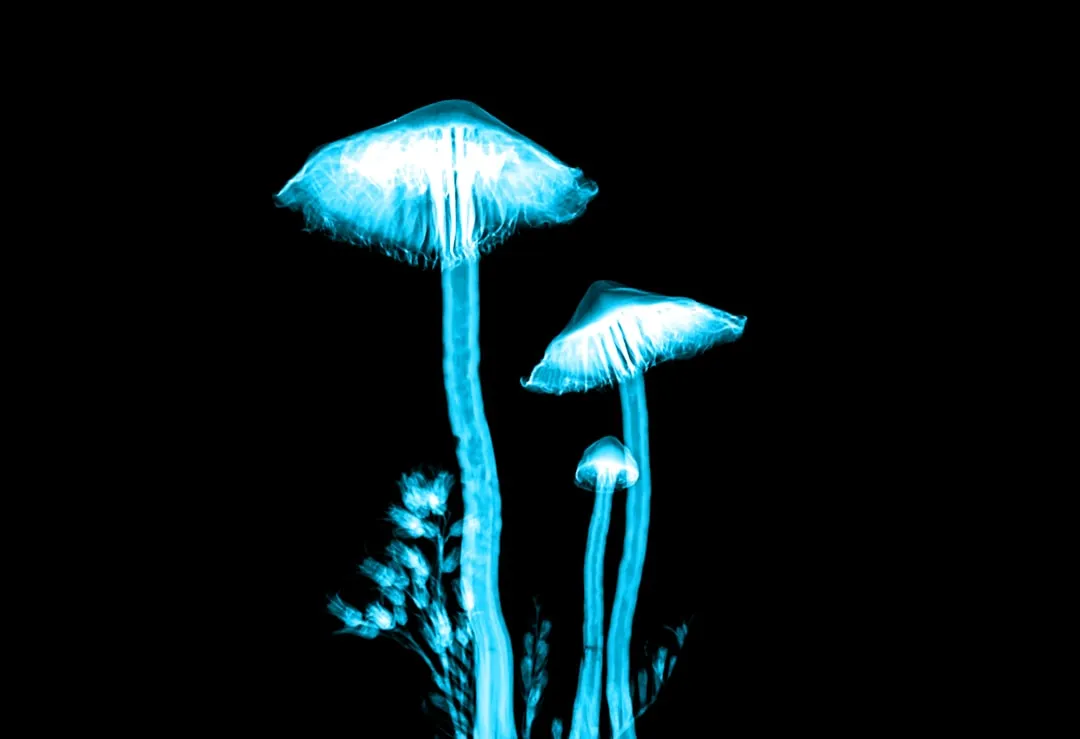
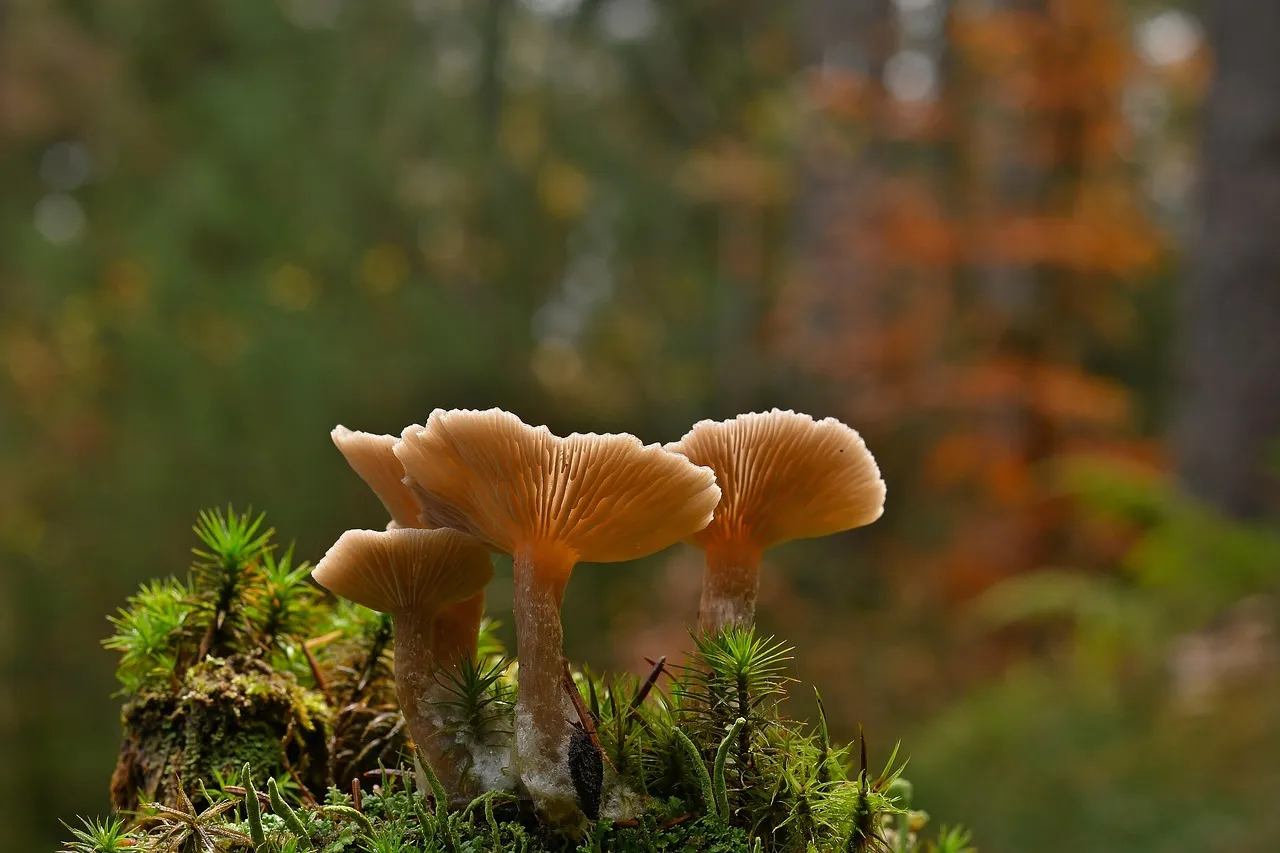
Omphalotus illudens, commonly known as the eastern jack-o’-lantern mushroom, is a North American species of fungus. It forms a large, orange mushroom, with caps that grow up to 15 centimeters wide.
Its gills often exhibit a weak green bioluminescence when fresh. This green glow has been mentioned in several journal articles, which state that the phenomenon can persist up to 40 to 50 hours after the mushroom has been picked.
The Midwest and the East Coast have a couple of other species of glow-in-the-dark Omphalotus: illudens and olearius. The two are distinct species, despite often being confused in older literature, and both turn up in Midwestern woodland edges and yards.
How the Glow Actually Works
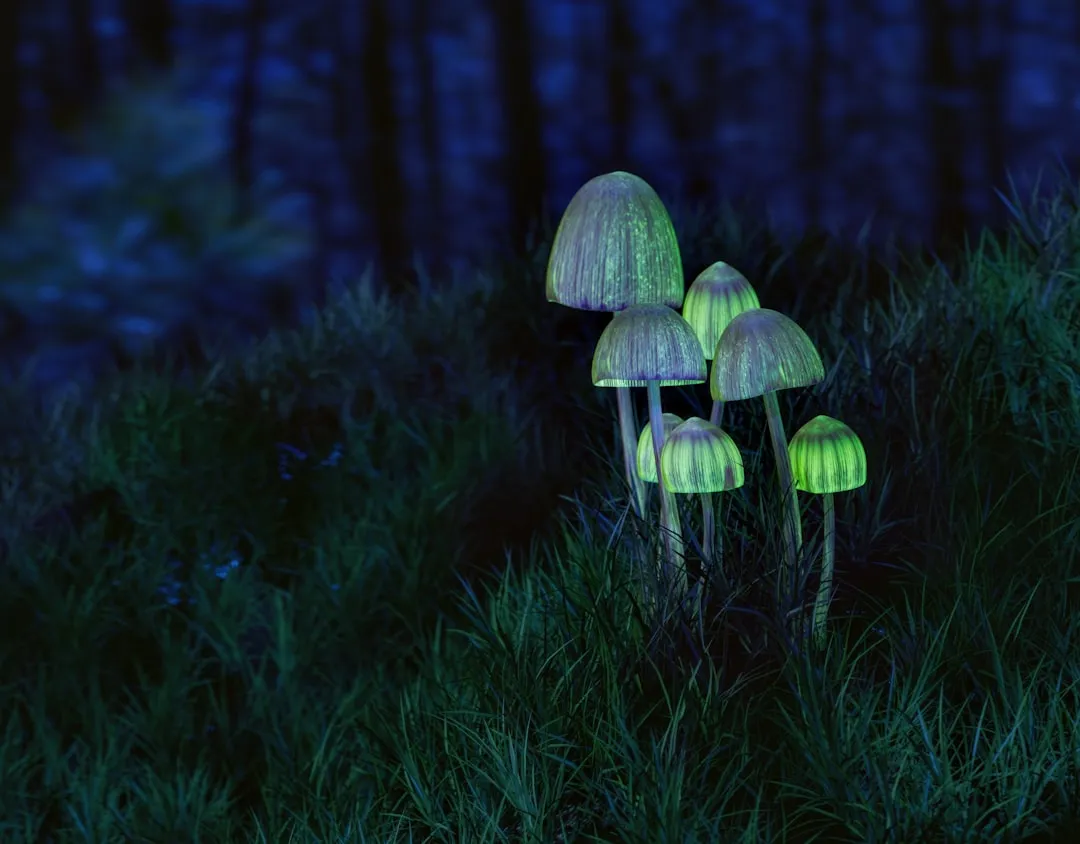
Bioluminescent mushrooms produce light through a natural chemical reaction within their cells. This reaction involves compounds called luciferins, which interact with oxygen and specialized enzymes to generate light. The result is a soft neon-green glow that becomes visible once your eyes adjust to darkness.
Foxfire glows only at night, with a continuous green light, which implies that the process is regulated. A 2015 study in Current Biology suggests that the release of luciferin in mushrooms is guided by circadian rhythms.
Nearly all the energy used in bioluminescence is given off as light, with only about 4 to 5 percent released as heat. By contrast, roughly 90 percent of the energy used by an incandescent light bulb is released as heat and only 10 percent results in the production of light. This is why scientists call it “cold light.”
Where to Find It in the Midwest
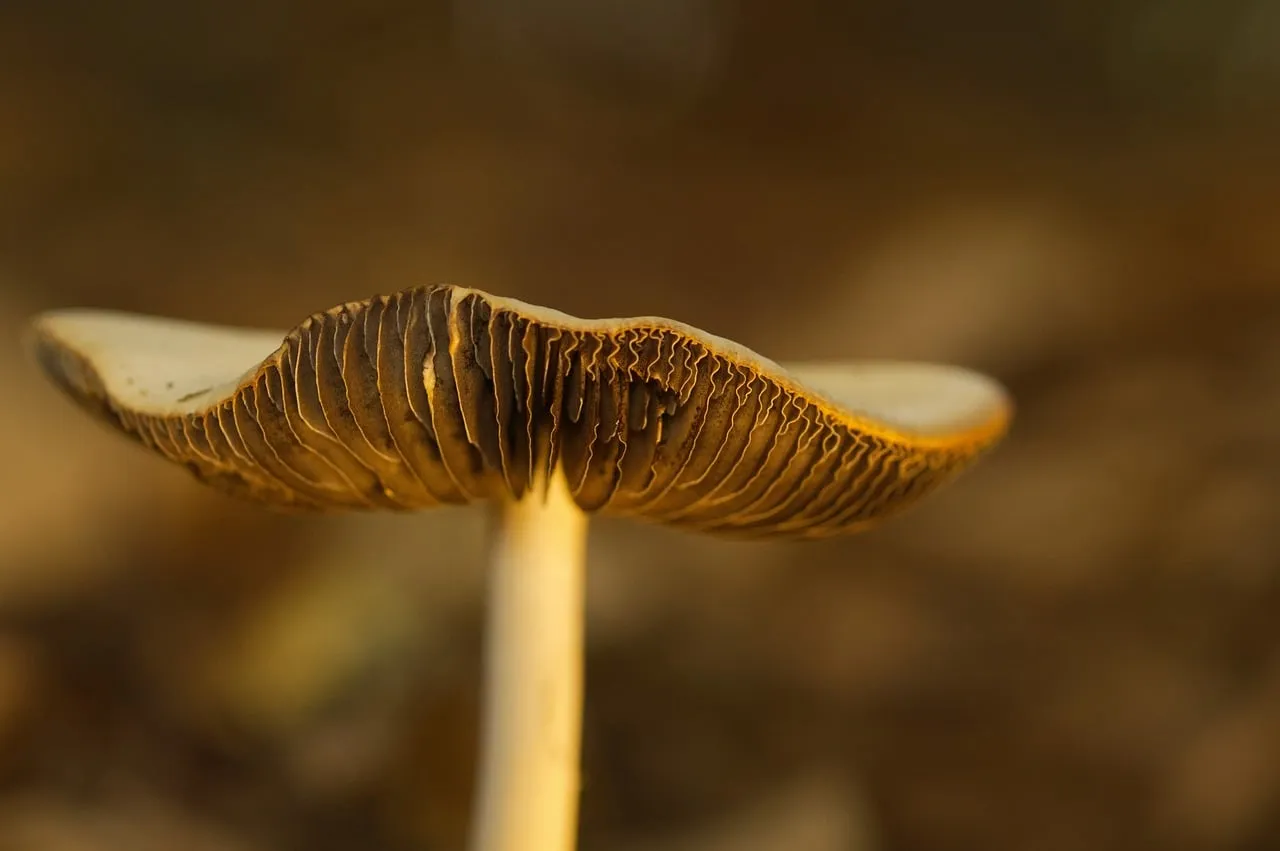
Omphalotus illudens is often found in clumps on decaying stumps, buried roots, or at the base of hardwood trees in eastern North America, from June through November.
Bioluminescent fungi are decomposers. Their job is to break down dead organic material, so that’s exactly where you’ll find them. They aren’t picky about the type of forest, as long as it’s a mature, damp woodland with plenty of fallen trees and decaying logs.
From what observers report while out in the field, the best places to see fungi are in mixed deciduous forests, especially when oak trees are in the mix. Your best bet for seeing foxfire is to head to old, moist oak woods where you can find lots of big dead sticks, logs, and stumps.
The Gallery: What It Looks Like Up Close
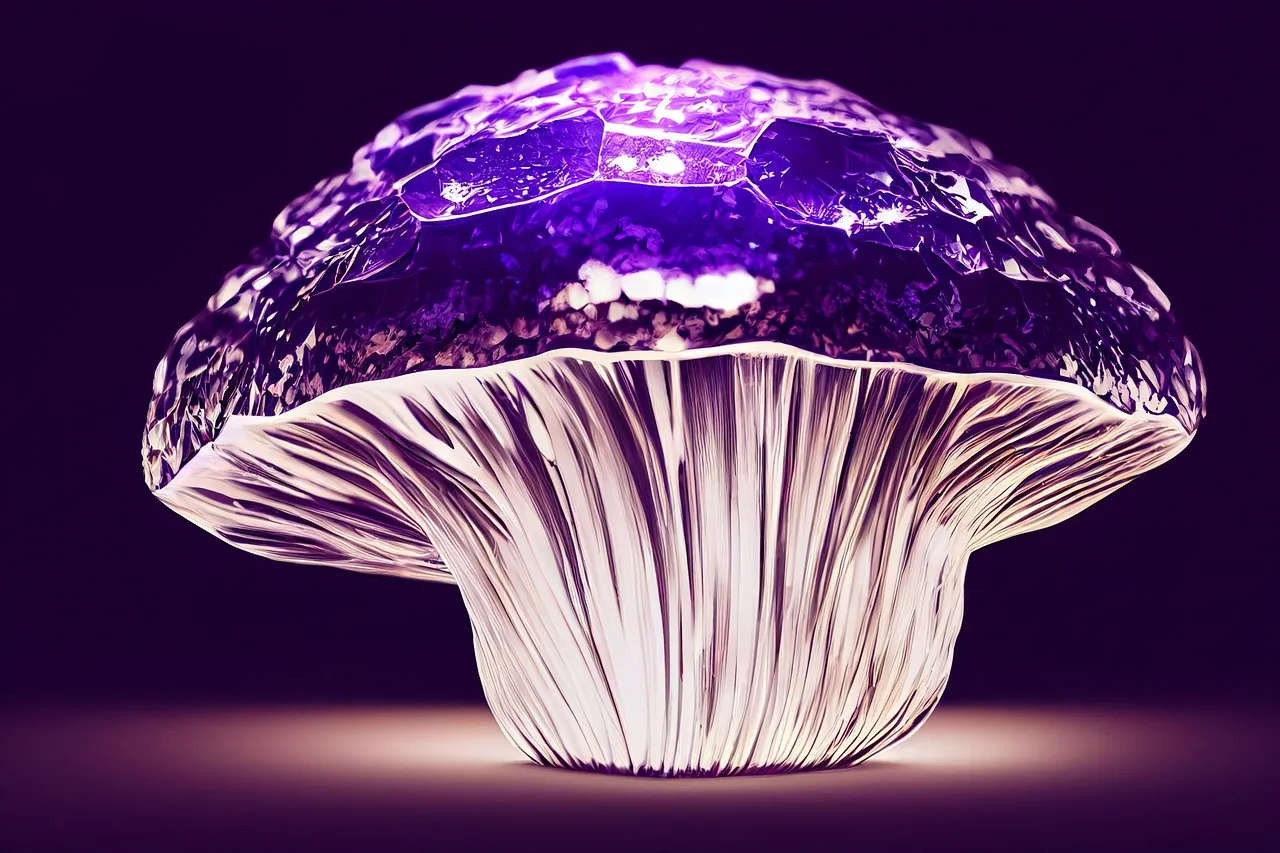
The mushroom glows in the dark, but not the whole thing – just the gills on the underside. If you find these mushrooms, take them into a very dark room and stare at the gills of the fungus until your eyes become acclimated to the dark, and you should see an eerie greenish glow emanating from the fungus.
The mycelium, the root-like network of the fungus growing within the wood or soil, is often the part that glows most consistently and brightly. This is what creates the phenomenon known as “foxfire,” where entire pieces of decaying wood seem to emit an eerie light from within.
The light emitted is yellowish green or, less frequently, bluish green. Which part of the fungus glows varies depending on the species. For some, it’s the fruiting body or part of the fruiting body, such as the stalk or gills. For others, the glow emanates from the mycelium.
Why Scientists Are Still Puzzled
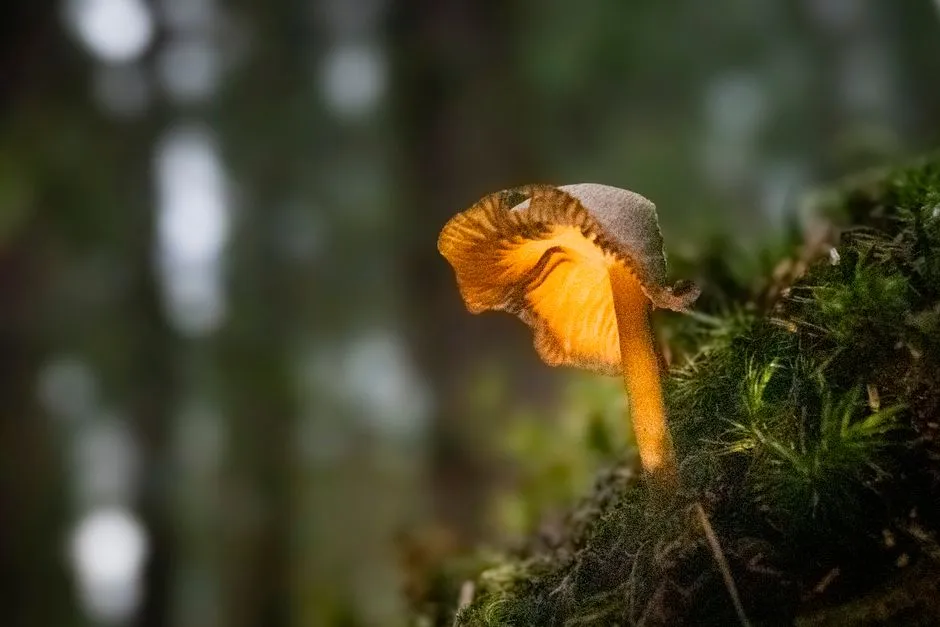
It’s not clear why they glow, though a 2015 study in Current Biology theorizes that it’s to attract insects that can spread their spores, making them the street lights and porch lights of the forest floor.
However, studies on the jack-o’-lantern mushroom have not yet determined the exact purpose of bioluminescence in this species. That ambiguity is telling. Even a species well documented for more than two centuries still holds a core mystery.
Other theories hold that the mushrooms glow as a warning, to show that they are toxic or unpalatable. Neither theory conclusively explains why the fungi glow.
A Long History of Human Fascination
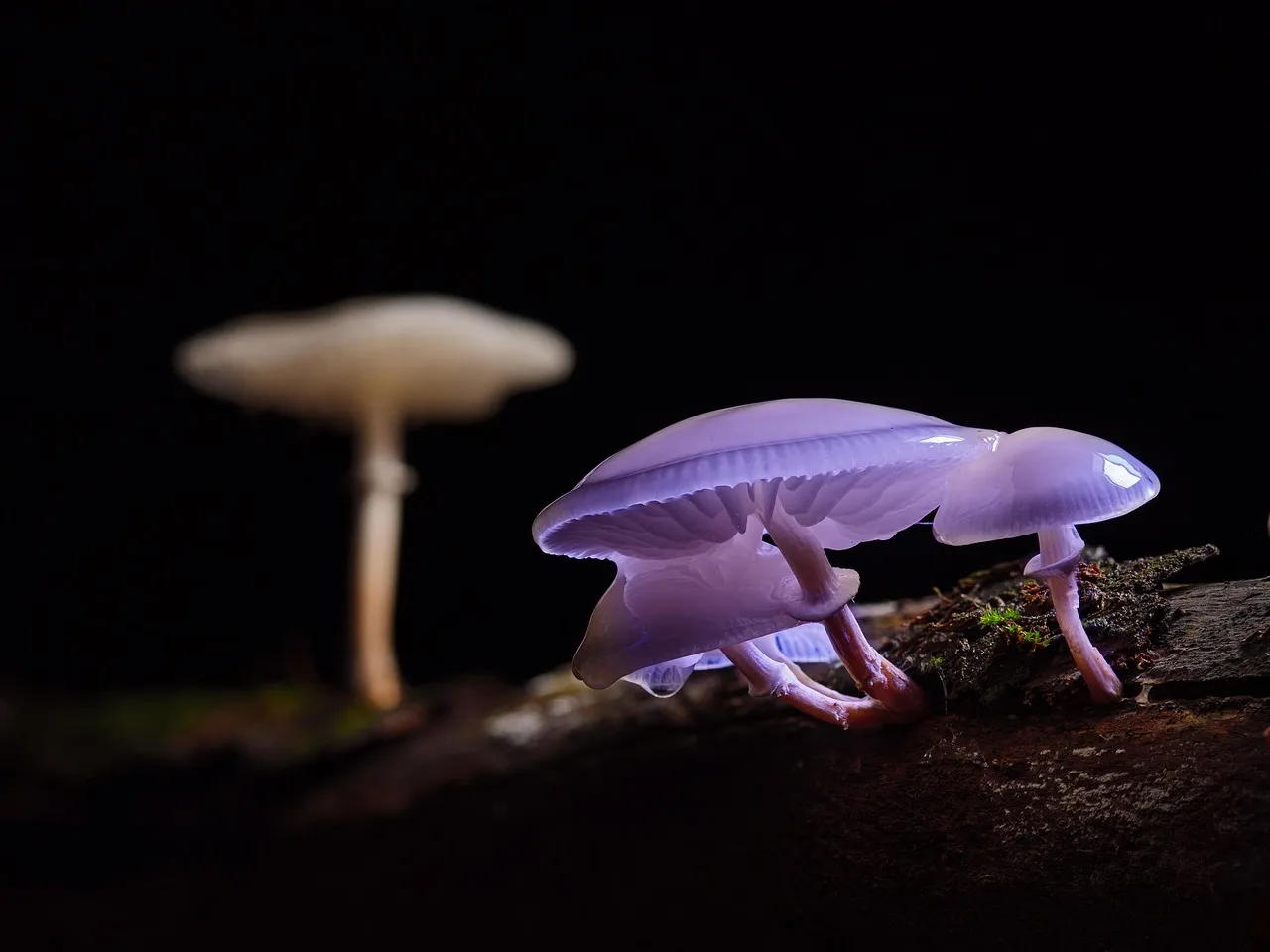
The mysterious forest glow, sometimes referred to as “fairy fire,” was first observed thousands of years ago, when Aristotle described a “cold fire” light emanating from the woods. Later, in the first century, Roman thinker Pliny the Elder described luminescent mushrooms on white wood in olive groves.
In the 1500s, a Swedish scholar noted that Scandinavians used luminescent fungi for light during dark, winter nights, and in the 1600s, a Dutch physician noted that Indonesian cultures used them as improvised torches.
Foxfire was even used to light the needles on the barometer and compass of an early submarine, the Turtle, built in 1775 to break the British blockade of Boston Harbor. That’s not a detail you encounter often in the history of warfare.
Do Not Eat It – This Is Critical
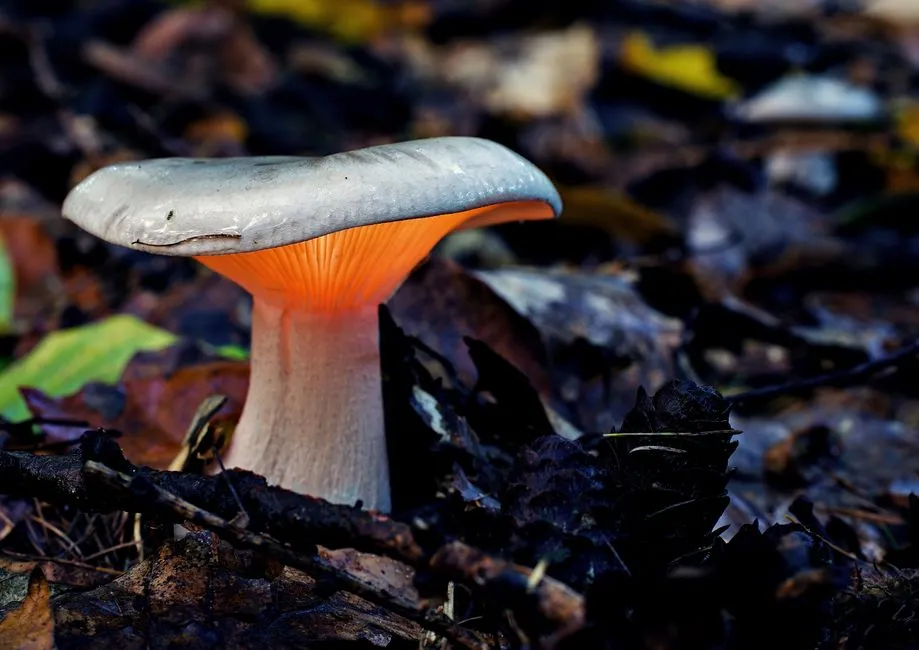
Many of the most common bioluminescent ones, like the jack-o’-lantern (Omphalotus olearius) and the Ghost Fungus (Omphalotus nidiformis), are toxic and will cause severe gastrointestinal distress including vomiting, diarrhea, and cramps.
Unlike chanterelles, O. illudens is poisonous to humans when eaten, whether raw or cooked. The confusion with edible chanterelles is probably the most dangerous aspect of encountering these mushrooms casually in the wild.
The poisonous chemical compounds illudin S and illudin M were isolated from O. illudens. In addition to their antibacterial and antifungal effects, illudins appear to be the cause of human toxicity when these mushrooms are eaten raw or cooked, causing vomiting, cramps, and diarrhea.
Telling It Apart From Edible Look-Alikes
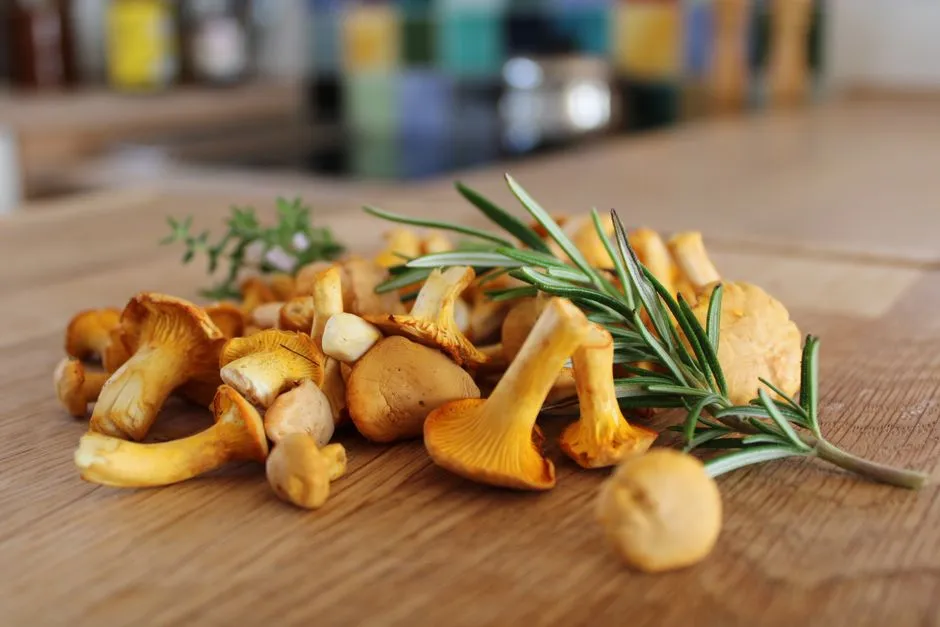
Two delicious chanterelles are similar in color and shape to the jack-o’-lantern mushroom, but their undersides are smooth or have blunt ridges, not gills, and they grow singly on the forest floor, not in clusters on wood.
A characteristic that distinguishes chanterelles from the jack-o’-lantern is the appearance of the gills. Jack-o’-lanterns have sharp, bendable, paper-like gills; chanterelles, however, have false gills that take the appearance of blunt ridges.
During the day, bioluminescent mushrooms often look like any other common fungus. The jack-o’-lantern, for example, is a vibrant orange and often mistaken for the edible chanterelle, a dangerous mix-up as the jack-o’-lantern is toxic.
A Surprisingly Useful Organism
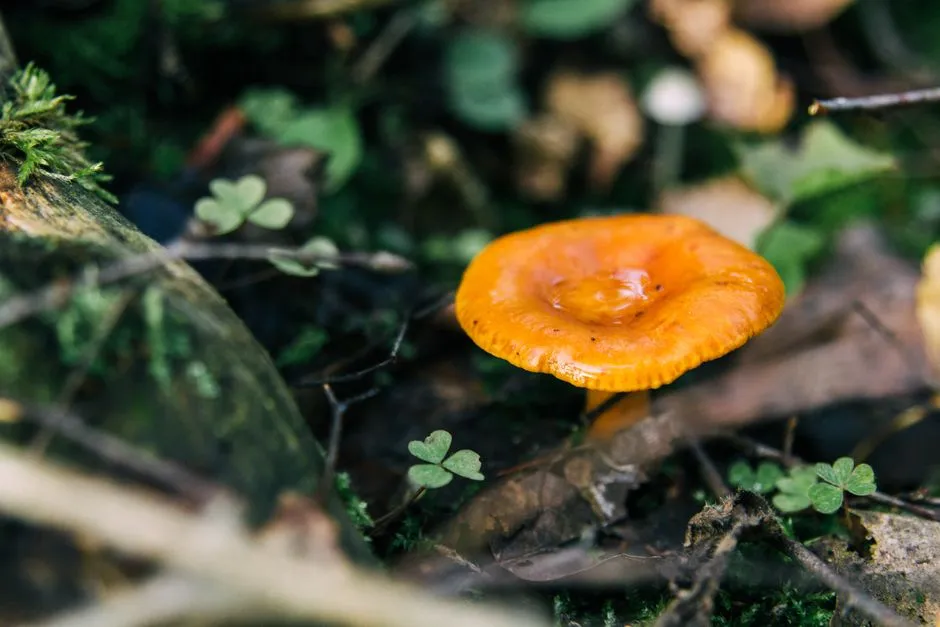
This saprotrophic fungus feeds on decaying wood, often appearing in mass on stumps, logs, and the base of trees. It tends to grow in overlapping clusters, creating a visually impactful display. The fungus plays a valuable role in decomposing forest material, which contributes to the health of forest ecosystems.
Jack-o’-lanterns are bioluminescent mushrooms that possess the ability to produce luciferase, an enzyme responsible for the glowing gills. This pathway can be useful for studying the effects of chemical pollutants, organophosphate runoff from herbicides and fertilizers, and other naturally or man-made compounds.
All of the bioluminescent fungi identified to date are known wood-decayers and have the ability to digest the normally recalcitrant lignin molecule. That makes them genuinely important in forest nutrient cycles, not just photogenic oddities.
How to See It for Yourself This Summer
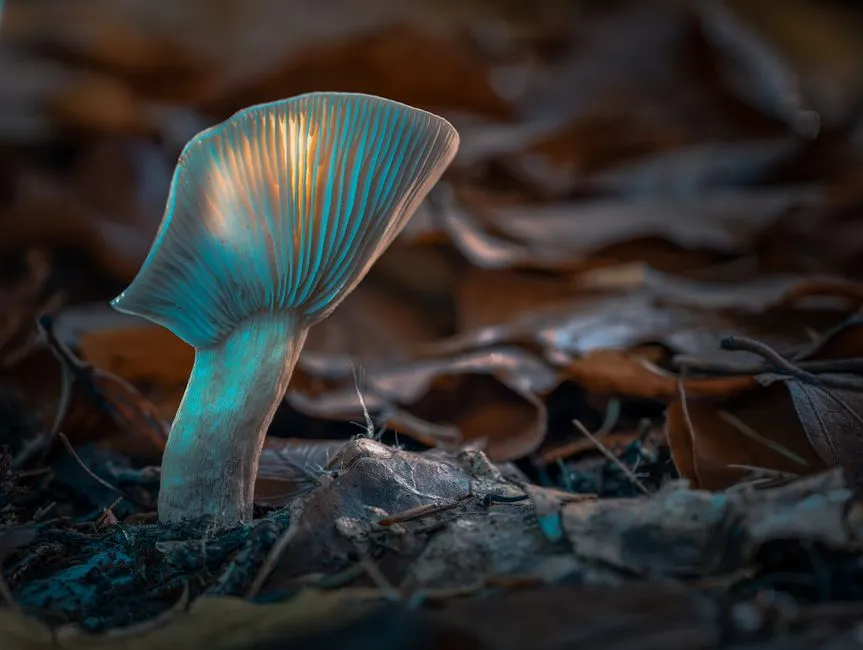
The glow is most likely to appear bright only in thick woods on a moonless or cloudy night, or somewhere very dark like a cave or mine. In a suburban backyard with ambient light, your eyes will need several minutes to fully adjust.
If you see the mushroom during the day, you can bring it home and stare at it in your dark basement; it apparently glows for 40 to 50 hours after collection. Be careful not to eat it, because it is poisonous.
There is no reliable rule that connects bioluminescence to toxicity, but there are no known glowing mushrooms considered choice edibles. Never eat a mushroom you have not identified with complete certainty. Admire their glow, don’t ingest it.
Final Thoughts
There’s something quietly remarkable about a living thing that earned Aristotle’s attention in ancient Greece and still surprises people in Ohio and Michigan backyards in 2026. The ghost fungus doesn’t require a remote wilderness or expensive equipment. It just requires darkness, patience, and a stump you’ve probably walked past a hundred times without a second thought. Sometimes nature’s most extraordinary performances happen right at the edge of your lawn.
AI Disclaimer: This article was created with the assistance of AI tools and reviewed by a human editor.