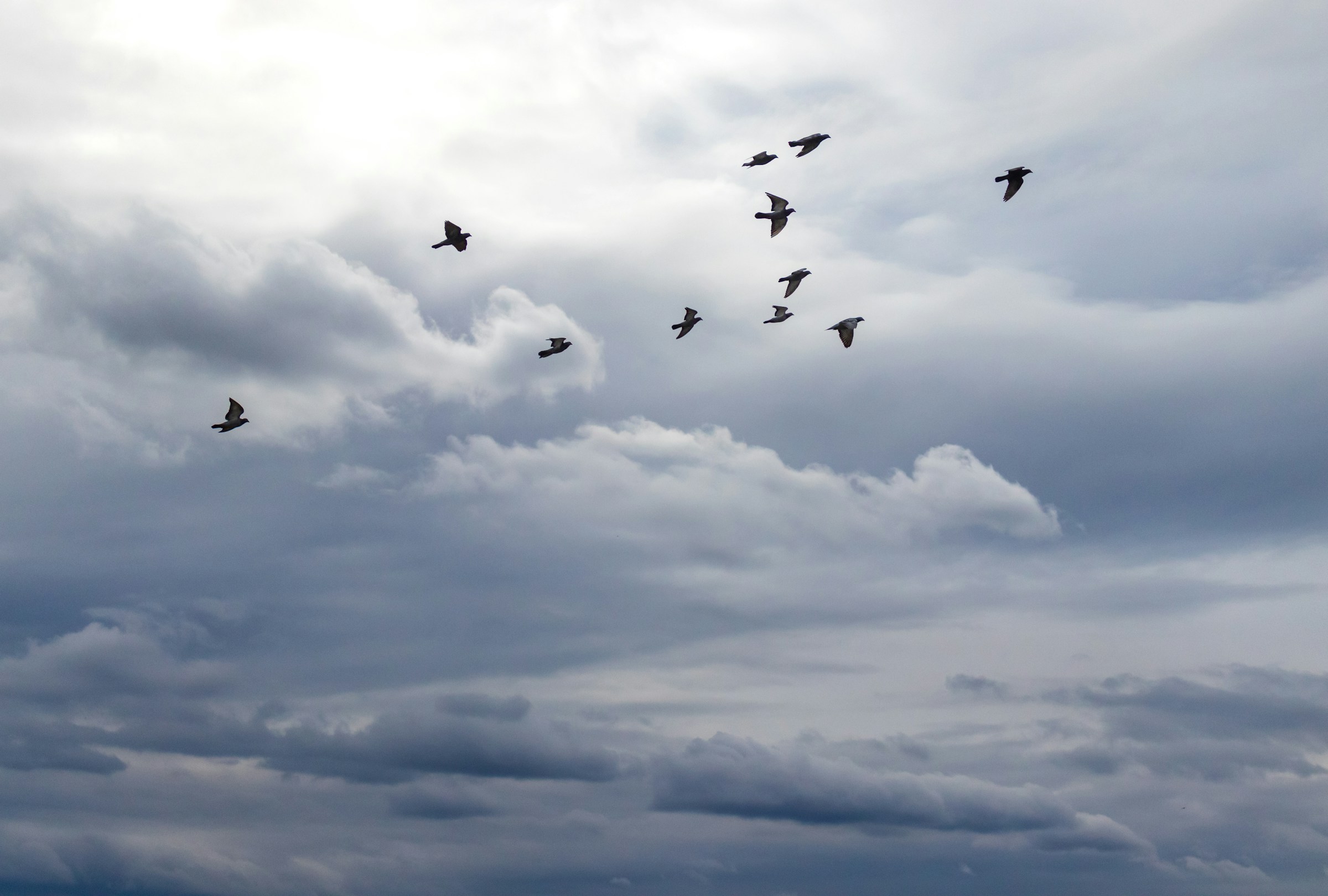

Step outside on a spring morning in almost any American neighborhood and you might notice something off. The feeder is full, the yard looks perfectly fine, but the usual chorus feels thinner than it used to. That quiet is not your imagination.
Since 1970, nearly 3 billion birds have vanished from North America’s skies, almost one in every four. The losses are no longer confined to rare, remote species. They are happening at your window, above your garden, and in the trees down the street.
The Scale of What’s Being Lost
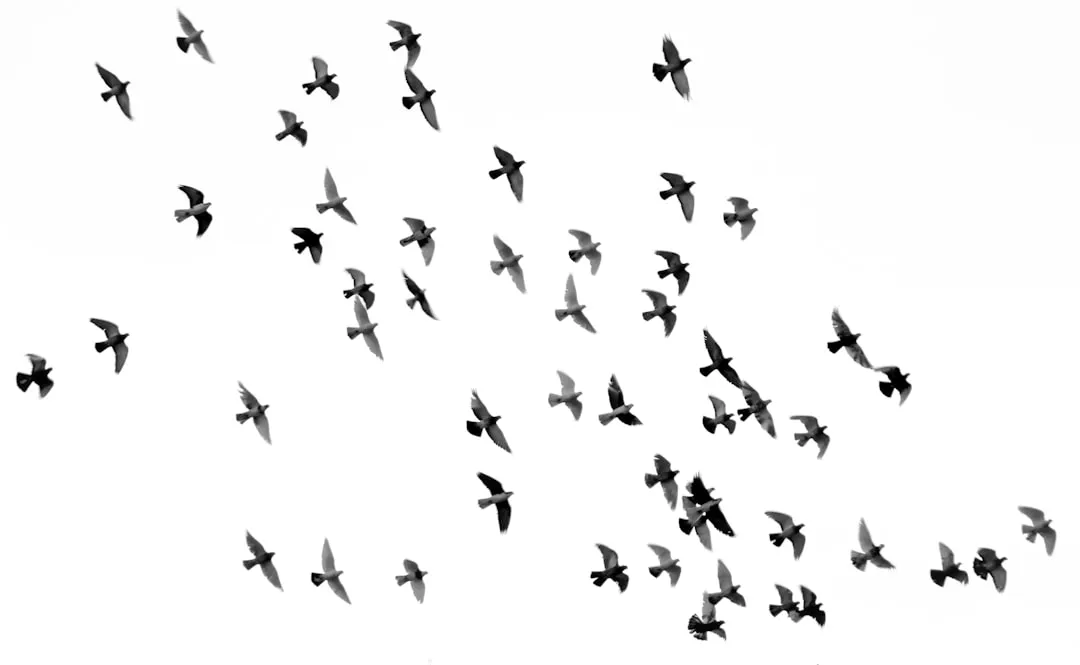
The 2025 U.S. State of the Birds report, produced by a coalition of leading science and conservation organizations, reveals continued widespread declines in American bird populations across all mainland and marine habitats, with 229 species requiring urgent conservation action. The report comes five years after the landmark 2019 study that documented the loss of 3 billion birds in North America over 50 years.
Key findings show that more than one third of U.S. bird species are of high or moderate conservation concern, including 112 Tipping Point species that have lost more than half of their populations in the last 50 years.
Birds are declining most severely where they are most abundant, the very places where they should be thriving. More than four out of every five species examined are losing a larger percentage of their population precisely where they were once most common.
The Eastern Meadowlark: A Grassland Voice Going Silent
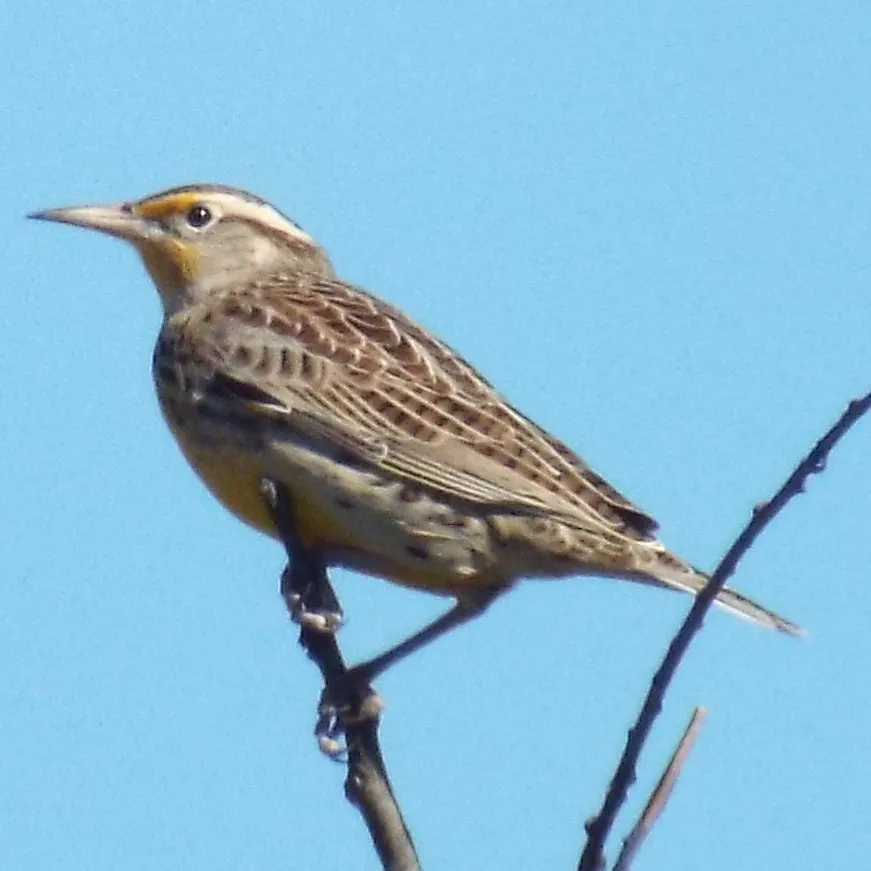
Eastern meadowlark populations across U.S. grasslands have dropped by roughly three quarters since 1970. This is a bird familiar to anyone who grew up near open fields, its clear whistled song carrying across fence lines and pastures.
Grassland and aridland species have been dealt the heaviest blow, with both groups losing more than 40 percent of their total populations since 1970. Row-crop conversion and industrial mowing schedules have removed the ground-level nesting cover these birds depend on entirely.
The Chimney Swift: Losing Its Footholds in Urban Skies
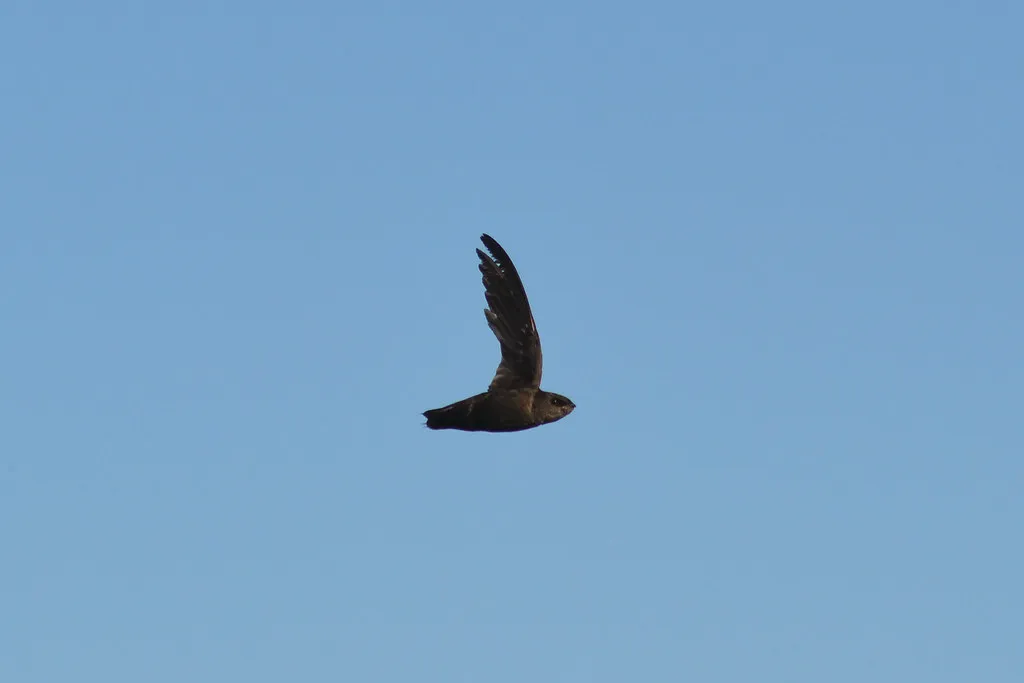
Chimney swifts are now classified as an Orange Alert species, meaning their populations are declining long-term and those declines are accelerating. For generations, their chittering calls above old brick chimneys were a standard sound of summer evenings across eastern towns.
The number of breeding adult aerial insectivores has declined roughly a third since 1970, a loss of 160 million birds. Swifts in particular have lost more than 19 million birds, a staggering 65 percent decline since 1970. The twin pressures of capped or demolished chimneys and collapsing insect populations have hit them from both ends.
The Barn Swallow: Fewer Acrobats Over Summer Fields
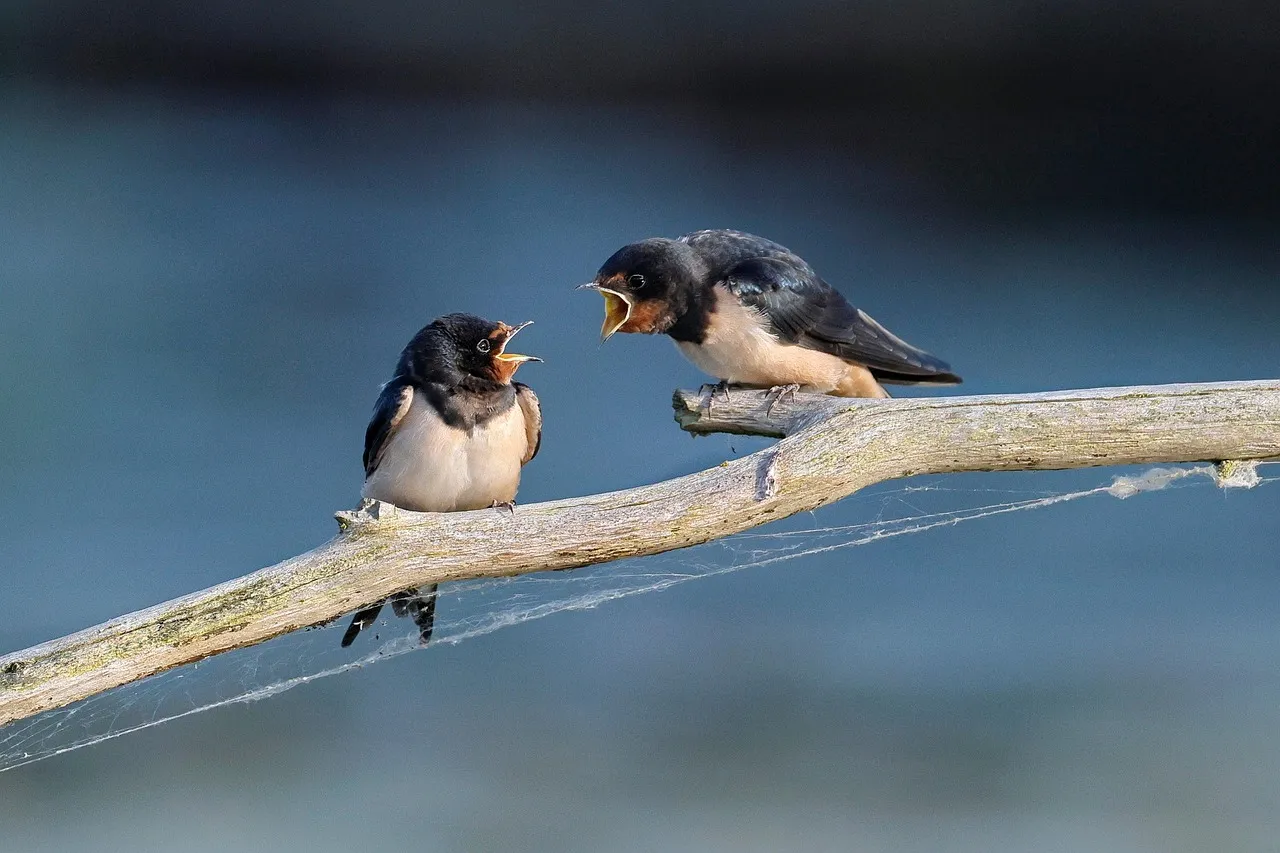
Barn swallows, once known for their acrobatic flights and sweeping dives over barns, ponds, and fields, are finding fewer and fewer meals to fuel their migrations as insect populations continue to decline. Studies estimate roughly a 38 percent decline in the North American barn swallow population since the 1970s.
Data from urban monitoring programs show that counts for native aerial insectivores like Cliff Swallows, Barn Swallows, and Vaux’s Swifts declined by an average of 13 percent per year in the areas studied, a rate that compounds into serious losses over even a single decade.
The Allen’s Hummingbird: A Feeder Favorite in Freefall
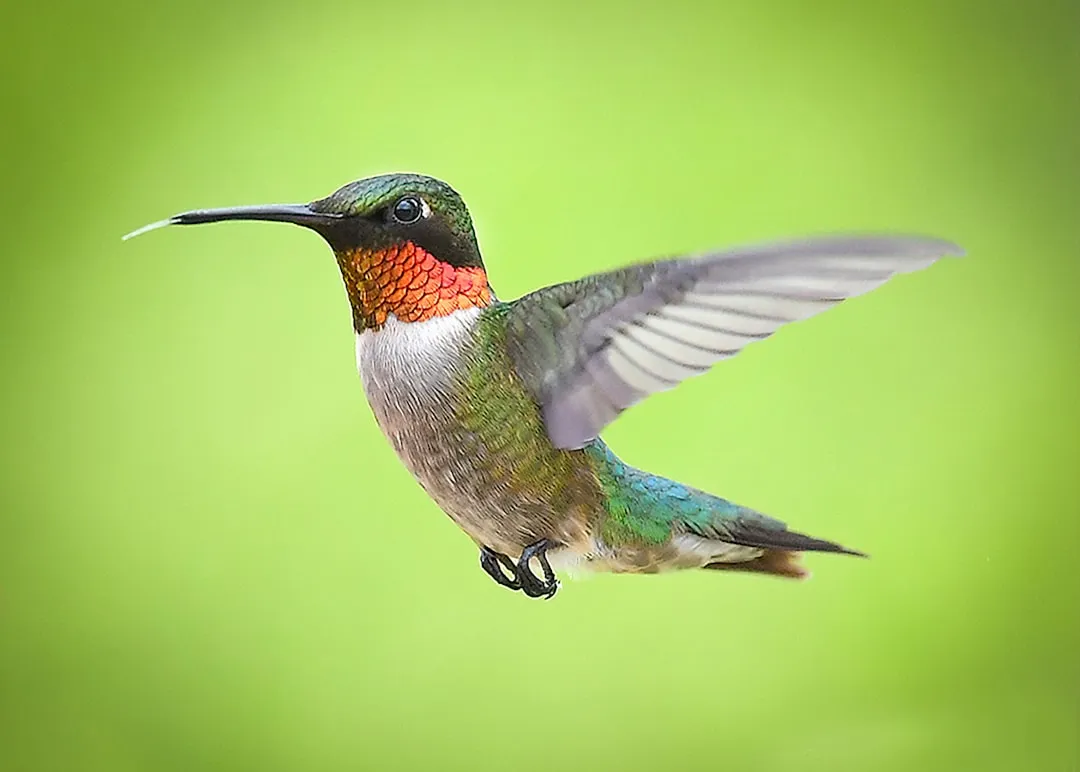
Backyard birders have seen fewer and fewer Allen’s hummingbirds over time: their populations decreased by 80 percent between 1968 and 2019. This is one of the species that draws people to put out sugar-water feeders each spring, and its decline has been both sharp and largely unnoticed by the general public.
Overall threats to hummingbirds like the Allen’s and the rufous include collisions with buildings, predation from outdoor cats, and deforestation or shrinking habitats. The rufous hummingbird is also flagged as an Orange Alert species in the same 2025 report.
The Wood Thrush: A Forest Song Fading
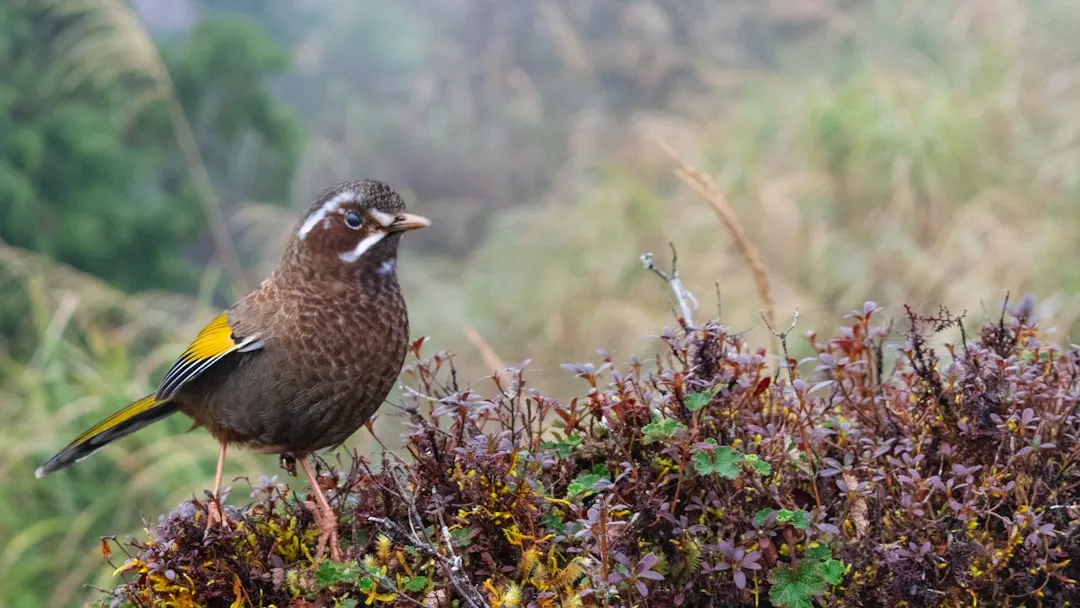
The haunting, flute-like song of the wood thrush once echoed across eastern forests and wetlands, but as large tracts of these habitats are carved into fragments, this species is struggling. One study noted a near 60 percent drop in the U.S. population of adult breeding wood thrushes.
The wood thrush requires large, connected forest tracts for successful nesting, a habitat type that suburban and agricultural sprawl has steadily eliminated. It is a bird that many Americans have never knowingly seen, yet its song was once considered one of the most beautiful in North America.
The Red-Winged Blackbird: Even the Common Ones Are Slipping
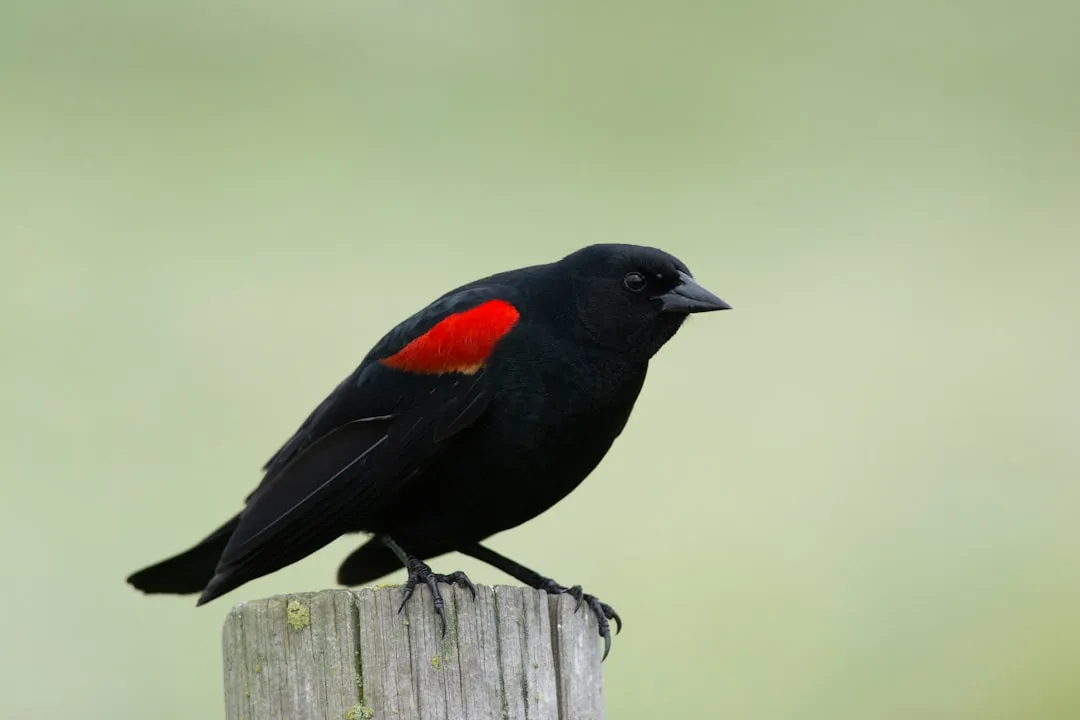
The red-winged blackbird, still one of the continent’s most numerous birds, has lost nearly a third of its population since 1970. That figure is striking because this species was long considered so plentiful that it was practically impossible to threaten.
It isn’t the rare species being lost first. It’s the sparrows, swallows, jays, and thrushes that once seemed too abundant to ever fail. The red-winged blackbird’s decline is a clear signal that commonness is no longer a reliable form of protection.
Where Losses Are Accelerating the Fastest
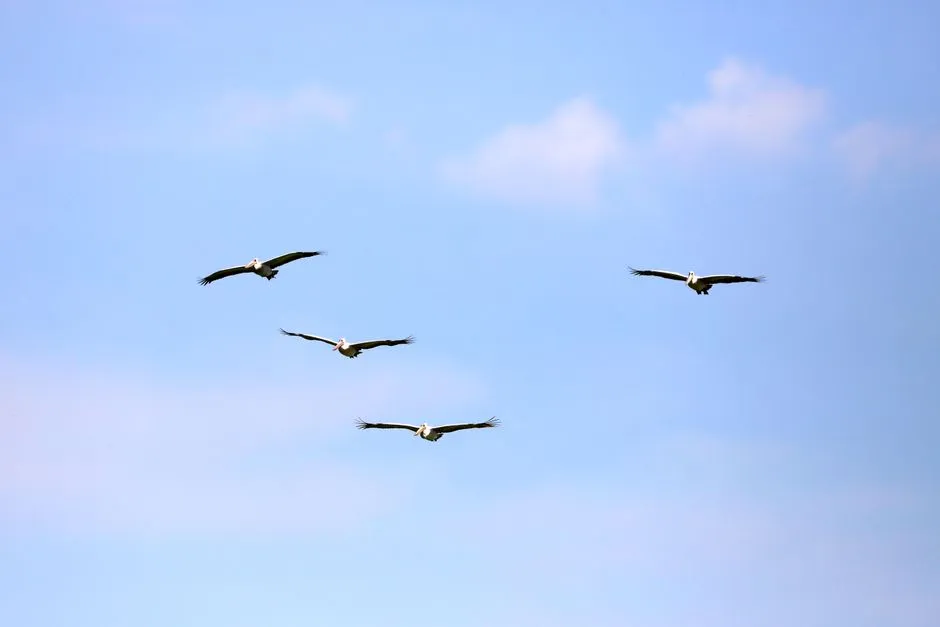
Billions fewer birds are flying through North American skies than decades ago, and the population is shrinking ever faster, mostly due to a combination of intensive agriculture and warming temperatures. Nearly half of 261 species studied showed statistically significant losses, and more than half of those declining species are seeing their losses accelerate since 1987.
The biggest locations for acceleration of bird loss were identified in the Mid-Atlantic, the Midwest, and California. The losses were also strongest in the southern parts of the United States, a pattern consistent with research linking bird declines to warm and warming regions.
The Causes Behind the Quiet
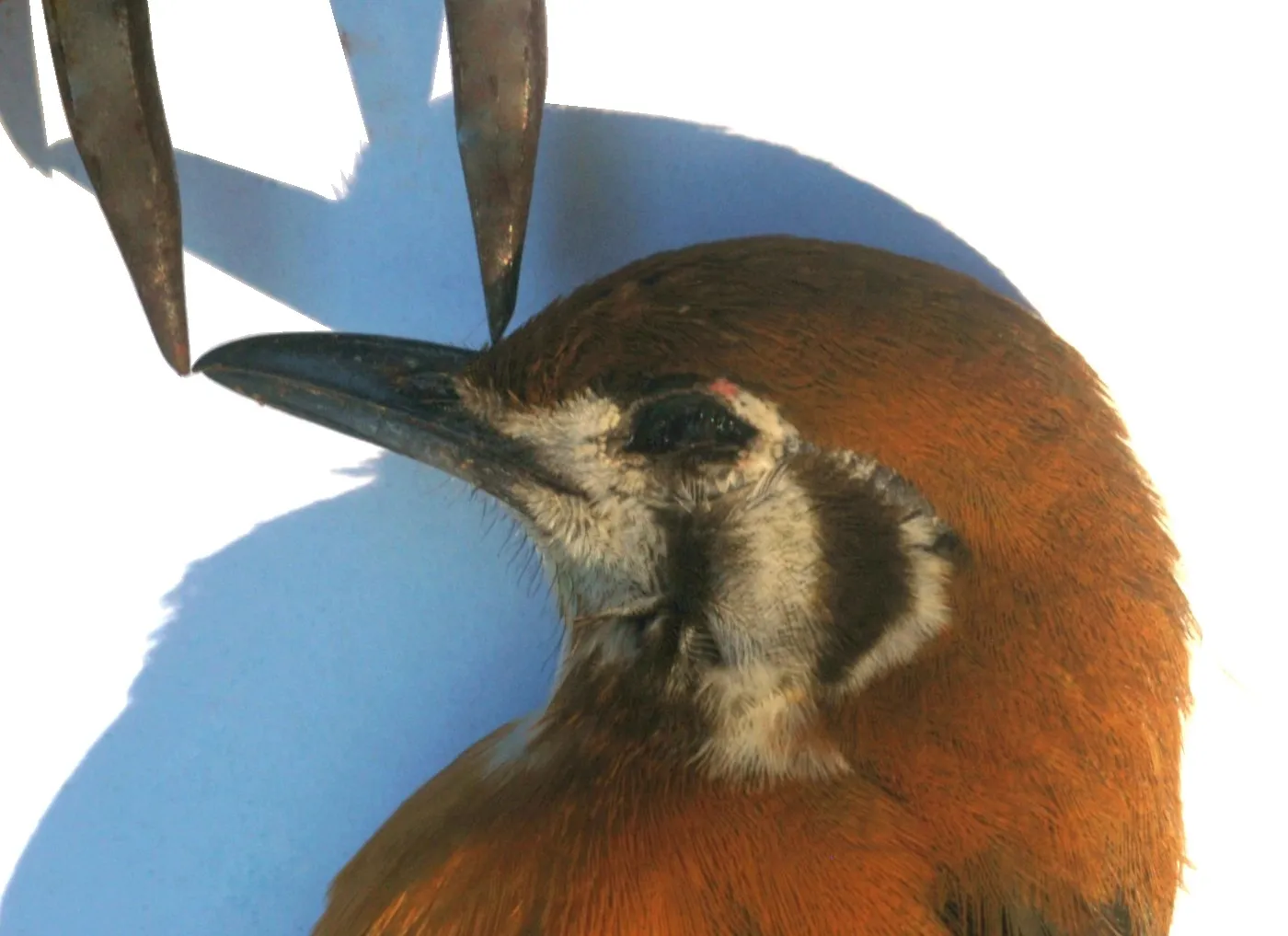
All of birds’ biggest challenges, from habitat loss to pesticides, glass windows, and domestic cats, are man-made. Climate change, which alters and sometimes shrinks birds’ ranges, acts as a threat multiplier on top of everything else.
Data shows that up to one billion birds die each year after hitting windows. Cats are estimated to kill more than 2.4 billion birds annually in the U.S. and Canada. These numbers sit alongside habitat loss, not instead of it.
Those losses aren’t just growing, they are accelerating in places with intensive human activity, particularly where agriculture and expanding communities are changing the landscape. Bird population declines have been closely linked to pollution, use of chemicals, and physical changes to their habitats.
Why This Is a Broader Environmental Signal
Declines are not restricted to rare and threatened species: those once considered common and widespread are also diminished. These results have major implications for ecosystem integrity, the conservation of wildlife more broadly, and policies associated with the protection of birds and native ecosystems.
Species declining fastest are often considered pests or common generalists, and if the environment cannot support healthy populations of these extremely adaptable species that tolerate humans, that is a strong indicator that the environment is also becoming toxic to humans and all other life.
What the Numbers Mean Going Forward
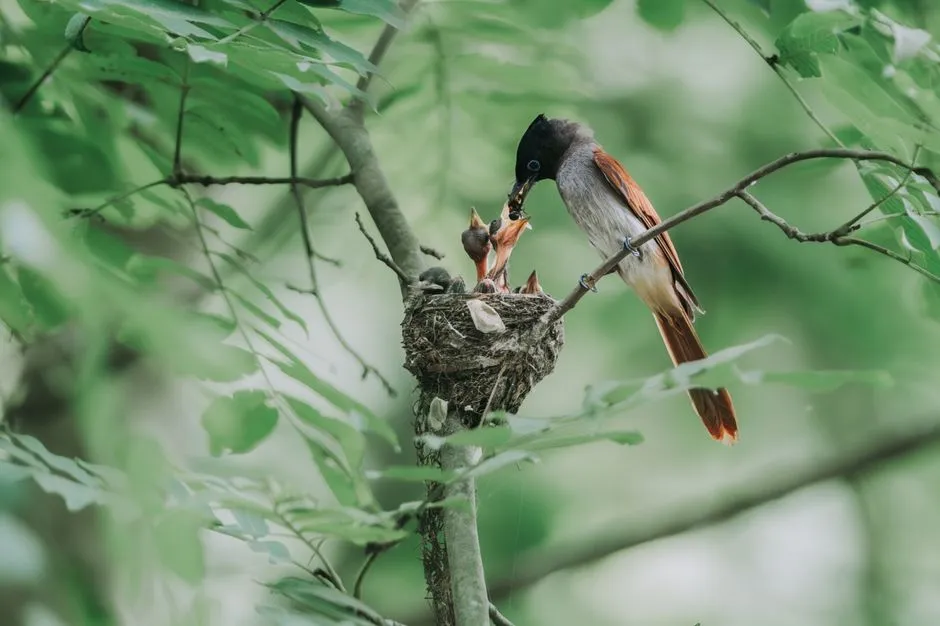
Participatory science data from more than 36 million observations shows that North American bird species are changing, with three quarters of included species declining and affected most severely in their traditional strongholds, the very places where they should be thriving.
The State of the Birds 2025 report is framed explicitly as a call for action, highlighting North American species that need conservation attention to reverse population declines. About a third of all American bird species are identified as Tipping Point species, having lost more than half of their populations in the last 50 years.
The Takeaway
The birds quietly vanishing from American backyards are not obscure tropical rarities visible only to specialists. They are the robins, swallows, sparrows, and blackbirds that most people grew up watching from kitchen windows. Their absence, accumulating season by season, is easy to miss precisely because it happens gradually.
What the research from the Cornell Lab of Ornithology, the Audubon Society, and the 2025 State of the Birds report collectively shows is that the trend is not leveling off. It’s not just that there are fewer birds each year. In some places, each year brings larger losses than the one before. The feeders are still there. The question is whether the birds will be.
AI Disclaimer: This article was created with the assistance of AI tools and reviewed by a human editor.