

A garden trellis starts its life as a simple structure. Over time, though, the weight of maturing vines, persistent rain, and seasonal soil shifts can turn that same structure into a leaning, sagging problem. Most gardeners don’t notice the damage until it’s already significant.
The good news is that most trellis repairs are entirely doable without professional help. With the right approach, the right materials, and a realistic understanding of what caused the problem in the first place, you can restore stability and extend the life of almost any trellis.
Understand Why Trellises Fail Before You Fix Them
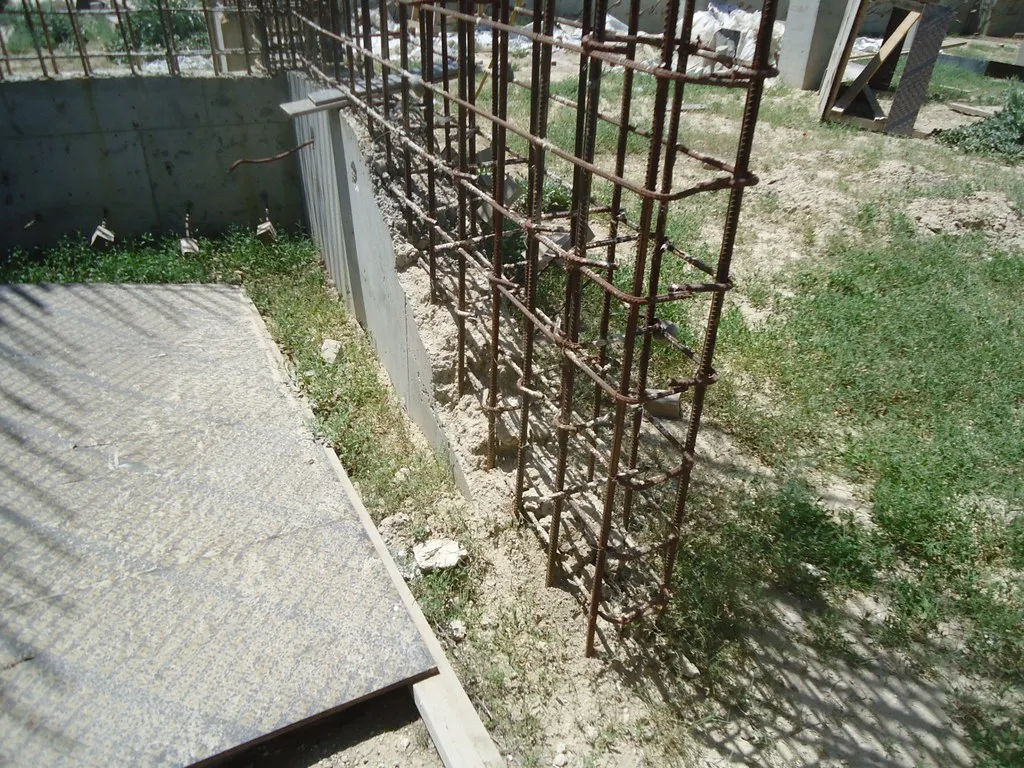
A trellis collapse typically comes down to two factors: a soil failure or a material failure. Soil failures are often invisible until things go wrong, since the post can look perfectly fine above ground while being completely compromised below the surface.
In order to remain standing, trellis systems must be built to withstand the balance of forces above ground, including wind, canopy type, anticipated fruit load, wire span, and the superstructure, as well as the soil type and foundation below ground. Knowing which of those forces is actually responsible for your trellis sagging will save you from fixing the wrong thing entirely.
Do a Proper Inspection First
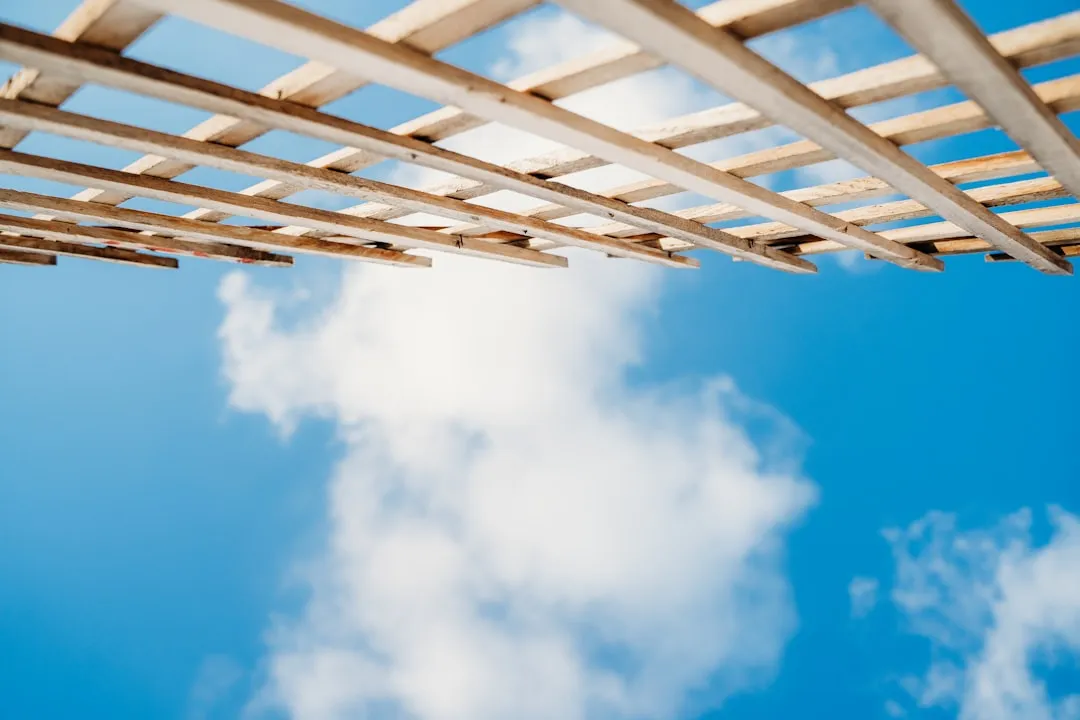
Inspect your trellis carefully for any damage. Look for broken or weak sections and areas of rot or rust that compromise the structure’s integrity. Press lightly on suspect areas to test their sturdiness. Then decide if you can repair these issues or if you need a total replacement.
Give your trellis a thorough inspection, looking for loose wires that can hinder plant growth and make the trellis unstable, broken slats or fence panels that can compromise structural integrity, leaning sections caused by strong winds or heavy vines, and rotting wood that can significantly weaken your trellis panels. Don’t rush this step. Knowing exactly where the damage is will tell you what materials and methods you actually need.
Fix Broken Wooden Slats and Panels
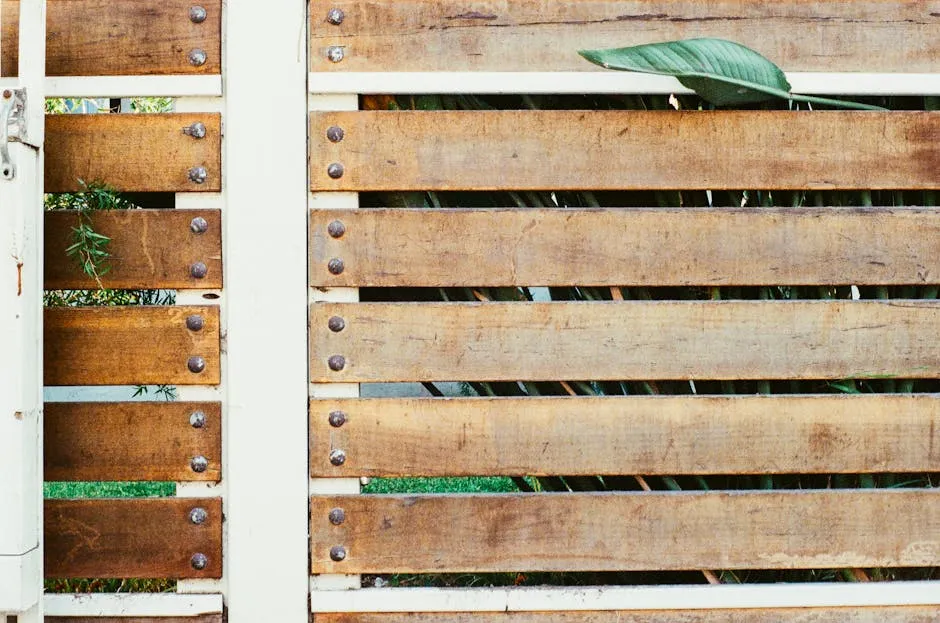
For broken wooden slats or panels, the fix depends on the severity of the damage. Fill small cracks with exterior wood filler and sand smooth once dry. For deeper cracks or breaks, you might be able to mend them with wood glue and clamps. If the slats or panels are heavily damaged, replacing them entirely is often the best option.
If wood is splintered, use new pieces cut to size. Secure them with screws or nails. For metal trellises, you might need to weld or use brackets. Always match the new parts to the existing material for a uniform look. Taking an extra few minutes to match the wood species and grain direction will also keep the repair looking natural rather than patched.
Tighten and Replace Loose or Broken Wires
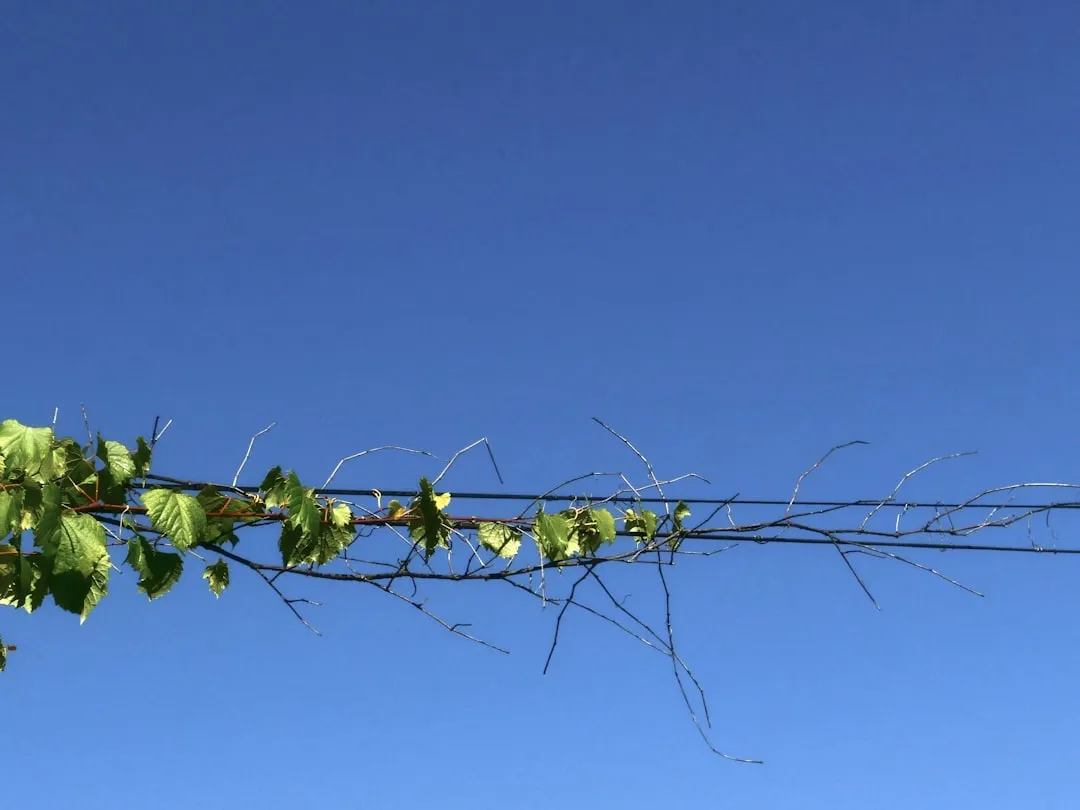
New wires must be tensioned properly to prevent sagging, while avoiding over-tightening that could cause them to snap under seasonal temperature changes. Inspecting posts regularly identifies structural weaknesses before they compromise vine support.
Wire tension must balance support strength with flexible movement. Over-tensioned wires snap during high winds or sudden vine loads, while loose wires fail to support plants and grape clusters adequately. If wires are severely damaged or snapped, replace them entirely. Purchase new wire of the same gauge and thread it through the trellis frame, securing it tightly. Using galvanized or high-tensile steel wire is worth the minor extra cost for outdoor longevity.
Address Post Rot at the Ground Line
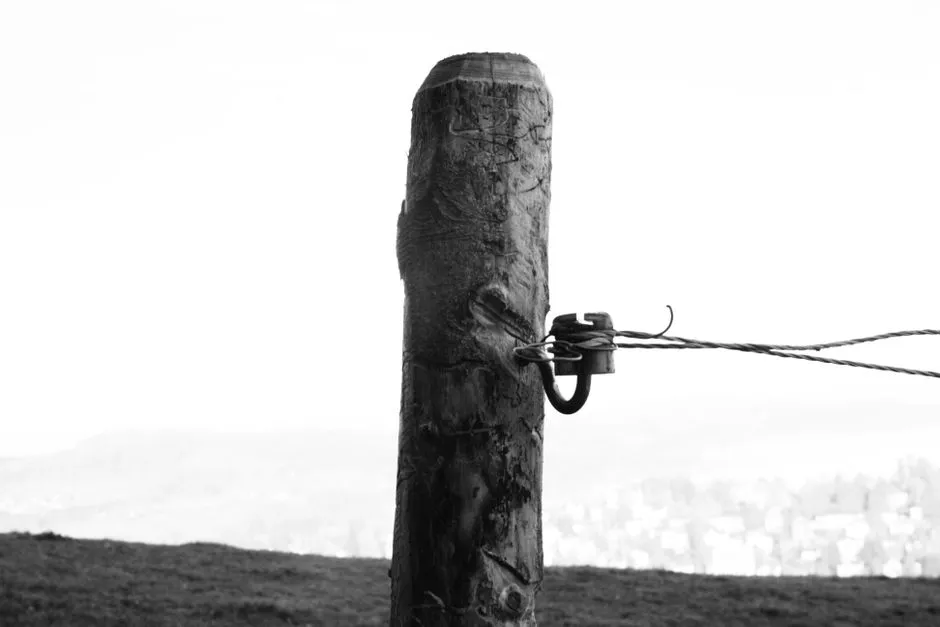
Wood touching soil eventually breaks down. Many trellises fail at ground level first – the post looks fine above ground but is completely compromised below the surface. Keep wood elevated above direct soil contact whenever possible.
Wooden posts require particular attention around the soil line where moisture and insects cause the fastest deterioration. Early failure often happens because of trapped moisture and poor connection details. When water can’t drain and wood can’t dry, rot eventually follows. If the post is still structurally sound above ground, cutting it off cleanly at ground level and installing a metal post spike or concrete footing beneath it can extend its life considerably.
Choose Pressure-Treated Lumber for Replacement Posts
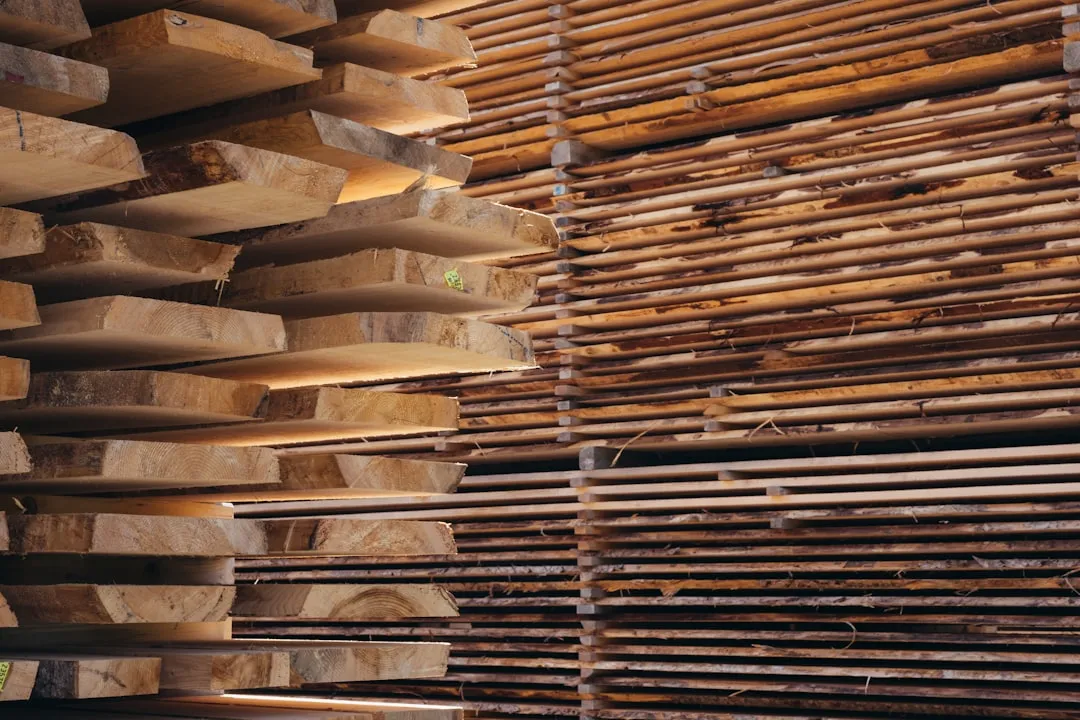
Treated wood is best for any project where the post will be in contact with soil or exposed to moisture, like fences, trellis systems, and agricultural applications. Choose pressure-treated when you want your project to last long-term.
Treated lumber lasts best when water can drain away quickly, wood can dry thoroughly, and compatible fasteners are used. Modern pressure-treated lumber is harder on metal fasteners than many homeowners realize. Wood Preservation Canada says fasteners used with ACQ, CA, CCA, or MCA treated wood must be hot-dipped galvanized or stainless steel. Cutting corners on fasteners while using quality treated lumber is a common mistake that leads to premature joint failure.
Reinforce the Base With Proper Anchoring
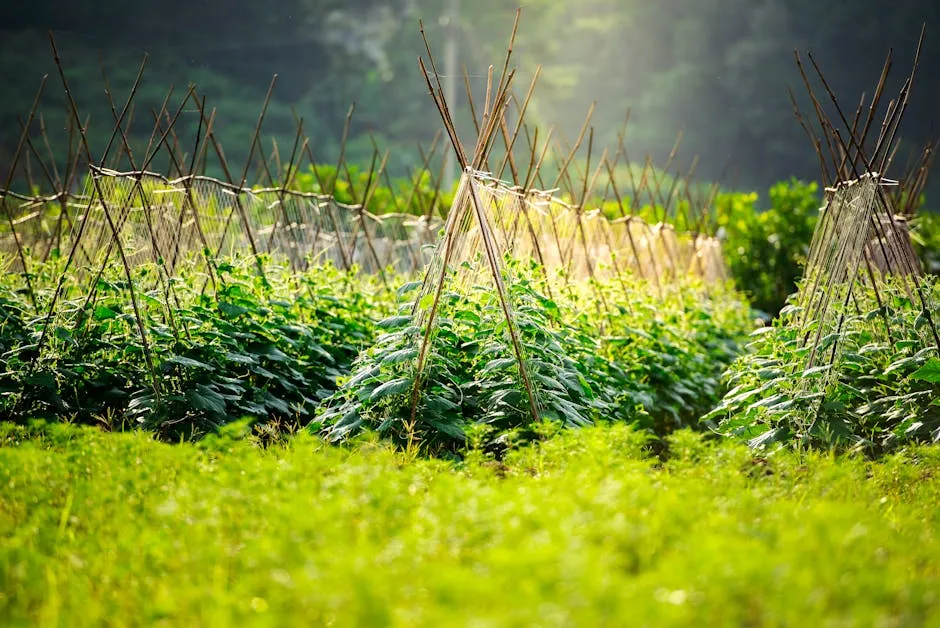
Most trellis failures are not frame failures. They are foundation failures. A strong trellis anchored poorly will still collapse. A modest trellis anchored correctly can survive for years.
A good rule of thumb for anchoring freestanding trellises is to make holes about 8 to 10 inches in diameter and 12 to 18 inches deep. The depth is important because a deeper hole will provide a much more stable foundation, especially in areas with frost or high winds. Pour about two to three inches of all-purpose gravel into the bottom of each hole and compact it down firmly. This gravel base serves an important purpose: drainage. It creates a layer that allows water to drain away from the bottom of your trellis posts and the concrete footing.
Add Diagonal Bracing for Structural Rigidity
A trellis that lacks a diagonal load path, where lattice members are single-pinned, will struggle to resist sagging. Single-pinned joints cannot resist a moment of force. The structure will require a diagonal member to carry load or additional reinforcement to add rigidity.
A diagonal member can be a tension cable or rod, or a compression member like a piece of wood. A tension cable should run from the lower outboard side to the upper inboard hinge side. A compression member should run from the upper outboard side to the lower inboard hinge side. Adding even a single diagonal brace to a sagging panel can make a dramatic difference in how much lateral load the trellis can bear going forward.
Use Rebar or Guy Wires for Tall Trellises
For trellises over four feet tall, add guy wires from the upper frame to anchors driven at an angle away from the structure. This simple addition dramatically reduces the lateral forces that cause tall trellises to lean over time. Hammer a piece of rebar next to each leg of the trellis, then use wire to wrap around the wooden leg and the rebar to secure it.
A trellis covered in mature vines becomes a massive wall that catches the wind. This force doesn’t just push sideways; it creates a powerful prying motion at the base of the stake, right at ground level. Most standard stakes are too short, offering only a foot or so of ground contact. This isn’t nearly enough depth to counteract the leverage from a six-foot-tall structure. Rebar and properly placed guy wires address exactly this kind of failure.
Quick Reinforcement With Heavy-Duty Cable Ties
If you have a cracked trellis or sagging fence panel, heavy-duty cable ties can reinforce it quickly. You can secure bamboo poles, reattach broken panels, or even fasten chicken wire back into place. They’re not a permanent structural fix, but they’re genuinely useful for stabilizing a trellis while you gather materials for a more thorough repair.
Trellis joints are the most failure-prone areas during winter. Correct cable tie length and thickness should match trellis size and weight. Larger trellises require longer, thicker cable ties for dependable reinforcement. Always opt for UV-resistant, outdoor-rated ties. Standard zip ties sold for indoor wiring will degrade quickly in direct sunlight and humidity.
Prevent Future Sagging With the Right Material Choices
According to the UMN Extension, choosing a material that matches the weight of your mature plants is key to avoiding structural failure mid-season. This is a point that most gardeners miss entirely when they first build or buy a trellis. A structure that seems sturdy enough for a young seedling can be overwhelmed within two seasons as plants reach full maturity.
Wood trellises blend well with natural settings but need more maintenance. Metal trellises are strong and offer a sleek look, while plastic is affordable and resists rot. Steel composition matters as much as gauge when selecting trellis wire. High-tensile steel maintains its strength under constant load and weather exposure, unlike standard fence wire that stretches and weakens over time. This superior material choice prevents wire sagging and reduces maintenance requirements over the long term.
Conclusion
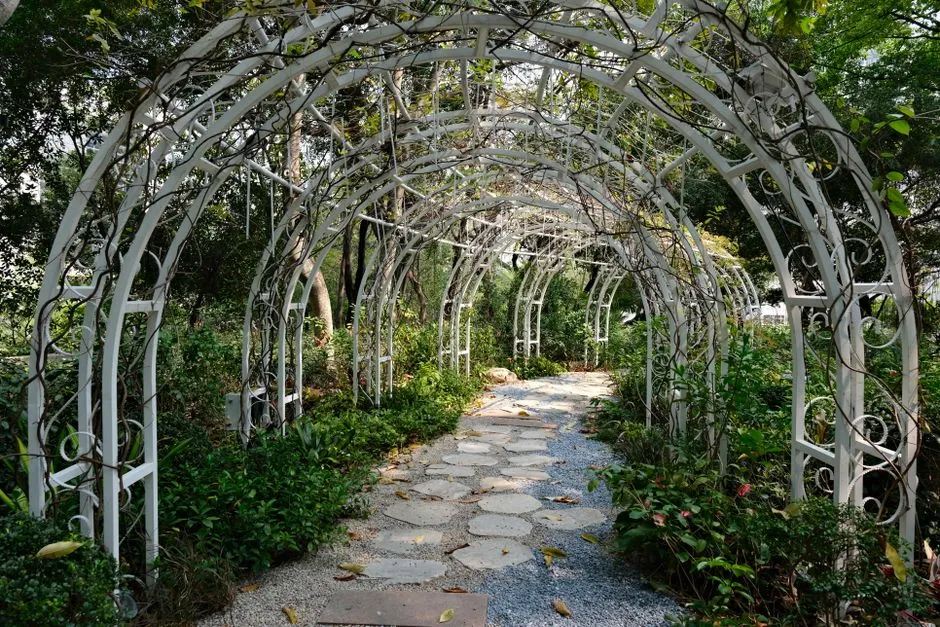
A sagging trellis is rarely beyond saving. In most cases, the actual fix is straightforward once you correctly identify whether the problem started below ground or in the frame itself. The bigger lesson is that trellis maintenance pays dividends long before things fall apart.
Seasonal inspections, quality materials at the post base, correct anchoring depth, and appropriate wire tension are all habits that prevent the kind of slow structural drift that eventually turns a minor lean into a full collapse. The plants growing on your trellis are often worth far more in time and care than the trellis itself.
Fix the foundation first. Everything else follows from there.
AI Disclaimer: This article was created with the assistance of AI tools and reviewed by a human editor.