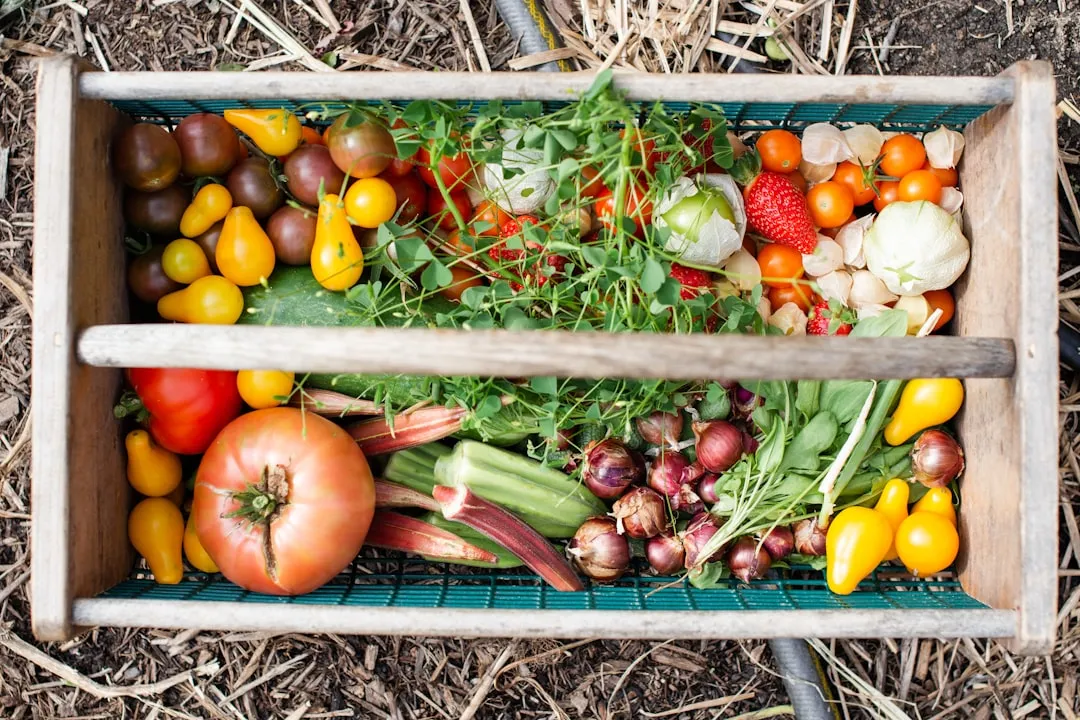

Most gardeners start winding down in late summer, brushing soil off their gloves and mentally closing the garden gate. That’s a real missed opportunity. Even if you didn’t get a spring garden planted, there is still time in late summer to plant vegetables and harvest them before the first frost, and a late summer garden means you can harvest fresh produce well into fall and sometimes even into winter.
Cool-season crops are those that grow best and produce the best quality when average temperatures sit between 55°F and 75°F, and they are usually tolerant of slight frosts. Knowing which vegetables thrive under these conditions turns August and September from a gardening afterthought into one of the most productive windows of the year.
Kale: The Cold-Weather Champion
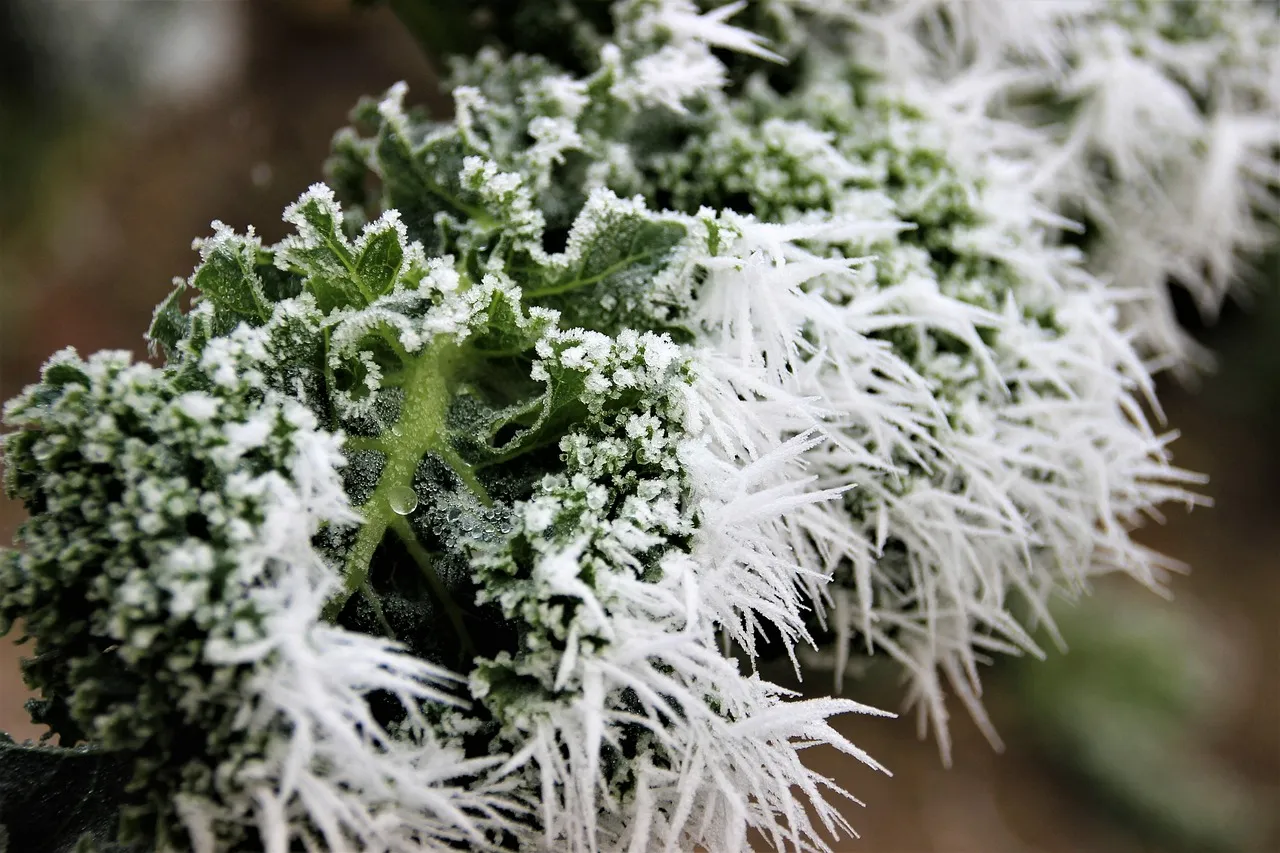
Kale is arguably the most reliable vegetable you can put in the ground during late summer. Hardy varieties like kale can endure temperatures down to -10°F, making it one of the most cold-tolerant crops available to home gardeners. That kind of resilience is genuinely rare in the vegetable world.
Kale actually gets sweeter with a light frost or two, and in USDA Zone 5 gardens, it often winters over with minimal protection. Three kale varieties dominate cold-weather gardens: Lacinato (dinosaur kale) develops richer flavor after light frosts, while Blue Curled Scotch maintains its crunch under protective covers.
Crop frost-tolerance varies between cultivars, and greens like kale with savoyed, wavy, curled, or textured leaves are generally hardier than their smooth-leaved counterparts. When choosing seeds for a late summer planting, this distinction matters more than most gardeners realize.
Spinach: Fast, Forgiving, and Surprisingly Tough
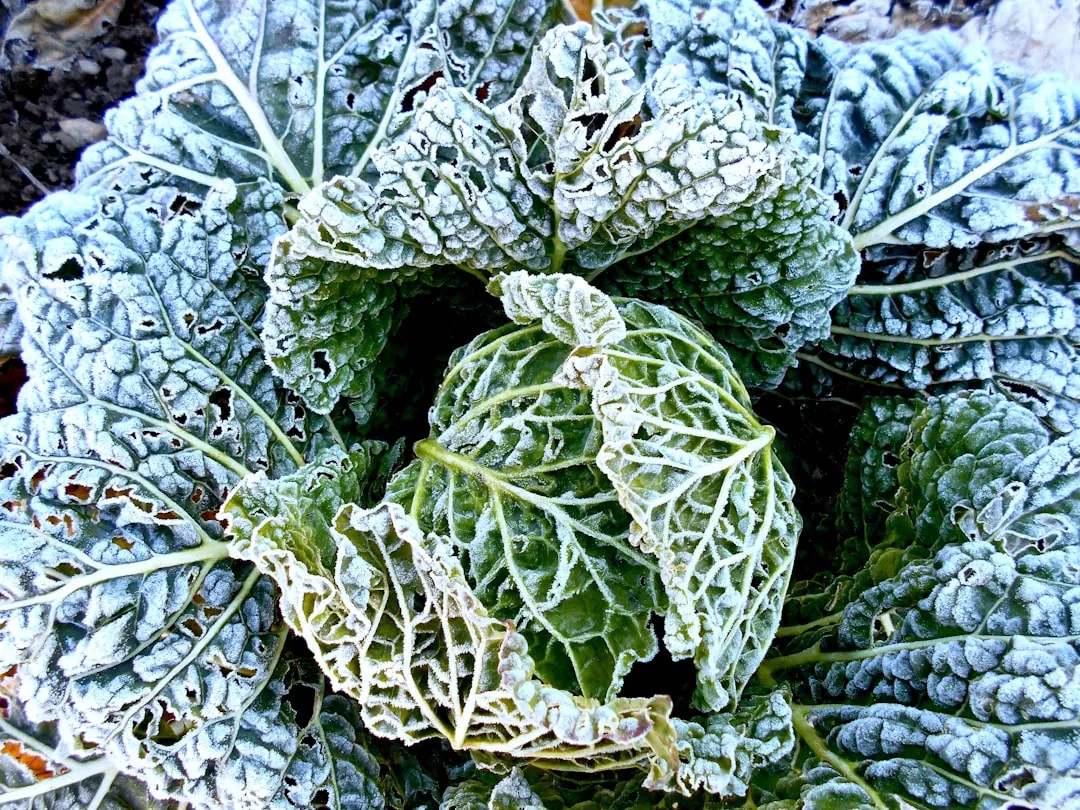
Spinach takes the crown for beginner-friendly winter growing. It’ll bounce back from frost, matures in just thirty days, and you can harvest leaves continuously without killing the plant. Few vegetables offer that kind of flexibility.
Some vegetables are far more flavorful and successful in fall than in spring, and spinach is one of them, since it truly loves cold weather. Savoy types, meaning deeply crinkled varieties, tend to be more cold-hardy than flat-leaf varieties, so Tyee or Winter Bloomsdale are worth seeking out for a winter garden, as they can survive down to 0°F.
Start planting spinach in late summer, around 10 to 12 weeks before your first hard frost. That timing gives it enough runway to develop a sturdy root system while the soil is still warm enough for good germination.
Carrots: Sweeter After the First Freeze
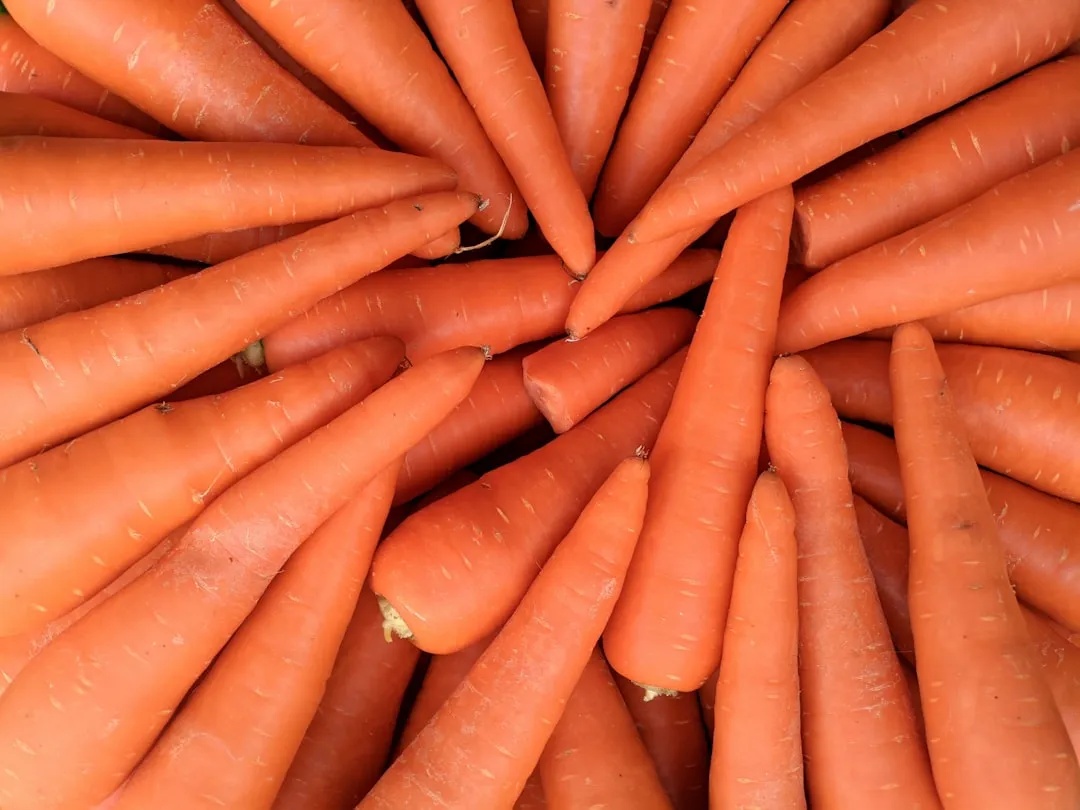
Certain varieties of carrots actually get sweeter if they’re left in the ground once winter hits. This is one of those garden facts that sounds like a myth until you taste it yourself. The cold triggers the plant to convert starches into sugars, which is a genuine and well-documented process.
Roots thrive when planted early enough to bulk up before the soil chills. Carrots sown by early August develop sweet, sturdy roots ready for harvests stretching from October through March. Sow seeds for root crops like carrots directly in the soil, as the process of transplanting can damage the roots.
Semi-hardy crops including carrots tolerate light frost in the range of 28 to 32°F. With a layer of mulch over the bed, you can extend that tolerance considerably and harvest well into deep winter in many regions.
Broccoli: Worth the Effort for a Fall Table
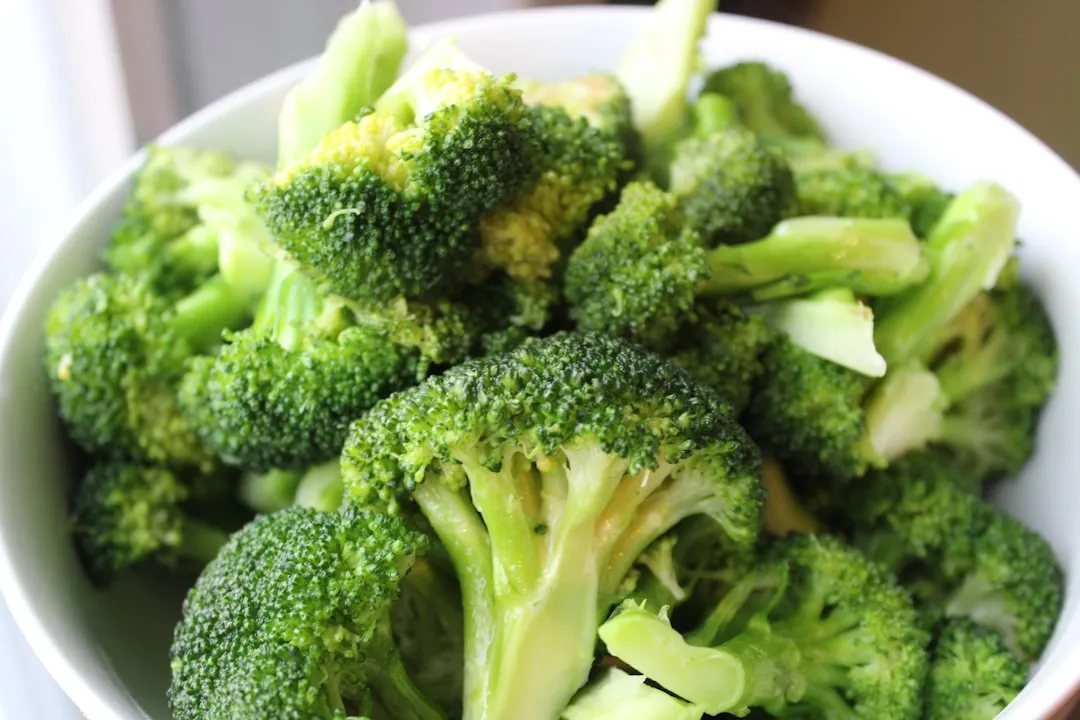
Broccoli can be sown in late summer for a fall harvest, and it’s one of the most rewarding brassicas to grow in the cooler months. Broccoli is best started as a transplant in the fall garden, which gives it a head start against cooling temperatures and competing weeds.
Broccoli is sensitive to frost and freeze, but you can cover plants to protect the growing buds in the event of an early cold spell. Among the hardiest cole crops, broccoli can tolerate moderate freezes down to about 26 degrees Fahrenheit.
For late summer planting, sprouting broccoli works best. It won’t grow those large crowns we’re used to seeing, but you’ll get a lot more side sprouts, and these will die back and winter over, then emerge as one of the first things back in the garden come springtime.
Brussels Sprouts: Slow to Grow, Worth the Wait
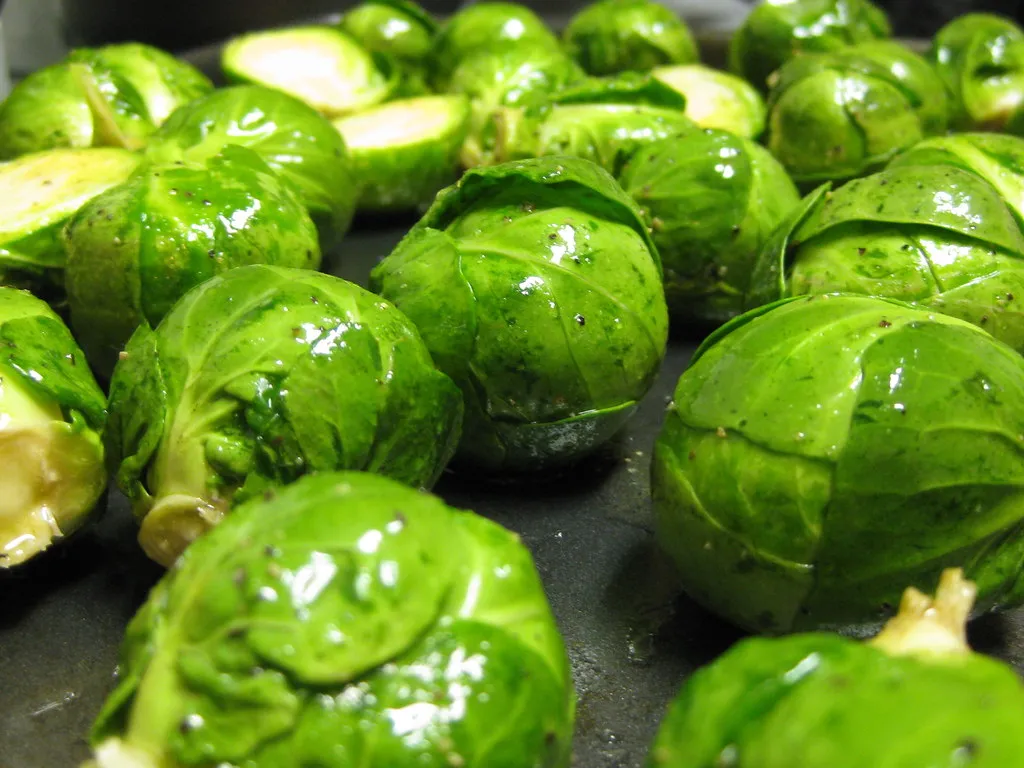
Brussels sprouts require a fairly long growing season of 80 to 100 days to harvest, and they are a cool-season crop that produces best when grown for a fall or early winter harvest. That long lead time is the main reason late summer is the right window to get them started.
For a summer planting, sow seeds 14 to 16 weeks before the first frost in your area. This allows plants to grow strong stems and foliage during warmer months, preparing them to form sprouts as temperatures cool. The sprouts actually improve in flavor after a light frost or two.
To encourage the sprouts to mature faster, cut off the top leaves 3 to 4 weeks before harvest. If you intend to harvest sprouts into winter, leave the plant’s top leaves intact, as they provide protection from snow. It’s a small detail that makes a real difference come December.
Beets: Roots and Greens, Two Harvests in One
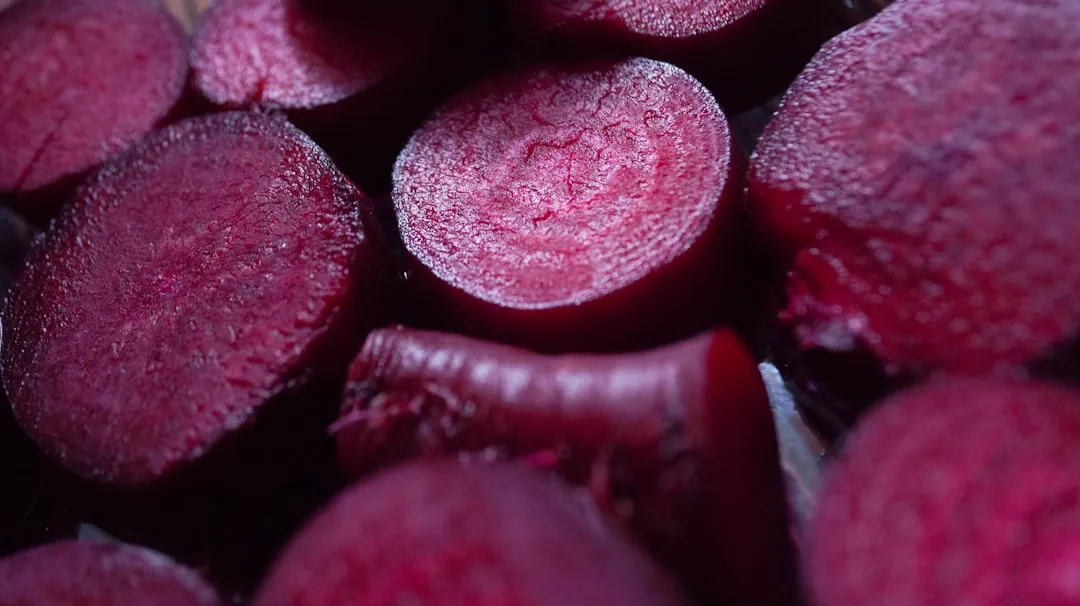
Beets are an ideal fall crop. Sow seeds directly outdoors, and in warmer climates especially, sow seeds in late summer under taller crops like tomatoes or peppers to provide a little shade. After temperatures cool and the tall crops come out, beets will thrive.
If you plant beets in late summer, plant them densely and harvest the leafy greens as you thin the plants out. The greens are very tasty too, similar in character to spinach. That double harvest from a single planting makes beets one of the most space-efficient choices in the late summer garden.
Root crops like beets develop more sugars when the soil temperature drops below 40 degrees Fahrenheit, which mirrors what happens with carrots. Plant them in August, mulch them well, and you’ll be pulling sweet, earthy roots well into winter.
Turnips: Fast, Versatile, and Underrated
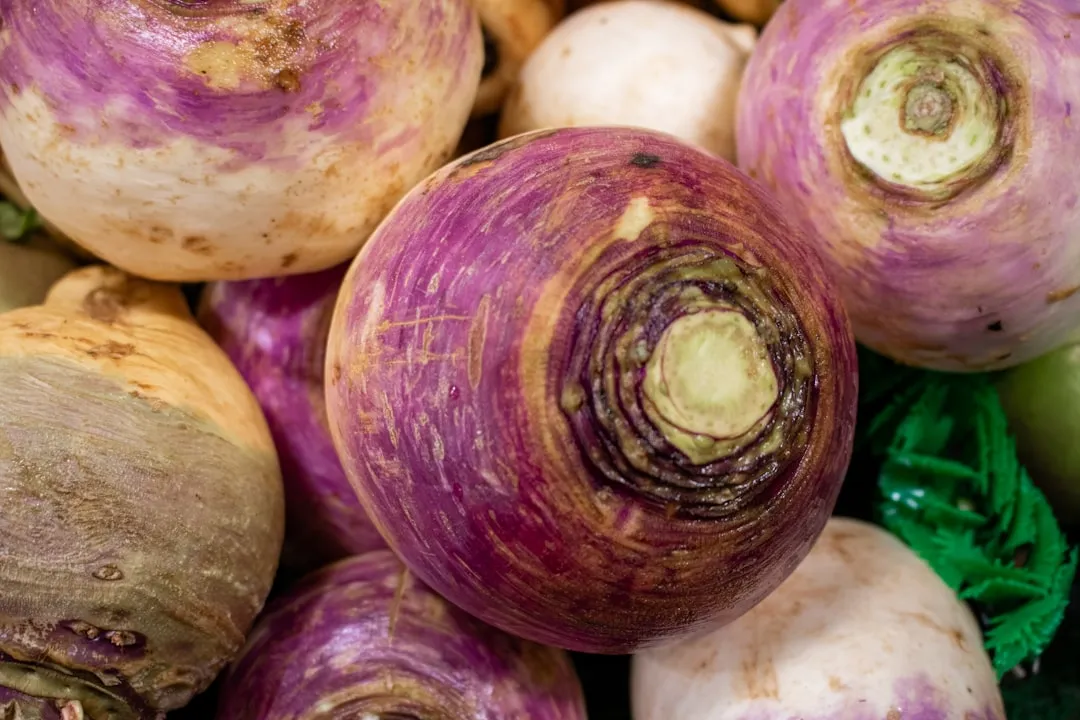
Turnips are easy to grow in the fall garden and into winter. Direct sow in late summer to early fall. Roots are ready to harvest when they start popping up from the soil line, and smaller turnip roots are more tender.
Paired with carrots and parsnips, turnips form a trio that actually sweetens with frost exposure. Among the hardiest vegetables, turnips can tolerate moderate freezes in the range of 24 to 28 degrees Fahrenheit. That level of cold hardiness gives gardeners plenty of flexibility on harvest timing.
Scheduling turnips for a mid-September planting works well in most growing zones. They mature quickly enough that even a slightly late start rarely costs you the crop, which makes them a reliable fallback if other planting windows close.
Spinach-Like Greens: Cabbage, Collards, and Asian Varieties
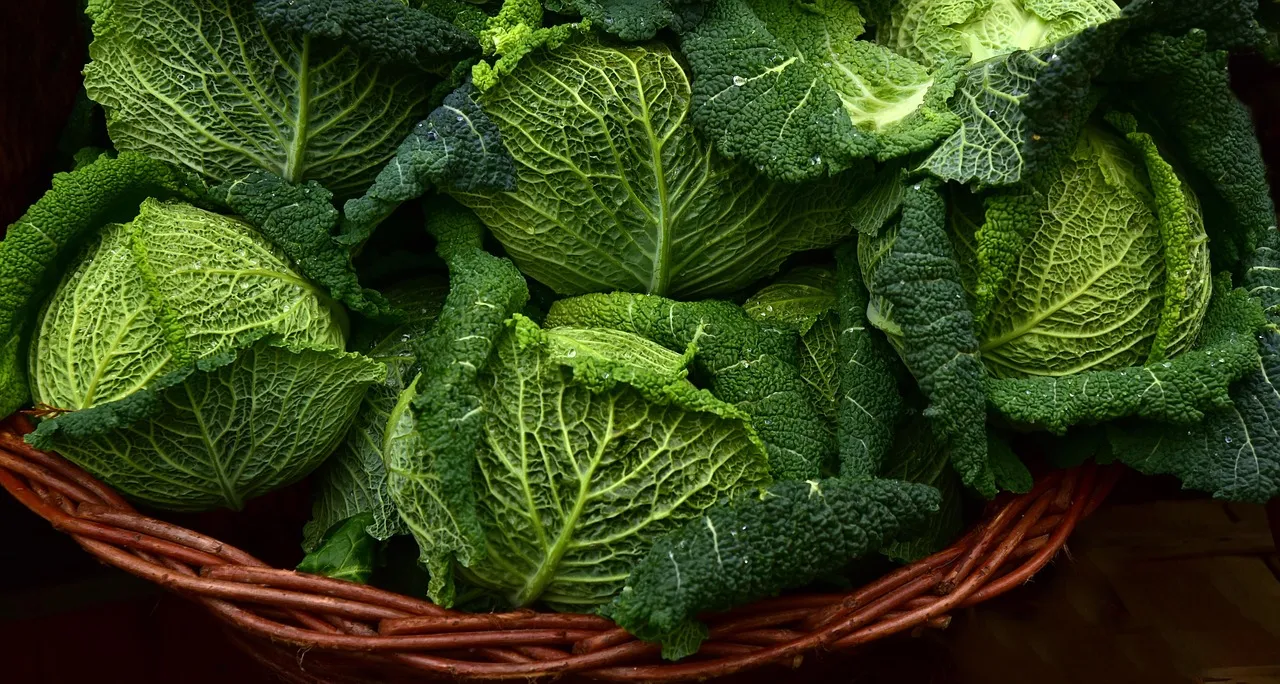
Cabbages do great when planted in late summer as they can handle the winter cold much better than other vegetables. The wider Brassica family, which includes Brussels sprouts, cabbage, collard greens, and bok choy, performs reliably well in cool months.
Vegetables that can withstand heavy frost below 28°F include cabbage, collards, kohlrabi, and mustard greens, making them strong candidates for beds that will face serious cold. Leafy greens such as arugula and Swiss chard also grow very well in cooler months, and many of these vegetables grow more abundantly in cooler weather and do not bolt to seed as easily as they do during hot summer days.
Yellow Heart Winter Choy adds both beauty and bite to the garden, surviving down to 15°F. Asian greens in particular are worth exploring, since many are both cold-tolerant and extremely quick to mature, which suits the compressed timeline of late summer planting.
Garlic: Plant It and Forget It (Almost)
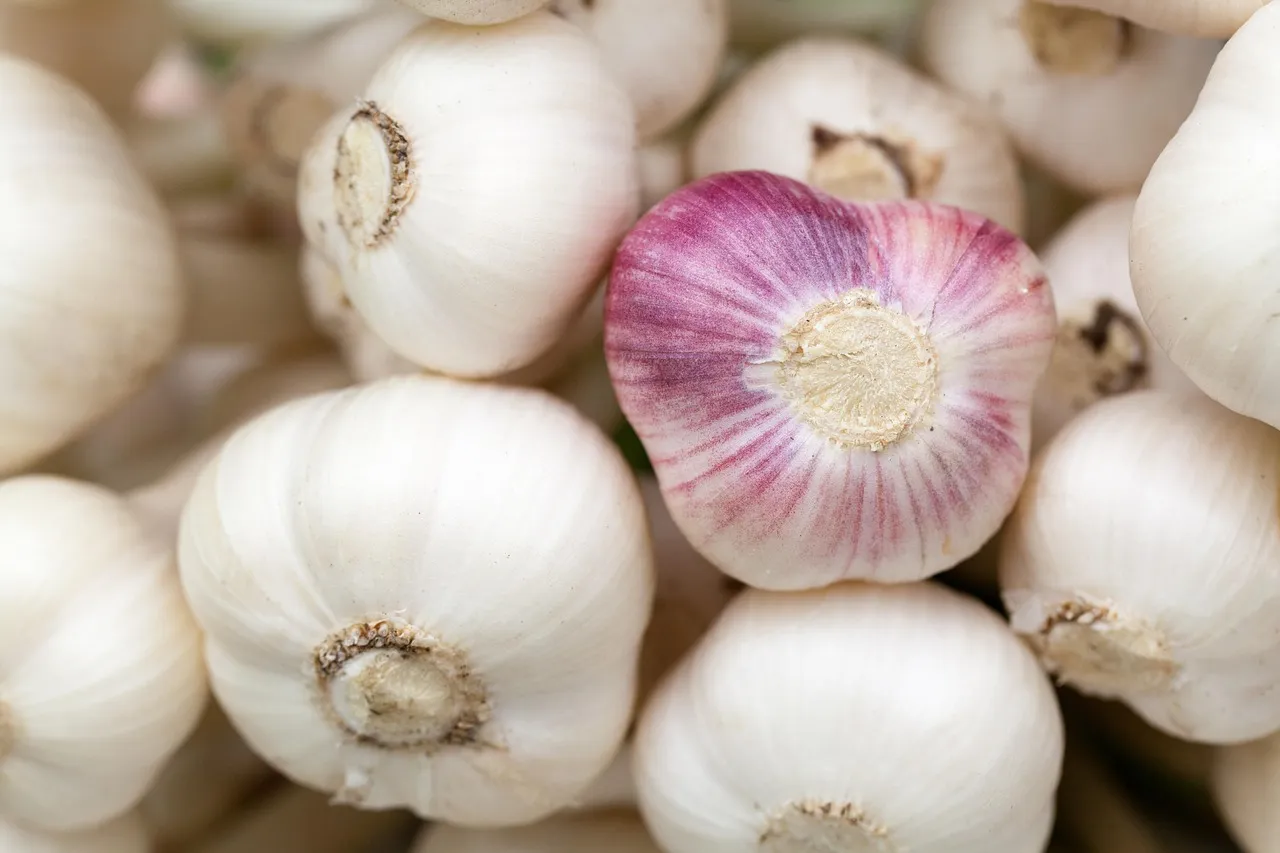
Garlic is generally best planted in the fall for the largest size bulbs at harvest. It’s one of those vegetables that practically takes care of itself through winter, sitting quietly underground while everything else in the garden dies back.
Garlic planted in September produces the biggest bulbs the following July. After harvesting a late-maturing crop, you can plant garlic in that space, and before sowing, it’s worth turning over the soil and mixing in some balanced fertilizer to replace what earlier plants used up.
Even in severe cold events, hardneck garlic tops can sustain some damage without being killed back to the mulch level, which speaks to its overall hardiness. A thick layer of straw mulch applied after planting gives the bulbs added insulation through the coldest months.
Radishes: The Quick Win of the Late Garden
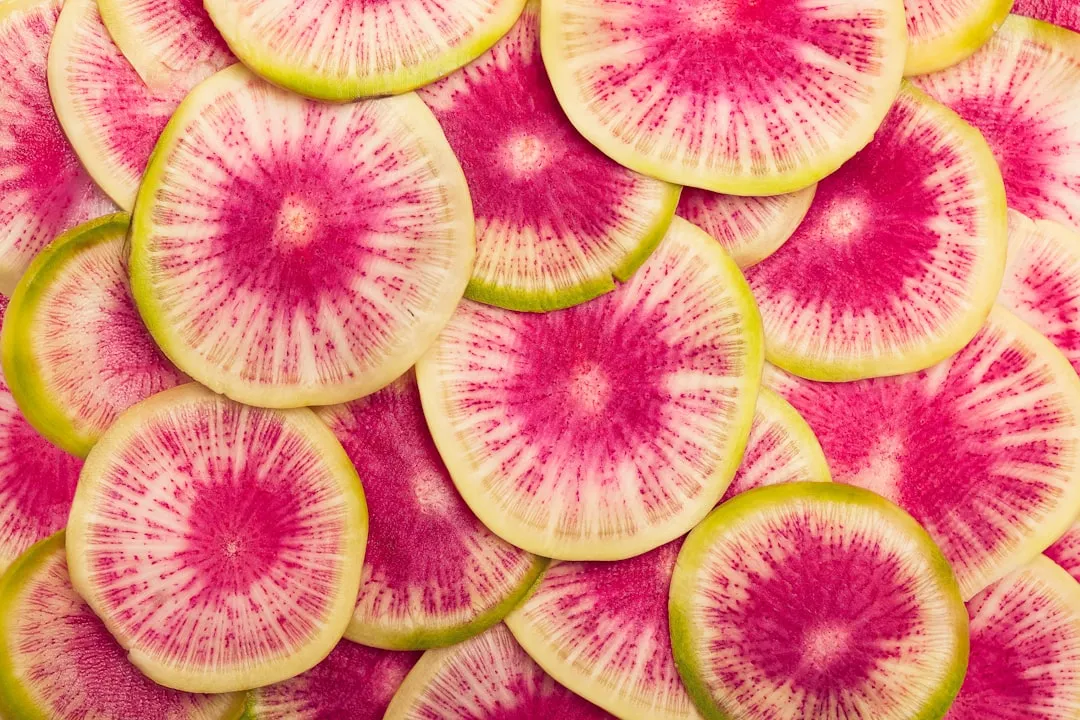
Radishes are one of the quickest maturing crops, going from seed to harvest in about four weeks. That speed makes them uniquely useful in late summer, when the growing window is shrinking and patience runs thin.
Like beets, you can sow radishes under taller summer crops to provide a little shade, and you can stagger plantings to get a couple of harvests from late summer through fall. Radishes can be harvested before the first frost or covered for protection, giving you options depending on your local conditions.
Quick growers like radishes offer real flexibility. Sow them through September for fall salads, then switch to cold-tolerant types for winter yields. The Daikon radish, for example, is both cold-hardy and large enough to serve as a genuine storage crop rather than just a salad garnish.
Timing and Soil: The Foundation of a Successful Winter Garden
It is important to know the average first frost date in your area, as this will help you calculate when to plant late vegetables so they will mature before cold weather damage. Summer-planted crops usually require an extra two weeks to mature. Using the days-to-maturity figure on the seed packet, count back from your fall frost date, then add a week or so for the “fall factor.” This will give you your fall planting date.
Before sowing these second crops, turn over the soil and mix in some balanced fertilizer to replace what earlier plants have used up. The soil pH should range from 6.2 to 6.8 for fall vegetables to succeed, which is a detail many gardeners skip but rarely regret checking.
If your winter temperatures routinely drop below 25°F, crops need protection, from simple rowcover to hoophouses or greenhouses. Mulching already frost-tolerant root crops like beets, carrots, leeks, radishes, and parsnips helps to further protect them when the mercury drops, with some even surviving the winter. Good timing and well-prepared soil are ultimately what separate a garden that produces through December from one that gives up in October.
The late summer garden rewards a certain kind of faith. You put seeds in the ground when the days are still long and warm, trusting that what you plant now will carry you through the cold months ahead. Temperatures are milder in fall, and there are generally fewer insects and diseases to contend with. Cool-season vegetables are ironically planted in the late-summer heat, but thrive as they mature during cooler temperatures as the season progresses. That quiet overlap, warm soil meeting cooling air, is exactly the environment these crops were made for.
AI Disclaimer: This article was created with the assistance of AI tools and reviewed by a human editor.