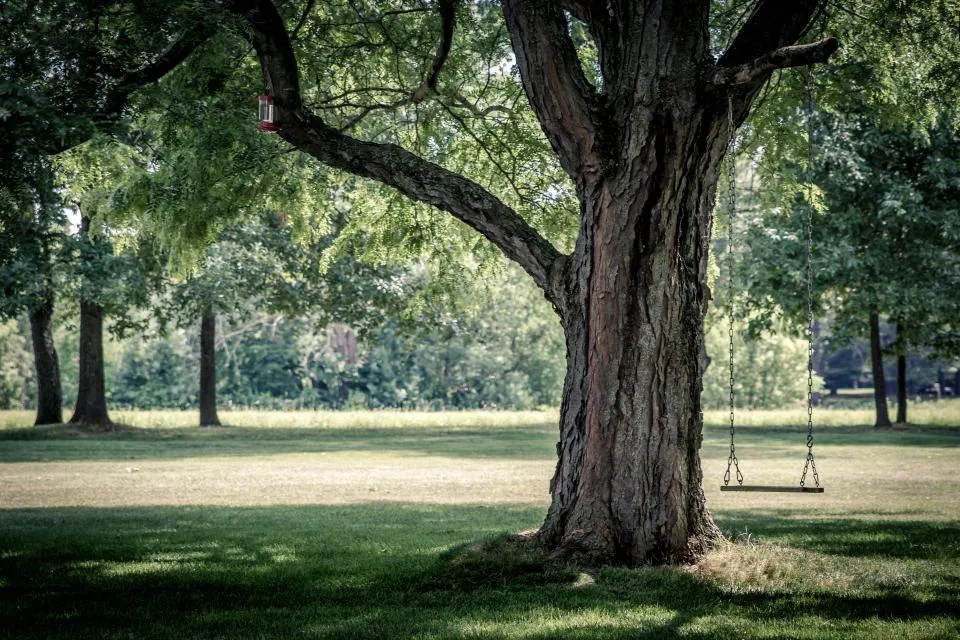

There’s a corner in almost every garden where nothing seems to want to grow. The ground looks dusty even after rain, the light barely filters through, and anything planted there just sits there looking defeated. Chances are, you’re dealing with dry shade, and a hungry, established tree is behind it.
The canopy of a mature tree acts like an umbrella, keeping rain from reaching the ground. Any moisture that does make it through is quickly absorbed by greedy tree roots, leaving smaller ornamentals parched. It’s a genuinely tough growing environment, but not an impossible one. The key is choosing plants that have evolved to thrive under exactly these conditions.
Why Dry Shade Is So Challenging
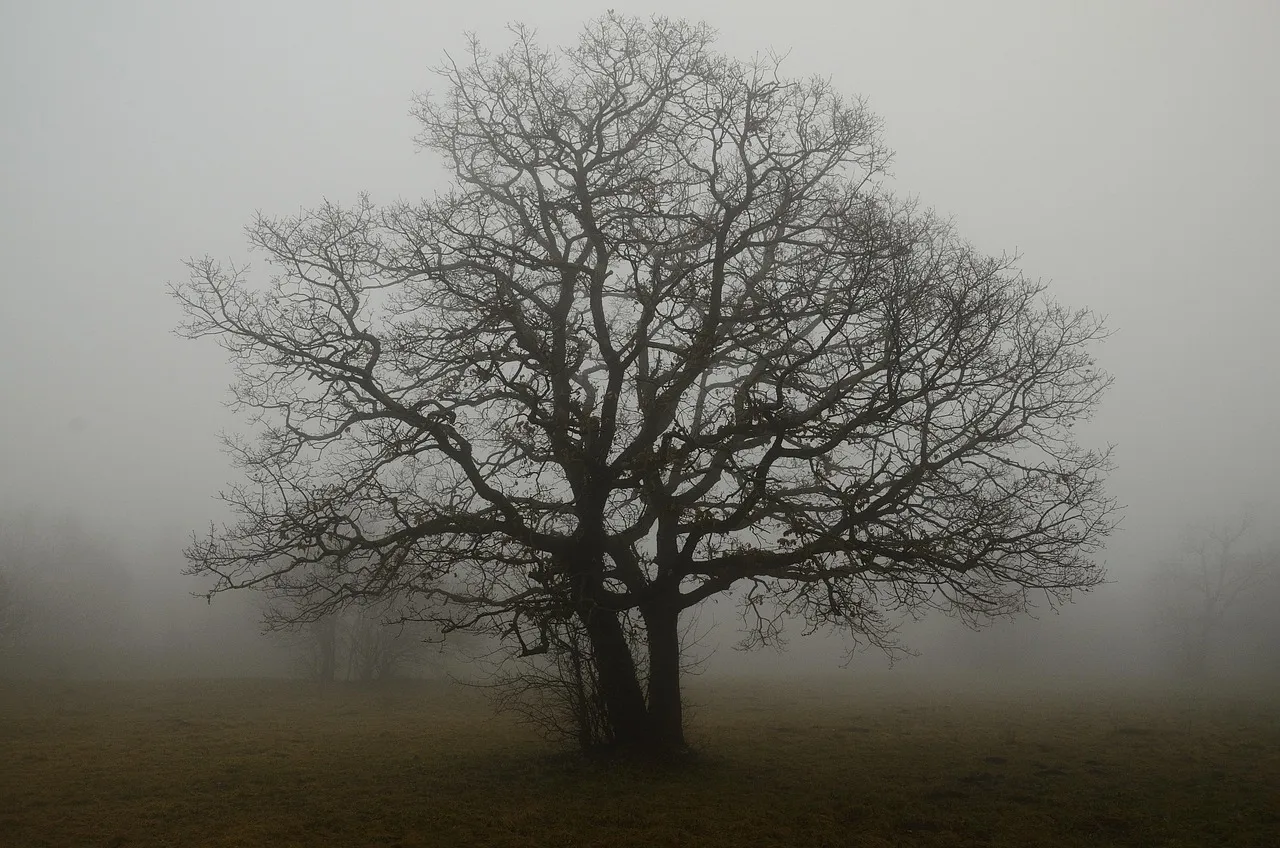
Dry shade, often found under mature trees or shrubs, is one of the most challenging garden spots to fill. Above ground, plants are starved for sunlight. Below, they battle for root space and moisture.
Big-rooted shade trees such as maples, oaks, tulip poplar, beech, sweetgum, and sycamore can easily stunt and sometimes kill plants growing near them, including turfgrass. The competitive disadvantage for anything growing underneath is enormous.
Sooner or later in the evolution of most landscapes, it becomes necessary to overcome the challenge of a dry-shade area. It’s a combination brutal enough to make any gardener cringe, occurring most often under the shade of deciduous or evergreen trees, where roots compete for moisture and nutrients, the soil is shallow and poor, and sunlight is limited.
Epimedium (Barrenwort)
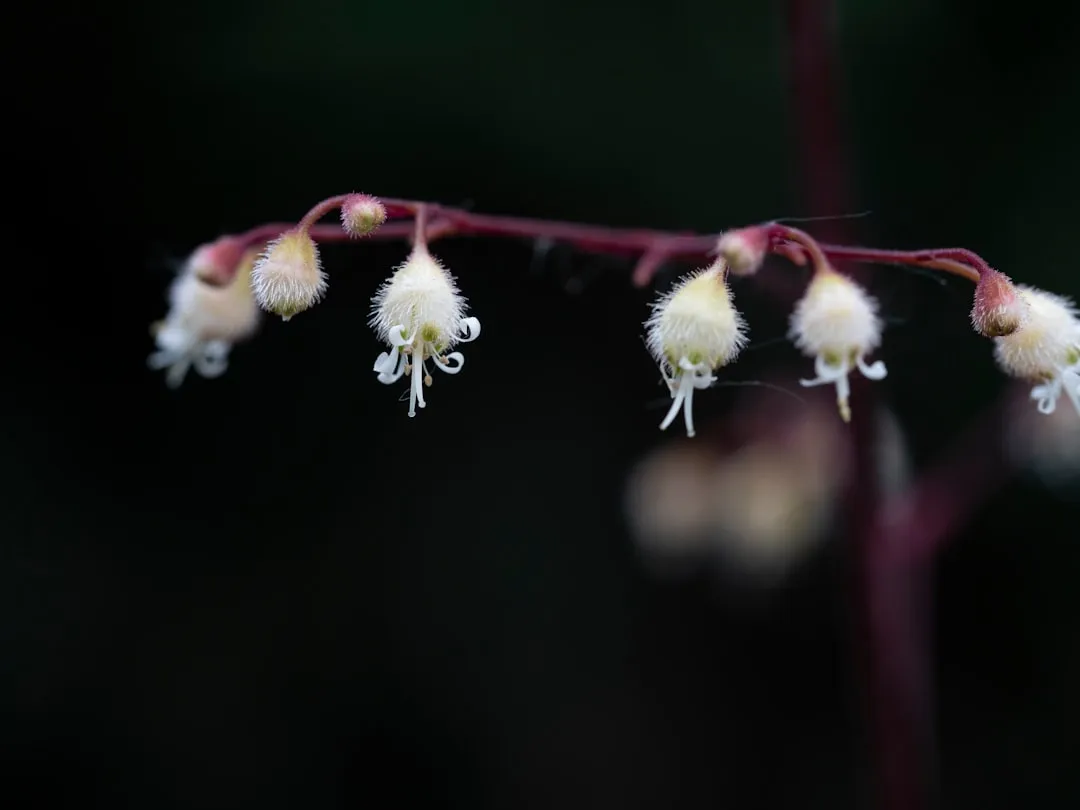
We can’t talk about dry-shade plants without touching on barrenwort, or bishop’s hat (Epimedium; Zones 5–8). This foliage plant is known for its ability to handle very low light and arid soil, including the space under shallow-rooted or evergreen trees.
In spring, sprays of small blooms rise up to contrast the vibrant new growth. As the flowers fade, the dense carpet of heart-shaped foliage takes over and looks good through fall.
Delicate in appearance, but hearty by nature, you can find Epimediums for zones 3 to 9. There are clump-forming and spreading types, and varieties with white, yellow, pink, purple, rose, orange, or red spring flowers. Some are deciduous, others hold onto a few leaves through winter, and the rest are evergreen. It is, by most accounts, the single most reliable perennial for the toughest dry-shade situations.
Hellebores (Lenten Rose)
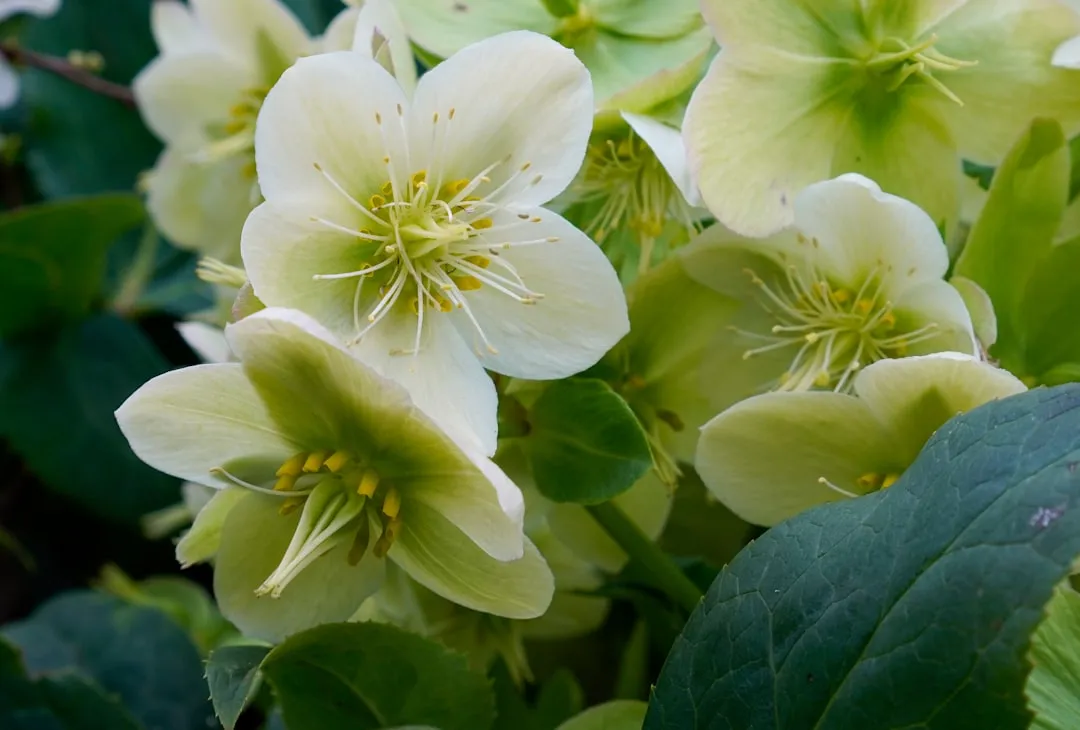
With their large architectural leaves, hellebores offer year-round elegance and structural interest. Their remarkable ability to thrive in partial shade and dry conditions under large trees makes them incredibly versatile and invaluable for gardeners grappling with challenging spaces.
Hellebores are the first bloomers in many gardens, sometimes pushing through late winter snows. They flower in a wide variety of colors over several months and are popular with early emerging bees. They self-sow well, but seedlings take several years to bloom.
Include evergreen perennials such as Lenten roses (Helleborus orientalis) and ferns that tolerate dry conditions. Their evergreen presence adds real structure to the planting. For a bare patch under a large oak or maple, a drifted mass of hellebores planted roughly 45 centimeters apart is one of the most satisfying garden moves you can make.
Liriope (Lilyturf)
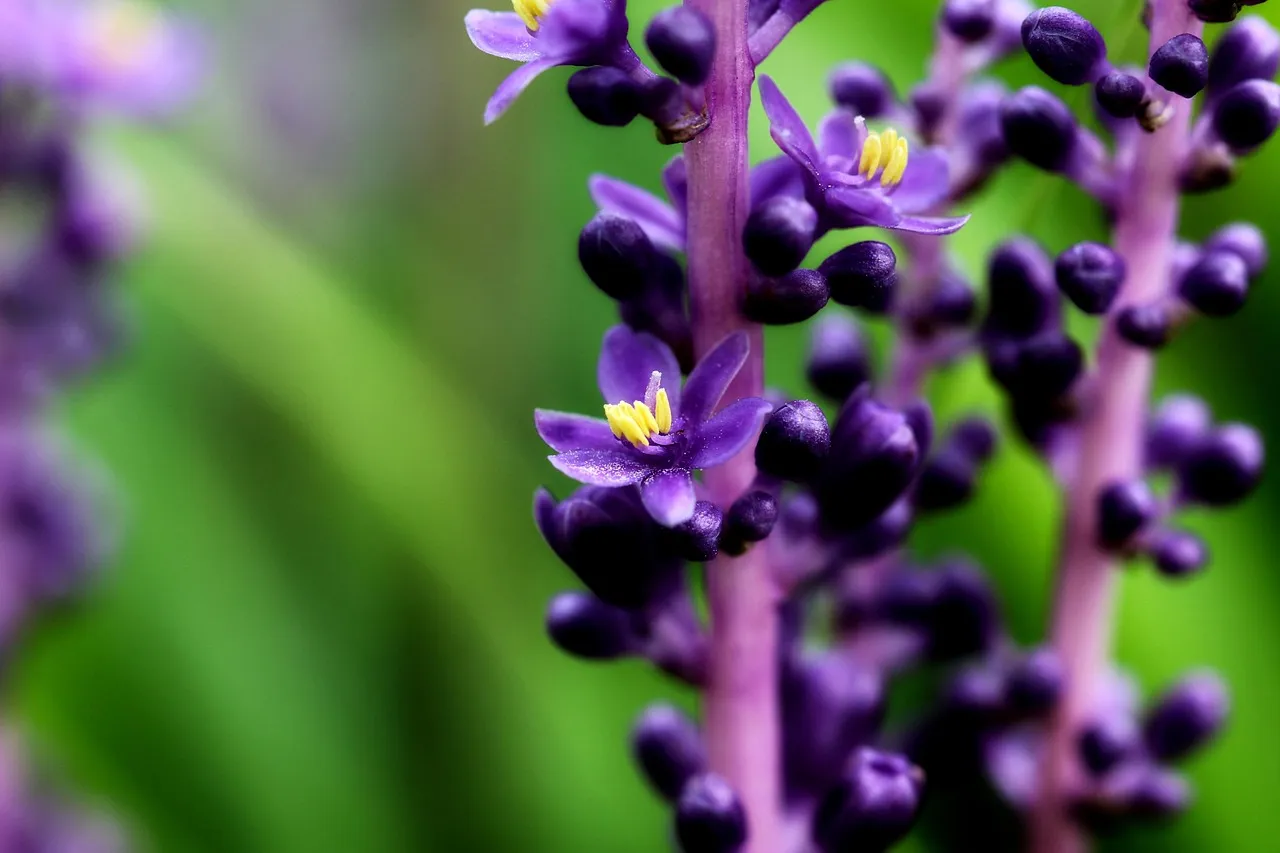
Liriope muscari is a tough perennial that copes even in the darkest and driest of conditions. Its purple blooms are a valuable asset in autumn, rising above its evergreen, strap-like leaves.
Liriope is remarkably tough and can grow in deep shade or full sun, in sandy or clay soils. Although it requires good drainage, it can endure heat, drought, and salt spray. That adaptability is what sets it apart from most shade plants, which tend to have a narrow comfort zone.
Often called lilyturf, this evergreen ground cover produces showy lavender, purple, pink, or white flower spikes in July and August. Clusters of bluish-black, berry-like fruit follow the flowers. It’s low-fuss, visually rewarding across multiple seasons, and genuinely competitive where tree roots are aggressive.
Pennsylvania Sedge (Carex pensylvanica)
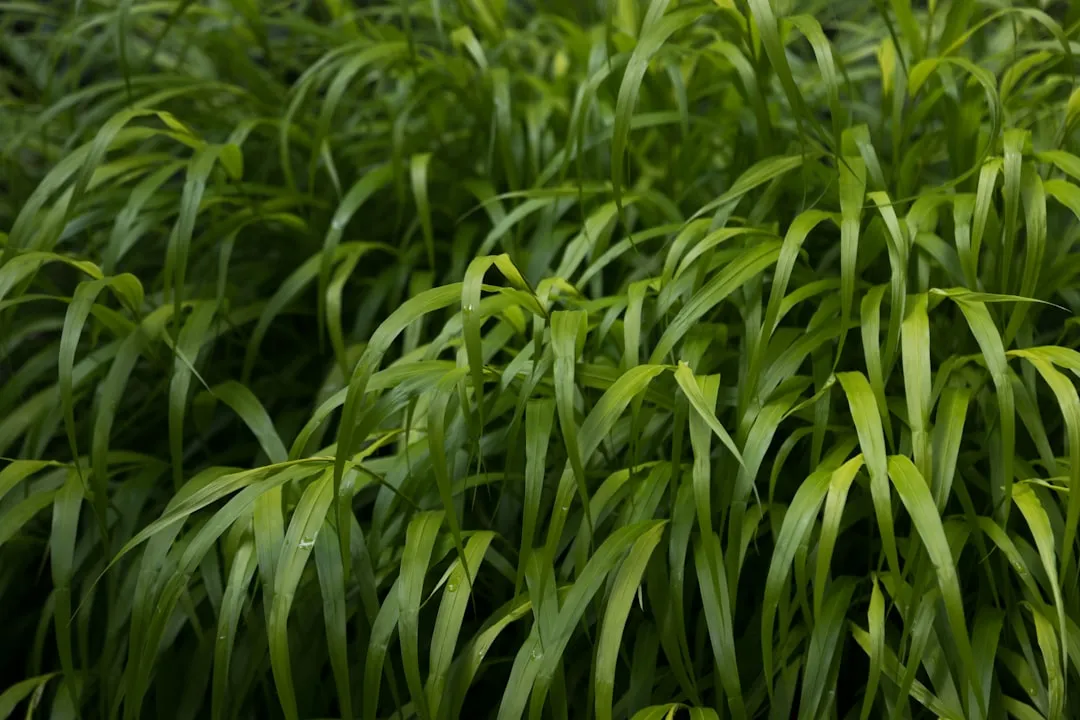
Walk through any Pennsylvania woodland and you might notice a low, wispy grass-like plant hugging the ground beneath the trees. That is Pennsylvania sedge, and it is one of the most underrated border plants you can grow. It creates a soft, flowing edge that looks natural and polished at the same time.
It spreads slowly by underground runners, which means it fills in over time without you having to replant every season. Once it gets established, it barely needs any water at all. That is a big deal during hot summers when rainfall can be unpredictable.
Sedges create great soft landings beneath heavy shade trees. Native Oak Sedge (Carex pensylvanica) is a standout in this category. Sedges are important larval hosts for many lepidoptera species, and their seeds are a valuable food source for birds and small mammals.
Christmas Fern (Polystichum acrostichoides)
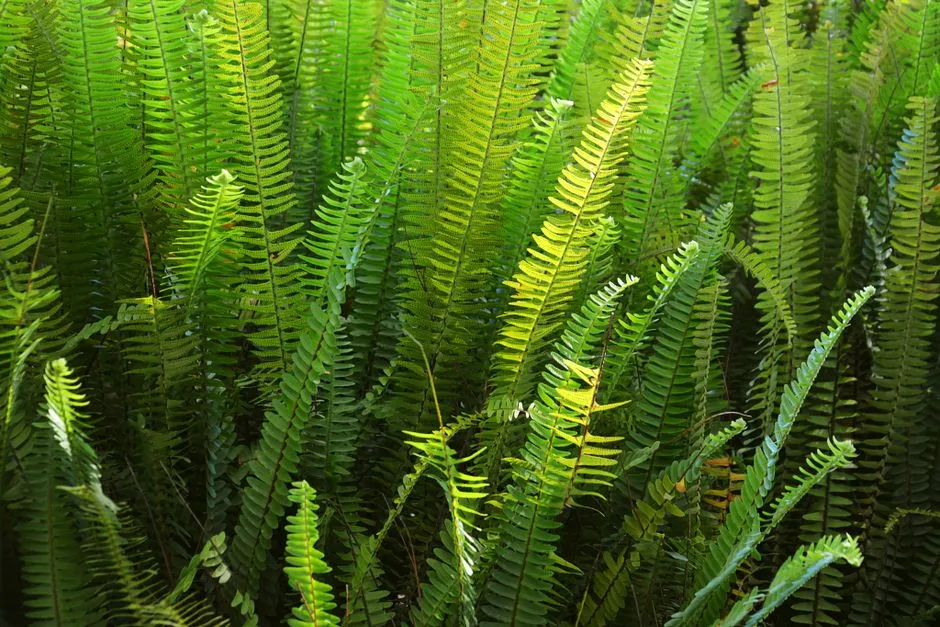
Many ferns love shade but prefer moist soil. However, Christmas fern and marginal wood fern are especially drought-tolerant plants, and Christmas fern is evergreen, providing a lush, leafy look all year long.
The Christmas fern is a native North American plant that genuinely earns its place in difficult dry-shade situations. It holds its deep green fronds through winter when almost everything else in the garden has retreated, giving structure to an otherwise bare space.
Include ferns that tolerate dry conditions, such as Christmas fern (Polystichum acrostichoides) or marginal wood ferns (Dryopteris marginalis). Both are consistently recommended by Penn State Extension and other cooperative extension services as reliable performers under established trees.
Hardy Cyclamen (Cyclamen hederifolium)
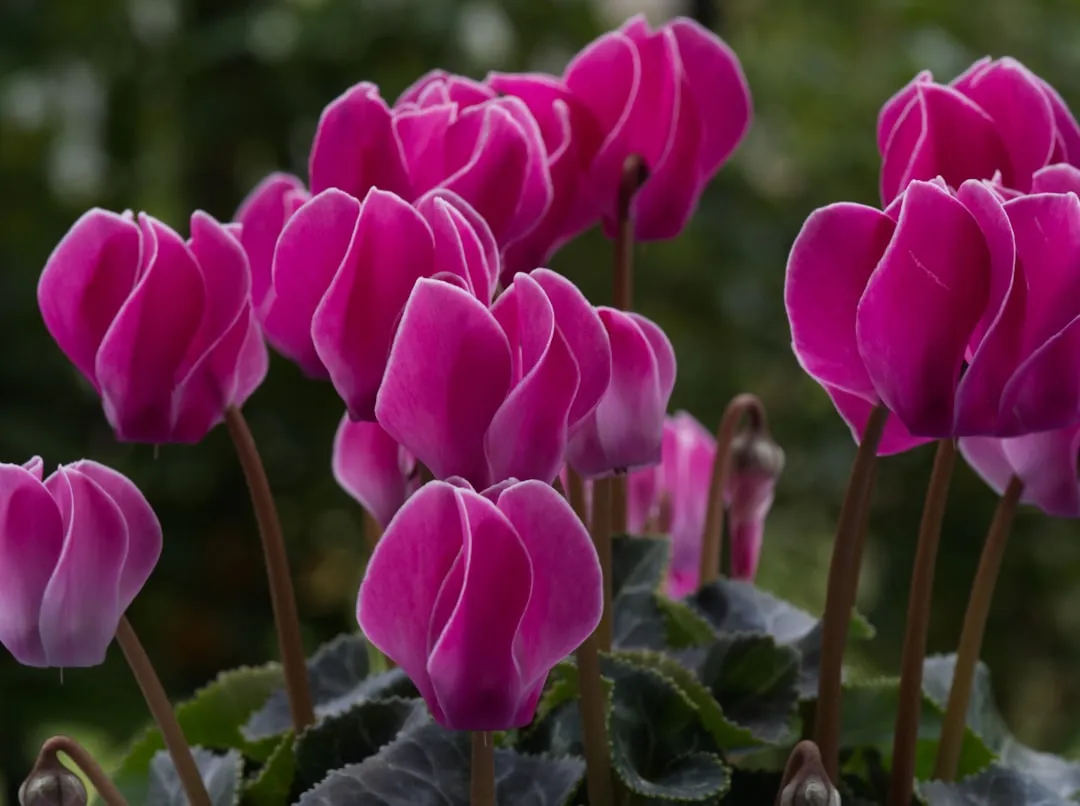
Perfectly adapted to growing under trees, Cyclamen hederifolium sends up a volley of tiny, shuttlecock-like flowers in early autumn. The timing alone makes it valuable, filling that late-season gap when most other shade plants have gone quiet.
Undaunted by tree roots, hardy cyclamen flowers in carpets of nodding bells in pink, white, and lavender, often in fall. Smaller than tender florist’s cyclamen, the flowers exude woodland charm. The foliage that emerges first, marbled and stippled in silver and green, may be the real star.
These small fall and winter-growing perennials absolutely thrive in the shady, dry conditions found underneath large deciduous trees and conifers. The corms establish slowly but, once settled in, are long-lived and reliably self-seeding.
Heuchera (Coral Bells)
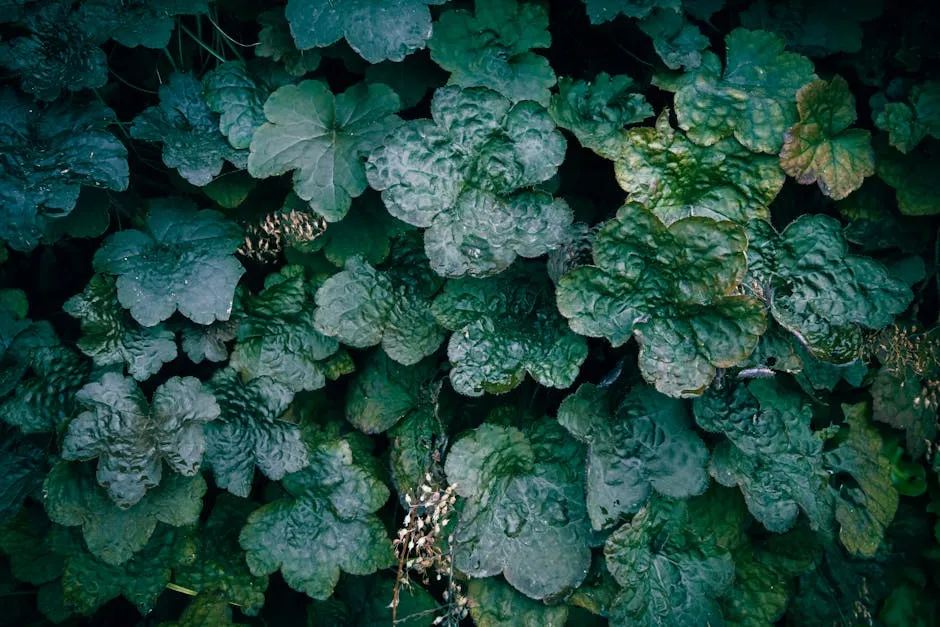
What makes Heuchera a star under trees is its ability to thrive in partial to full shade, along with its drought-tolerant nature. Once established, Coral Bells don’t mind dry soil and can handle root competition well. Their compact mounds work wonderfully along paths, borders, or in mass plantings for a swath of color.
The foliage is the main event with heuchera. Modern cultivars come in a remarkable range of tones, from deep burgundy and copper to near-silver and lime green, which is particularly useful in a shaded space where light-colored foliage genuinely brightens the environment.
They pair nicely with ferns, hostas, or ornamental grasses, adding color without overwhelming the space. While generally low-maintenance, occasional pruning of spent flower stalks and old leaves will keep them looking their best throughout the season.
Hosta
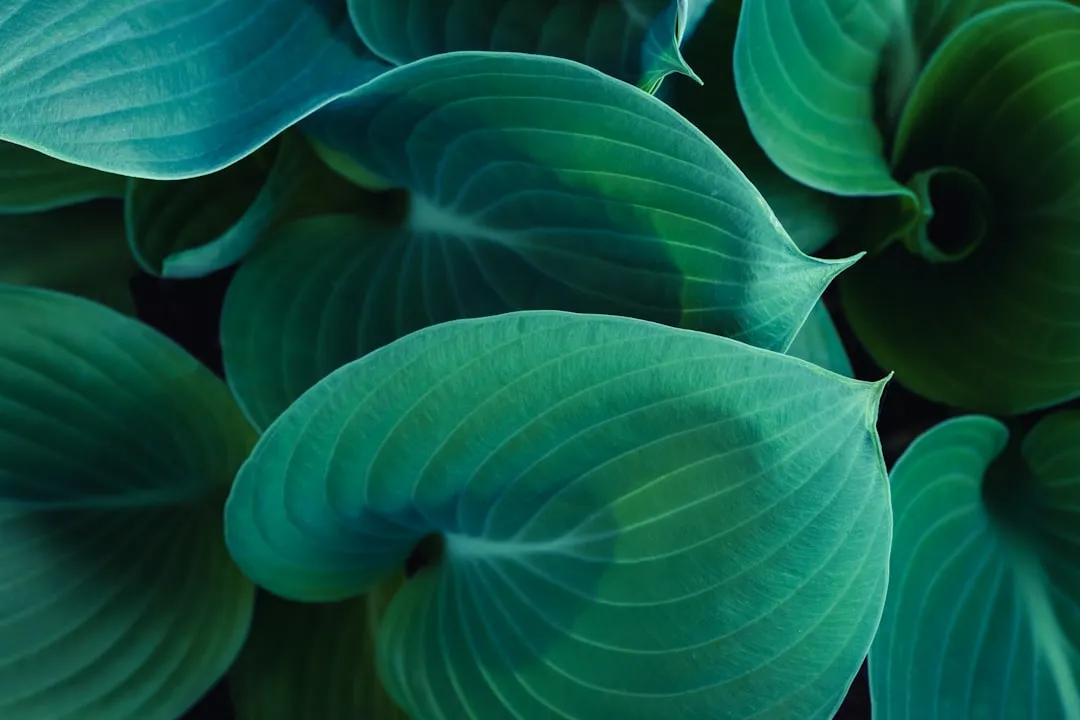
Hostas are the ultimate go-to for shade gardens, especially beneath trees. Their large, often variegated leaves add bold texture and come in a variety of greens, blues, and yellows. While they’re known for their foliage, many varieties also produce elegant spikes of lavender or white flowers in summer. These plants thrive in the filtered light under tree canopies and can tolerate root competition better than most.
Hostas prefer rich, moist soil but can adapt to drier conditions once established. The important caveat here is that they need consistent watering through their first couple of growing seasons before they can fend for themselves.
Excellent foliage plants are more important in a shady area than flowers. Light-colored flowers and foliage show up better in shade gardens than dark-colored plants that seem to melt into the shade. That principle is embodied in blue and gold hosta varieties, which are practically luminous under a dense canopy.
Euphorbia amygdaloides var. robbiae (Wood Spurge)
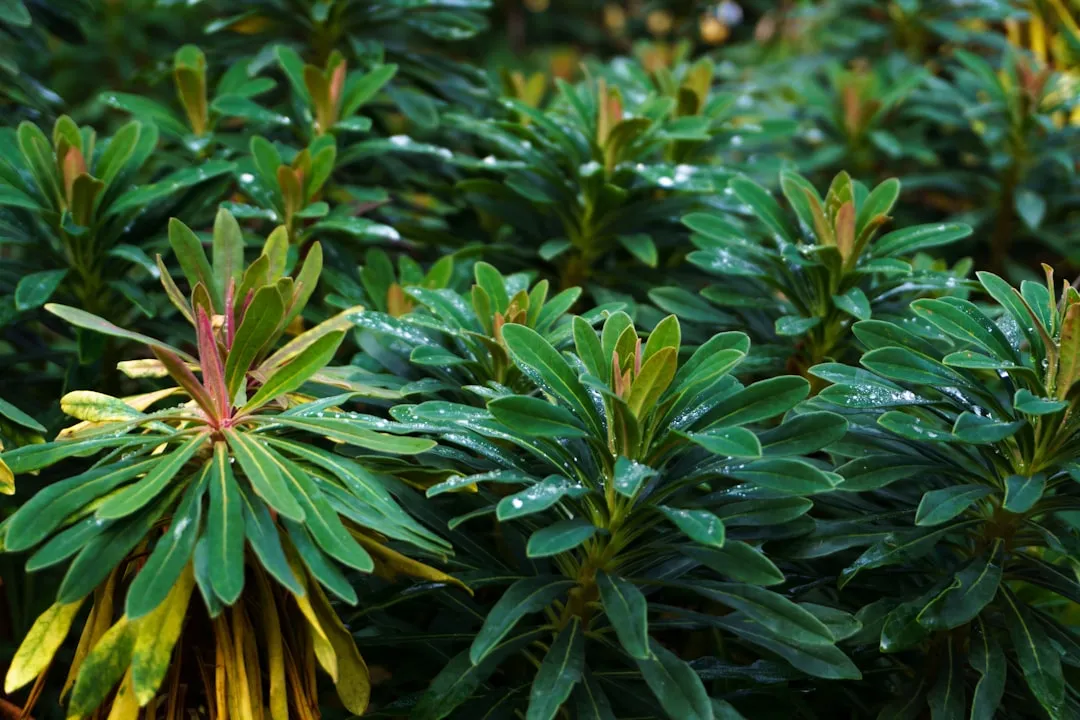
Revealing vivid lime flowers in late spring, this tough, fast-growing wood spurge, Euphorbia amygdaloides var. robbiae, is perfect for dry spots under trees. It’s not as widely known as epimedium or hellebore, but it earns its place through sheer resilience.
The lime-yellow flowerheads contrast strikingly with the dark, glossy rosettes of foliage, and the plant spreads steadily to form a weed-suppressing mat. It’s evergreen, asking very little of the gardener once established, and it tolerates the kind of bone-dry, root-filled soil that defeats most other options.
A note of caution: the milky sap of all euphorbias is a skin irritant, so handle it with gloves when cutting back or dividing. That aside, it’s one of the most dependable choices available for a genuinely hostile dry-shade environment.
Practical Tips Before You Plant
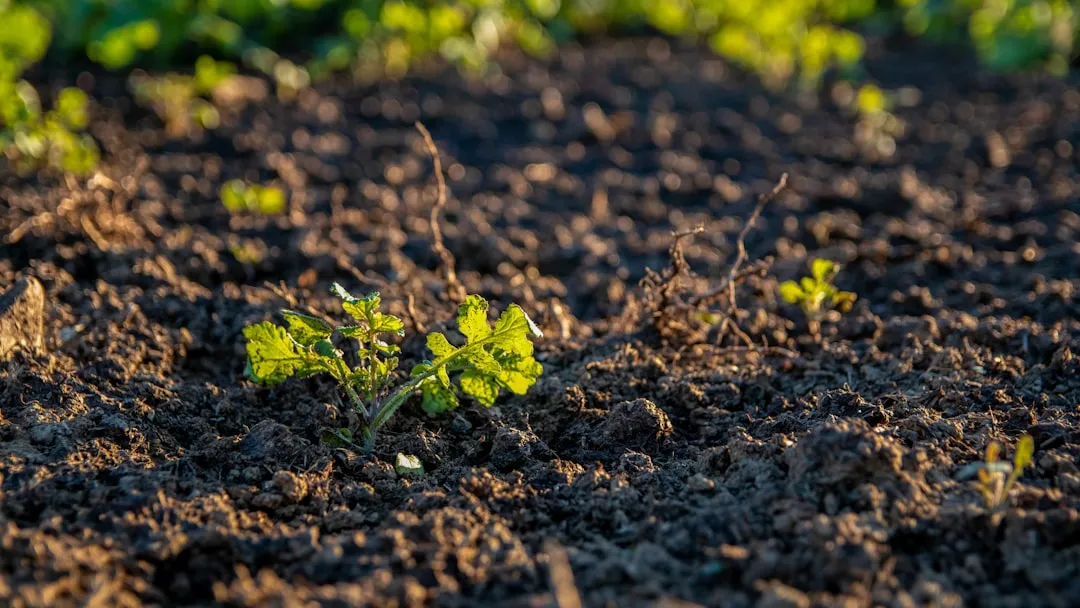
Water regularly for the first two years while roots settle in, and add organic mulch like leaves and woodchips to lock in moisture and add nutrients. This establishment phase is non-negotiable, even for the toughest dry-shade plants.
Raise the level of the soil by adding amendments on top of the roots, making a shallow raised bed. Eventually those thirsty tree roots will find their way to the enriched areas, but by then the plantings should be established enough to compete. To limit any harm to the tree, leave 6 to 8 feet out from its base unplanted.
Dry shade perennials, once well established, are the best plants for this harsh environment. Limit your plant choices to a few and plant them in swaths for a more naturalistic look. To unify the landscape, repeat plants that are already growing in shady parts of your garden.
The ground under an established tree doesn’t have to stay bare and dusty. With the right plants chosen carefully and given a fair start, that difficult zone can become one of the most quietly beautiful spots in the garden. It just takes a little patience and respect for what the tree is already doing.
AI Disclaimer: This article was created with the assistance of AI tools and reviewed by a human editor.