

Wild bumblebees are in serious trouble. Bumblebee populations have declined by roughly 46% across North America and 17% in Europe in terms of occupied habitat. The American bumblebee, once widespread, has seen its population drop by nearly 90% in the last two decades and has vanished completely from at least eight states. That’s a staggering loss for a creature that does far more quiet, essential work than most people ever notice.
Providing habitat-friendly gardens and landscapes is one of the most important things gardeners can do to make a meaningful difference in helping to conserve and protect native bumblebees and wild bee populations. The most effective way to do that starts with the flowers you choose to plant. Here are ten native wildflowers backed by research that genuinely deliver results.
1. Wild Bergamot (Monarda fistulosa)
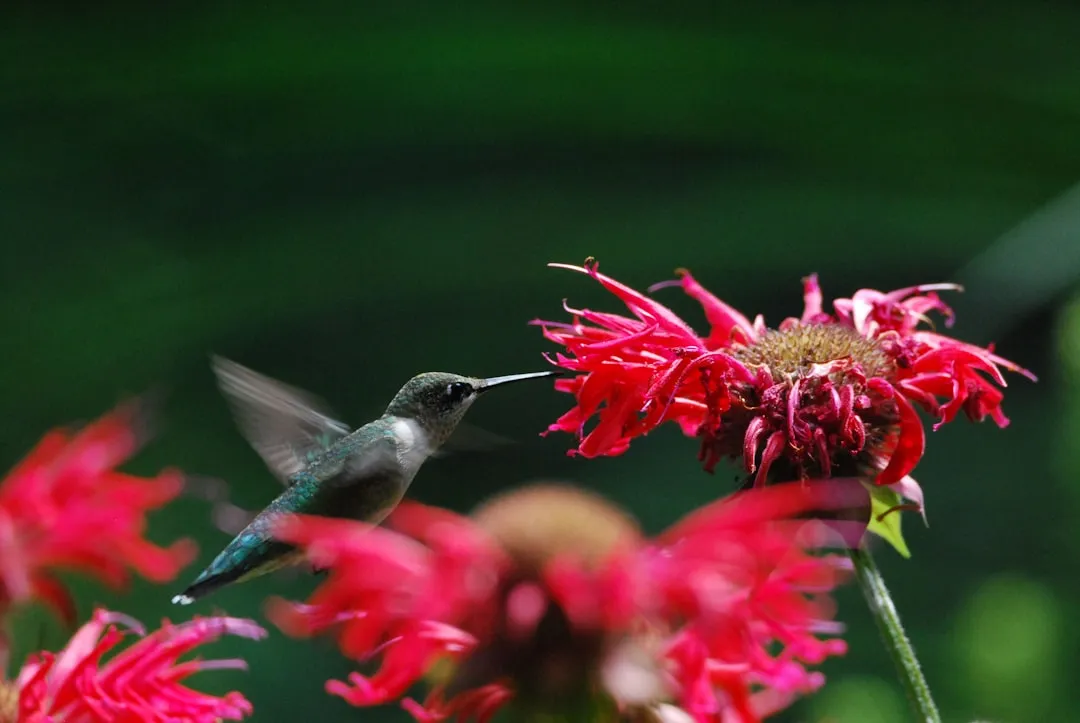
Wild bergamot attracts a number of specialist bees, bumblebees, predatory wasps, hummingbirds, and hawk moths. Its distinctive crown of tubular light pink or purple flowers stands atop short, sturdy stems from mid-summer through fall.
Wild bergamot thrives in a wide range of soils and can be found across most of the United States and Canada, with the exception of California and Florida. Its long bloom period provides abundant resources for a diversity of bees and other pollinators. It’s genuinely one of the easiest wildflowers to establish from seed, making it a strong starting point for anyone building a pollinator garden from scratch.
2. Purple Coneflower (Echinacea purpurea)
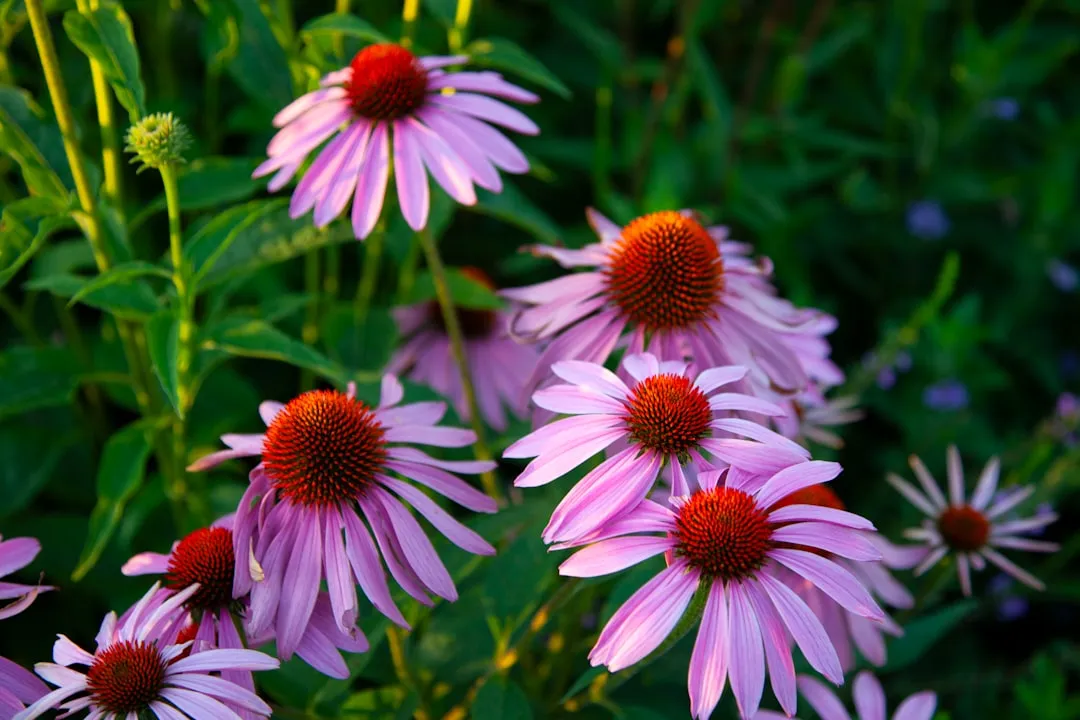
Echinacea, also known by its common name coneflower, is bright, tall, drought-resistant, and a favorite of pollinators. It produces colorful, fragrant, daisy-like blooms that bumblebees, hummingbirds, and butterflies flock to.
NC State researchers found that smooth coneflower is dependent on insect pollinators for cross-pollination and that bees were the most effective pollinators. Coneflowers are native to eastern and central regions of the United States. They bloom from mid-summer well into fall, filling a crucial window when many other wildflowers have already finished for the season.
3. Anise Hyssop (Agastache foeniculum)
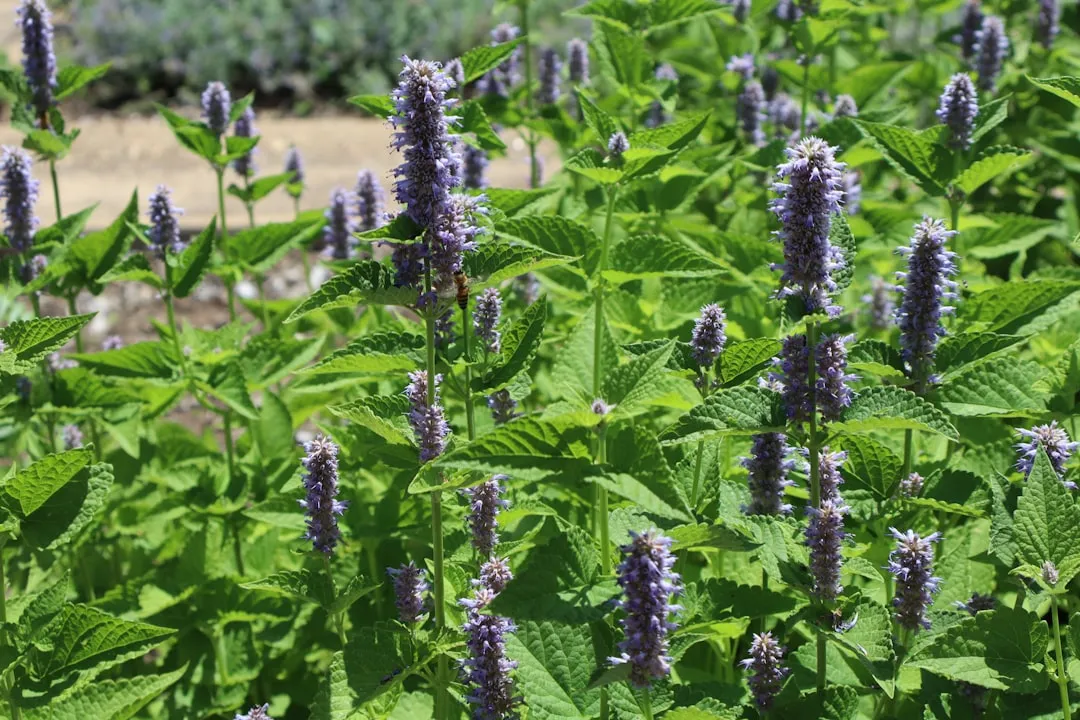
Anise hyssop is a perennial native wildflower for parts of the northern half of the United States and into Canada. Each summer, this perennial wildflower produces spiked clusters of lavender to purple flowers that continue to bloom for several months.
The flowers are highly attractive to honey bees and many native bees, including bumblebees, mining bees, leaf cutter bees, and sweat bees. Anise hyssop is a top pick from the University of Florida, the Xerces Society, and gardeners across the country – its dense, fragrant purple flower spikes are one of the most intensely bee-visited plants you can grow. It also self-sows readily, so once it’s in, it tends to stay.
4. Red Clover (Trifolium pratense)
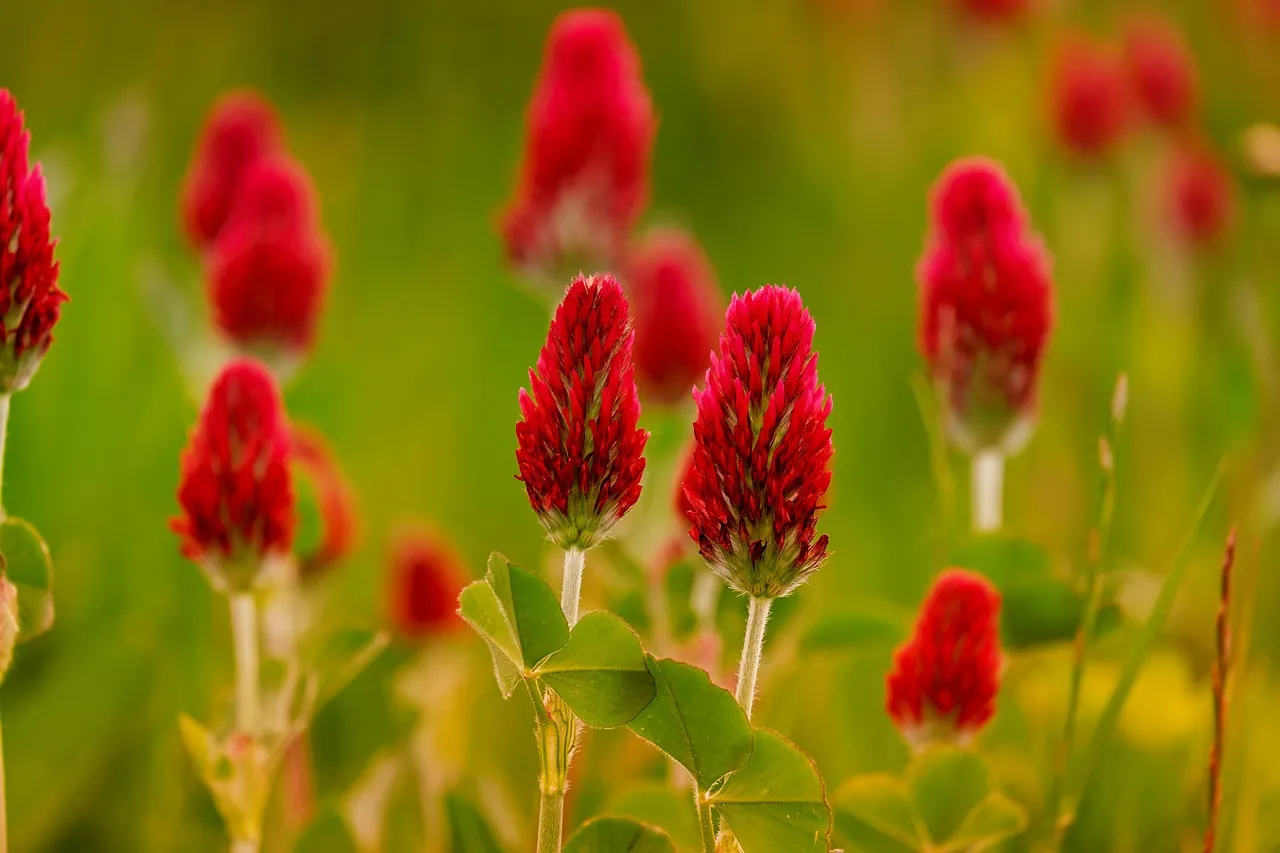
Environmental seed mixtures have been effective in providing foraging habitat for bumblebees, especially when plant species such as red clover are included, as the pollen of Trifolium pratense is favoured by many bumblebee species.
Variation among cultivars and wild populations in their ability to attract bumblebees appears to be related to their relative investment in different floral traits. This matters practically: when sourcing red clover seed, wild-sourced populations tend to perform better for bumblebee attraction than many commercial cultivars. It’s one of the most studied plants in pollinator science for good reason.
5. Goldenrod (Solidago spp.)
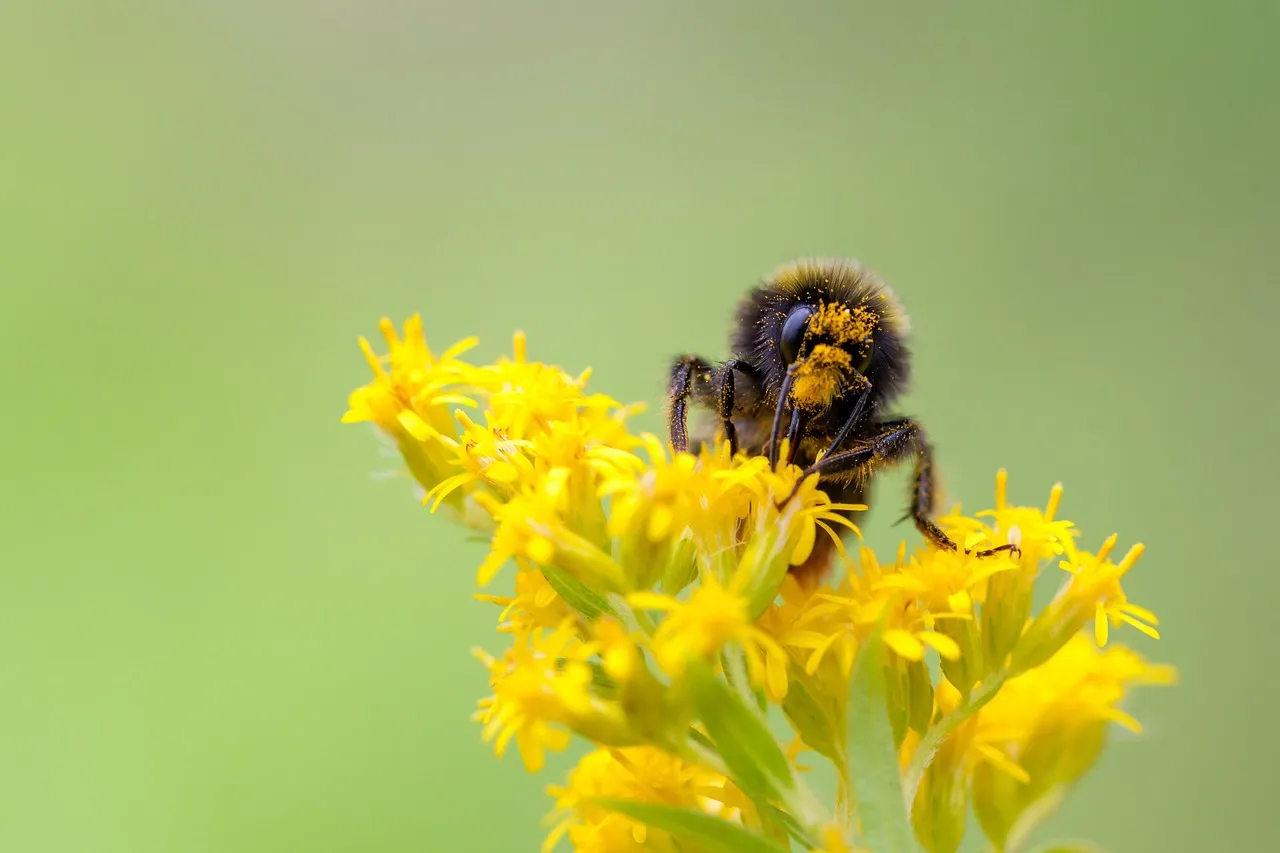
Goldenrod has a long blooming season, and having multiple varieties extends the time that golden yellow blossoms grace the yard. Some goldenrods bloom right up until the first frost, giving native insects that last bit of food necessary before winter.
Native bumblebees are regular visitors to goldenrod in the wild. It’s a critical late-season resource, arriving just when bumblebee colonies are raising their final queens and males before winter. Despite its undeserved reputation for causing hay fever (the real culprit is ragweed, which blooms simultaneously), goldenrod is one of the most valuable plants you can grow for bumblebees.
6. Butterfly Weed (Asclepias tuberosa)
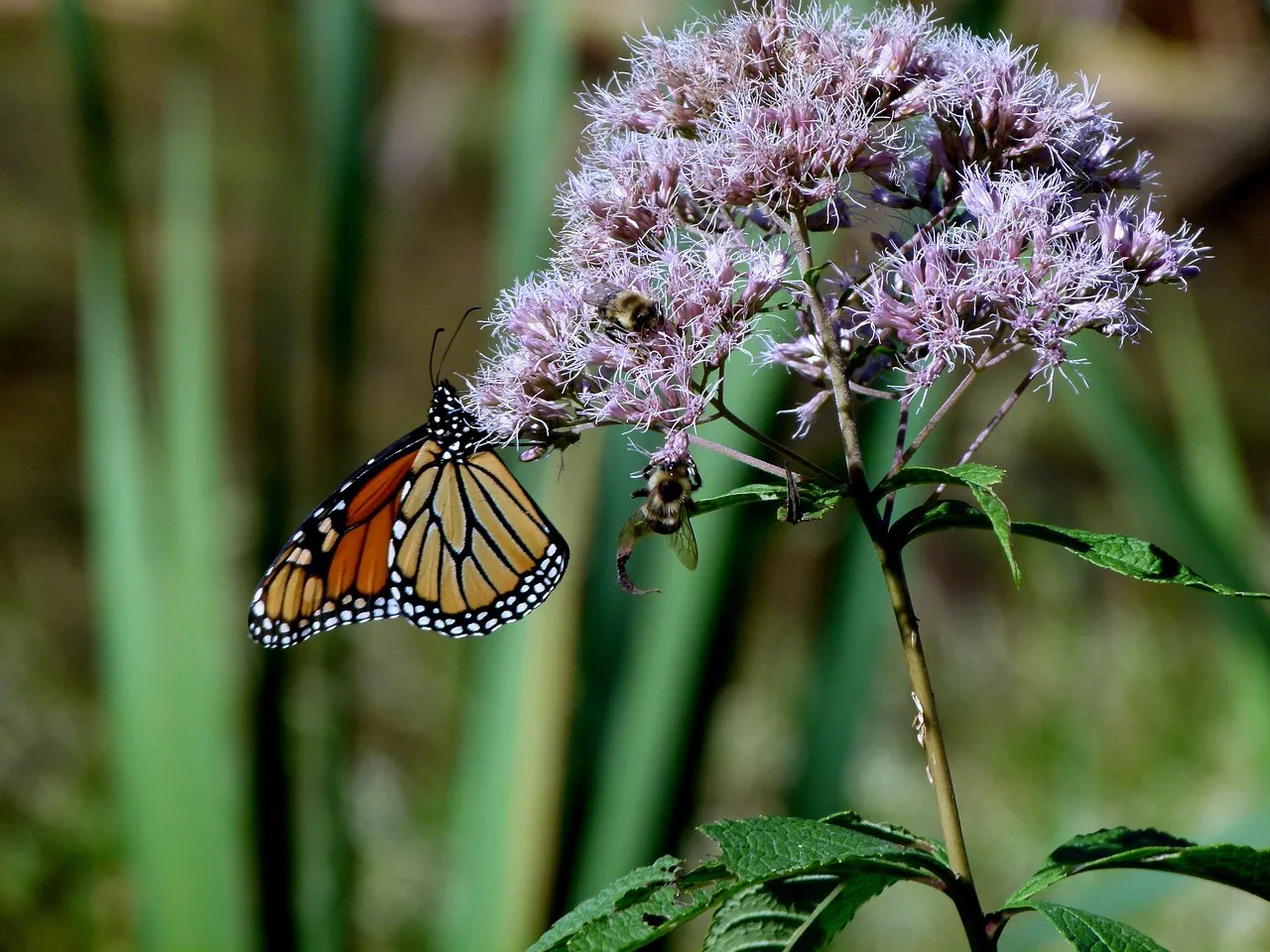
In a Cornell University and Auburn University study, researchers found that butterfly weed was a high-performing plant species, supporting a disproportionate abundance, richness, and diversity of bees relative to other wildflower species.
This native milkweed relative produces vivid orange flower clusters that bumblebees navigate to reliably all summer. It tolerates dry, poor soils remarkably well, which makes it ideal for spots where other wildflowers struggle. Unlike common milkweed, butterfly weed stays compact and tidy in a garden setting.
7. Native Asters (Symphyotrichum spp.)
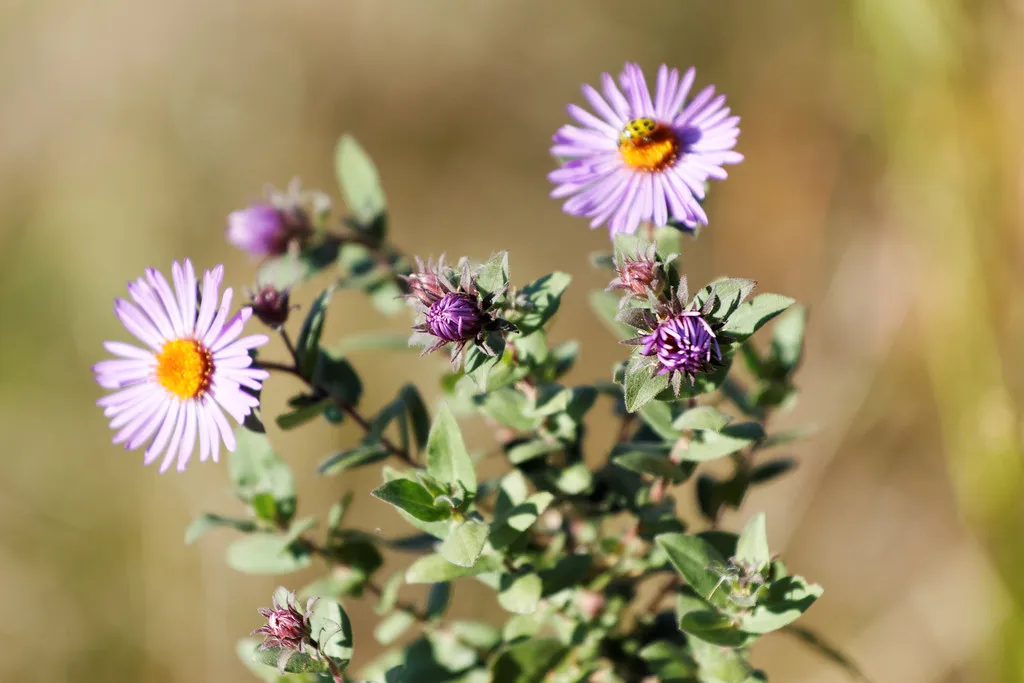
Some species of bumblebee, like the early bumblebee, are on the wing earlier than other species, making it important that gardeners supply plenty of early and late-flowering plants throughout the season. Native asters serve the opposite but equally vital role: they bloom deep into autumn, offering one of the last reliable nectar sources before cold sets in.
Native asters are workhorses. They thrive in a wide range of soils and light conditions, spread steadily over time, and attract multiple bumblebee species simultaneously during peak fall foraging. Research has shown that designing plantings to provide continuous bloom throughout the growing season is critical to supporting the greatest pollinator species richness, and asters are a cornerstone of that late-season strategy.
8. Black-Eyed Susan (Rudbeckia hirta)
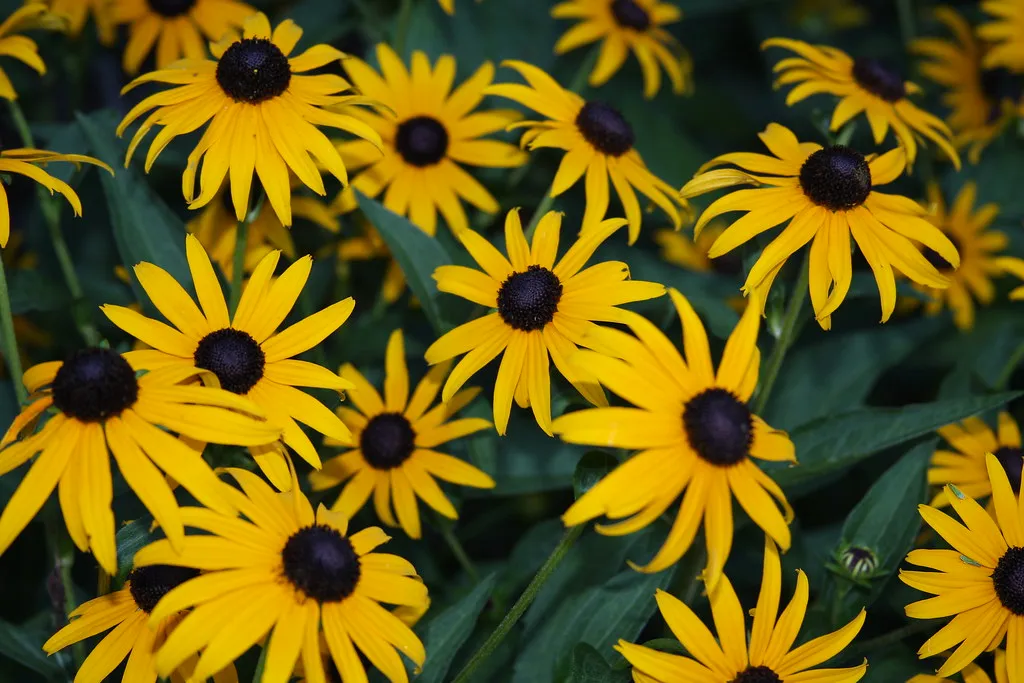
Black-Eyed Susan is one of the most recognizable North American wildflowers, and it earns its place on this list through consistent performance. It is a well-established midsummer bloomer, contributing reliably to the pollinator calendar from July through August.
Black-eyed Susan creates a cheerful display in any bee garden, and its open, flat flower structure makes nectar and pollen accessible to bumblebees regardless of tongue length. It’s biennial in some conditions but reseeds readily, so established patches tend to persist year after year with minimal effort from the gardener.
9. Wild Blue Vervain (Verbena hastata)
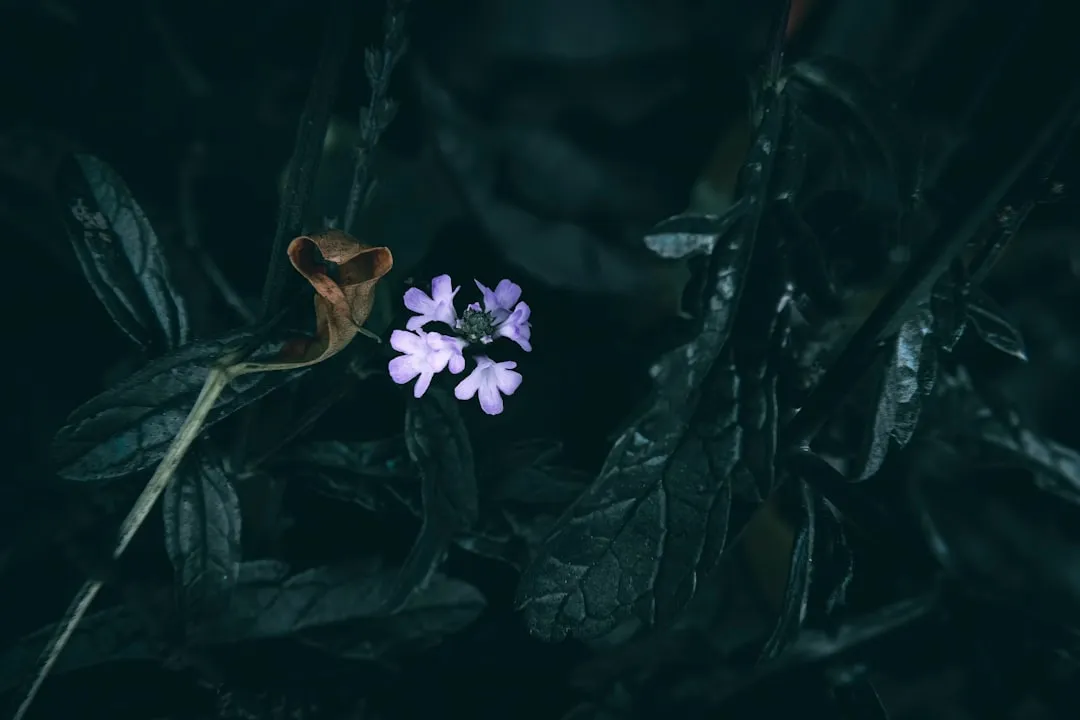
In research from Cornell University and the USDA Agricultural Research Service, blue vervain was identified as one of the high-performing plant species, supporting a disproportionate abundance, richness, and diversity of bees relative to other wildflower species in common garden experiments.
Blue vervain produces slender, candelabra-like spikes of small violet-purple flowers that bloom sequentially from the base upward, extending the flowering window over several weeks. It naturally colonizes moist meadows, stream edges, and rain gardens. Bumblebees typically prefer blue, purple, pink, and yellow flowers, which makes blue vervain’s deep violet colouring a natural draw for foraging workers.
10. Indian Blanket Flower (Gaillardia pulchella)
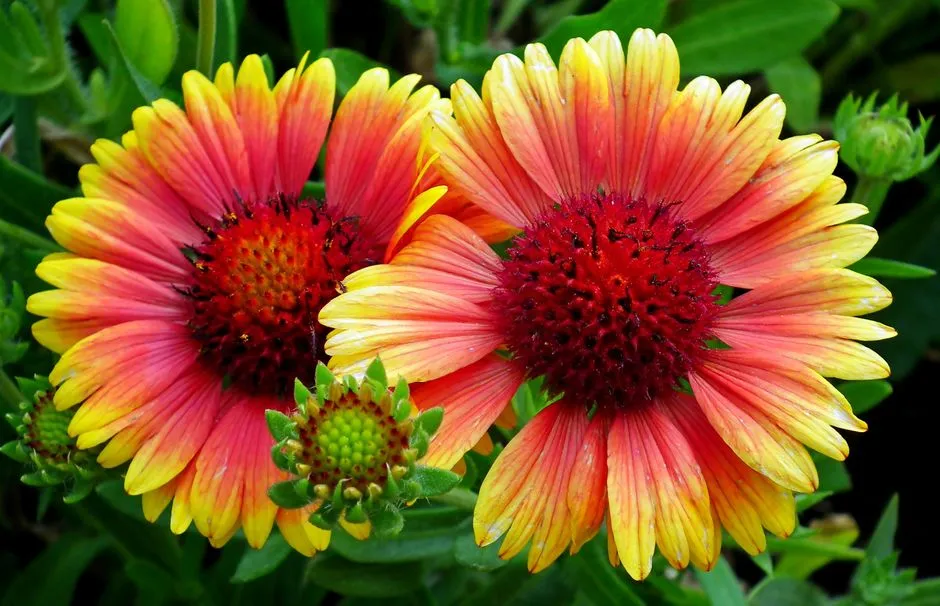
Indian blanket was also identified as a high-performing plant in the Cornell and USDA research, supporting disproportionate bee abundance and diversity compared to other wildflower species tested. Its vivid, warm-toned flowers are drought-tolerant and bloom generously from early summer through fall.
Gaillardia is particularly valuable in hotter, drier regions of North America where moisture-loving wildflowers tend to struggle. Research has shown that complementarity in the attraction of pollinators among different species suggests that inclusion of functionally diverse species provides the greatest benefit – and Indian blanket fills a niche in the palette that few other native wildflowers can match for heat tolerance and extended bloom time.
Why Planting in Drifts Matters as Much as Species Choice
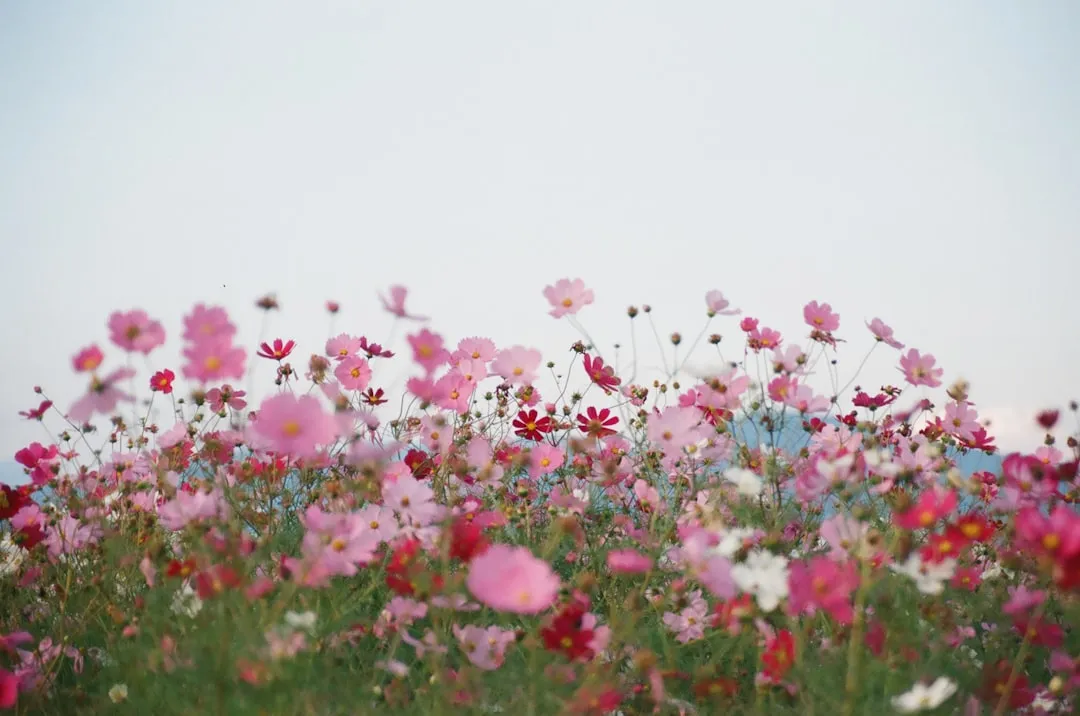
Research is clear on this: a single plant rarely attracts many pollinators, but a drift of three to seven or more plants of the same species creates a beacon that pollinators can see and smell from a distance. If you have limited space, plant fewer species in larger drifts rather than many species as singletons.
Wildflower mixes may be particularly important for providing resources for some taxa, such as bumblebees, which are known to be in decline in several regions of North America. Presently, pollinators are declining from habitat loss, agricultural intensification and pesticide use, disease, and climate change, among other factors. A well-planted drift of even two or three of these species can make a yard meaningfully more useful to local bumblebee populations.
The Importance of Bloom Succession and Nutritional Variety
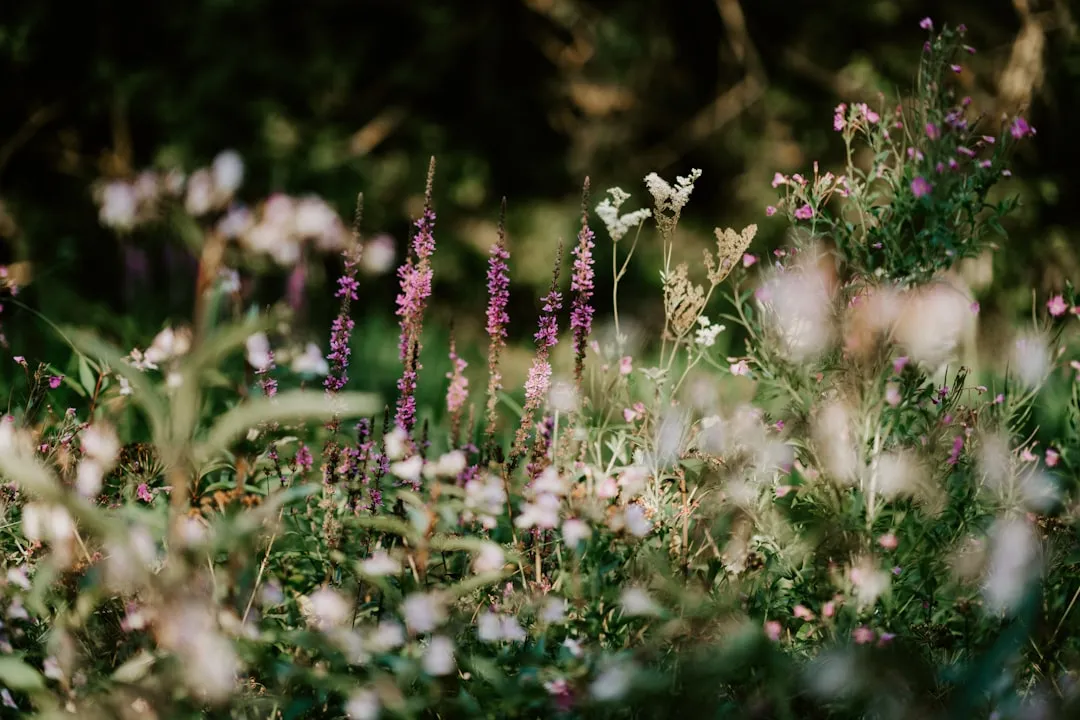
Provision of forage in the form of blooming flowers throughout the growing season can help support bee populations. Pollen is a major source of proteins and lipids for colony development, and also contains trace levels of vitamins, secondary metabolites, carbohydrates, and vital elements needed for bee larval growth.
Bumblebees prefer perennial plants over annuals more than other native bees and honeybees do, as perennials tend to have larger quantities of nectar. Pairing early bloomers like wild bergamot with mid-season coneflowers and late-season goldenrod and asters creates a continuous food chain from spring emergence through autumn. That sequence is not just convenient for bumblebees; it can be the difference between a colony thriving or failing to raise winter queens.
— The case for planting native wildflowers for bumblebees isn’t just sentimental. Bumblebees play a significant role not only in pollinating wildflowers in natural ecosystems but also in agricultural crop production by maintaining high yields – and among wild bees, bumblebees are the highest contributors to crop pollination. A garden planted thoughtfully with even a handful of these species becomes something more than ornamental. It becomes functional habitat, and that’s a shift worth making.AI Disclaimer: This article was created with the assistance of AI tools and reviewed by a human editor.