

Sustainability doesn’t have to start with a solar panel installation or a complete kitchen remodel. Some of the most effective changes you can make at home require nothing more than a trip to the hardware store, a few hours of effort, and a modest amount of cash. Sustainable home improvements can reduce your environmental impact while improving your health and well-being and delivering real energy savings. The good news is that most of the upgrades with the strongest return on investment are decidedly low-tech.
According to the EPA, residential energy use accounts for roughly one fifth of greenhouse gas emissions in the United States. That’s a huge share, and it means the home is one of the most practical places to start making a difference. What follows are ten accessible, affordable upgrades that genuinely move the needle.
Seal the Gaps: Weatherstripping Doors and Windows
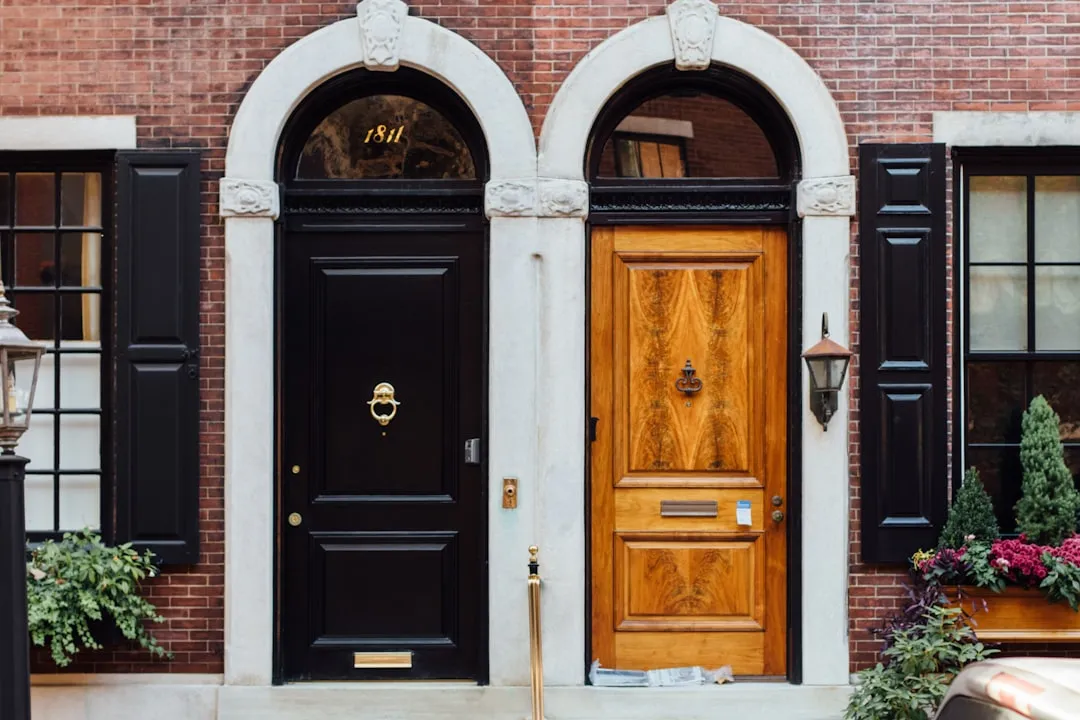
Air leaks around doors and windows are one of the quietest drains on your energy budget. Sealing gaps with weatherstripping can reduce air leakage by roughly 25 to 40 percent, and according to the U.S. Department of Energy, this step can save 10 to 15 percent on heating bills. That’s a meaningful number for something you can do on a Saturday morning.
Weatherstripping materials cost far less than replacing your windows and doors. For less than $10, you can buy a roll of weatherstripping tape or rope caulk and effectively seal many of the drafts in your home. Vinyl holds up well and resists moisture, while metals such as bronze, copper, stainless steel, and aluminum last for years and are affordable.
It’s recommended that homeowners check their weatherstripping at least once a year to ensure it provides an adequate seal. Combined with other air sealing measures, this simple upgrade creates a noticeably more comfortable home at almost no cost.
Switch to LED Lighting Throughout Your Home
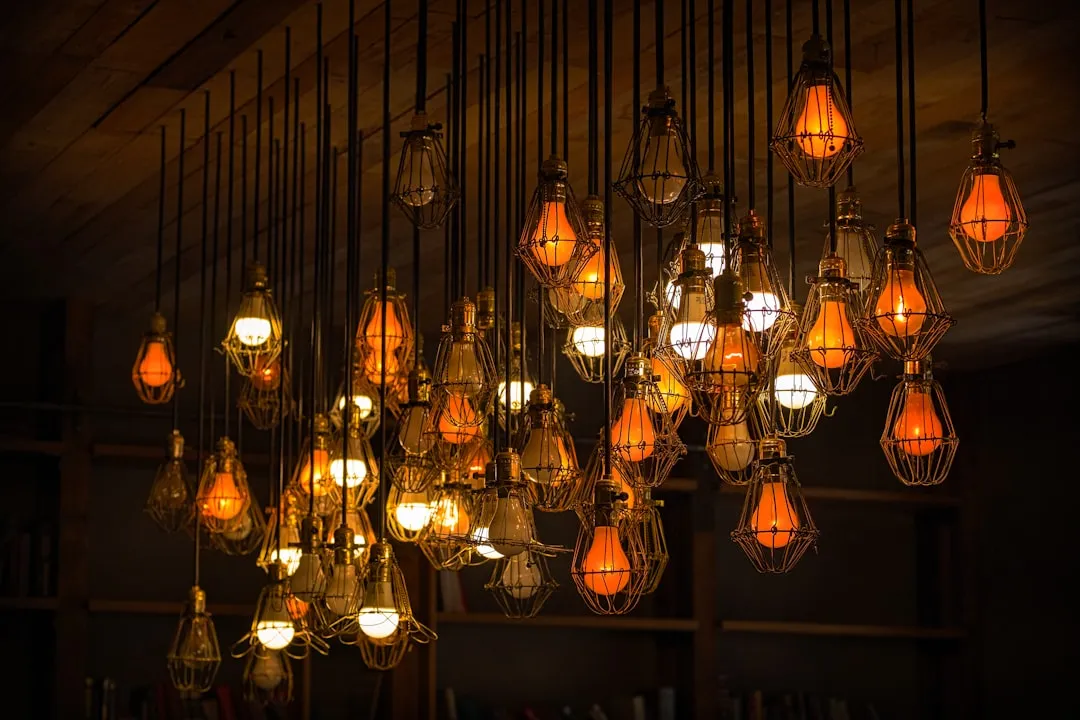
Lighting is one of the easiest places to cut energy use, and the technology has come a long way. LED lighting saves households an average of $225 per year on electricity costs. Over the lifetime of a single bulb, that adds up considerably.
The savings can reach up to $225 annually by replacing all bulbs in your home, and individual LEDs cost just $5 to $20 per bulb and are easy to install. There’s no rewiring, no contractor, no complicated installation process. You simply swap the old bulb for the new one.
Upgrading your home’s lighting is one of the easiest sustainable home improvements you can make, and it offsets a great deal of energy use. It’s also one of the few upgrades where you see the benefit reflected almost immediately on your utility bill.
Install a Low-Flow Showerhead
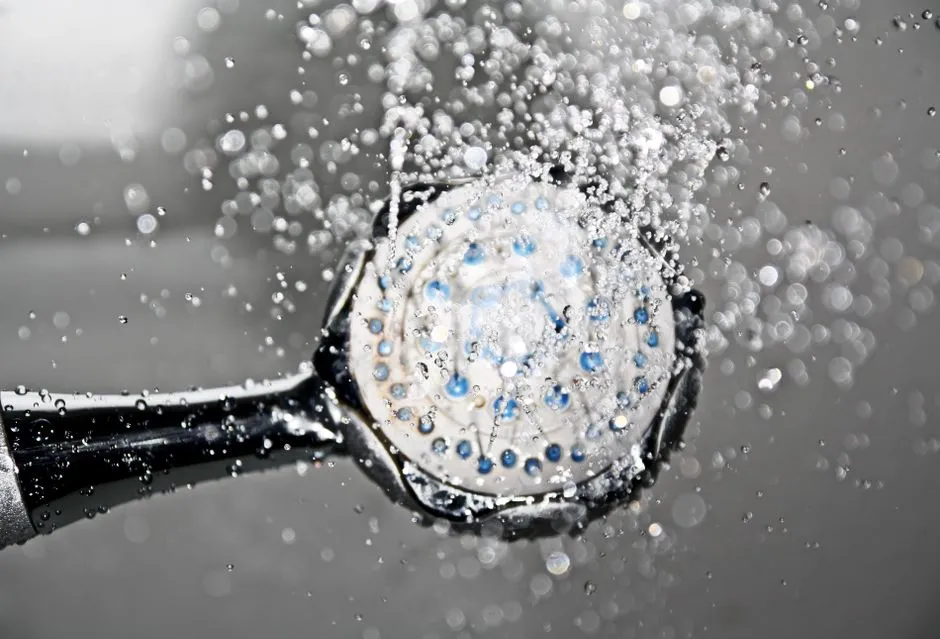
The average shower is more resource-intensive than most people realize. Showering accounts for nearly 17 percent of residential indoor water use, adding up to nearly 40 gallons per day for the average family. Switching out the showerhead is one of the simplest ways to reduce that figure without changing your routine.
According to the EPA, the average U.S. family can save 2,700 gallons of water and 330 kilowatt-hours of electricity each year by switching to a WaterSense showerhead. According to the EPA’s WaterSense program, changing an old showerhead to a WaterSense-approved showerhead can save about $70 a year in water and energy costs.
One of the biggest advantages of water-saving showerheads is how simple they are to install, with most installations taking less than 10 minutes and requiring no professional plumbing experience. The best news may be that low-flow showerheads are cheap. High-quality models generally sell for around $20, and they will save you the same amount in less than a year.
Caulk Around Windows, Pipes, and Baseboards
Caulking is the less glamorous sibling of weatherstripping, but it covers territory that weatherstripping simply can’t. Weatherstripping works for movable components like doors and operable windows, while caulk is the appropriate material for filling cracks and gaps in stationary components. Together, the two form a complete air-sealing system.
Sealing air leaks around your home and adding insulation can help your home be more comfortable and energy efficient, providing up to a 10 percent savings on your annual energy bills. Simple fixes include installing weatherstripping on doors and caulking around windows, while bigger jobs might include sealing leaks and adding insulation in your attic.
A tube of quality caulk typically costs just a few dollars. For older homes, the payback period is almost immediate, since the gaps around pipes and baseboards in older construction can be surprisingly large.
Start a Home Compost Bin
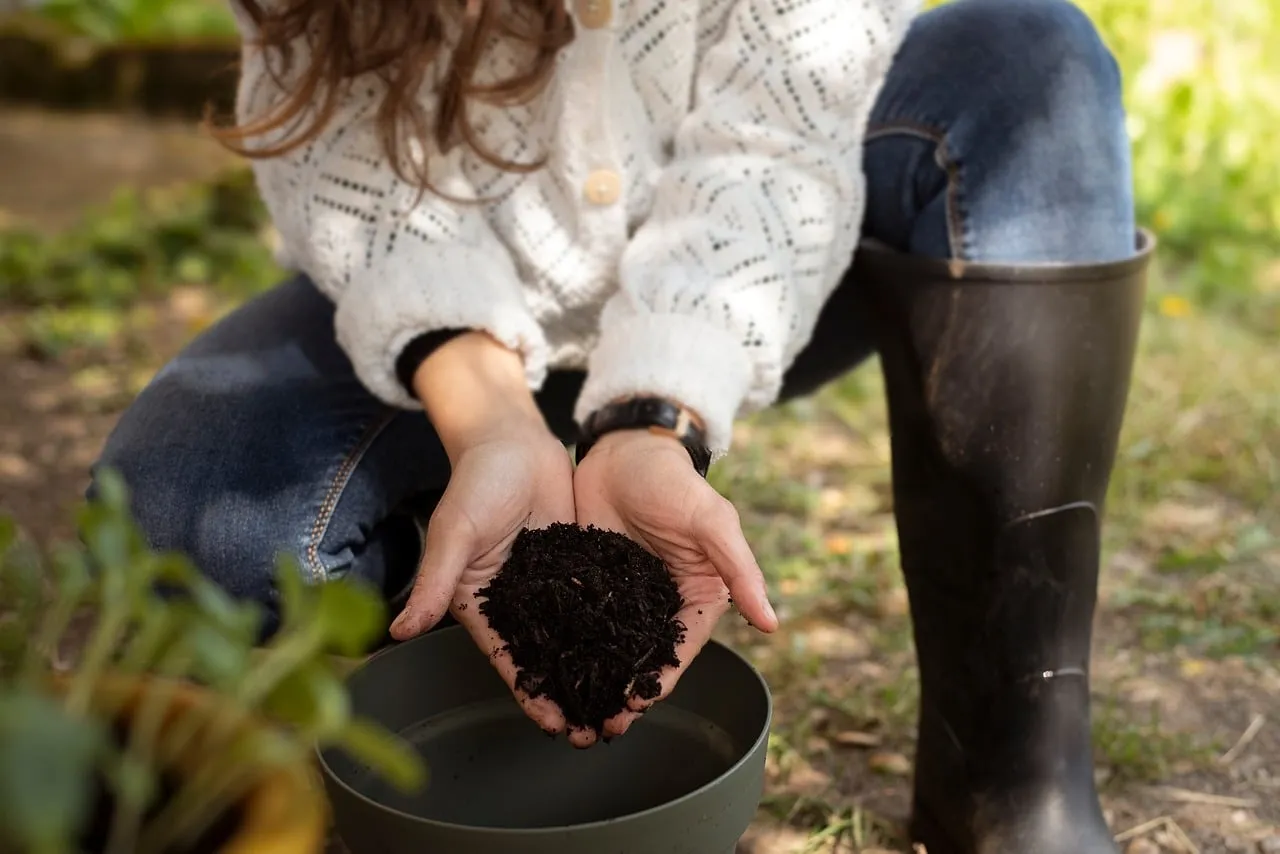
Composting is one of those upgrades that costs next to nothing to set up and keeps paying dividends for years. In 2024, the U.S. produced nearly 300 million tons of trash, and food was the second highest category of waste, comprising roughly one fifth of what we throw away and increasing the size of landfills, which are the source of 34 percent of methane emissions.
When food and other organic materials decompose in a landfill under anaerobic conditions, bacteria break down the materials and generate methane, a powerful greenhouse gas. Composting at home diverts that waste before it ever reaches the landfill. Research published in a peer-reviewed study found that composting emissions were 38 to 84 percent lower than equivalent landfilling fluxes.
Finished compost adds organic matter to the soil, increases nutrient content, conserves water by helping soils retain moisture, and reduces reliance on chemical fertilizers and pesticides. A basic compost bin can be built from scrap wood or purchased inexpensively, and kitchen scraps that would otherwise go to waste become a genuine resource for your garden.
Use Draft Stoppers and Door Sweeps
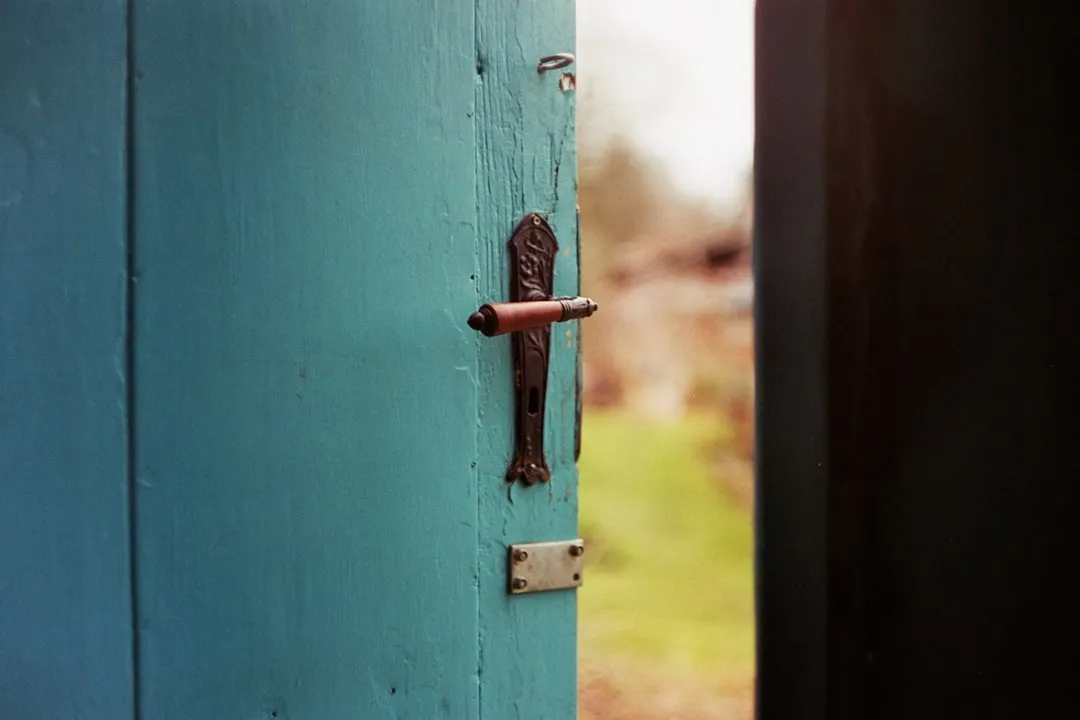
Draft stoppers and door sweeps address the same problem as weatherstripping but at the very bottom of exterior doors, where heated or cooled air escapes most freely. They’re available for a few dollars at any home goods store, or can be made from inexpensive fabric. The energy-saving logic is straightforward: every degree of temperature that escapes through a gap is energy your heating or cooling system has to replace.
Weatherstripping and draft sealing offer benefits throughout the year. In winter, they keep warm air inside and cold air out, reducing the need for heating. In summer, they do the opposite, keeping cool air in and hot air out. Door sweeps are especially useful in older homes where door frames have settled and gaps have widened over time.
Upgrade to Water-Saving Faucet Aerators
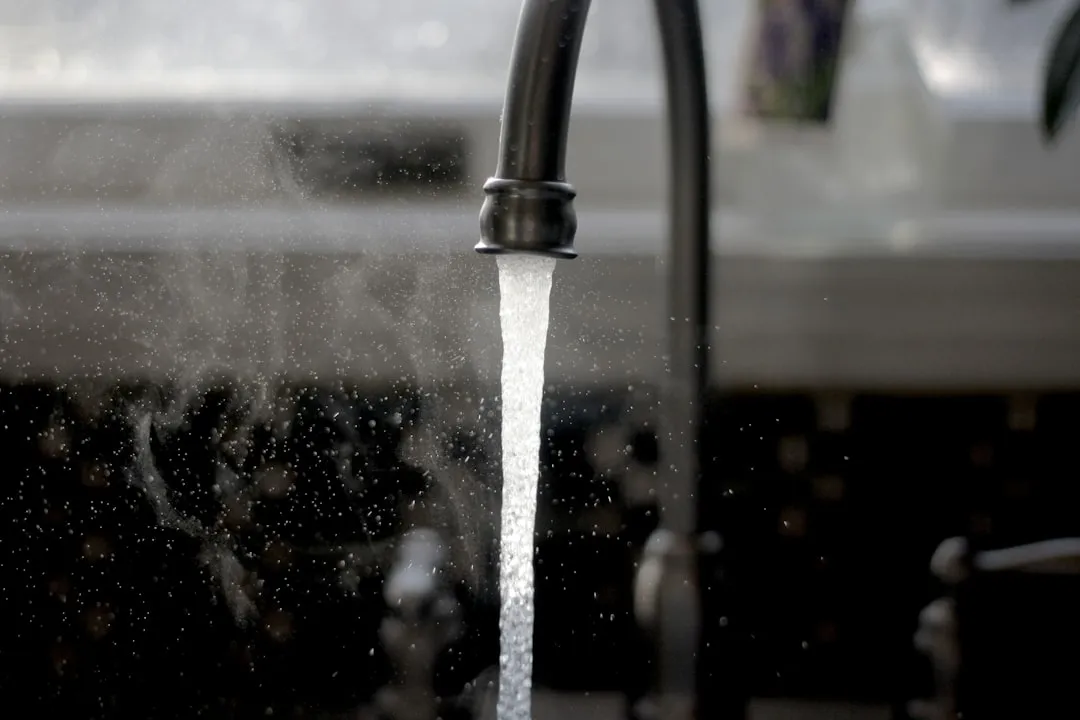
A faucet aerator is a small screen that screws onto the end of a tap and mixes air into the water flow, maintaining pressure while using significantly less water. They typically cost under $5 and take about two minutes to install. WaterSense-certified faucets can save 700 gallons of water per year per faucet.
Water heating accounts for about 18 percent of a home’s energy consumption and is a home’s second-largest energy expense, according to the U.S. Department of Energy. Reducing the amount of hot water flowing through your taps cuts both your water bill and your energy bill at the same time. Changing all fixtures in a home and using all EPA ENERGY STAR appliances can add up to about $380 a year in average savings and saving about 15,700 gallons of water annually.
Add Thermal Curtains or Window Coverings
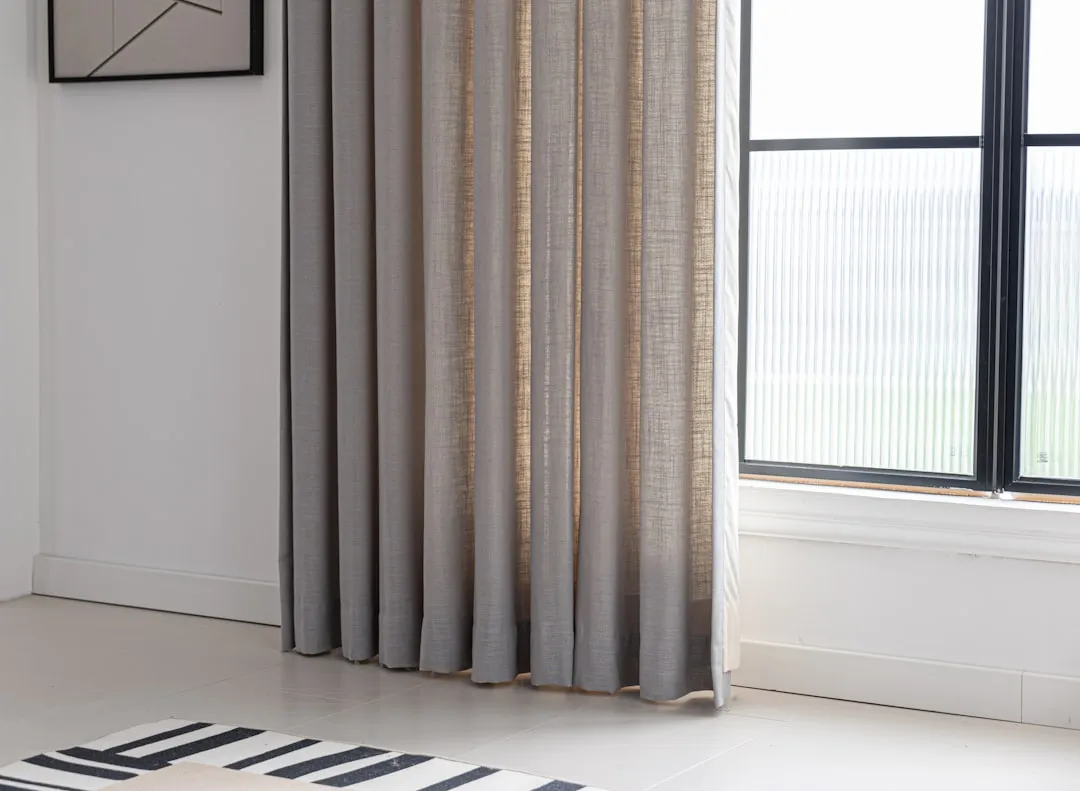
Windows are a primary source of heat loss in winter and heat gain in summer. According to the U.S. Department of Energy, heat gain and loss through windows accounts for up to 30 percent of residential energy use. Thermal curtains and insulating window coverings don’t replace good windows, but they significantly reduce the problem without requiring any renovation work.
Heavy, lined curtains or cellular shades create a buffer zone between the cold glass and the warm room. In summer, closing them on sun-facing windows prevents solar heat from raising indoor temperatures, which means your air conditioning works less hard. The cost of a good set of thermal curtains is typically recouped within a single heating season.
Beyond the financial and environmental benefits, living in a well-insulated, naturally lit home improves mental well-being and overall comfort. It’s a reminder that sustainable upgrades often double as quality-of-life improvements.
Buy Second-Hand and Upcycle What You Already Own
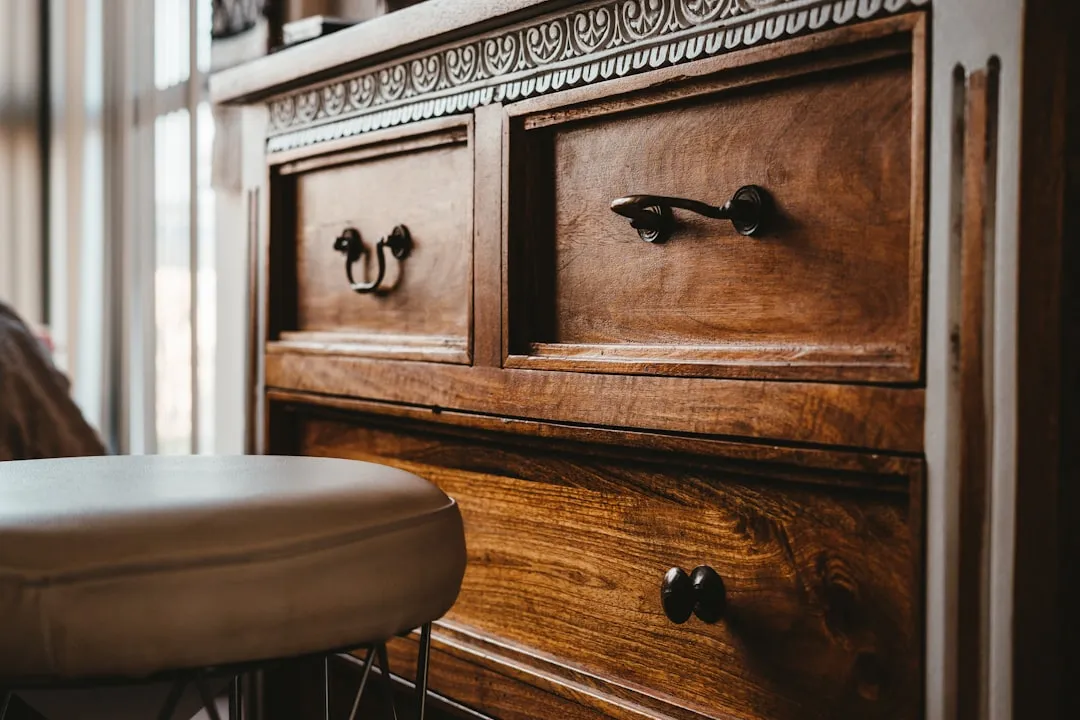
Sustainability at home isn’t only about what you install. It’s also about what you buy and where you buy it from. Buying second-hand is an excellent way to practice sustainability while saving money. Thrift stores, online marketplaces, and community swaps are all fantastic places to find high-quality items at a fraction of the cost of new ones, and it prevents usable items from ending up in landfills.
Upcycling old furniture or decor not only adds a personal touch to your home but also helps reduce your carbon footprint by limiting the need for new production. A chair that gets refinished and reupholstered is furniture that doesn’t need to be manufactured, shipped, and eventually disposed of. The most effective sustainability upgrades often come from small, intentional swaps.
Switch to Native and Drought-Tolerant Plants Outdoors
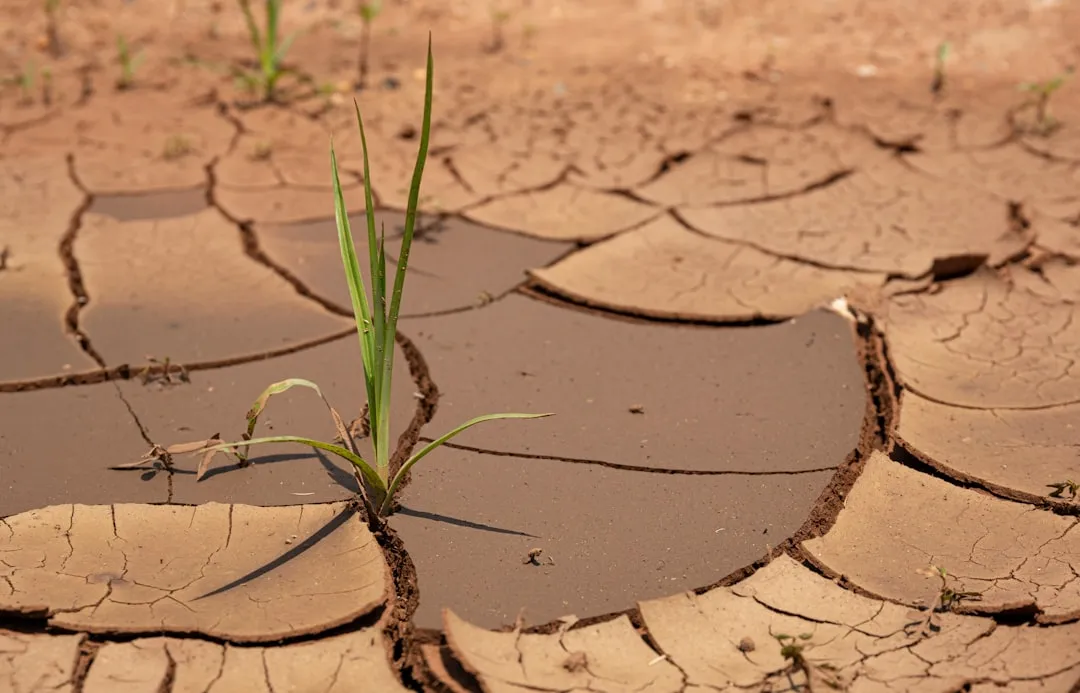
The lawn and garden represent an often-overlooked dimension of household sustainability. Landscaping that incorporates native, drought-tolerant plants can make a big sustainability impact. It supports your local ecosystem and typically requires less water to maintain, which lowers both your utility bill and your carbon footprint.
Installing a smart or efficient irrigation approach can reduce outdoor water bills by up to 20 percent. Native plants go even further by often requiring no supplemental irrigation at all once they’re established. Pollinator-friendly landscaping supports the pollinators that are essential to our ecosystem.
As natural disasters become more frequent, insurance companies are increasingly valuing homes with sustainable landscaping as lower risk. For example, using fire-resistant plants in wildfire-prone areas can help reduce the risk of wildfire spreading through residential areas. The shift to native planting is one upgrade that benefits your wallet, your local wildlife, and your community at the same time.
Where to Start
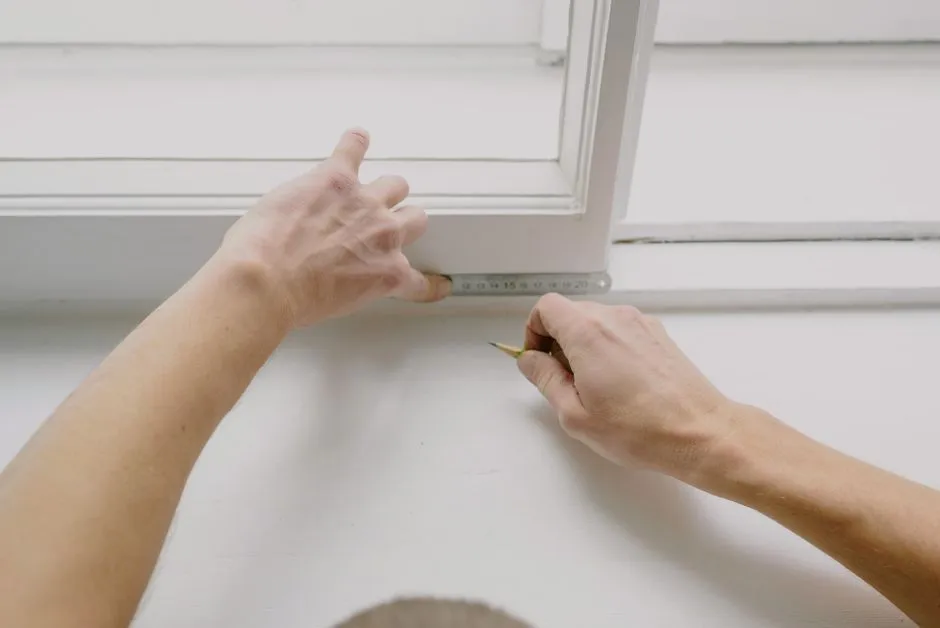
The most practical advice is to begin with the upgrades that cost the least and pay back the fastest. Weatherstripping, caulking, LED bulbs, and a low-flow showerhead can all be completed in a single weekend for well under $100 in total. According to the U.S. Green Building Council, demand for eco-conscious homes is projected to increase by 20 percent in 2025, and that momentum is being driven in large part by homeowners who are starting small and building from there.
Sustainable home improvements can not only reduce your environmental impact but can also improve your health and well-being while delivering real energy savings. None of these ten upgrades require a contractor, a large budget, or specialized skills. They require only a small amount of time and the decision to act on what the evidence clearly supports.
Sustainable living isn’t something reserved for people who can afford a full renovation. It’s available to anyone willing to take a careful look at how their home currently works and make a few thoughtful adjustments. The changes you make this weekend may be modest, but their effects compound quietly over years.
AI Disclaimer: This article was created with the assistance of AI tools and reviewed by a human editor.