

City living has a quiet way of making people want to grow things. Balconies, patios, and narrow terraces have become some of the most productive small-space gardens around, and fruit is increasingly at the heart of that shift. Many gardeners who first grew food after the COVID-19 pandemic are now branching out from vegetables into homegrown fruit. The containers are bigger, the ambitions a little sweeter.
Herbs and container fruit gardening are among the top trends for people with small outdoor spaces, reflecting a growing urban population and a genuine desire for sustainable, space-efficient growing solutions. What follows is a practical gallery of the very best fruit varieties to try, chosen because they actually perform in pots under open sky.
Strawberries: The Classic Container Fruit
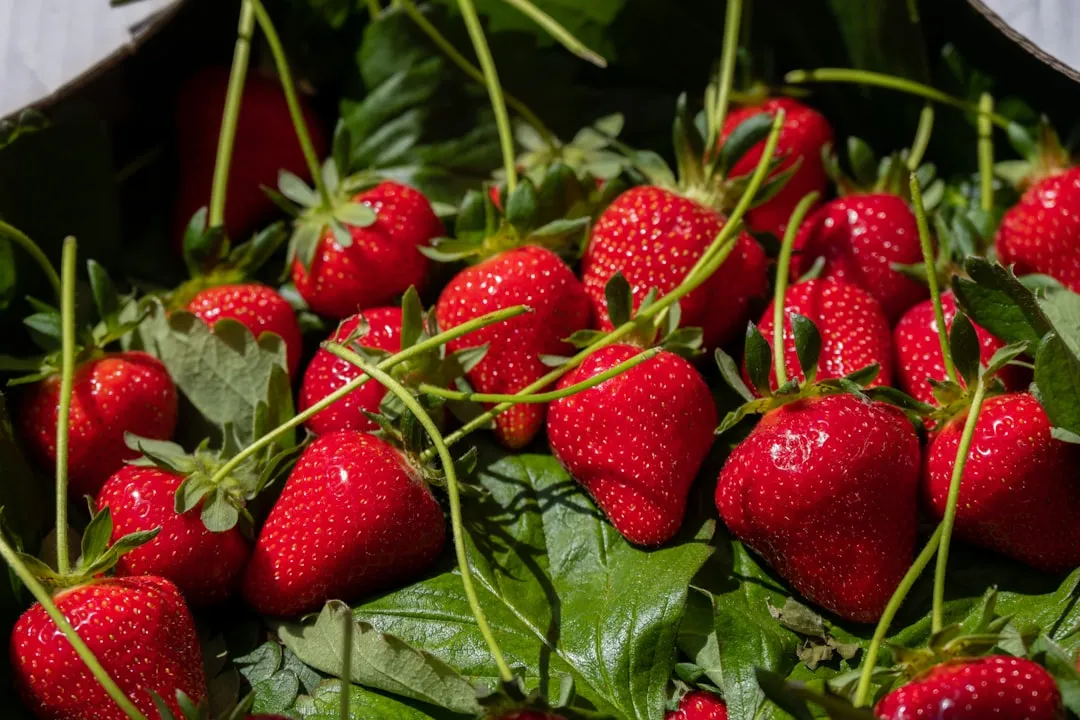
Strawberries are without a doubt one of the best fruits to grow in pots. They are easy to grow, don’t require large containers or much space, and thrive on a patio or balcony. Few plants reward a small-space grower as quickly or generously.
Strawberries are among the easiest fruits to grow in containers, and modern breeding efforts have created compact varieties that are specially suited for pots or hanging baskets. Day-neutral cultivars are prized for their abundant yields that keep on coming all summer long, producing fruit regardless of day length and staying high-yielding throughout the season.
As a rule of thumb, it’s best to avoid traditional June-bearing types in container gardens. They take one year to mature before producing fruit, generate lots of runners, and only provide one big flush at a time. Stick to ever-bearing or day-neutral cultivars for the best patio results.
Blueberries: Beautiful, Productive, and Surprisingly Easy
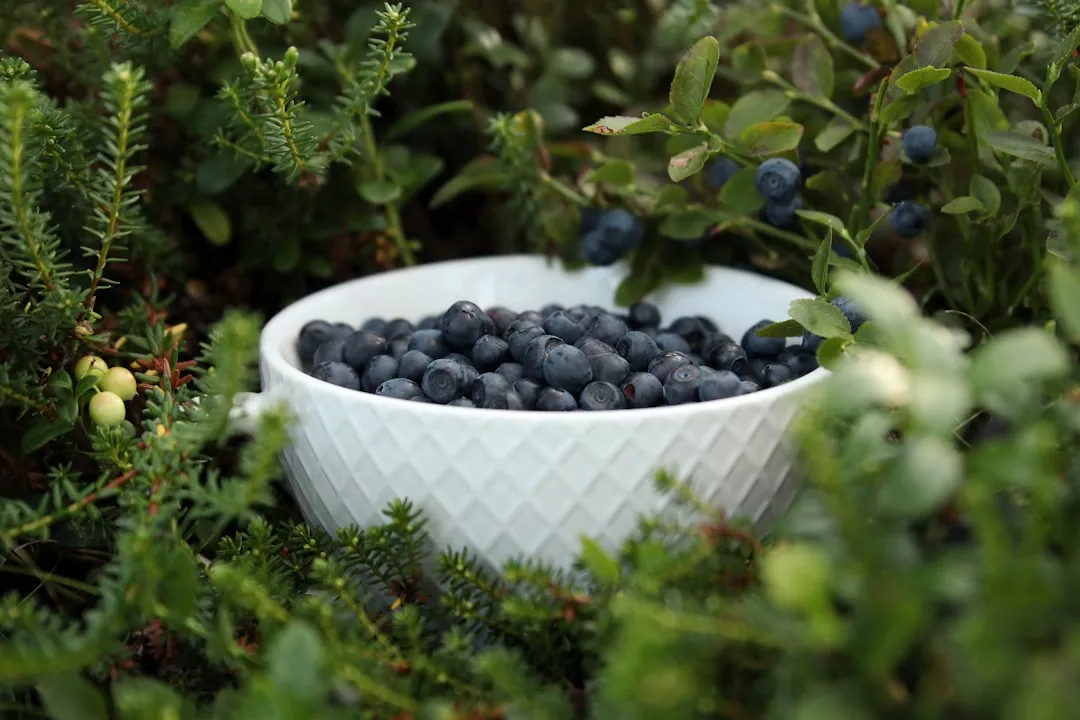
Growing blueberries in pots and containers is an accessible way to enjoy these popular berries in a variety of garden spaces. From balconies to patios, a large tub becomes home to viable yields of sweet, tangy, antioxidant-rich fruit. They also deliver genuine ornamental appeal across three seasons.
Container gardening allows you to control soil conditions, which is especially important for blueberries as they require acidic soil. Blueberries in pots need full sun to produce abundant, flavorful fruit, so place your container in a location where it will receive at least six to eight hours of direct sunlight each day.
You can get a very good harvest with half-high varieties grown in pots that only grow to about three feet tall. Popular half-high varieties that grow well in pots include North Blue, Polaris, Chippewa, and Northland. You will also get many more berries if you grow two different varieties, even if one says it is self-pollinated.
Dwarf Apple Trees: A Small-Space Orchard Classic
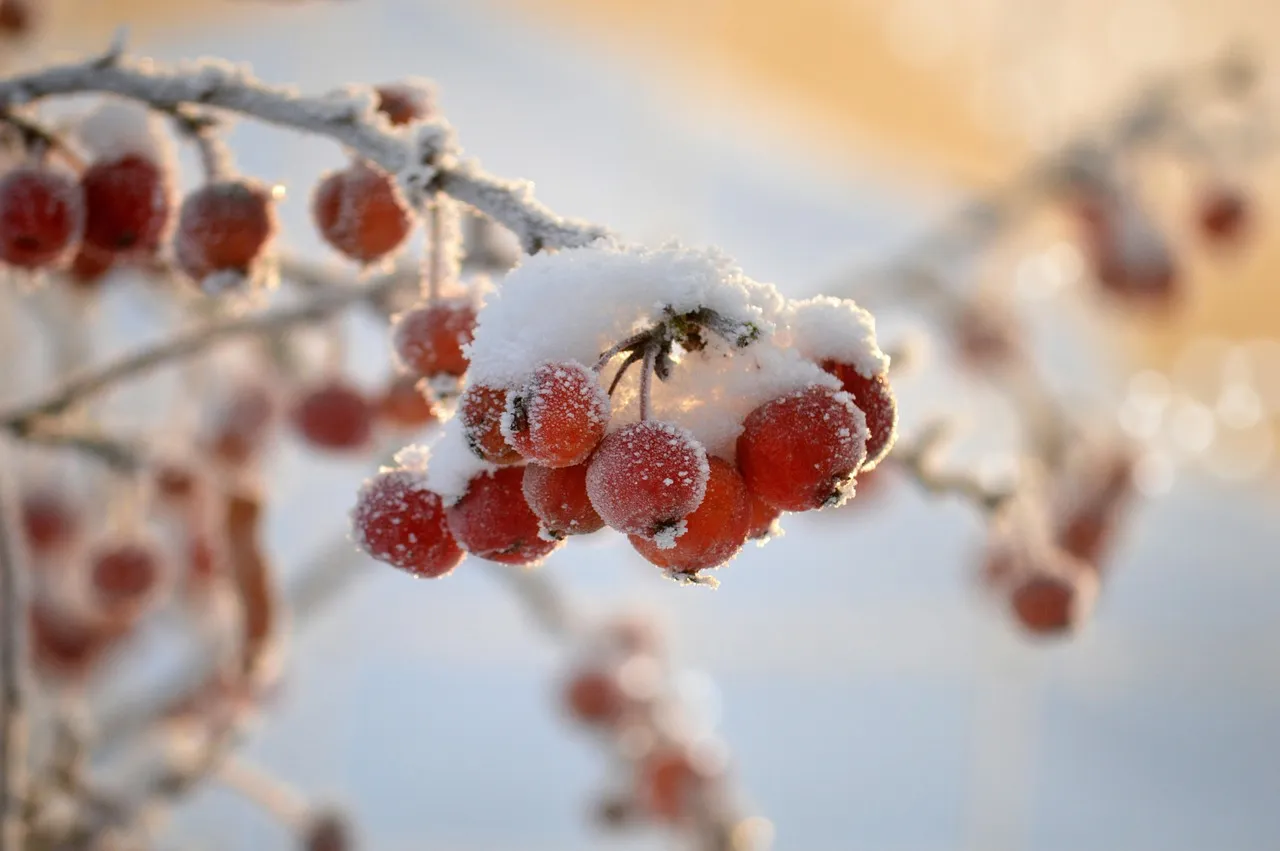
Dwarf apple trees are very suitable for growing in pots and can even be kept on a balcony or small terrace. When growing an apple tree in such a limited space, it is better to choose a self-fertile variety so that you don’t need to grow more than one plant. This single decision removes a major barrier for balcony growers.
Many of today’s compact fruit cultivars and modern rootstocks produce smaller bushes and dwarf fruit trees geared towards smaller gardens. Choosing rootstocks and varieties recommended for growing in pots, and placing them in the best possible spot, is essential as most fruits thrive in sunshine.
The Scarlet Sentinel Columnar Apple Tree is a particularly good option for small spaces and a striking visual element. Fruit trees grown in pots will need watering and feeding more regularly than those planted in the ground, but kept well watered and fed, you’ll soon be harvesting your own delicious crops.
Dwarf Citrus: Year-Round Colour and Harvest
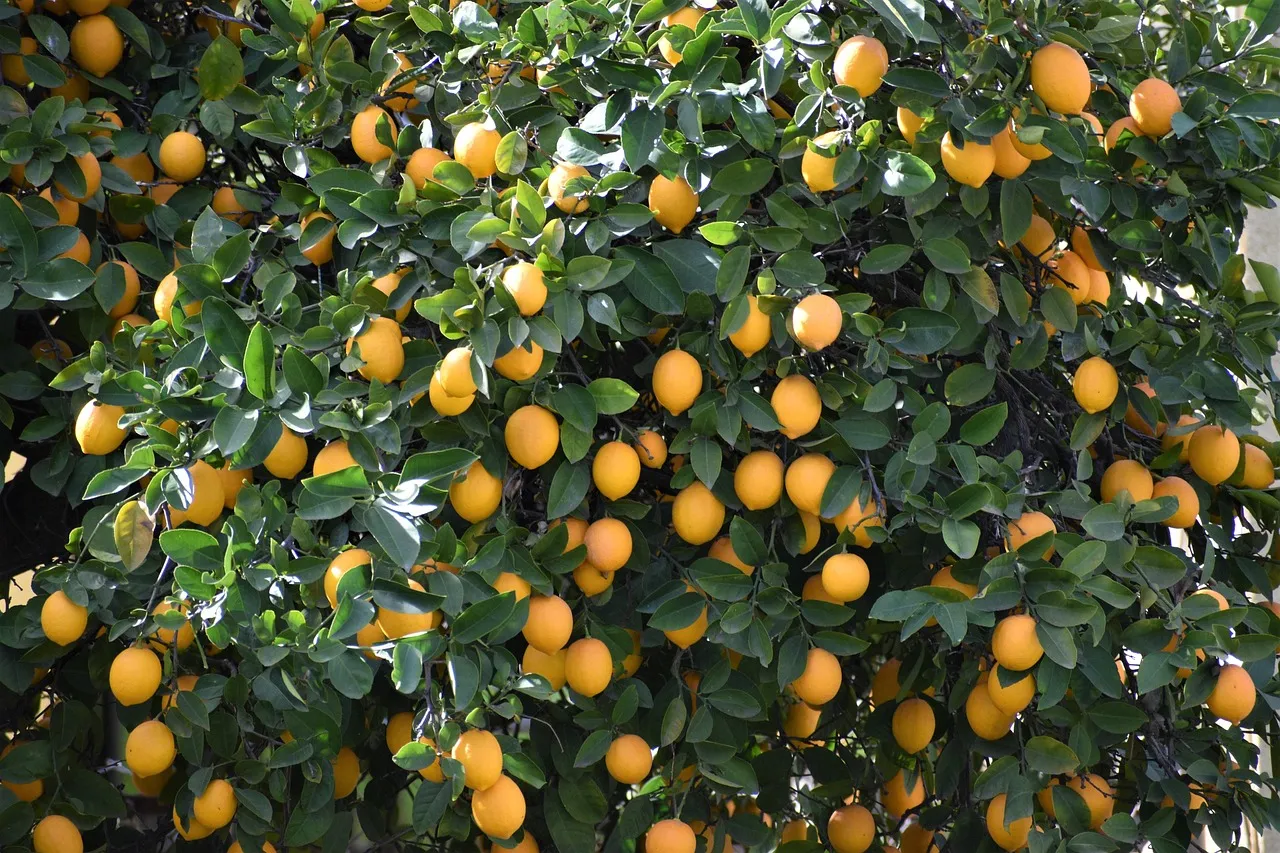
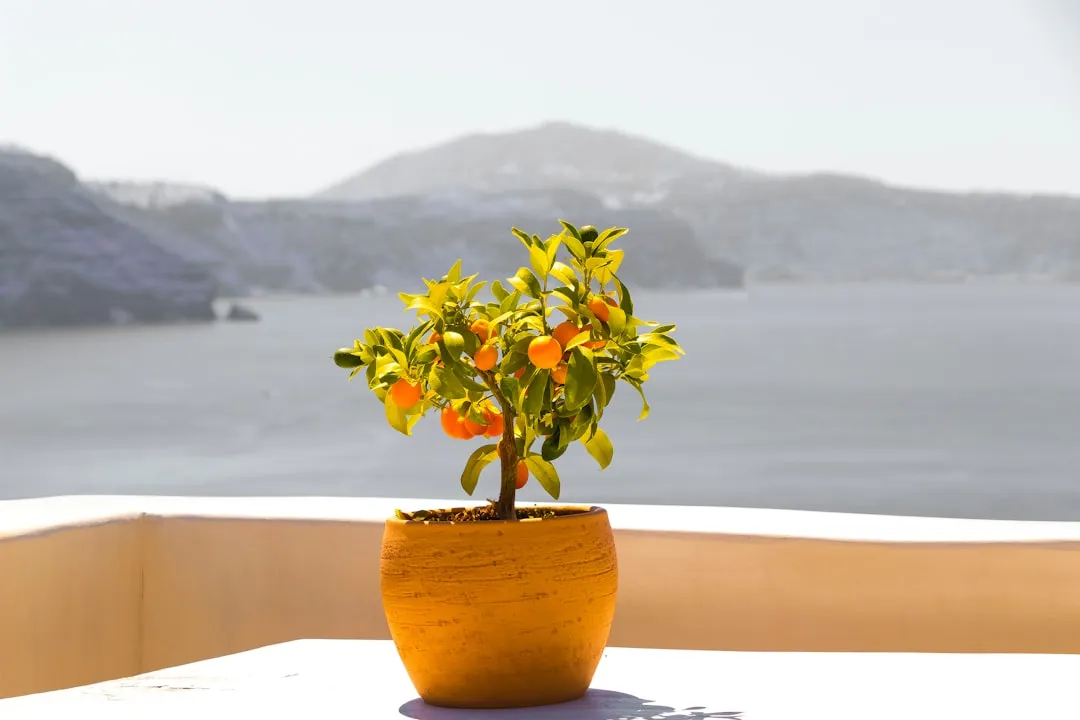
Dwarf citrus trees are evergreen, with fragrant white blossoms, glossy leaves, and year-round appeal. Citrus loves full sun and warm temperatures, making them ideal for porches or patios. They also happen to be among the most visually rewarding container plants you can own.
Few things are as elegant as a potted Meyer lemon tree, with its glossy green leaves, fragrant blossoms, and beautiful, thin-skinned, sweet-tart lemons. These trees are naturally smaller than other lemon varieties, making them ideal for container growing. The Bearss Lime and Meiwa Kumquat are equally good compact options.
Dwarf citrus trees are compact and perfect for containers. They can be moved indoors during colder months, which makes them workable in a far wider range of climates than most people expect. A sunny south-facing balcony is close to ideal.
Figs: Surprisingly Hardy and Container-Friendly
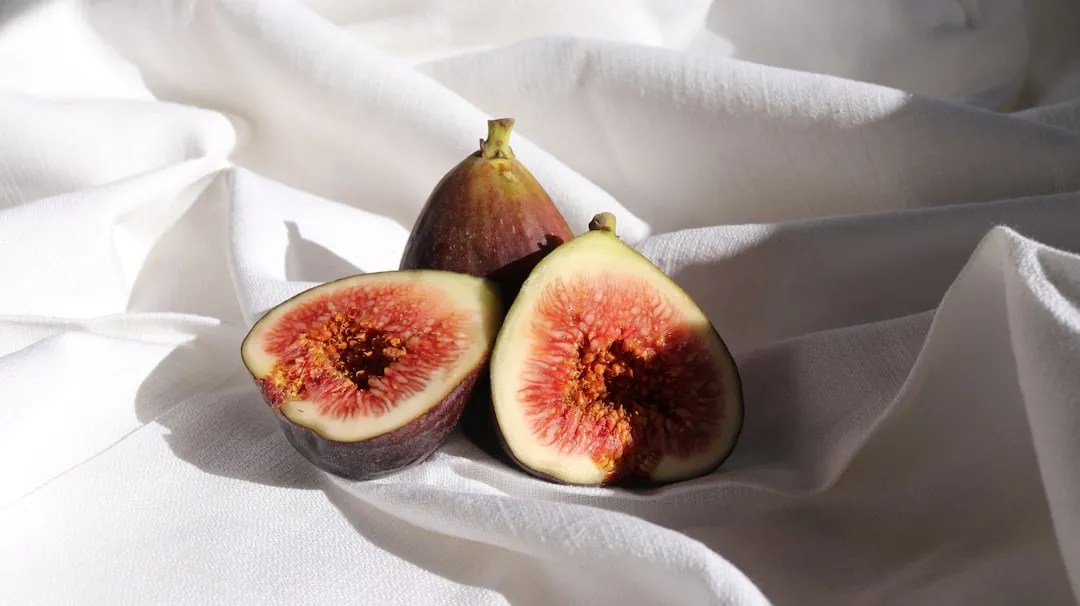
Figs thrive in pots and love the warmth of patios. Recommended varieties include ‘Petite Negra’, which stays small and produces deliciously sweet fruit. Growing figs in autumn can be quite rewarding, as the second crop often ripens just as the weather cools.
Their roots are confined in pots, helping keep growth manageable and pruning simple. That confined root system is, counterintuitively, one of the reasons figs actually do better in containers than many growers expect. Restricted roots can push the plant toward fruiting rather than excessive leafy growth.
Gardeners are increasingly taking advantage of new compact versions of dwarf figs that are specifically geared toward growing in containers. The sculptural branching habit of a fig also gives the patio a decidedly Mediterranean character, even in a relatively modest climate.
Peaches and Nectarines: Blossom and Bounty in a Pot
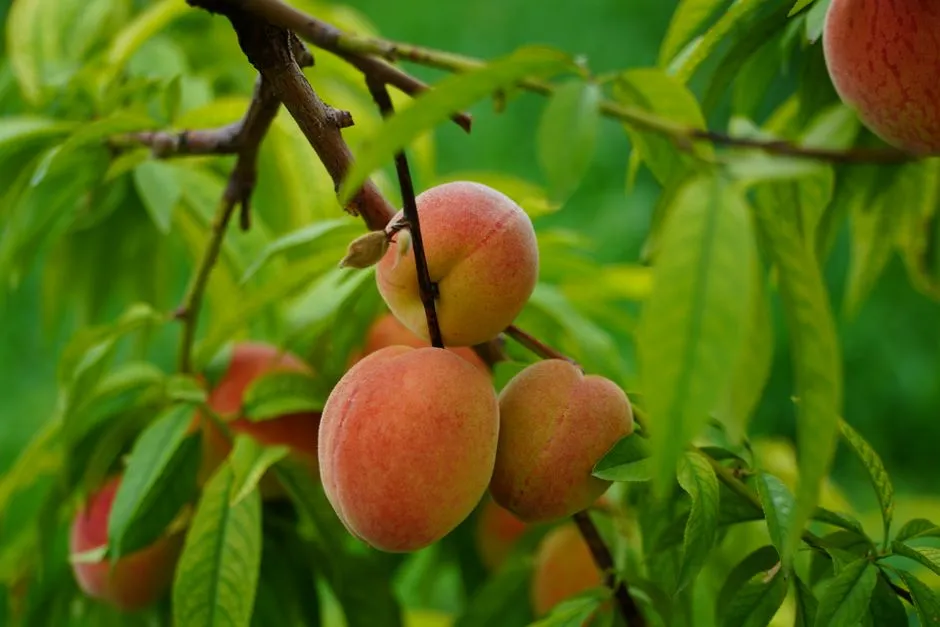
You can grow peaches and nectarines in pots. Genetic dwarf varieties, often called “patio” peaches or nectarines, stay remarkably small, typically four to six feet tall, but produce full-sized, delicious fruit. The spring blossom alone makes them worth growing.
Dwarf peach trees like ‘Bonanza’ are showstoppers, especially if you have a sunny patio. They bloom beautifully in spring and produce juicy fruit by late summer into autumn. Other popular container varieties include ‘Pix Zee’ and ‘Honey Babe’.
The Mini Pix Zee Peach Tree is a naturally dwarf peach producing golden-yellow, sweet, aromatic fruit. It is self-pollinating and perfect for patios or balconies. Regular watering is crucial, especially during fruit development. Fertilize with a balanced fertilizer in early spring and again after fruiting.
Pomegranates: Heat-Lovers That Earn Their Place
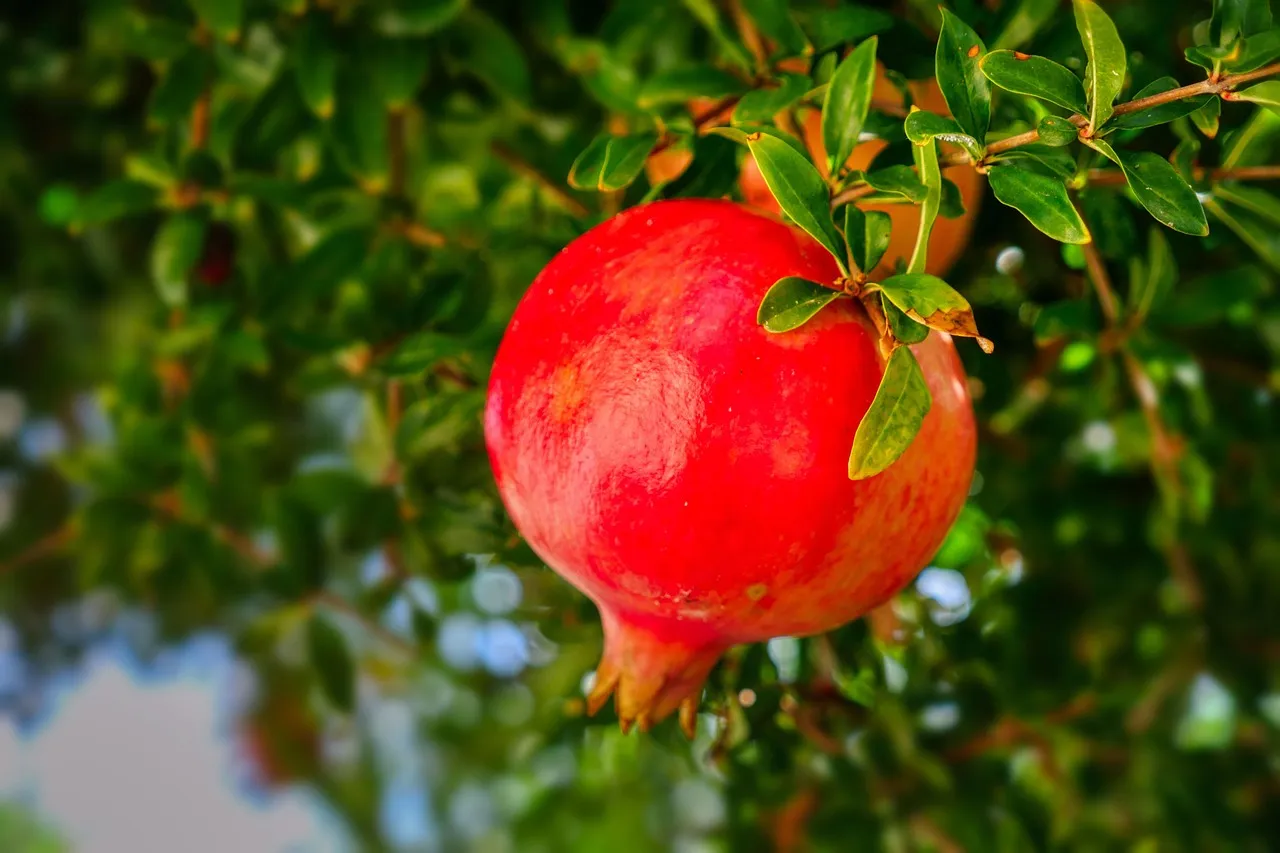
Pomegranates are heat-loving shrubs or small trees that thrive in containers and offer stunning orange-red blooms followed by antioxidant-rich fruit. The classic large-fruited ‘Wonderful’ variety suits patio containers well, while the naturally dwarf ‘Red Silk’ pomegranate is perfect for small-space growing and offers a showy display of juicy, berry-like fruit with a delightful balance of sweetness and tartness.
Pomegranate is one of the juiciest and healthiest fruits and perhaps the easiest to grow in pots. It tolerates heat and dry spells better than most container fruits, which makes it genuinely practical for a hot, south-facing balcony that other plants might struggle with.
Raspberries: Compact Canes for the Urban Grower
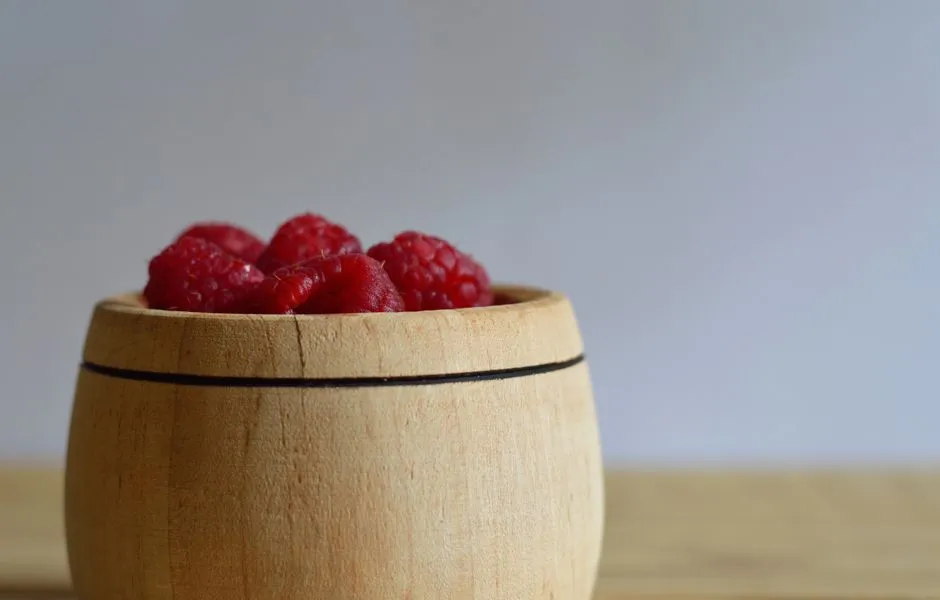
Raspberry bushes are a perfect fruit plant to grow on a deck garden, and there are many short cultivars available. The breeding of compact, patio-specific raspberry canes has accelerated noticeably over recent years, giving urban growers increasingly reliable options.
Look for varieties labeled as “patio” or “dwarf,” as standard canes can grow unwieldy in a container. Everbearing types are particularly suited to pots because they produce fruit on both first and second-year canes, giving a longer picking window across summer and early autumn. Regular feeding with a potassium-rich fertiliser through the growing season keeps yields strong.
Container plants dry out faster than those in the ground, so water deeply and regularly, especially in hot or windy weather. This is especially true for raspberries, which can drop fruit quickly under heat stress if moisture is inconsistent.
Compact Pears: An Underrated Patio Choice
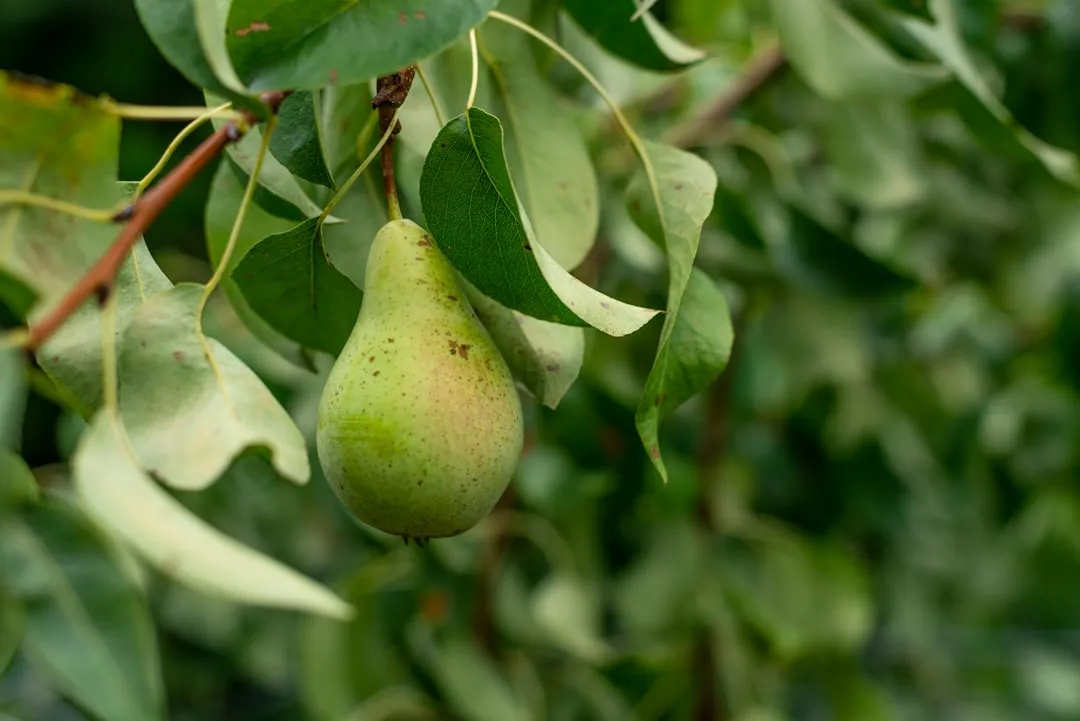
Compact pears such as ‘Seckel’ or ‘Moonglow’ are ideal for growing in pots and can be planted in autumn to establish strong roots. Pears on quince rootstocks stay notably smaller than standard trees and come into fruit sooner, making them more practical for container life.
Grafted onto smaller rootstocks, dwarf varieties are typically shorter and bear fruit sooner. They thrive in containers and are easier to harvest, which is perfect for gardeners with limited space. The key is choosing a self-fertile variety or keeping two compatible varieties close enough for cross-pollination.
Fruit trees grown in pots will need watering and feeding more regularly than those planted in the ground. Pears in particular appreciate a slow-release fertiliser in early spring and a liquid feed every couple of weeks once the fruit begins to swell.
Dwarf Apricots: Overlooked But Genuinely Rewarding
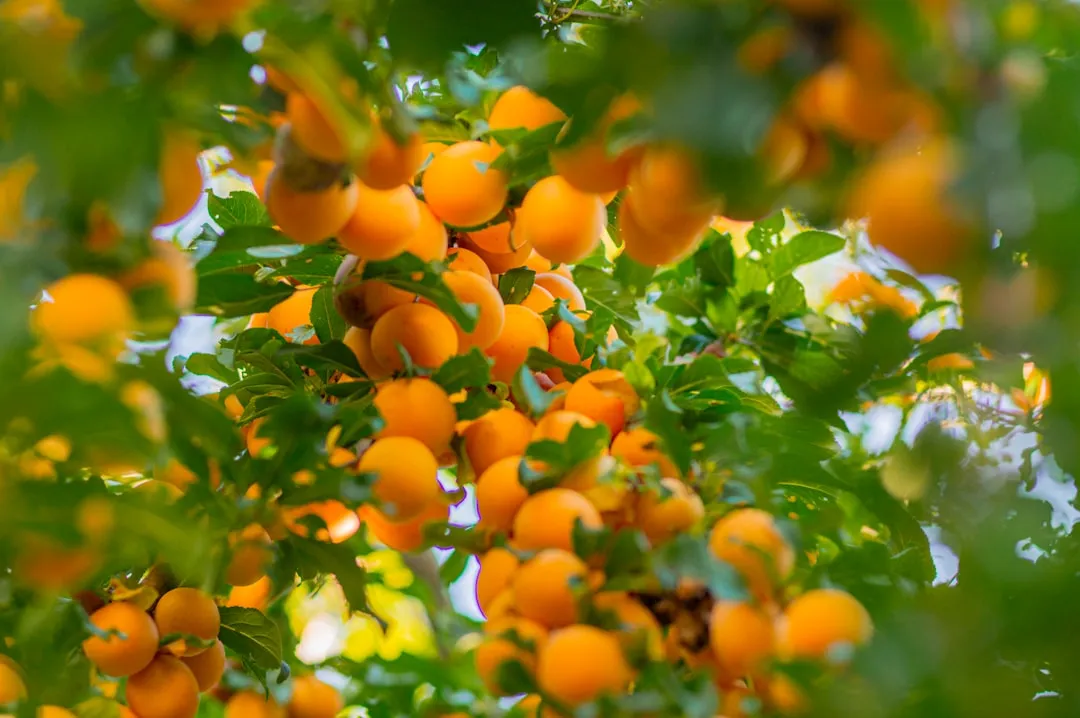
As dwarf apricot varieties don’t grow tall, they’re a perfect specimen for growing in a patio pot. Apricots blossom early in the year, giving the patio a brief but spectacular flush of pale pink flowers before the leaves even appear, often as early as late February in warmer positions.
Self-fertile varieties such as ‘Tomcot’ or ‘Flavor Cot’ are the practical choice for balcony growers who can only keep one plant. Apricots demand a warm, sheltered position and excellent drainage. They dislike waterlogged roots considerably, so a free-draining compost mix and a pot with generous drainage holes are non-negotiable.
Pruning keeps dwarf fruit trees manageable and encourages better fruiting. In cooler regions, take measures to protect pots from frost by wrapping them or moving them against a sheltered wall. Apricots are particularly vulnerable to late frosts catching open blossom, so a fleece cover on cold spring nights is a simple and worthwhile precaution.
Making the Most of Your Sunny Patio or Balcony
The trend toward container gardening is being partly fuelled by the growing number of people living in urban areas and smaller spaces where land isn’t available for in-ground gardening. The Garden Media Group’s 2024 Garden Trends Report found that the biggest increase in container-gardening spending is coming from those in the 45 to 54 age group. It’s a practical response to changing living conditions, not just an aesthetic choice.
Container fruit gardening allows for greater control over your plant’s environment. You can tailor soil mixes to specific needs, such as acidic soil for blueberries and well-draining mixes for citrus, and easily move plants to optimise sunlight or protect them from harsh weather. That flexibility is a genuine advantage that in-ground growing simply can’t offer.
Balconies, patios, decks, and courtyards can all host a productive potted fruit tree. Modern dwarf and columnar varieties are bred for small spaces, so they stay manageable in size. With the right container, well-draining soil, and regular watering, these trees will reward you with blossoms in spring and fresh-picked fruit in late summer and autumn.
The simplest way to get started is to pick one variety you genuinely want to eat, match it to your light conditions, and give it the biggest container your space reasonably allows. That single decision tends to produce better results than spreading attention too thin across too many plants. A well-chosen pot of fruit, given proper care, often produces more than people expect from such a compact growing space.
AI Disclaimer: This article was created with the assistance of AI tools and reviewed by a human editor.