
Welcome to our comprehensive guide on the best fruit trees to grow in Zone 6! If you’re a gardening enthusiast residing in this region, you’re in luck. Zone 6 offers a unique climate that is perfect for cultivating a wide variety of fruit trees.
Whether you’re a beginner or an experienced gardener, this article will provide you with valuable insights and recommendations on the most suitable fruit trees for your Zone 6 garden. From delicious apples and pears to juicy peaches and cherries, we’ll explore the top fruit tree options that thrive in this temperate zone. So, let’s dive in and discover the perfect fruit trees to enhance your garden and delight your taste buds!
The best fruit trees to grow in Zone 6
When it comes to growing fruit trees in Zone 6, it is essential to select varieties that are well-suited to the climate and can withstand the cold winters and mild summers. Fortunately, there are several fruit trees that thrive in this zone and offer a bountiful harvest for gardeners.
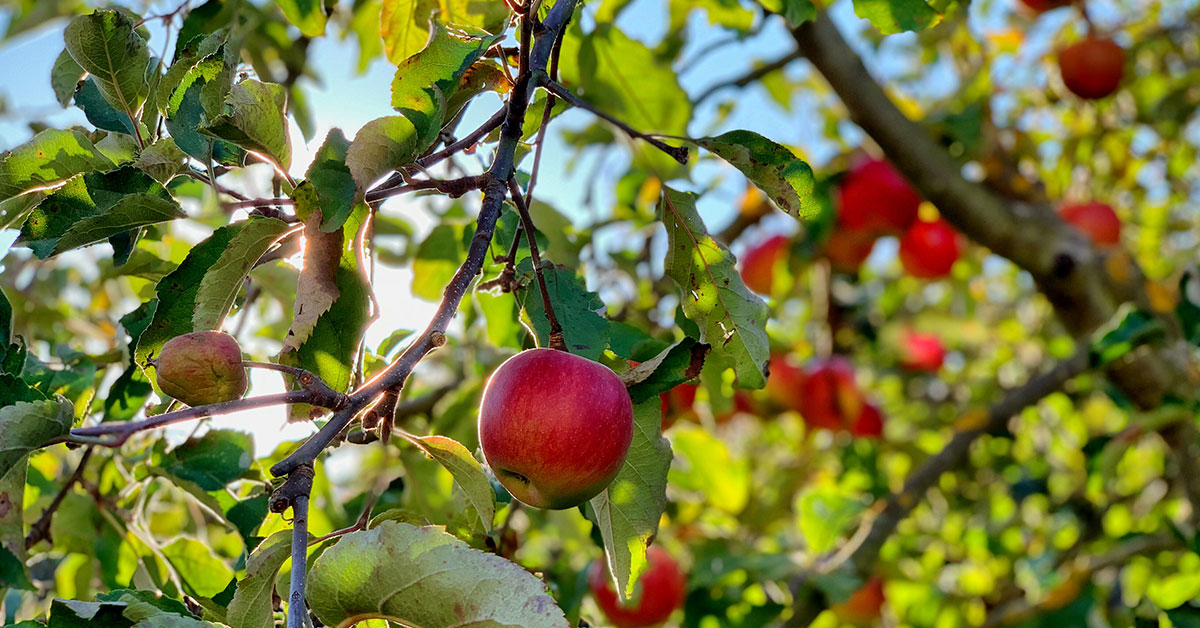
One of the most popular fruit trees for Zone 6 is the apple tree. With a wide range of cultivars available, you can choose from early, mid, or late-season varieties to extend your harvest. Some excellent apple varieties for Zone 6 include ‘Honeycrisp,’ ‘Fuji,’ ‘Cortland,’ and ‘McIntosh.’ These trees require a pollinator, so make sure to plant at least two different apple varieties for cross-pollination.
Another fantastic choice for Zone 6 is the pear tree. Pears are known for their sweet and juicy fruits, and there are both European and Asian varieties that can thrive in this zone. Popular European pear varieties for Zone 6 include ‘Bartlett,’ ‘Anjou,’ and ‘Bosc.’ For Asian pears, consider ‘Shinseiki,’ ‘Hosui,’ or ’20th Century.’ Just like apple trees, pears also require cross-pollination, so plant at least two different varieties.
If you’re looking for a unique and delicious fruit tree, consider growing cherry trees in Zone 6. While cherries can be a bit more challenging to grow, there are several varieties that are well-suited to this zone. Tart cherries, such as ‘Montmorency’ and ‘Balaton,’ are excellent choices for cooking and baking, while sweet cherries like ‘Stella’ and ‘Black Tartarian’ are perfect for fresh eating. Keep in mind that cherries may require protection from late spring frosts, as their blossoms are susceptible to damage.
For those who prefer a tropical twist, peach trees can also be successfully grown in Zone 6. While peaches are typically associated with warmer climates, there are several cold-hardy varieties that can thrive in this zone. Look for cultivars such as ‘Reliance,’ ‘Redhaven,’ ‘Contender,’ or ‘Madison’ that are known for their ability to withstand colder temperatures. Peach trees require well-drained soil and benefit from regular pruning to maintain their shape and productivity.
Lastly, don’t forget about plum trees when selecting fruit trees for Zone 6. Plums are relatively easy to grow and offer a range of flavors, from sweet to tart. Some recommended plum varieties for this zone include ‘Stanley,’ ‘Methley,’ ‘Santa Rosa,’ and ‘Shiro.’ These trees are self-fertile, meaning you can have a single tree and still enjoy a plentiful harvest.
Remember, when choosing fruit trees for Zone 6, it’s crucial to consider factors such as cold hardiness, disease resistance, and pollination requirements. By selecting the **best fruit trees to grow in Zone 6**, you can create a thriving orchard and enjoy a delicious harvest for years to come.
Avoid growing these fruit trees in Zone 6
When it comes to growing fruit trees in Zone 6, there are certain varieties that should be avoided due to their inability to withstand the colder temperatures and shorter growing seasons. It is important to choose fruit trees that are well-suited to the specific climate conditions of this zone to ensure successful growth and abundant harvests.
Citrus trees, such as oranges, lemons, and grapefruits, should be avoided in Zone 6. These trees thrive in warmer climates and are not cold-hardy enough to withstand the freezing temperatures that can occur in this zone. Attempting to grow citrus trees in Zone 6 would likely result in disappointment and potential damage to the trees.
Avocado trees are another fruit tree variety that should be avoided in Zone 6. Avocados require a consistently warm climate and are not tolerant of frost or freezing temperatures. Growing avocado trees in this zone would be challenging and would likely not yield satisfactory results.
Mango trees are tropical fruit trees that should also be avoided in Zone 6. These trees require a long, warm growing season and are highly sensitive to cold temperatures. Attempting to grow mango trees in this zone would be impractical and would likely result in failure.
By avoiding these fruit tree varieties that are not well-suited to the climate of Zone 6, gardeners can focus on selecting the best fruit trees to grow in this region.
Fruit tree growing tips
Growing fruit trees in Zone 6 can be a rewarding experience, as this region offers a suitable climate for a variety of fruit tree species. Here are some tips and best practices to help you successfully grow fruit trees in Zone 6:
- Choose the right fruit tree varieties: Selecting the best fruit trees to grow in Zone 6 is crucial for success. Some popular options for this zone include apple trees, pear trees, cherry trees, plum trees, and peach trees. Make sure to choose varieties that are specifically bred or recommended for Zone 6 to ensure they can withstand the cold winters and thrive in the local climate.
- Consider chill hours: Chill hours refer to the number of hours a fruit tree needs to be exposed to temperatures between 32°F (0°C) and 45°F (7°C) during its dormant period to break dormancy and produce fruit. Different fruit tree varieties have varying chill hour requirements. Ensure that the fruit trees you select have chill hour requirements that can be met in Zone 6.
- Plant at the right time: It is important to plant fruit trees at the appropriate time to give them the best chance of establishment. In Zone 6, it is generally recommended to plant fruit trees in early spring or late fall when the soil is workable and the weather is mild. This allows the trees to establish their root systems before the extreme temperatures of summer or winter.
- Provide proper sunlight and soil conditions: Most fruit trees thrive in full sun, which means they require at least six to eight hours of direct sunlight daily. Ensure that you choose a planting location that receives adequate sunlight throughout the day. Additionally, fruit trees prefer well-draining soil with a pH level between 6.0 and 7.0. Conduct a soil test to determine the pH level and make any necessary amendments to create optimal growing conditions.
- Watering and fertilizing: Fruit trees require consistent watering, especially during their first few years of growth. Provide deep, thorough watering once or twice a week, ensuring the soil remains evenly moist but not waterlogged. Mulching around the base of the tree can help retain moisture and suppress weed growth. Fertilize fruit trees annually in early spring with a balanced fertilizer to promote healthy growth and fruit production.
- Pruning and training: Pruning is essential for fruit tree health and productivity. Prune fruit trees during their dormant period to remove dead, damaged, or crossing branches. This helps improve airflow, reduces the risk of disease, and promotes better fruit development. Additionally, training young fruit trees by shaping their branches can help create a strong framework for future fruit production.
- Pest and disease management: Fruit trees in Zone 6 may face various pests and diseases. Regularly inspect your trees for signs of infestation or disease, such as insect damage, fungal growth, or abnormal leaf discoloration. Implement preventive measures like applying organic pest control methods, using dormant oil sprays, and practicing good sanitation to minimize the risk of pests and diseases.
By following these tips and best practices, you can successfully grow the best fruit trees in Zone 6 and enjoy a bountiful harvest for years to come. Remember to always consult local gardening resources or experts for specific recommendations based on your exact location within Zone 6.