
Welcome to our comprehensive guide on the best fruit trees to grow in Zone 4! If you’re an avid gardener residing in this region, you may be wondering which fruit trees are most suitable for your climate. Zone 4 encompasses areas with cold winters and relatively short growing seasons, making it essential to choose fruit trees that can withstand these challenging conditions.
In this article, we will explore a variety of fruit trees that thrive in Zone 4, providing you with valuable insights and tips to help you create a fruitful and successful garden. Whether you’re a seasoned gardener or a beginner, get ready to discover the perfect fruit trees to enhance your Zone 4 garden and enjoy a bountiful harvest for years to come.
The best fruit trees to grow in Zone 4
When it comes to growing fruit trees in Zone 4, it is essential to choose varieties that are well-suited to the cold climate and shorter growing season. Fortunately, there are several fruit trees that thrive in this region and reward gardeners with delicious fruits year after year.
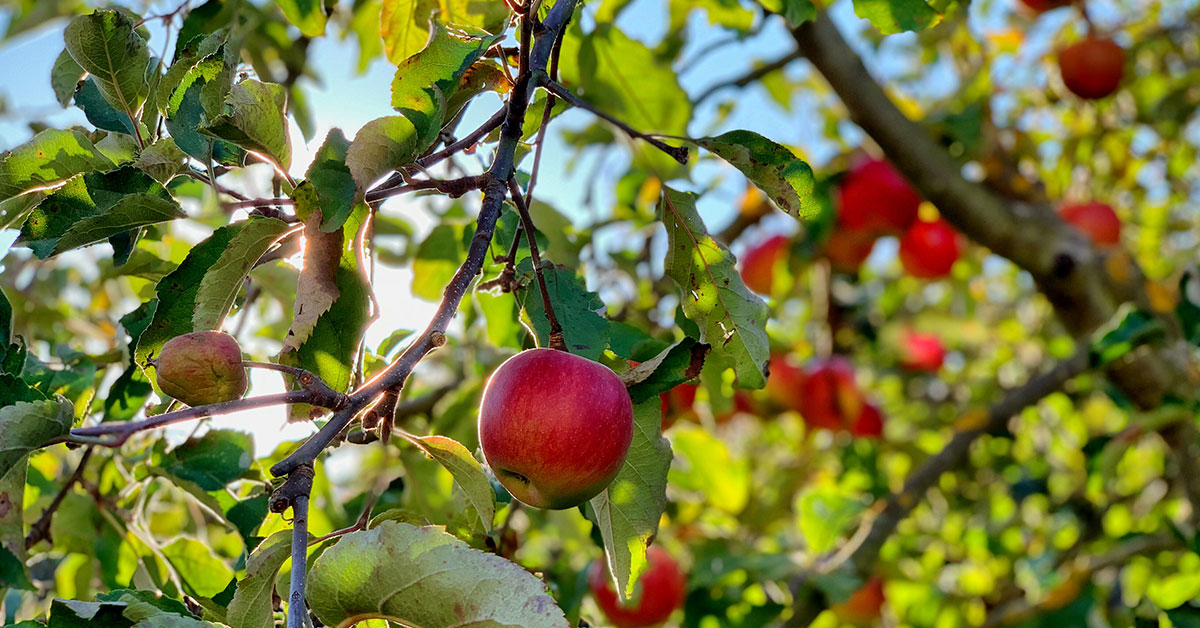
One of the most popular fruit trees for Zone 4 is the apple tree. With a wide range of cold-hardy apple varieties available, gardeners can enjoy a plethora of flavors and textures. Some recommended apple varieties for Zone 4 include ‘Haralson,’ ‘Honeycrisp,’ ‘Cortland,’ and ‘Northern Spy.’ These trees are known for their ability to withstand freezing temperatures and produce abundant crops.
Another fantastic fruit tree option for Zone 4 is the cherry tree. Tart cherries, such as the ‘Montmorency’ variety, are particularly well-suited to colder climates. These trees not only provide delectable fruits but also offer beautiful blossoms in the spring. Sweet cherry varieties like ‘Bing’ and ‘Stella’ can also be grown successfully in Zone 4, although they may require some additional protection during harsh winters.
For those looking to add a touch of tropical flair to their Zone 4 garden, peach trees can be a delightful choice. While peaches are typically associated with warmer climates, there are cold-hardy varieties that can thrive in colder regions. Some recommended peach varieties for Zone 4 include ‘Reliance,’ ‘Redhaven,’ and ‘Contender.’ These trees may require extra care during the winter, such as proper pruning and mulching, to protect against frost damage.
If you prefer a smaller fruit tree that is easier to manage, consider planting plum trees in Zone 4. Plum trees are known for their adaptability and ability to withstand cold temperatures. Varieties like ‘Stanley,’ ‘Mount Royal,’ and ‘Toka’ are excellent choices for Zone 4 gardens. Plum trees not only produce delicious fruits but also offer beautiful blossoms, making them a lovely addition to any landscape.
Lastly, for those seeking a unique and versatile fruit tree, pear trees are an excellent option for Zone 4. There are several cold-hardy pear varieties available, including ‘Bartlett,’ ‘Flemish Beauty,’ and ‘Parker.’ These trees are known for their sweet and juicy fruits, which can be enjoyed fresh or used in various culinary creations.
When selecting fruit trees for Zone 4, it is crucial to consider factors such as cold hardiness, disease resistance, and pollination requirements. It is also advisable to choose trees from reputable nurseries that specialize in cold-hardy varieties. By selecting the best fruit trees to grow in Zone 4, gardeners can enjoy a bountiful harvest of fresh and flavorful fruits, even in colder climates.
Avoid growing these fruit trees in Zone 4
When it comes to selecting fruit trees for Zone 4, it is essential to consider the hardiness and adaptability of the trees to withstand the region’s harsh winter conditions. While there are numerous fruit trees that thrive in Zone 4, it is equally important to be aware of those that should be avoided due to their susceptibility to cold temperatures and frost damage.
Citrus trees, such as oranges, lemons, and grapefruits, should be avoided in Zone 4. These trees are highly sensitive to cold temperatures and require a consistently warm climate to flourish. The freezing temperatures experienced in Zone 4 can severely damage or even kill citrus trees, making them unsuitable for this region.
Similarly, avocado trees should be avoided in Zone 4. Avocado trees are native to tropical and subtropical regions and are not well-suited for cold climates. They are highly frost-sensitive and cannot tolerate freezing temperatures, which are common in Zone 4.
Banana trees are another fruit tree to avoid in Zone 4. These tropical plants require warm temperatures year-round and are not capable of withstanding freezing temperatures. While they can be grown as annuals in colder regions, it is not practical to cultivate them as long-term fruit trees in Zone 4.
Lastly, mango trees should be avoided in Zone 4. Mango trees are native to tropical regions and are intolerant of freezing temperatures. They require a consistently warm climate to thrive and produce fruit. Zone 4’s cold winters make it challenging for mango trees to survive and produce a bountiful harvest.
When selecting fruit trees for Zone 4, it is crucial to focus on varieties that are hardy and can withstand the region’s cold temperatures. By avoiding trees like citrus, avocado, banana, and mango, gardeners can ensure they are investing in fruit trees that have a higher chance of success in Zone 4.
Fruit tree growing tips
Growing fruit trees in Zone 4 can be a rewarding and fruitful experience, but it’s important to choose the right varieties and follow some best practices to ensure success. Here are some tips to help you get started:
- Choose cold-hardy fruit tree varieties: In Zone 4, where winter temperatures can drop as low as -30°F (-34°C), it’s crucial to select fruit tree varieties that are well-suited for cold climates. Some of the best fruit trees to grow in Zone 4 include apple trees (such as Haralson, Honeycrisp, and Wealthy), pear trees (such as Ure and Luscious), cherry trees (such as North Star and Meteor), and plum trees (such as Toka and Stanley).
- Consider pollination requirements: Many fruit trees require cross-pollination with another compatible variety to produce fruit. When selecting fruit trees for your garden, make sure to choose varieties that can pollinate each other. Some fruit trees, like apple and pear trees, have different pollination groups, so it’s essential to choose varieties from the same or adjacent groups to ensure successful pollination.
- Provide proper site selection: Fruit trees thrive in full sun, so choose a location in your garden that receives at least 6-8 hours of direct sunlight daily. Additionally, ensure that the site has well-draining soil to prevent waterlogging, which can lead to root rot. Avoid low-lying areas prone to frost pockets, as cold air tends to settle there.
- Prepare the soil: Before planting your fruit trees, prepare the soil by removing any weeds or grass and loosening it with a garden fork or tiller. Incorporate organic matter, such as compost or well-rotted manure, to improve soil fertility and drainage. Conduct a soil test to determine if any amendments, like lime or sulfur, are needed to adjust the pH level to the recommended range for your chosen fruit trees.
- Planting and spacing: Dig a hole that is wide and deep enough to accommodate the tree’s root system. Place the tree in the hole, ensuring that the bud union (the swollen area where the tree was grafted onto the rootstock) is above the soil level. Backfill the hole with soil, gently firming it around the roots. Proper spacing is crucial to allow for adequate airflow and sunlight penetration. Follow the recommended spacing guidelines for the specific fruit tree variety you are planting.
- Watering and mulching: Newly planted fruit trees require regular watering to establish their root systems. Water deeply, ensuring that the soil is moist but not waterlogged. Apply a layer of organic mulch, such as wood chips or straw, around the base of the tree to conserve moisture, suppress weeds, and regulate soil temperature. Avoid piling mulch against the trunk, as it can lead to rot.
- Pruning and training: Pruning is essential for fruit tree health and productivity. Prune your fruit trees during their dormant season (late winter or early spring) to remove dead, damaged, or crossing branches. Proper training, such as shaping the tree’s structure and encouraging an open center or central leader form, will promote good airflow and sunlight penetration, reducing the risk of disease and improving fruit quality.
- Pest and disease management: Regularly monitor your fruit trees for signs of pests or diseases, such as aphids, apple maggots, or fungal infections. Implement integrated pest management strategies, including cultural practices like proper sanitation, regular pruning, and the use of organic pest control methods when necessary.
By following these tips and best practices, you can successfully grow the best fruit trees for Zone 4 and enjoy a bountiful harvest for years to come. Remember to consult local gardening resources or extension services for specific recommendations tailored to your region.