
Welcome to our comprehensive guide on the best fruit trees to grow in Zone 3! If you’re a gardening enthusiast living in this challenging climate, you might be wondering which fruit trees can thrive and bear delicious fruits in your region. Zone 3, characterized by its harsh winters and short growing seasons, presents unique challenges for fruit tree cultivation.
However, with careful selection and proper care, it is indeed possible to enjoy a bountiful harvest of homegrown fruits. In this article, we will explore a variety of fruit trees that are well-suited to Zone 3 conditions, providing you with valuable insights and tips to help you create a fruitful garden in your very own backyard. So, let’s dive in and discover the best fruit trees for Zone 3!
The best fruit trees to grow in Zone 3
When it comes to growing fruit trees in Zone 3, it is essential to choose varieties that are hardy enough to withstand the harsh winter conditions. While the cold temperatures and short growing season may pose some challenges, there are several fruit trees that can thrive in this zone and provide you with a bountiful harvest.
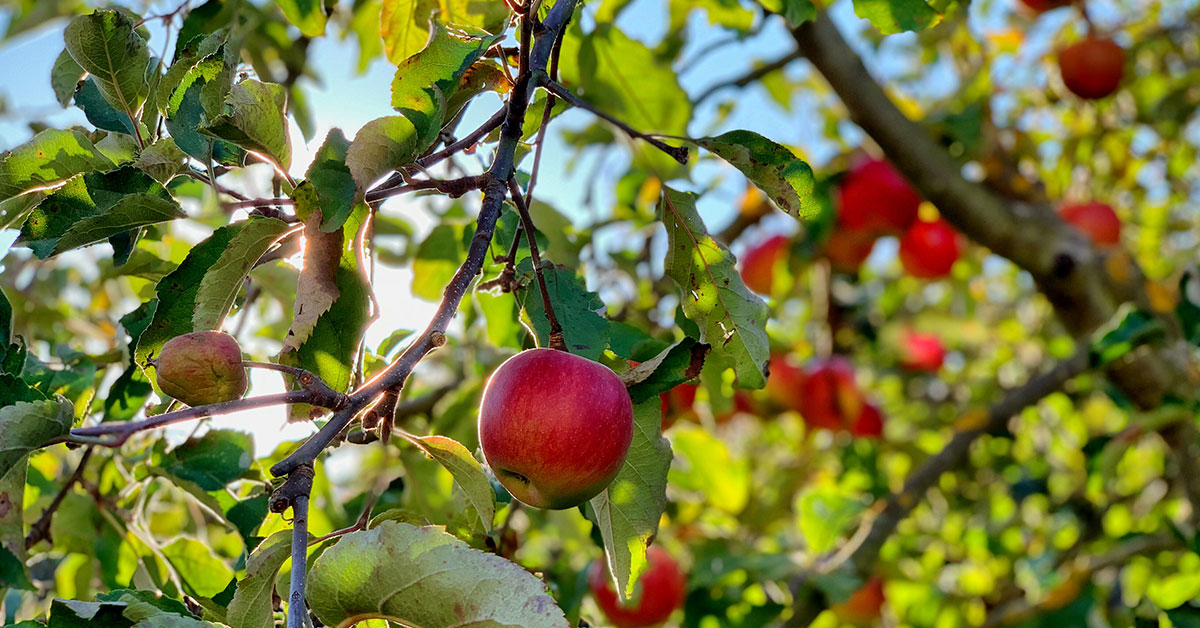
One of the most popular fruit trees for Zone 3 is the apple tree. With their wide range of varieties, apples offer a diverse selection to suit different tastes and preferences. Some recommended apple varieties for Zone 3 include ‘Haralson,’ ‘Honeycrisp,’ ‘Frostbite,’ and ‘Prairie Magic.’ These trees are known for their ability to withstand cold temperatures and produce delicious, crisp fruits.
Another excellent choice for Zone 3 is the cherry tree. Cherries are not only delicious but also add beauty to any landscape with their stunning blossoms. Some cold-hardy cherry varieties suitable for this zone include ‘Meteor,’ ‘Carmine Jewel,’ ‘Cupid,’ and ‘North Star.’ These trees are known for their ability to withstand freezing temperatures and produce an abundance of sweet cherries.
For those looking for a unique and versatile fruit tree, the plum tree is an excellent option for Zone 3. Plums are not only delicious when eaten fresh but can also be used for making jams, jellies, and even wine. Recommended plum varieties for this zone include ‘Toka,’ ‘Mount Royal,’ ‘Superior,’ and ‘Pembina.’ These trees are known for their cold hardiness and ability to produce juicy, flavorful plums.
If you’re a fan of juicy, tangy fruits, consider planting a pear tree in Zone 3. Pears are known for their sweet flavor and smooth texture, making them a favorite among many gardeners. Some recommended pear varieties for this zone include ‘Ure,’ ‘Parker,’ ‘Luscious,’ and ‘Nova.’ These trees are known for their ability to withstand cold temperatures and produce an abundance of delectable pears.
Lastly, for those looking for a unique and hardy fruit tree, the saskatoon berry tree is an excellent choice for Zone 3. Saskatoon berries resemble blueberries in taste and appearance and can be used in various culinary delights. Some recommended saskatoon berry varieties for this zone include ‘Northline,’ ‘Smoky,’ ‘Thiessen,’ and ‘Martin.’ These trees are known for their ability to thrive in cold climates and produce an abundance of tasty berries.
When selecting fruit trees for Zone 3, it is crucial to consider factors such as cold hardiness, disease resistance, and pollination requirements. By choosing the best fruit trees to grow in Zone 3, you can enjoy a fruitful garden that withstands the challenges of the northern climate while providing you with delicious, homegrown fruits.
Avoid growing these fruit trees in Zone 3
When it comes to selecting fruit trees for Zone 3, it is essential to choose varieties that are hardy enough to withstand the harsh winter conditions and short growing season. While there are several fruit trees that thrive in this zone, it is equally important to be aware of the ones that should be avoided. Here are a few fruit trees that are not recommended for Zone 3:
- Citrus Trees: Citrus trees, including oranges, lemons, and grapefruits, are not suitable for Zone 3 due to their tropical nature. These trees require warm temperatures year-round and cannot tolerate the freezing temperatures experienced in this zone.
- Avocado Trees: Avocado trees are native to warm climates and are highly sensitive to cold temperatures. They are not suitable for Zone 3 as they cannot survive the freezing temperatures and frost that occur during the winter months.
- Mango Trees: Similar to citrus and avocado trees, mango trees are tropical plants that require warm temperatures and cannot tolerate freezing conditions. They are not recommended for Zone 3 due to their sensitivity to cold weather.
- Banana Trees: Banana trees are another tropical fruit tree that should be avoided in Zone 3. These trees cannot withstand freezing temperatures and require a longer growing season than what is typically available in this zone.
- Pineapple Trees: Pineapple trees are not suitable for Zone 3 as they are native to tropical regions and require warm temperatures year-round. They cannot tolerate the cold winters and short growing season experienced in this zone.
By avoiding these fruit trees and focusing on selecting the best fruit trees to grow in Zone 3, gardeners can ensure a successful and fruitful harvest.
Fruit tree growing tips
Growing fruit trees in Zone 3 can be a rewarding and fruitful experience, but it does come with its own set of challenges. Here are some tips and best practices to help you successfully grow the best fruit trees in Zone 3:
- Choose cold-hardy varieties: In Zone 3, where winter temperatures can drop as low as -40°F (-40°C), it is crucial to select fruit tree varieties that are specifically bred to withstand such extreme cold. Look for fruit trees labeled as “cold-hardy” or “suitable for Zone 3” to ensure their ability to survive the harsh winters.
- Consider dwarf or semi-dwarf varieties: Due to the shorter growing season in Zone 3, it is advisable to opt for dwarf or semi-dwarf fruit tree varieties. These trees tend to mature and bear fruit earlier than their standard-sized counterparts, making them better suited for the limited growing season.
- Plant in a suitable location: Choose a location in your garden that receives full sun exposure for at least six to eight hours a day. Sunlight is essential for fruit tree growth and fruit production. Additionally, ensure the planting site has well-draining soil to prevent waterlogging, which can be detrimental to the tree’s health.
- Provide wind protection: Strong winds are common in Zone 3, and they can damage fruit tree branches and buds. Planting your fruit trees near a windbreak, such as a fence or a row of shrubs, can help shield them from the harsh winds and reduce the risk of damage.
- Prune properly: Regular pruning is essential for maintaining the health and shape of your fruit trees. However, in Zone 3, it is crucial to avoid heavy pruning in late summer or fall, as it can stimulate new growth that may not have enough time to harden off before winter. Instead, focus on pruning during late winter or early spring when the trees are still dormant.
- Mulch and protect the roots: Apply a layer of organic mulch around the base of your fruit trees to help conserve moisture, regulate soil temperature, and suppress weed growth. Additionally, consider using tree wraps or burlap to protect the lower trunk and root zone from extreme cold temperatures.
- Provide adequate water: While fruit trees generally require regular watering, it is important to strike a balance in Zone 3. Avoid overwatering, as excess moisture can lead to root rot in the cold, wet soil. Water your fruit trees deeply but infrequently, allowing the soil to dry out slightly between watering sessions.
- Fertilize appropriately: Conduct a soil test to determine the nutrient levels in your soil and adjust your fertilization accordingly. In general, fruit trees benefit from a balanced fertilizer with a higher phosphorus content to promote healthy root development and fruit production. Apply the fertilizer in early spring before the trees break dormancy.
By following these tips and best practices, you can increase your chances of successfully growing the best fruit trees in Zone 3 and enjoy a bountiful harvest despite the challenging climate.