
Welcome to our comprehensive guide on the best fruit trees to grow in Zone 2! If you’re a gardening enthusiast residing in this challenging climate zone, you know that growing fruit trees can be quite a task. Zone 2 is known for its harsh winters, short growing seasons, and low temperatures, making it essential to choose fruit trees that are hardy, resilient, and capable of thriving in these conditions.
In this article, we will explore a variety of fruit trees that are well-suited for Zone 2, providing you with valuable insights and tips to help you successfully cultivate a fruitful garden in this challenging environment. So, let’s dive in and discover the best fruit trees that can withstand the cold and bring joy to your garden!
The best fruit trees to grow in Zone 2
When it comes to choosing the best fruit trees to grow in Zone 2, it’s important to select varieties that are hardy enough to withstand the harsh winters and short growing seasons. While the options may be somewhat limited, there are still several fruit trees that can thrive in this challenging climate.
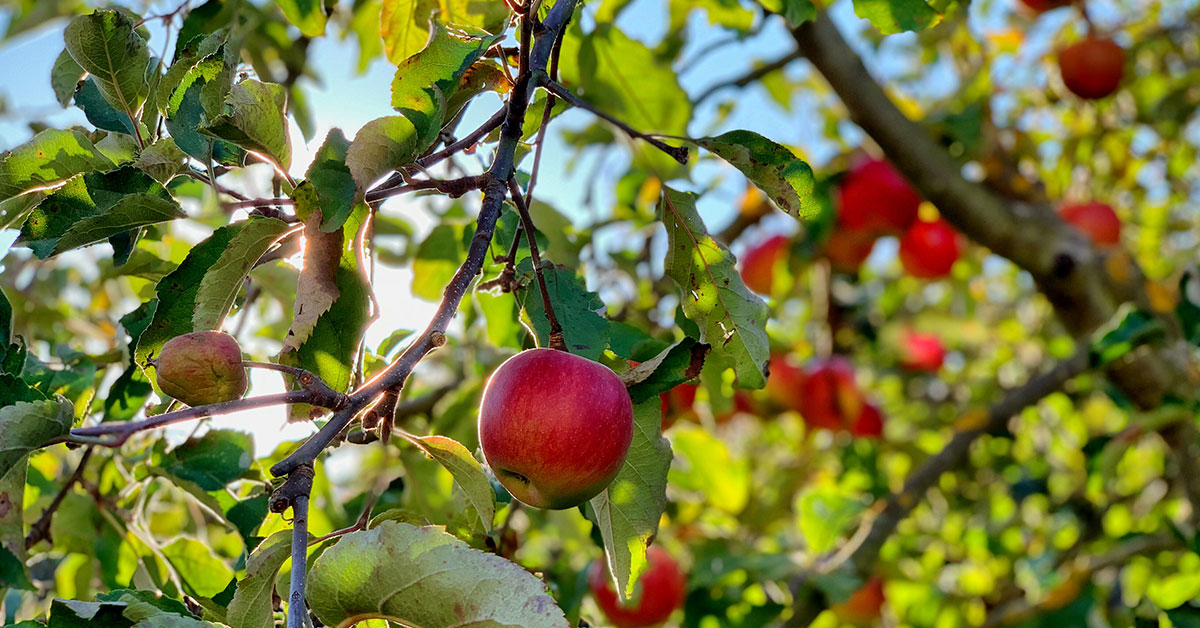
One of the top choices for fruit trees to grow in Zone 2 is the apple tree. Apples are known for their adaptability and there are many cold-hardy varieties available. Some popular options include Haralson, Honeycrisp, and Prairie Magic. These apple trees can withstand the freezing temperatures and produce delicious, crisp fruits that are perfect for eating fresh or using in various culinary creations.
Another excellent choice for Zone 2 is the cherry tree. Cherries are not only tasty but also add beauty to any landscape with their stunning blossoms. Varieties like Evans, Carmine Jewel, and Cupid are well-suited for colder climates. These trees offer an abundance of sweet or tart cherries that can be enjoyed fresh, used in baking, or turned into flavorful preserves.
For those looking to add a touch of tropical flair to their Zone 2 garden, consider planting a plum tree. While plums may not be the first fruit that comes to mind for cold climates, there are several cold-hardy varieties that can thrive in Zone 2. Pembina, Mount Royal, and Toka are excellent choices that can withstand the freezing temperatures and still produce juicy, flavorful plums.
If you’re looking for something a little different, pear trees can also be successfully grown in Zone 2. Varieties such as Ure, Parker, and Nova are known for their cold tolerance and ability to produce abundant crops of sweet, juicy pears. These trees not only provide delicious fruits but also add beauty to the landscape with their elegant form and attractive blossoms.
In addition to these fruit trees, it’s worth considering hardy apricot trees for Zone 2 gardens. While apricots can be more challenging to grow in colder climates, there are a few cold-hardy varieties that can thrive in Zone 2. Moongold and Scout are two examples that can withstand extreme cold and still produce flavorful apricots.
When planting fruit trees in Zone 2, it’s crucial to choose varieties that are specifically bred for cold climates and have a proven track record of success in these conditions. Additionally, providing proper care, such as winter protection and regular pruning, will help ensure the health and productivity of your fruit trees. With the right selection and care, you can enjoy a bountiful harvest of delicious fruits from your Zone 2 garden.
Avoid growing these fruit trees in Zone 2
When it comes to selecting fruit trees for Zone 2, it is important to consider the harsh climate and short growing season. While there are several fruit trees that can thrive in this zone, there are a few varieties that should be avoided due to their inability to withstand the extreme cold temperatures. Here are some fruit trees that are not recommended for Zone 2:
- Peach Trees: Peach trees are known for their delicious fruit, but they are not well-suited for Zone 2. These trees require a longer growing season and are more susceptible to winter damage. The extreme cold temperatures in this zone can cause the tree to suffer from frost damage, reducing its overall health and fruit production.
- Apricot Trees: Similar to peach trees, apricot trees also struggle in Zone 2 due to their sensitivity to cold temperatures. These trees bloom early in the spring, making them vulnerable to late frosts that are common in this zone. As a result, apricot trees often fail to produce a good crop or may not survive the winter at all.
- Fig Trees: Fig trees are not well-adapted to the harsh climate of Zone 2. These trees require a longer growing season and warmer temperatures to produce quality fruit. In colder zones, fig trees often suffer from winter damage and may not survive the freezing temperatures.
- Citrus Trees: Citrus trees, such as orange, lemon, and lime trees, are not suitable for Zone 2. These trees are highly sensitive to cold temperatures and cannot tolerate frost. They require a consistently warm climate to thrive and produce fruit, making them unsuitable for the harsh winters of this zone.
- Olive Trees: Olive trees are not recommended for Zone 2 due to their intolerance to freezing temperatures. These trees are native to Mediterranean regions with mild winters and cannot withstand the extreme cold. Olive trees may suffer from frost damage or even die during the winter in this zone.
It is important to choose fruit trees that are well-adapted to the specific climate conditions of Zone 2. By avoiding these trees that are not suited for the cold temperatures, gardeners can focus on selecting the best fruit trees that will thrive and produce abundant harvests in this challenging zone.
Fruit tree growing tips
Growing fruit trees in Zone 2 can be challenging due to the harsh winter conditions and short growing season. However, with the right selection of fruit trees and proper care, it is possible to have a successful orchard in this zone. Here are some tips and best practices for growing fruit trees in Zone 2:
- Choose cold-hardy varieties: When selecting fruit trees for Zone 2, it is crucial to choose varieties that are specifically bred to withstand extremely cold temperatures. Look for fruit trees that are labeled as suitable for Zone 2 or have a low chill hour requirement.
- Consider dwarf or semi-dwarf trees: In colder climates, it is beneficial to choose dwarf or semi-dwarf fruit tree varieties. These trees are generally more cold-hardy and have a shorter stature, making it easier to protect them from winter damage and harvest the fruit.
- Plant in a sheltered location: Select a planting site that offers some protection from harsh winter winds. Planting fruit trees near a south-facing wall or in a location with natural windbreaks, such as a row of evergreen trees, can help reduce winter damage.
- Provide proper soil preparation: Prepare the soil before planting by incorporating organic matter, such as compost or well-rotted manure, to improve drainage and fertility. Fruit trees thrive in well-draining soil with a pH level between 6.0 and 7.0.
- Mulch and protect the root zone: Apply a layer of organic mulch around the base of the tree to help conserve moisture, suppress weeds, and insulate the roots during winter. Additionally, consider using tree guards or wrapping the trunk with burlap to protect against sunscald and rodent damage.
- Prune regularly: Pruning is essential for maintaining the health and shape of fruit trees. In Zone 2, it is advisable to prune fruit trees in early spring before new growth begins. Remove any dead, damaged, or diseased branches, as well as any crossing or crowded branches to improve air circulation and light penetration.
- Provide adequate water: Fruit trees require consistent moisture, especially during their establishment period. Water deeply and regularly, especially during dry spells, to ensure the root system remains hydrated. However, avoid overwatering, as excessive moisture can lead to root rot.
- Fertilize appropriately: Conduct a soil test to determine the nutrient levels in your soil and adjust fertilization accordingly. Apply a balanced fertilizer specifically formulated for fruit trees in early spring and again in early summer. Avoid over-fertilization, as it can lead to excessive vegetative growth at the expense of fruit production.
- Protect against late spring frosts: Late spring frosts can damage blossoms and reduce fruit set. Consider covering your fruit trees with frost blankets or using frost protection methods, such as overhead sprinklers, to mitigate frost damage during critical bloom periods.
- Monitor pests and diseases: Regularly inspect your fruit trees for signs of pests and diseases. Common pests in Zone 2 include aphids, apple maggots, and codling moths. Implement integrated pest management strategies, such as using insecticidal soaps or horticultural oils, to control pests. Additionally, practice good sanitation by removing fallen leaves and fruit to prevent the spread of diseases.
By following these tips and best practices, you can increase your chances of successfully growing the best fruit trees in Zone 2 and enjoy a bountiful harvest despite the challenging climate.