
Welcome to our comprehensive guide on the best fruit trees to grow in Zone 11! If you are fortunate enough to reside in this tropical paradise, you have a unique advantage when it comes to cultivating a wide variety of delicious and exotic fruits. Zone 11, which encompasses regions with warm temperatures year-round, offers the perfect conditions for fruit trees to thrive.
Whether you are an experienced gardener or a beginner looking to embark on a fruitful journey, this article will provide you with valuable insights and recommendations on the most suitable fruit trees for your Zone 11 garden. So, let’s dive in and discover the incredible array of fruits you can grow in this bountiful zone!
The best fruit trees to grow in Zone 11
The tropical climate of Zone 11 provides an excellent opportunity for gardeners to grow a wide variety of fruit trees. However, it is essential to choose the best fruit trees to grow in Zone 11 that can thrive in the warm temperatures and high humidity of this region. Here are some top recommendations for fruit trees that are well-suited for Zone 11:
- Mango Trees: Mangoes are undoubtedly one of the most popular fruit trees to grow in Zone 11. With their luscious, sweet fruits and beautiful evergreen foliage, mango trees add a tropical touch to any garden. They require full sun, well-draining soil, and regular watering to produce an abundant harvest.
- Avocado Trees: Avocado trees are another excellent choice for Zone 11 gardeners. These evergreen trees not only provide delicious, nutrient-rich fruits but also offer shade and beauty to the landscape. Avocado trees require well-drained soil, regular watering, and protection from strong winds.
- Papaya Trees: Papayas thrive in the warm temperatures and high humidity of Zone 11. These fast-growing trees produce an abundance of sweet, tropical fruits. They prefer full sun, well-drained soil, and regular watering. Papaya trees are also known for their attractive palm-like foliage, making them a great addition to any garden.
- Citrus Trees: Zone 11 is ideal for growing various citrus trees, including oranges, lemons, limes, and grapefruits. These trees offer not only delicious fruits but also fragrant blossoms and glossy evergreen leaves. Citrus trees require full sun, well-drained soil, and regular watering to thrive in this region.
- Banana Trees: Banana trees are a fantastic addition to any Zone 11 garden. These fast-growing trees produce an abundance of tasty bananas and create a lush, tropical atmosphere. They require full sun, well-drained soil, and regular watering. Additionally, providing some wind protection can help prevent damage to the large, broad leaves.
- Guava Trees: Guava trees are well-suited for the warm climate of Zone 11. These small to medium-sized trees produce delicious, aromatic fruits that are rich in vitamins and antioxidants. Guava trees prefer full sun, well-drained soil, and regular watering to thrive and bear fruit.
When selecting fruit trees for your Zone 11 garden, it’s important to consider factors such as space availability, soil conditions, and maintenance requirements. By choosing the best fruit trees to grow in Zone 11, you can enjoy a bountiful harvest of tropical fruits while adding beauty and diversity to your garden.
Avoid growing these fruit trees in Zone 11
When it comes to growing fruit trees in Zone 11, there are a few varieties that are best to avoid due to the specific climate and conditions of this region. While Zone 11 is known for its warm temperatures and long growing seasons, certain fruit trees may struggle to thrive or produce high-quality fruit in this zone. It is important to consider the following trees and their potential challenges in Zone 11:
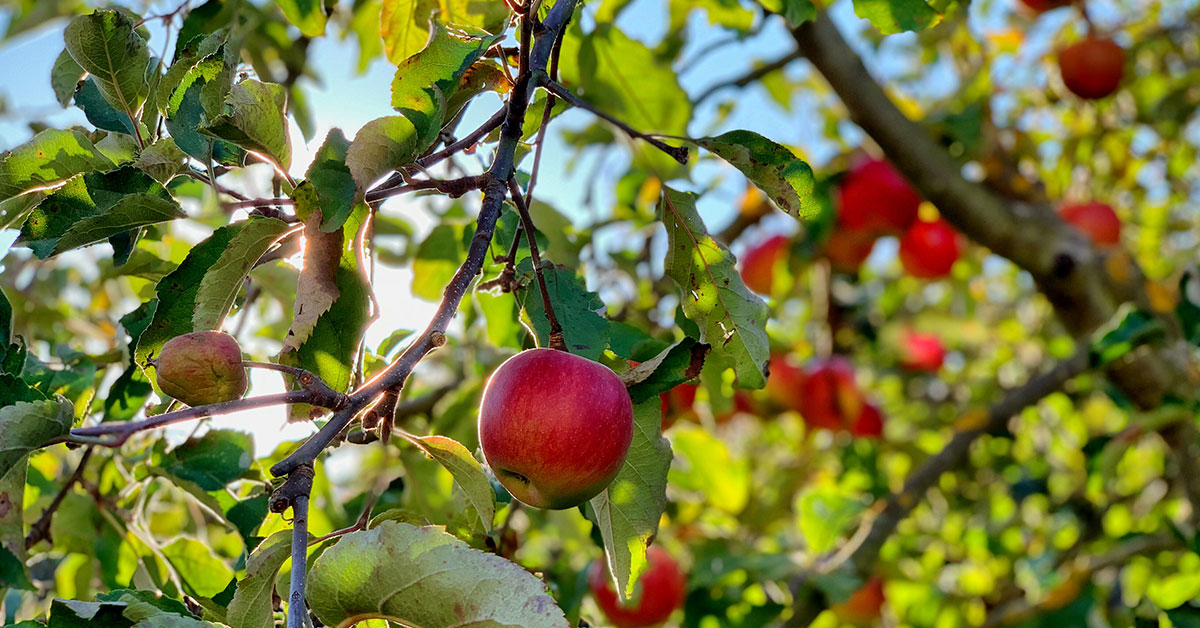
- Apple Trees: Apple trees typically require a certain number of chill hours during winter to break dormancy and set fruit. However, Zone 11’s mild winters may not provide enough chill hours for apple trees to flourish. As a result, apple trees may struggle to produce a bountiful harvest or may not bear fruit at all in this zone.
- Cherry Trees: Similar to apple trees, cherry trees also require a significant number of chill hours to produce fruit successfully. In Zone 11, where winters are mild, cherry trees may not receive the necessary chilling period, leading to poor fruit set and reduced yields. It is advisable to choose cherry tree varieties specifically bred for low-chill climates if you still wish to grow them in Zone 11.
- Pear Trees: Pear trees, like apples and cherries, have specific chilling requirements. While some pear varieties are more adaptable to low-chill climates, many traditional pear cultivars may struggle to thrive in Zone 11. It is recommended to select pear tree varieties that are specifically suited for warm climates and have lower chilling requirements.
- Plum Trees: Plum trees generally require a moderate amount of chill hours to produce a good crop. In Zone 11, where winters are mild, plum trees may not receive sufficient chilling, resulting in reduced fruit production or poor fruit quality. However, there are some low-chill plum varieties available that are better suited for warm climates.
- Apricot Trees: Apricot trees are known for their early bloom, making them susceptible to late frosts. In Zone 11, where winters are mild, early blooming apricot trees may face a higher risk of frost damage, which can significantly impact fruit production. It is advisable to select late-blooming or low-chill apricot varieties that are more suitable for this zone.
While these fruit trees may face challenges in Zone 11, it is essential to note that there are still numerous fruit tree options that thrive in this warm climate. By selecting the best fruit trees to grow in Zone 11, gardeners can enjoy a bountiful harvest and the satisfaction of growing their own delicious fruits.
Fruit tree growing tips
Growing fruit trees in Zone 11 can be a rewarding and fruitful experience. With the right knowledge and care, you can enjoy a bountiful harvest of delicious fruits. Here are some tips and best practices to help you succeed:
- Choose the right fruit trees: In Zone 11, you have a wide range of options for fruit trees. Some of the best fruit trees to grow in this zone include mango, avocado, citrus trees (such as oranges, lemons, and limes), papaya, and guava. These trees thrive in the warm and tropical climate of Zone 11.
- Select the right variety: Within each fruit tree category, there are different varieties available. Consider factors such as taste preferences, disease resistance, and fruiting season when choosing the variety. Consult with local nurseries or agricultural extension offices to find the best varieties suited for your specific location within Zone 11.
- Provide ample sunlight: Fruit trees generally require full sun exposure to thrive and produce abundant fruits. Ensure that your fruit trees receive at least 6-8 hours of direct sunlight each day. Plant them in a location where they won’t be shaded by buildings or other trees.
- Ensure proper drainage: Good drainage is crucial for fruit trees’ health. Avoid planting them in areas prone to waterlogging or where water tends to accumulate. If your soil has poor drainage, consider planting your fruit trees in raised beds or mounds to improve drainage.
- Provide regular watering: While fruit trees in Zone 11 can tolerate dry conditions, they still require regular watering, especially during the dry season. Water deeply and thoroughly, ensuring the water reaches the tree’s root zone. Mulching around the base of the tree can help retain moisture and prevent weed growth.
- Fertilize appropriately: Fruit trees require regular fertilization to maintain healthy growth and fruit production. Use a balanced fertilizer specifically formulated for fruit trees, following the recommended dosage and application instructions. Apply fertilizer during the growing season, typically in spring and summer.
- Prune and train your trees: Pruning helps shape fruit trees, promotes airflow, and removes dead or diseased branches. Prune during the dormant season to avoid interfering with fruiting. Additionally, training your fruit trees to a desired shape, such as an open center or central leader, can improve sunlight penetration and ease maintenance.
- Pest and disease management: Fruit trees in Zone 11 are susceptible to various pests and diseases. Regularly inspect your trees for signs of infestation or disease, such as leaf discoloration, unusual growths, or pest activity. Use organic pest control methods whenever possible, and consult with local experts or agricultural extension offices for specific recommendations.
- Harvest at the right time: Each fruit variety has its own optimal harvesting time. Learn about the specific signs of ripeness for the fruit trees you are growing. Harvesting at the right time ensures the best flavor and quality of your fruits.
By following these tips and best practices, you can successfully grow and enjoy the best fruit trees in Zone 11. Remember to adapt your care routine to the specific needs of each fruit tree variety, and don’t hesitate to seek advice from local experts for personalized guidance. Happy gardening!