
Welcome to our comprehensive guide on the best fruit trees to grow in Wyoming! Known for its challenging climate and diverse landscapes, Wyoming presents unique opportunities and considerations for fruit tree cultivation. Whether you are a seasoned gardener or a beginner looking to embark on a fruitful journey, this article will provide you with valuable insights and recommendations on the fruit trees that thrive in Wyoming’s harsh conditions.
From hardy apple varieties to cold-tolerant cherries and plums, we will explore the top choices that will not only survive but also flourish in the Cowboy State. So, let’s dig in and discover the best fruit trees to grow in Wyoming!
The best fruit trees to grow in Wyoming
Wyoming is known for its harsh winters and challenging growing conditions, but that doesn’t mean you can’t enjoy the delicious taste of homegrown fruit. With careful selection and proper care, there are several fruit trees that can thrive in the diverse climate of Wyoming.
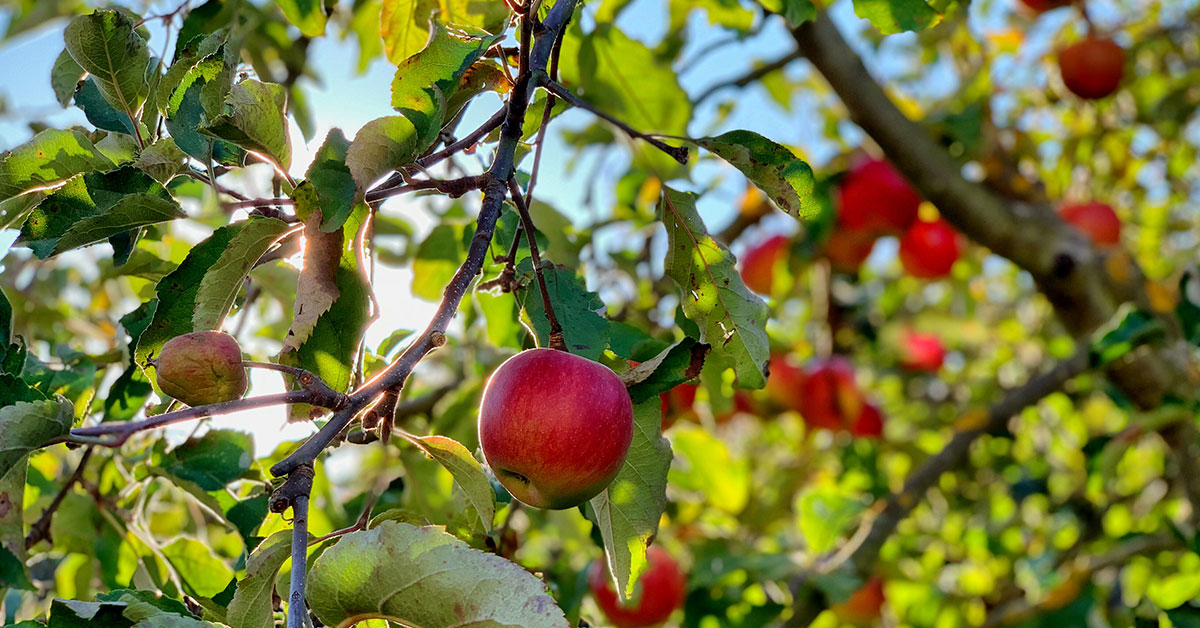
One of the **best fruit trees to grow in Wyoming** is the apple tree. Apples are hardy and adaptable, making them well-suited for the state’s varying temperatures and soil conditions. Varieties such as Honeycrisp, Haralson, and Liberty are known to perform well in Wyoming. Ensure you choose disease-resistant cultivars to combat common apple tree diseases like apple scab and fire blight.
Another excellent choice for Wyoming gardeners is the cherry tree. Tart cherries, like the Montmorency variety, are particularly well-suited for the state’s colder climate. These trees require a period of winter dormancy, making them a perfect fit for Wyoming’s long, cold winters. Cherries are not only delicious for fresh eating but can also be used for baking, canning, and making preserves.
If you’re looking for a tree that can withstand Wyoming’s dry conditions, consider planting a pear tree. Pears are known for their ability to tolerate drought and thrive in well-drained soils. Varieties like Bartlett, Anjou, and Bosc are popular choices for Wyoming gardeners. Pears can be enjoyed fresh or used in a variety of culinary creations, making them a versatile addition to any garden.
For those seeking a unique and hardy fruit tree, the plum tree is an excellent option for Wyoming. Plums are known for their ability to withstand cold temperatures and can be grown successfully in the state. Varieties such as Stanley, Toka, and Santa Rosa are recommended for Wyoming’s climate. Plums can be enjoyed fresh, used in jams and jellies, or even dried for a sweet and tangy snack.
Lastly, don’t overlook the possibility of growing hardy apricot trees in Wyoming. While apricots can be more challenging to grow due to their early bloom time and susceptibility to late spring frosts, there are hardy varieties available that can withstand Wyoming’s climate. Varieties like Moorpark, Sungold, and Goldcot have shown good adaptability in the state. With proper site selection and frost protection measures, you can enjoy the unique flavor of homegrown apricots.
When selecting fruit trees for your Wyoming garden, it’s crucial to consider factors such as cold hardiness, disease resistance, and adaptability to local conditions. Additionally, providing proper care, including regular watering, fertilization, and pruning, will help ensure the success of your fruit trees. With the right choices and a little bit of effort, you can enjoy the satisfaction of growing your own delicious fruits right in your Wyoming backyard.
Avoid growing these fruit trees in Wyoming
When it comes to growing fruit trees in Wyoming, it is important to choose varieties that are well-suited to the unique climate and growing conditions of the region. While there are several fruit trees that can thrive in Wyoming, there are also some varieties that should be avoided due to their inability to withstand the challenges presented by the state’s harsh winters and short growing season.
Citrus trees, such as oranges, lemons, and grapefruits, should generally be avoided in Wyoming. These trees are highly sensitive to cold temperatures and require a long, warm growing season to produce fruit. Wyoming’s cold winters and short summers make it difficult for citrus trees to survive and bear fruit successfully.
Similarly, tropical fruit trees like mangoes, avocados, and bananas are not suitable for Wyoming’s climate. These trees require consistently warm temperatures and high humidity levels, which are not typically found in the state. Attempting to grow these trees in Wyoming would likely result in disappointment and frustration.
Olive trees are another fruit tree variety that should be avoided in Wyoming. While olives are known for their ability to tolerate warm and dry climates, they are not well-suited to the cold and dry conditions of Wyoming. The extreme cold temperatures experienced during the winter months can cause significant damage to olive trees, making it challenging for them to survive and produce fruit.
Lastly, subtropical fruit trees like peaches, apricots, and nectarines may also struggle to thrive in Wyoming. While some varieties of these trees can be grown successfully in certain parts of the state, they are generally more susceptible to damage from late spring frosts and early fall freezes. Gardeners in Wyoming should choose cold-hardy varieties of these fruit trees and take appropriate measures to protect them from extreme temperature fluctuations.
By avoiding these fruit tree varieties that are ill-suited to Wyoming’s climate, gardeners can focus on selecting the best fruit trees to grow in Wyoming that are more likely to thrive and produce abundant harvests.
Fruit tree growing tips for Wyoming
Growing fruit trees in Wyoming can be a rewarding experience, but it requires careful planning and consideration of the unique climate and conditions of the region. Here are some tips and best practices to help you successfully grow fruit trees in Wyoming:
- Choose the Right Varieties: When selecting fruit trees for your Wyoming garden, it is crucial to choose varieties that are well-suited to the region’s challenging climate. Opt for cold-hardy fruit trees that can withstand the harsh winters and late spring frosts. Some of the best fruit trees to grow in Wyoming include apple trees (such as Honeycrisp, Haralson, and Liberty varieties), cherry trees (such as Montmorency and North Star), and plum trees (such as Stanley and Toka).
- Site Selection: Selecting an appropriate site for your fruit trees is essential. Look for a location that receives full sun exposure for at least 6-8 hours a day. Ensure that the site has good air circulation to minimize the risk of fungal diseases. Avoid low-lying areas prone to frost pockets, as cold air tends to settle there.
- Soil Preparation: Prior to planting, prepare the soil by incorporating organic matter, such as compost or well-rotted manure, to improve drainage and fertility. Wyoming soils are often alkaline, so it may be necessary to amend the soil with sulfur or other acidifying agents to lower the pH if needed. Conduct a soil test to determine the specific requirements of your soil.
- Planting: Plant fruit trees in early spring, as soon as the ground is workable and before bud break. Dig a hole that is wide and deep enough to accommodate the tree’s roots without bending or crowding them. Ensure that the graft union (the swollen area where the tree was grafted onto the rootstock) is above the soil line when planting. Backfill the hole with soil, gently firming it around the roots.
- Watering: Adequate watering is crucial for the establishment and growth of fruit trees. Provide deep, thorough watering to ensure the root zone is adequately moist. However, avoid overwatering, as it can lead to root rot. During dry periods, water deeply once or twice a week, depending on the tree’s age and size. Mulching around the base of the tree can help conserve moisture and suppress weed growth.
- Pruning and Training: Pruning fruit trees is essential for maintaining their health, shape, and productivity. Prune during the dormant season, typically in late winter or early spring, before new growth begins. Remove any dead, damaged, or diseased branches. Train young trees to a central leader or modified central leader system to encourage a strong framework.
- Pest and Disease Management: Wyoming’s dry climate helps minimize some common fruit tree pests and diseases. However, it is still important to monitor your trees regularly for signs of insect infestations or diseases. Use organic pest control methods whenever possible, such as insecticidal soaps or horticultural oils. Proper sanitation, including removing fallen leaves and fruit, can help reduce the risk of disease.
- Winter Protection: Wyoming’s cold winters can be challenging for fruit trees. Protect young trees from harsh winter temperatures by wrapping the trunk with burlap or using tree wraps. Applying a layer of mulch around the base of the tree can also help insulate the roots. Avoid using plastic wraps, as they can cause moisture buildup and lead to disease.
By following these tips and best practices, you can increase your chances of successfully growing fruit trees in Wyoming and enjoy a bountiful harvest for years to come.