
Welcome to our comprehensive guide on the best fruit trees to grow in Wisconsin! Whether you are a seasoned gardener or a beginner looking to embark on a fruitful journey, this article will provide you with valuable insights and recommendations for successfully growing fruit trees in the beautiful state of Wisconsin.
With its unique climate and diverse soil conditions, Wisconsin offers an ideal environment for certain fruit trees to thrive. From the iconic apple trees to lesser-known gems like cherry and plum, we will explore the top fruit tree varieties that are well-suited to Wisconsin’s growing conditions. So, grab your gardening tools and let’s delve into the world of fruit trees that will bring joy and deliciousness to your backyard!
The best fruit trees to grow in Wisconsin
The climate in Wisconsin can be challenging for growing fruit trees, but with the right selection, you can still enjoy a bountiful harvest. When it comes to choosing fruit trees for your Wisconsin garden, it is essential to consider hardiness, disease resistance, and the ability to withstand the state’s cold winters. Here are some of the best fruit trees to grow in Wisconsin:
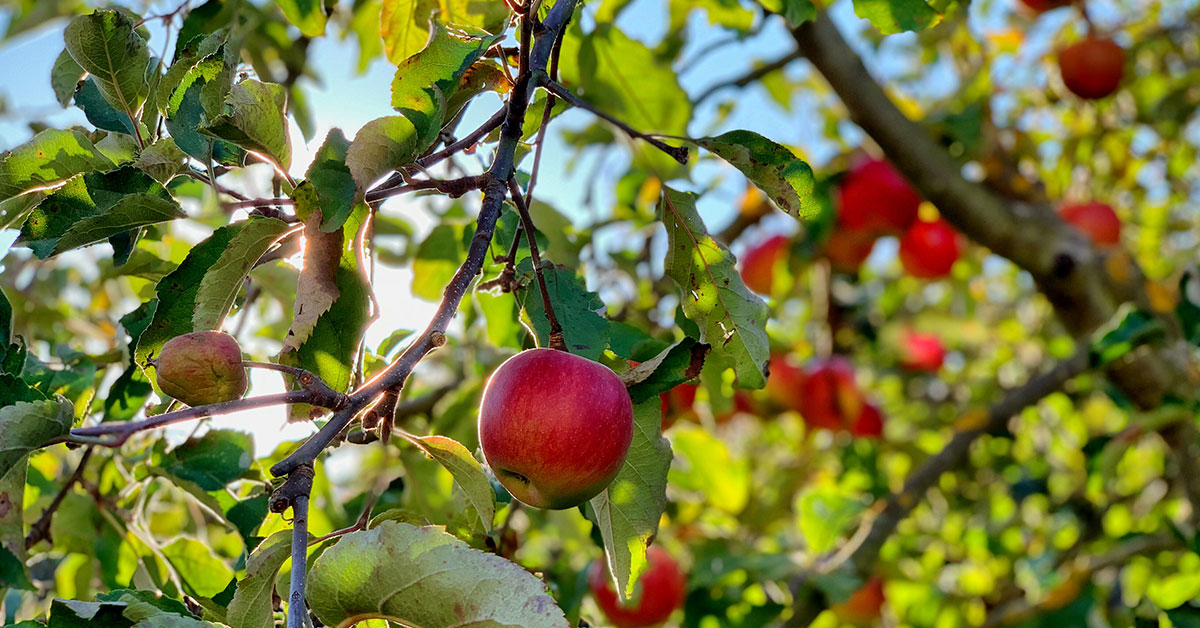
- Apple Trees: Apples are a popular choice for Wisconsin gardens due to their versatility and adaptability to various soil types. Look for varieties such as Honeycrisp, Haralson, and Cortland, which are known for their cold hardiness and disease resistance.
- Cherry Trees: Tart cherries, specifically the Montmorency variety, thrive in Wisconsin’s climate. These trees are self-pollinating and produce an abundance of delicious cherries that are perfect for baking, canning, or enjoying fresh.
- Plum Trees: Plum trees can be successfully grown in Wisconsin, particularly the European varieties such as Stanley and Italian Prune. These trees offer beautiful blossoms in spring and produce juicy, sweet plums that are perfect for eating fresh or making preserves.
- Pear Trees: Pears can be a bit more challenging to grow in Wisconsin due to their susceptibility to fire blight. However, some varieties, such as Ure and Luscious, have shown good resistance to this disease. Choose a well-drained location and provide proper care to increase your chances of success.
- Peach Trees: While peaches may require extra care and protection in Wisconsin, it is still possible to grow them successfully. Look for cold-hardy varieties like Reliance or Contender, which have been bred to withstand colder temperatures. Consider planting them against a south-facing wall or in a protected area to maximize heat absorption.
- Apricot Trees: Apricots are more challenging to grow in Wisconsin due to their early bloom time, making them susceptible to late spring frosts. However, some cold-hardy varieties like Moorpark and Sungold have shown promise in the region. Planting them in a sheltered location and providing frost protection can help increase your chances of a successful harvest.
Remember, when planting fruit trees in Wisconsin, it is crucial to choose disease-resistant varieties, provide proper care, and consider microclimates within your garden. Additionally, ensure you select trees that are compatible with your USDA hardiness zone to increase your chances of success. With the right selection and care, you can enjoy a fruitful garden filled with the best fruit trees to grow in Wisconsin.
Avoid growing these fruit trees in Wisconsin
When it comes to growing fruit trees in Wisconsin, it is essential to choose varieties that are well-suited to the region’s climate and growing conditions. While there are several fruit trees that thrive in Wisconsin, there are also some varieties that should be avoided due to their susceptibility to cold temperatures and frost damage.
Citrus trees, such as oranges, lemons, and grapefruits, should be avoided in Wisconsin. These trees are highly sensitive to cold temperatures and require a consistently warm climate to survive and produce fruit. The harsh winters and fluctuating temperatures in Wisconsin make it challenging for citrus trees to thrive.
Avocado trees are another fruit tree variety that should be avoided in Wisconsin. Avocado trees are native to tropical and subtropical regions and require a warm and frost-free climate to grow successfully. The cold winters and short growing season in Wisconsin make it nearly impossible for avocado trees to survive and produce fruit.
Banana trees are also not suitable for Wisconsin’s climate. These tropical trees require a long, warm growing season and cannot tolerate freezing temperatures. While it is possible to grow banana trees as annuals in containers and bring them indoors during the winter, it is not a practical option for most gardeners in Wisconsin.
In conclusion, it is best to avoid planting citrus trees, avocado trees, and banana trees in Wisconsin due to their sensitivity to cold temperatures and frost damage. Instead, focus on selecting fruit tree varieties that are well-adapted to the region’s climate and can withstand the harsh winters.
Fruit tree growing tips for Wisconsin
When it comes to growing fruit trees in Wisconsin, there are a few tips and best practices to keep in mind to ensure successful cultivation. Here are some key considerations:
- Choose the right fruit tree varieties: Opt for fruit tree varieties that are well-suited to Wisconsin’s climate and growing conditions. Some of the best fruit trees to grow in Wisconsin include apple trees, cherry trees, pear trees, and plum trees. Select disease-resistant varieties whenever possible to minimize the risk of pests and diseases.
- Select appropriate rootstocks: Rootstocks play a crucial role in determining the size and vigor of the tree, as well as its resistance to certain diseases. Consult with local nurseries or extension services to identify rootstocks that are suitable for Wisconsin’s climate and soil conditions.
- Planting location: Select a planting location that receives full sun exposure for at least six to eight hours a day. Ensure the site has well-drained soil to prevent waterlogging, as excessive moisture can lead to root rot and other diseases. Avoid low-lying areas prone to frost pockets, as late spring frosts can damage blossoms and reduce fruit production.
- Proper soil preparation: Prior to planting, prepare the soil by removing weeds, rocks, and debris. Conduct a soil test to determine its pH level and nutrient content. Most fruit trees prefer slightly acidic soil with a pH range of 6.0 to 6.8. Amend the soil with organic matter, such as compost or well-rotted manure, to improve its fertility and drainage.
- Planting and spacing: Dig a hole that is wide and deep enough to accommodate the tree’s root system without crowding or bending the roots. Place the tree in the hole, ensuring that the bud union (graft) is above the soil line. Backfill the hole with soil, gently firming it around the roots. Space fruit trees according to their mature size to allow for adequate airflow and sunlight penetration.
- Pruning and training: Prune fruit trees during their dormant season (late winter or early spring) to remove dead, damaged, or crossing branches. Pruning helps maintain tree shape, improves airflow, and enhances fruit production. Additionally, train young trees to a central leader or open center system to promote balanced growth and facilitate harvesting.
- Irrigation and mulching: Adequate water supply is crucial for fruit tree establishment and growth. Water newly planted trees deeply and regularly, especially during dry spells. Apply a layer of organic mulch around the base of the tree, leaving a gap around the trunk to prevent moisture-related diseases. Mulching helps conserve soil moisture, suppress weeds, and regulate soil temperature.
- Fertilization and pest management: Conduct regular soil tests to determine nutrient deficiencies and adjust fertilization accordingly. Apply balanced organic or slow-release fertilizers in early spring or as recommended by soil test results. Implement integrated pest management (IPM) practices to control pests and diseases, including regular monitoring, cultural practices, and targeted treatments when necessary.
By following these tips and best practices, you can increase your chances of successfully growing the best fruit trees in Wisconsin and enjoy a bountiful harvest for years to come. Remember to stay informed about local conditions and seek guidance from local horticultural resources for specific recommendations.