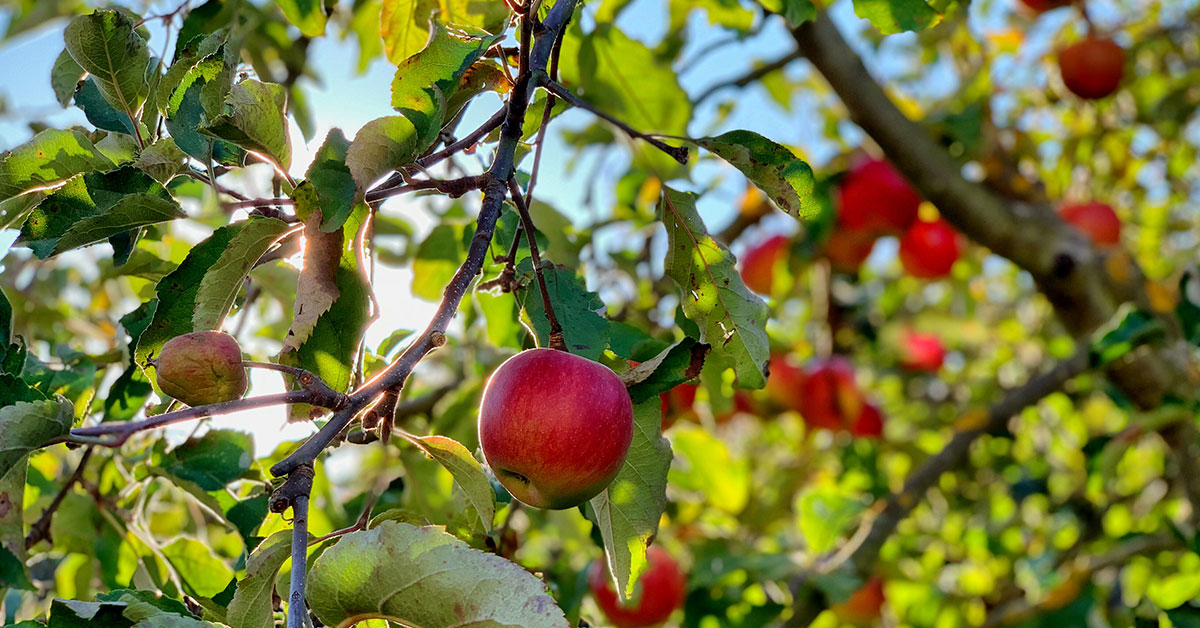

Welcome to our comprehensive guide on the best fruit trees to grow in Virginia! Nestled in the heart of the Mid-Atlantic region, Virginia offers a diverse climate and fertile soil that is perfect for cultivating a wide variety of fruit trees.
Whether you are an avid gardener or a beginner looking to embark on a fruitful journey, this article will provide you with valuable insights and recommendations on the most suitable fruit trees for your Virginia garden.
From the iconic apple trees to the lesser-known pawpaw trees, we will explore the unique characteristics, growing requirements, and delicious fruits that these trees have to offer. So, let’s dive in and discover the best fruit trees that will thrive in the beautiful state of Virginia!
The best fruit trees to grow in Virginia
When it comes to growing fruit trees in Virginia, it is essential to choose varieties that are well-suited to the region’s climate and growing conditions.
Apple trees are among the best fruit trees to grow in Virginia due to their adaptability and ability to thrive in various soil types. Varieties such as ‘Golden Delicious,’ ‘Granny Smith,’ and ‘Fuji’ are known to do particularly well in the state.
Another excellent fruit tree option for Virginia is the peach tree. Peaches are not only delicious but also relatively easy to grow in this region. Varieties like ‘Redhaven,’ ‘Elberta,’ and ‘Georgia Belle’ are popular choices for their ability to withstand Virginia’s hot summers and cold winters.
Pear trees are also well-suited to Virginia’s climate. Varieties such as ‘Bartlett,’ ‘Anjou,’ and ‘Bosc’ are known to thrive in the state. Pears are not only tasty but also aesthetically pleasing, making them a great addition to any garden or orchard.
For those looking to grow smaller fruit trees, cherry trees are an excellent option. Both sweet and sour cherry varieties can be successfully grown in Virginia. Sweet cherry varieties like ‘Bing,’ ‘Rainier,’ and ‘Stella’ are popular choices, while sour cherry varieties such as ‘Montmorency’ and ‘Morello’ are well-suited for baking and preserving.
In addition to these classic choices, some other fruit trees that can thrive in Virginia include plum trees (such as ‘Stanley’ and ‘Methley’), apricot trees (such as ‘Moorpark’ and ‘Goldcot’), and persimmon trees (such as ‘Fuyu’ and ‘Hachiya’).
Before planting any fruit trees, it is crucial to consider factors such as soil quality, sunlight exposure, and proper spacing. It is also advisable to consult with local nurseries or agricultural extension services to ensure you select the best varieties for your specific location in Virginia. With proper care and attention, you can enjoy a bountiful harvest of delicious fruits from your own backyard orchard.
Avoid growing these fruit trees in Virginia
When it comes to growing fruit trees in Virginia, there are a few varieties that are best to avoid due to the region’s climate and specific challenges. While many fruit trees can thrive in Virginia’s diverse conditions, there are a few that may struggle to produce quality fruit or survive the harsh winters. Here are some fruit trees that are best to avoid in Virginia:
Citrus Trees: Citrus trees, such as oranges, lemons, and grapefruits, are not suitable for outdoor cultivation in Virginia. These trees require warm and tropical climates, which are not typically found in the state. While it is possible to grow citrus trees in containers indoors, it can be challenging to provide them with the necessary conditions for healthy growth and fruit production.
Avocado Trees: Avocado trees are another fruit tree that is not well-suited for Virginia’s climate. These trees thrive in warm, subtropical regions and require mild winters to survive. Virginia’s colder temperatures and occasional frost can severely damage or kill avocado trees, making them a risky choice for gardeners in the state.
Mango Trees: Mango trees are tropical plants that require a long, hot growing season to produce fruit. Unfortunately, Virginia’s climate does not provide the consistent warmth and extended growing season necessary for mango trees to thrive. These trees are highly sensitive to cold temperatures and are unlikely to survive the winters in Virginia.
Pineapple Trees: Pineapple trees, like other tropical fruit trees, are not suitable for outdoor cultivation in Virginia. These trees require warm and humid conditions, which are not typically found in the state. While it is possible to grow pineapple plants indoors as a novelty or ornamental plant, it is unlikely to yield fruit in Virginia’s climate.
By avoiding these fruit trees that are not well-suited for Virginia’s climate, gardeners can focus on selecting the best fruit trees to grow in Virginia that are more likely to thrive and produce abundant harvests.
Fruit tree growing tips for Virginia
Growing fruit trees in Virginia can be a rewarding and fruitful experience. The state’s climate and soil conditions are suitable for a variety of fruit trees. Here are some tips and best practices to help you successfully grow the best fruit trees in Virginia:
- Choose the right fruit tree varieties: When selecting fruit trees for your garden, consider varieties that are well-suited to Virginia’s climate. Some of the best fruit trees to grow in Virginia include apple trees (such as ‘Golden Delicious’ and ‘Granny Smith’), peach trees (such as ‘Redhaven’ and ‘Elberta’), cherry trees (such as ‘Bing’ and ‘Stella’), and pear trees (such as ‘Bartlett’ and ‘D’Anjou’). These varieties are known to thrive in Virginia’s conditions.
- Consider chill hours: Chill hours refer to the number of hours a fruit tree needs to be exposed to temperatures below 45°F (7°C) during its dormant period. Virginia experiences varying chill hour requirements across different regions. Make sure to select fruit tree varieties that match the chill hour requirements of your specific area. This information can usually be obtained from local nurseries or agricultural extension offices.
- Plant in the right location: Fruit trees require a sunny location with well-drained soil. Choose a spot in your garden that receives at least six to eight hours of direct sunlight daily. Avoid low-lying areas that may retain excess moisture, as this can lead to root rot. Additionally, ensure that the soil is well-drained to prevent waterlogged conditions that can harm the roots.
- Prepare the soil: Before planting your fruit trees, prepare the soil by removing any weeds, rocks, or debris. Amend the soil with organic matter, such as compost or well-rotted manure, to improve its fertility and drainage. Conduct a soil test to determine its pH level and nutrient content. Most fruit trees prefer a slightly acidic to neutral soil pH (around 6.0 to 7.0).
- Planting and spacing: Dig a hole that is wide and deep enough to accommodate the tree’s root system. Place the tree in the hole, ensuring that the bud union (the swollen area where the tree was grafted onto the rootstock) is above the soil line. Backfill the hole with soil, gently firming it around the roots. Space fruit trees according to their mature size, allowing enough room for proper growth and airflow between trees.
- Watering and mulching: Newly planted fruit trees require regular watering to establish their root systems. Water deeply once or twice a week, providing enough moisture to reach the root zone. Avoid overwatering, as it can lead to root rot. Apply a layer of organic mulch around the base of the tree to conserve moisture, suppress weeds, and regulate soil temperature.
- Pruning and training: Prune fruit trees during their dormant season to remove dead, damaged, or crossing branches. Proper pruning helps maintain the tree’s shape, improves airflow, and promotes fruit production. Train young trees by selecting a central leader (main vertical stem) and removing competing branches. Consult pruning guides or seek advice from local experts for specific techniques for each fruit tree variety.
- Pest and disease management: Fruit trees in Virginia are susceptible to various pests and diseases, such as apple maggots, peach leaf curl, and cherry fruit fly. Implement integrated pest management (IPM) practices, which include regular monitoring, proper sanitation, and the use of organic or chemical controls when necessary. Consult your local agricultural extension office for guidance on pest and disease management specific to your area.
By following these tips and best practices, you can successfully grow the best fruit trees in Virginia and enjoy a bountiful harvest for years to come. Remember to stay informed about specific care requirements for each fruit tree variety and adapt your practices accordingly.