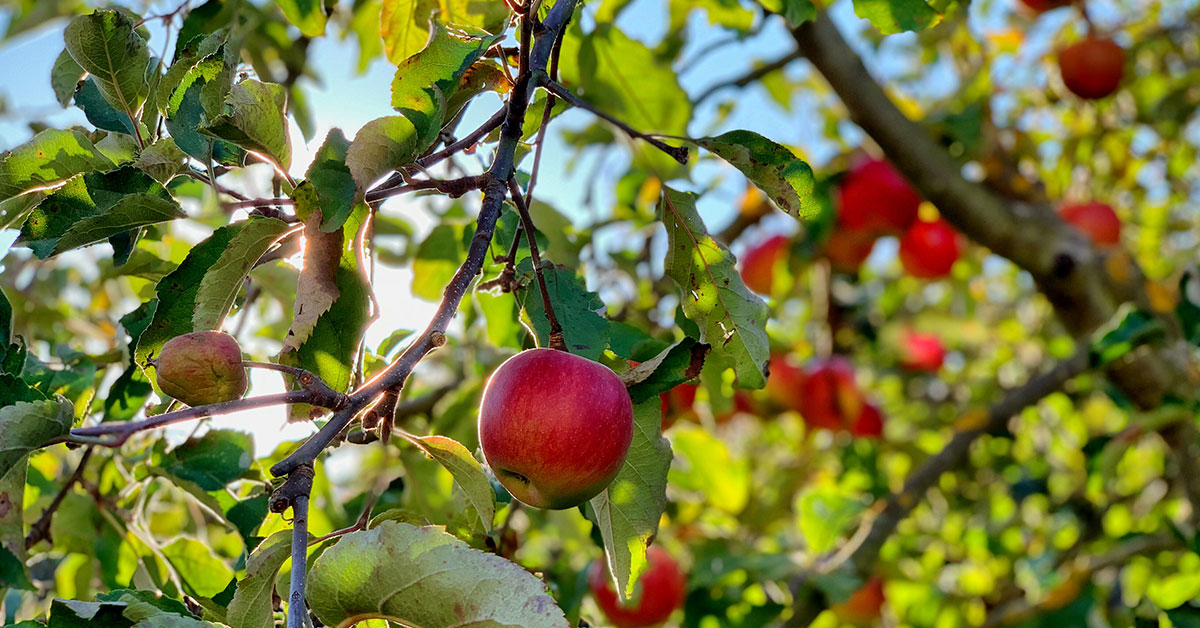

Welcome to our comprehensive guide on the best fruit trees to grow in Vermont! Nestled in the northeastern region of the United States, Vermont’s unique climate and fertile soil make it an ideal location for cultivating a wide variety of fruit trees. Whether you’re a seasoned gardener or just starting your fruit-growing journey, this article will provide you with valuable insights and recommendations on the most suitable fruit trees for Vermont’s specific conditions.
From the iconic apple trees to lesser-known varieties, we will explore the diverse range of options that thrive in Vermont’s climate, ensuring a bountiful harvest and a fruitful garden for years to come. So, let’s dive in and discover the best fruit trees to grow in Vermont!
The best fruit trees to grow in Vermont
Best Fruit Trees to Grow in Vermont When it comes to growing fruit trees in Vermont, it is essential to choose varieties that are well-suited to the region’s climate and growing conditions. The state’s cold winters and relatively short growing season make it important to select fruit trees that are hardy and can withstand the frosty temperatures. Here are some of the **best fruit trees to grow in Vermont**:
- Apple Trees: Apples are undoubtedly the most popular fruit trees grown in Vermont. With a wide range of varieties available, including hardy ones like Haralson, McIntosh, and Cortland, apple trees thrive in Vermont’s climate. They require a period of winter dormancy and a certain number of chilling hours to produce a bountiful harvest.
- Pear Trees: Pears are another excellent choice for Vermont gardeners. Varieties such as Bartlett, Bosc, and Anjou are known to do well in the state. Pear trees prefer well-drained soil and benefit from cross-pollination, so planting two different varieties is recommended for optimal fruit production.
- Cherry Trees: Tart cherries, such as Montmorency, and sweet cherries, like Bing or Stella, can be successfully grown in Vermont. These trees require a sunny location and well-drained soil. Tart cherries are particularly well-suited to the state’s climate, as they are more cold-hardy than sweet cherries.
- Plum Trees: Certain plum tree varieties, such as Stanley and Methley, can thrive in Vermont. Plum trees prefer slightly acidic soil and require cross-pollination for fruit production. They are generally hardy and can withstand colder temperatures.
- Peach Trees: While peaches can be more challenging to grow in Vermont due to their sensitivity to cold temperatures, some cold-hardy varieties, like Reliance and Contender, have been developed specifically for regions with shorter growing seasons. These trees require a sheltered location, well-drained soil, and protection from late spring frosts.
- Apricot Trees: Apricots can be grown in Vermont, but they are more susceptible to late spring frosts. Varieties like Moorpark and Sungold are known to have better cold tolerance. Apricot trees require a sunny location and well-drained soil to thrive.
It is important to note that while these fruit trees can be successfully grown in Vermont, they still require proper care and attention. Providing adequate water, regular pruning, and protection from pests and diseases are essential for their overall health and productivity. Additionally, selecting disease-resistant varieties and consulting with local gardening experts can greatly contribute to the success of your fruit tree endeavors in Vermont.
Avoid growing these fruit trees in Vermont
When it comes to growing fruit trees in Vermont, it is essential to choose varieties that are well-suited to the region’s climate and growing conditions. While there are several fruit trees that thrive in Vermont, there are also some varieties that should be avoided due to their inability to withstand the state’s cold winters and short growing season. Here are a few fruit trees that are not recommended for Vermont:
- Citrus Trees: Citrus trees, such as oranges, lemons, and grapefruits, are not suitable for Vermont’s climate. These trees require warm temperatures year-round and cannot tolerate the freezing temperatures experienced during Vermont’s long winters.
- Avocado Trees: Avocado trees are native to tropical and subtropical regions and are not cold hardy. Vermont’s cold winters and short growing season make it challenging for avocado trees to survive and produce fruit.
- Mango Trees: Similar to avocado trees, mango trees are not suitable for Vermont’s climate. They require warm temperatures and a long growing season to produce fruit, which is not achievable in the state’s colder climate.
- Banana Trees: Banana trees are another tropical fruit tree that is not recommended for Vermont. They require warm temperatures, high humidity, and a long frost-free growing season, which are not typically found in the state.
- Palm Trees: Palm trees, including coconut palms and date palms, are not suitable for Vermont’s climate. These trees are native to tropical and subtropical regions and cannot tolerate the cold temperatures and frost that occur during Vermont’s winters.
While these fruit trees may not thrive in Vermont, there are plenty of other options that are better suited to the state’s climate. By selecting the best fruit trees to grow in Vermont, gardeners can enjoy a bountiful harvest and successfully cultivate fruit trees that can withstand the region’s cold winters and shorter growing season.
Fruit tree growing tips for Vermont
Growing fruit trees in Vermont can be a rewarding experience, but it’s important to choose the right varieties and follow certain best practices to ensure success. Here are some tips and guidelines to help you grow the best fruit trees in Vermont:
- Choose cold-hardy varieties: Vermont’s harsh winters require fruit trees that can withstand freezing temperatures. Some of the best fruit trees to grow in Vermont include apple trees, pear trees, cherry trees, and plum trees. Look for varieties that are specifically bred for cold climates, such as Honeycrisp, McIntosh, Bartlett, and Montmorency.
- Select disease-resistant varieties: Vermont’s humid summers can create favorable conditions for various fruit tree diseases. To minimize the risk, choose disease-resistant varieties that are less susceptible to common diseases like apple scab, fire blight, and brown rot. Consult with local nurseries or agricultural extension offices to find the best disease-resistant varieties for your area.
- Plant in well-drained soil: Fruit trees prefer well-drained soil to prevent waterlogging and root rot. Before planting, ensure that the soil is well-drained by amending it with organic matter, such as compost or well-rotted manure. Avoid heavy clay soils that retain excessive moisture.
- Provide adequate sunlight: Fruit trees thrive in full sun, so choose a planting location that receives at least 6-8 hours of direct sunlight each day. Avoid planting near tall trees or structures that may shade the fruit trees and inhibit their growth and fruit production.
- Prune regularly: Pruning is essential for maintaining the health and shape of fruit trees. Prune during the dormant season (late winter or early spring) to remove dead, damaged, or diseased branches. Additionally, thinning the canopy will improve air circulation and sunlight penetration, reducing the risk of fungal diseases.
- Implement proper pest control: Fruit trees in Vermont are susceptible to various pests, including aphids, codling moths, and apple maggots. Monitor your trees regularly for signs of pest infestation and take appropriate measures to control them. Integrated Pest Management (IPM) techniques, such as using pheromone traps, beneficial insects, and organic insecticides, can help manage pests effectively while minimizing environmental impact.
- Provide winter protection: Vermont’s cold winters can be challenging for fruit trees. Protect them from extreme temperature fluctuations and frost damage by wrapping the trunks with tree wraps or using tree guards. Applying a layer of mulch around the base of the tree can also help insulate the roots and retain moisture.
- Practice proper watering: Fruit trees require consistent watering, especially during dry periods. Provide deep, thorough watering to ensure the root zone is adequately hydrated. Avoid overwatering, as it can lead to root rot. Mulching around the base of the tree will help conserve moisture and regulate soil temperature.
- Fertilize appropriately: Fruit trees benefit from regular fertilization to promote healthy growth and fruit production. Conduct a soil test to determine nutrient deficiencies and apply a balanced fertilizer accordingly. Organic options, such as compost or well-rotted manure, can also be used to enrich the soil.
By following these tips and best practices, you can successfully grow the best fruit trees in Vermont and enjoy a bountiful harvest of delicious homegrown fruits. Remember to stay informed about local conditions and consult with local experts for specific guidance on fruit tree cultivation in your area.