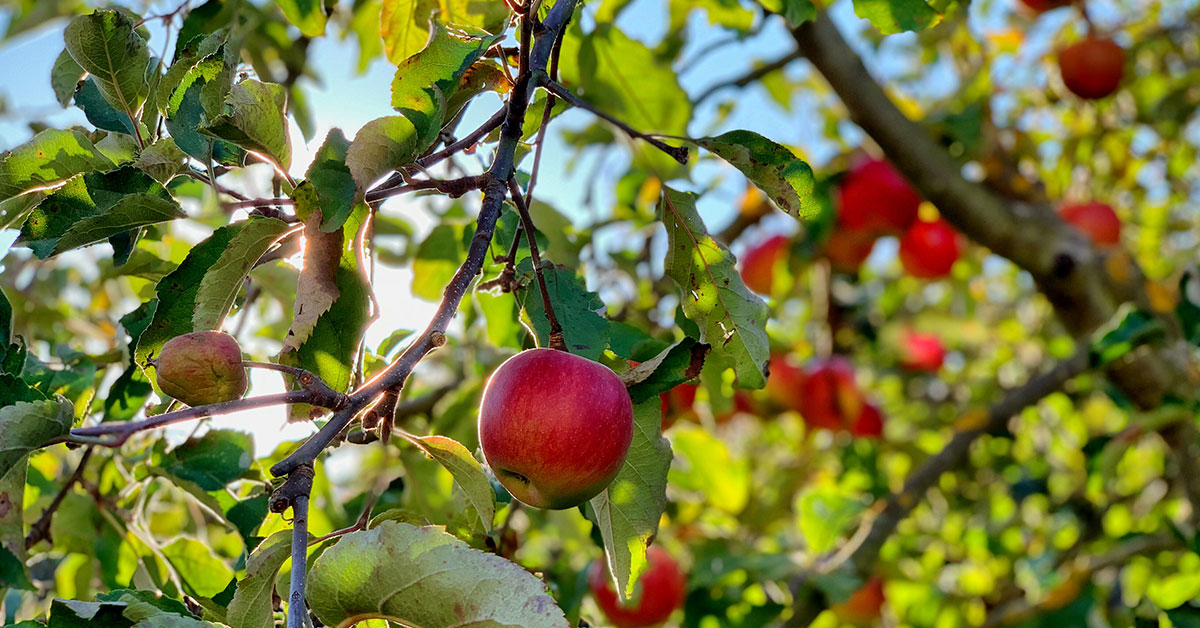

Welcome to our comprehensive guide on the best fruit trees to grow in Texas! With its diverse climate and rich soil, Texas offers an ideal environment for cultivating a wide variety of fruit trees. Whether you are a seasoned gardener or a beginner looking to embark on a fruitful journey, this article will provide you with valuable insights and recommendations on the most suitable fruit trees for the Lone Star State.
From the vibrant citrus trees that thrive in the southern regions to the hardy apple trees that flourish in the north, we will explore the top choices that will ensure a bountiful harvest and bring joy to your garden and table. So, let’s dig in and discover the best fruit trees to grow in Texas!
The best fruit trees to grow in Texas
Best Fruit Trees to Grow in Texas Texas, with its diverse climate and soil conditions, offers an ideal environment for growing a variety of fruit trees. Whether you have a small backyard or a vast orchard, there are several fruit trees that thrive in the Lone Star State. Here are some of the best fruit trees to consider planting in Texas:
- Peach Trees: Peaches are a favorite among Texas gardeners due to their delicious flavor and adaptability to different regions. Varieties such as ‘Texstar,’ ‘Redskin,’ and ‘Elberta’ are well-suited for Texas’ warm climate. These trees require full sun exposure and well-drained soil to produce abundant, juicy peaches.
- Fig Trees: Fig trees are exceptionally well-suited for Texas, as they can tolerate both heat and drought conditions. Varieties like ‘Celeste,’ ‘Texas Everbearing,’ and ‘Brown Turkey’ are popular choices. Fig trees thrive in well-drained soil and require ample sunlight to produce sweet and succulent fruits.
- Pomegranate Trees: Pomegranates are known for their vibrant red fruits and are well-adapted to Texas’ hot and dry climate. Varieties like ‘Wonderful,’ ‘Grenada,’ and ‘Angel Red’ are recommended for their ability to withstand the summer heat. Pomegranate trees prefer well-drained soil and full sun exposure to produce their tangy and antioxidant-rich fruits.
- Persimmon Trees: Persimmon trees are a great addition to any Texas garden, offering both ornamental value and delicious fruits. Varieties such as ‘Fuyu,’ ‘Eureka,’ and ‘Hachiya’ are well-suited for Texas’ climate. Persimmon trees thrive in well-drained soil and require full sun exposure to produce their sweet and flavorful fruits.
- Citrus Trees: Citrus trees, including oranges, lemons, limes, and grapefruits, can be successfully grown in Texas. Varieties like ‘Meyer’ lemon, ‘Satsuma’ orange, and ‘Rio Red’ grapefruit are popular choices. Citrus trees require well-drained soil, regular watering, and protection from freezing temperatures during winter.
- Apple Trees: While apple trees can be more challenging to grow in Texas due to the warm climate, some varieties can still thrive. Low-chill varieties like ‘Anna,’ ‘Dorsett Golden,’ and ‘Einshemer’ are better suited for Texas’ weather conditions. Apple trees require well-drained soil, full sun exposure, and proper pruning to ensure optimal fruit production.
When selecting fruit trees for your Texas garden, consider factors such as your location, soil type, and available sunlight. It’s always recommended to choose disease-resistant varieties and consult with local nurseries or agricultural extension offices for specific cultivars that perform well in your area. With proper care and attention, these best fruit trees to grow in Texas will reward you with bountiful harvests and a beautiful landscape.
Avoid growing these fruit trees in Texas
When it comes to growing fruit trees in Texas, it is important to choose varieties that are well-suited to the region’s unique climate and soil conditions. While there are several fruit trees that thrive in Texas, there are also some varieties that should be avoided due to their inability to withstand the state’s hot summers or susceptibility to common pests and diseases.
Apple trees are generally not recommended for Texas, as they require a significant number of chilling hours during winter that are not typically met in most parts of the state. Additionally, apple trees are prone to diseases such as fire blight, which can be challenging to control in the hot and humid Texas climate.
Cherry trees are another fruit tree that may struggle in Texas. They require a substantial amount of chilling hours and are susceptible to diseases like brown rot, which can be prevalent in the state’s warm and humid conditions.
Peach trees can be a bit of a mixed bag in Texas. While there are varieties that can thrive in certain regions, they are often susceptible to pests like peach tree borers and diseases such as peach leaf curl. It is crucial to choose disease-resistant varieties and implement proper pest management practices to increase the chances of success.
Apricot trees are generally not recommended for Texas due to their high chilling hour requirements and vulnerability to late spring frosts, which are common in many parts of the state.
It is important to note that while these fruit trees may not be the best choices for Texas, there are still many other options available that can thrive and produce abundant harvests in the Lone Star State.
Fruit tree growing tips for Texas
Growing fruit trees in Texas can be a rewarding and fruitful experience. However, it is important to choose the right fruit trees that are well-suited to the Texas climate and soil conditions. Here are some tips and best practices for successfully growing fruit trees in Texas:
- Choose the Best Fruit Trees: When selecting fruit trees for your Texas garden, consider varieties that are known to thrive in the state’s climate. Some of the best fruit trees to grow in Texas include peach trees, apple trees, pear trees, fig trees, and citrus trees like orange, lemon, and lime trees. These trees are well-adapted to the warm summers and mild winters of Texas.
- Consider Chill Hours: Chill hours refer to the number of hours a fruit tree needs at temperatures below 45°F (7°C) to break dormancy and set fruit. In Texas, the number of chill hours varies across different regions. Make sure to select fruit tree varieties that require a suitable number of chill hours for your specific area. For example, low-chill peach varieties like ‘Tropic Snow’ and ‘Flordaprince’ are ideal for South Texas, while high-chill varieties like ‘Babcock’ and ‘Redhaven’ are better suited for North Texas.
- Plant in the Right Location: Fruit trees require full sun exposure to thrive and produce abundant fruit. Choose a location in your garden that receives at least 6-8 hours of direct sunlight each day. Additionally, ensure that the soil is well-draining to prevent waterlogged roots, as excessive moisture can lead to root rot. If your soil is heavy clay, consider amending it with organic matter to improve drainage.
- Provide Adequate Water: While fruit trees are generally drought-tolerant once established, they still require regular watering, especially during the first few years of growth. Water deeply and infrequently, allowing the soil to dry out slightly between waterings. Avoid overwatering, as it can lead to root problems and fungal diseases. Mulching around the base of the tree can help retain soil moisture and regulate temperature.
- Prune Regularly: Pruning fruit trees is essential for maintaining their health, shape, and productivity. Prune during the dormant season (late winter or early spring) to remove dead, damaged, or crossing branches. Proper pruning also helps improve air circulation and sunlight penetration, reducing the risk of diseases.
- Fertilize Appropriately: Fruit trees benefit from regular fertilization to ensure optimal growth and fruit production. Apply a balanced fertilizer specifically formulated for fruit trees in early spring and again in late summer. Follow the manufacturer’s instructions for application rates and timing.
- Pest and Disease Management: Fruit trees in Texas are susceptible to various pests and diseases, such as aphids, scale insects, fungal diseases, and fire blight. Regularly inspect your trees for signs of infestation or disease and take appropriate measures to control them. This may include using organic insecticides, practicing good sanitation, and removing infected branches.
By following these tips and best practices, you can successfully grow the best fruit trees in Texas and enjoy a bountiful harvest for years to come. Remember to research specific varieties and consult with local gardening experts or extension offices for more region-specific advice.