
Welcome to our comprehensive guide on the best fruit trees to grow in Tennessee! Nestled in the heart of the southeastern United States, Tennessee offers a diverse climate that is well-suited for growing a variety of fruit trees. From the rolling hills of the Appalachian Mountains to the fertile valleys of the Tennessee River, this state provides an ideal environment for fruit tree cultivation.
Whether you are an avid gardener or a beginner looking to embark on a fruitful journey, we will explore the top fruit trees that thrive in Tennessee’s unique climate and provide you with tips and insights to ensure a successful harvest. So, grab your gardening tools, and let’s discover the best fruit trees to grow in Tennessee!
The best fruit trees to grow in Tennessee
The climate and soil conditions in Tennessee provide an excellent opportunity for growing a variety of fruit trees. Whether you are a seasoned gardener or a beginner, there are several best fruit trees to grow in Tennessee that can thrive in this region.
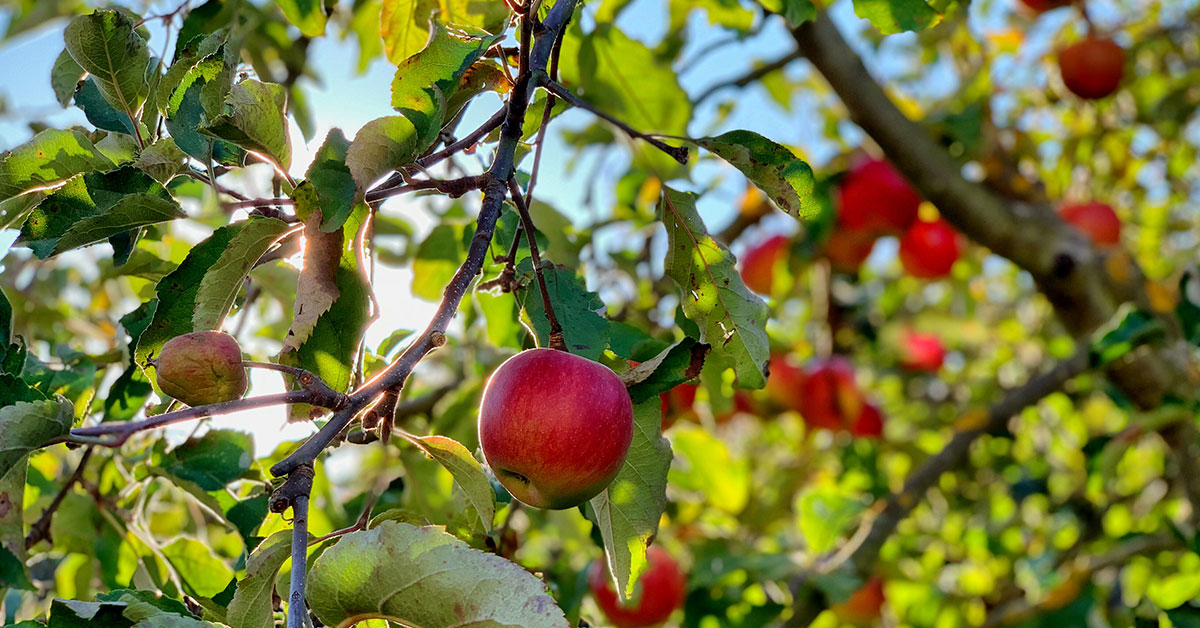
One of the most popular fruit trees to grow in Tennessee is the apple tree. With its wide range of varieties, apples can be grown successfully in different parts of the state. Some recommended apple varieties for Tennessee include ‘Arkansas Black,’ ‘Granny Smith,’ ‘Golden Delicious,’ and ‘Red Rome Beauty.’ These trees require full sun and well-drained soil to produce bountiful harvests.
Another excellent fruit tree choice for Tennessee is the peach tree. Peaches are known for their juicy and flavorful fruits, making them a favorite among many gardeners. Varieties such as ‘Redhaven,’ ‘Elberta,’ ‘Belle of Georgia,’ and ‘Cresthaven’ are well-suited for the Tennessee climate.
Peach trees thrive in areas with full sun exposure and fertile, loamy soil. For those looking for a unique addition to their orchard, the persimmon tree is an excellent option. The persimmon tree produces delicious orange fruits that are rich in flavor. The two main types of persimmons grown in Tennessee are the American persimmon (Diospyros virginiana) and the Asian persimmon (Diospyros kaki). Both varieties can adapt well to the state’s climate and soil conditions.
If you prefer a tree that offers both ornamental beauty and tasty fruits, consider planting a cherry tree. Cherries can be challenging to grow in Tennessee due to their susceptibility to diseases, but with proper care, they can thrive. Recommended cherry varieties for Tennessee include ‘Stella,’ ‘Bing,’ ‘Montmorency,’ and ‘Black Tartarian.’ These trees require well-drained soil, full sun exposure, and regular pruning to maintain their health and productivity.
Lastly, the pear tree is another fruit tree that can be successfully grown in Tennessee. Pears are known for their sweet and juicy fruits, and they can tolerate a wide range of soil conditions. Recommended pear varieties for Tennessee include ‘Bartlett,’ ‘Kieffer,’ ‘Moonglow,’ and ‘Seckel.’ These trees require full sun exposure and well-drained soil to produce abundant harvests.
When selecting fruit trees for your Tennessee garden, it is essential to consider factors such as chill hours, disease resistance, and pollination requirements. Consulting with local nurseries or agricultural extension offices can provide valuable guidance on the best fruit tree varieties for your specific location. With proper care and attention, you can enjoy a fruitful orchard filled with the best fruit trees to grow in Tennessee.
Avoid growing these fruit trees in Tennessee
When it comes to growing fruit trees in Tennessee, there are a few varieties that are best avoided due to the region’s climate and soil conditions. Citrus trees, such as oranges, lemons, and grapefruits, should be avoided as they require a warm and tropical climate that Tennessee cannot provide. These trees are not cold-hardy and would struggle to survive the state’s harsh winters.
Additionally, avocado trees should be avoided in Tennessee. Avocado trees thrive in warm, subtropical climates and are not well-suited for the state’s colder winters. They also require well-drained soil, which is not commonly found in Tennessee.
Mango trees are another fruit tree variety that should be avoided in Tennessee. These trees require a long, hot growing season and are not tolerant of cold temperatures. Tennessee’s climate does not provide the necessary conditions for successful mango tree growth.
Lastly, palm trees, including coconut palms and date palms, should be avoided in Tennessee. These trees are native to tropical and subtropical regions and are not cold-hardy. They require a warm and humid climate that Tennessee cannot offer.
While these fruit trees may be tempting to grow, it is best to focus on varieties that are better suited for Tennessee’s climate and soil conditions. By choosing the right fruit trees, gardeners can ensure successful growth and bountiful harvests.
Fruit tree growing tips for Tennessee
Growing fruit trees in Tennessee can be a rewarding and fruitful experience. The climate and soil conditions in this region are suitable for a variety of fruit trees. Here are some tips and best practices to help you successfully grow the best fruit trees in Tennessee:
- Choose the Right Varieties: When selecting fruit trees for your Tennessee garden, it is crucial to choose varieties that are well-suited to the local climate. Some of the best fruit trees to grow in Tennessee include apple trees (such as Arkansas Black and Granny Smith), peach trees (such as Redhaven and Elberta), cherry trees (such as Bing and Stella), and pear trees (such as Bartlett and Moonglow).
- Consider Chill Hours: Chill hours refer to the number of hours a fruit tree needs to be exposed to temperatures below 45°F in order to break dormancy and produce fruit. In Tennessee, it is important to choose fruit tree varieties that require a lower number of chill hours (around 500-800 hours) to ensure successful fruit production.
- Planting Location: Select a planting location that receives full sun for at least 6-8 hours a day. Fruit trees thrive in well-draining soil, so ensure the planting site has good drainage. Avoid low-lying areas that may retain excess water, as this can lead to root rot and other diseases.
- Soil Preparation: Prior to planting, prepare the soil by incorporating organic matter such as compost or well-rotted manure. This improves soil fertility, drainage, and moisture retention. Conduct a soil test to determine the pH level and nutrient content, and make any necessary amendments to ensure optimal growing conditions for your fruit trees.
- Proper Spacing: Fruit trees need adequate space to grow and develop a strong root system. Follow the recommended spacing guidelines provided by the nursery or the extension service to avoid overcrowding. Proper spacing allows for good air circulation, reducing the risk of diseases.
- Pruning and Training: Regular pruning is essential for maintaining the health and productivity of fruit trees. Prune during the dormant season to remove dead, diseased, or crossing branches, and to shape the tree. Training young trees with proper pruning techniques helps establish a strong framework and encourages fruiting.
- Irrigation and Mulching: Fruit trees require consistent moisture, especially during the growing season. Water deeply and infrequently to encourage deep root growth. Apply a layer of organic mulch around the base of the tree to conserve moisture, suppress weeds, and regulate soil temperature.
- Pest and Disease Management: Monitor your fruit trees regularly for signs of pests and diseases. Common pests in Tennessee include apple maggots, codling moths, and peach tree borers. Implement integrated pest management strategies such as using pheromone traps, practicing good sanitation, and applying organic or chemical controls when necessary.
- Fertilization: Fruit trees benefit from regular fertilization to support healthy growth and fruit production. Apply a balanced fertilizer in early spring before new growth begins, following the recommended rates for your specific tree species. Avoid over-fertilization, as this can lead to excessive vegetative growth and reduced fruiting.
- Winter Protection: Protect your fruit trees during harsh winter conditions by wrapping the trunk with tree wraps or using tree guards. This helps prevent sunscald and damage from freezing temperatures.
By following these tips and best practices, you can successfully grow the best fruit trees in Tennessee and enjoy a bountiful harvest for years to come. Remember to consult local nurseries, extension services, and experienced gardeners for specific advice tailored to your region.