
Welcome to our comprehensive guide on the best fruit trees to grow in South Dakota! While South Dakota’s climate may present some challenges for fruit tree cultivation, there are several varieties that thrive in this region.
Whether you’re a seasoned gardener or a beginner, this article will provide you with valuable insights and recommendations for selecting fruit trees that will flourish in the unique conditions of South Dakota.
From hardy apple trees to delicious cherry varieties, we’ll explore the top choices that will not only survive but also produce bountiful harvests in this beautiful state. So, let’s dive in and discover the best fruit trees to grow in South Dakota!
The best fruit trees to grow in South Dakota
Best Fruit Trees to Grow in South Dakota When it comes to growing fruit trees in South Dakota, it is essential to choose varieties that are well-suited to the region’s unique climate and growing conditions. The following fruit trees have proven to be the most successful and reliable choices for South Dakota gardeners:
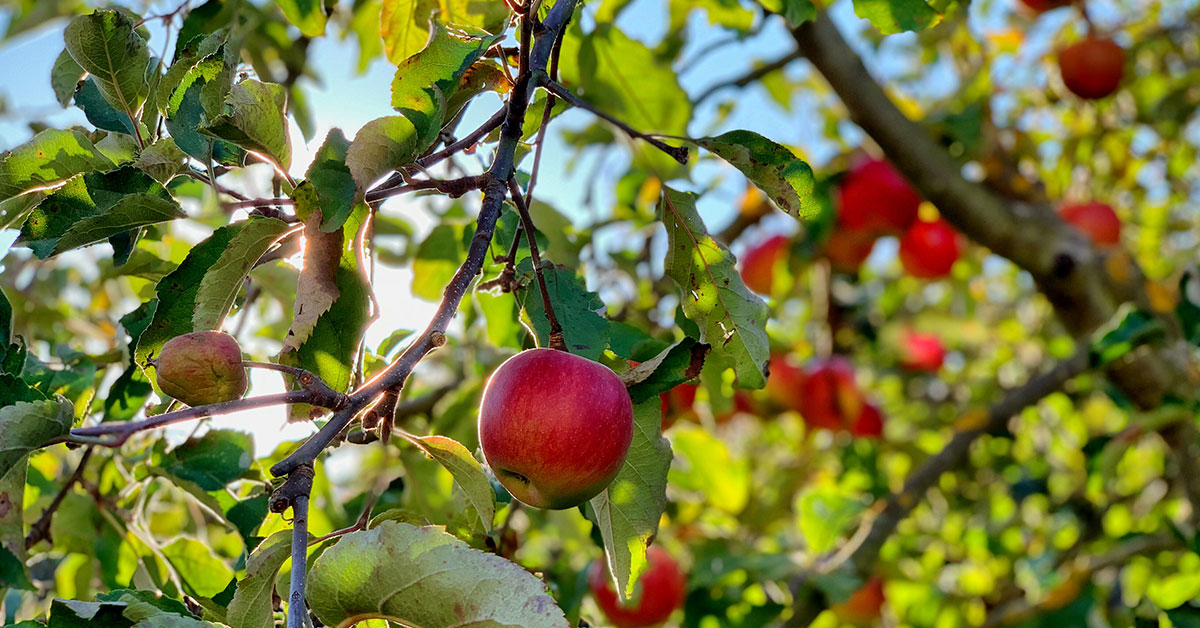
- Apple Trees: Apples are a popular choice for South Dakota due to their adaptability and ability to withstand cold temperatures. Varieties such as Haralson, Honeycrisp, and Prairie Spy have shown excellent performance in the state. These trees require a well-drained soil and full sun exposure to thrive.
- Cherry Trees: Tart cherries, specifically the Montmorency variety, are well-suited to South Dakota’s climate. They are hardy and can tolerate colder temperatures, making them an ideal choice for the region. Cherry trees require a slightly acidic soil and prefer a sunny location.
- Pear Trees: Certain pear tree varieties, such as the Ure and Parker, have demonstrated good adaptability to South Dakota’s climate. These trees require well-drained soil and full sun exposure. It is important to note that pear trees may require cross-pollination for optimal fruit production.
- Plum Trees: Plum trees are another excellent choice for South Dakota gardeners. Varieties like the Toka and Pipestone have shown good cold hardiness and disease resistance. Plum trees prefer well-drained soil and full sun exposure to produce abundant fruit.
- Apricot Trees: Although apricot trees can be more challenging to grow in South Dakota due to their sensitivity to late spring frosts, some varieties have shown promise. Hardy varieties like the Harcot and Moongold have demonstrated better adaptability to the region. Apricot trees require well-drained soil and a sunny location with protection from cold winds.
It is important to note that while these fruit trees have proven successful in South Dakota, they still require proper care and maintenance. Adequate watering, regular pruning, and protection from pests and diseases are essential for ensuring healthy tree growth and bountiful fruit production. Before planting any fruit tree, it is advisable to consult with local nurseries, agricultural extension offices, or experienced gardeners in your area. They can provide valuable insights and recommendations based on the specific microclimates and soil conditions within South Dakota.
Avoid growing these fruit trees in South Dakota
When it comes to growing fruit trees in South Dakota, it is essential to choose varieties that are well-suited to the region’s climate and growing conditions. While there are several fruit trees that thrive in South Dakota, it is equally important to be aware of the trees that should be avoided due to their inability to withstand the state’s harsh winters or other environmental factors.
Citrus trees, such as oranges, lemons, and grapefruits, should generally be avoided in South Dakota. These trees are native to warm, tropical climates and require a long growing season with mild winters. South Dakota’s cold temperatures and short growing season make it challenging for citrus trees to survive and produce fruit.
Avocado trees are another fruit tree that should be avoided in South Dakota. Avocados are native to subtropical regions and require a consistently warm climate to thrive. The cold winters and short summers of South Dakota are not conducive to successful avocado cultivation.
Mango trees are also not recommended for South Dakota. Similar to citrus and avocado trees, mangoes require a warm and tropical climate to grow and produce fruit. The cold temperatures experienced in South Dakota during the winter months make it nearly impossible for mango trees to survive.
Additionally, banana trees are not suitable for South Dakota’s climate. Bananas are tropical plants that require a warm and humid environment to flourish. The cold temperatures and lack of humidity in South Dakota make it extremely challenging for banana trees to grow and bear fruit.
By avoiding these fruit trees that are ill-suited to South Dakota’s climate, gardeners can focus on selecting the best fruit trees to grow in South Dakota that are more adaptable and resilient to the region’s weather conditions.
Fruit tree growing tips
When it comes to growing fruit trees in South Dakota, it’s important to choose varieties that are well-suited to the region’s climate and growing conditions. Here are some tips and best practices to help you successfully cultivate the best fruit trees in South Dakota:
- Select the Right Varieties: Opt for fruit tree varieties that are known to thrive in South Dakota’s climate. Some of the best fruit trees to grow in South Dakota include apple trees (such as Honeycrisp, Haralson, and Prairie Spy), cherry trees (such as North Star and Meteor), plum trees (such as Toka and Stanley), and pear trees (such as Ure and Parker).
- Consider Hardiness: South Dakota experiences cold winters, so it’s crucial to choose fruit tree varieties that are cold hardy. Look for trees with a USDA hardiness zone rating of 4 or lower to ensure they can withstand the freezing temperatures.
- Planting Location: Select a planting location that receives full sun exposure for at least six to eight hours a day. Fruit trees require ample sunlight to produce high-quality fruits. Additionally, choose a well-draining site to prevent waterlogging, as excessive moisture can lead to root rot.
- Soil Preparation: Prior to planting, prepare the soil by incorporating organic matter, such as compost or well-rotted manure. This helps improve soil fertility, drainage, and moisture retention. Conduct a soil test to determine the pH level and make any necessary adjustments to ensure optimal growing conditions for your fruit trees.
- Proper Planting Techniques: Dig a hole that is wide and deep enough to accommodate the tree’s root system. Gently spread out the roots and backfill the hole with soil, ensuring that the tree is planted at the same depth it was in the nursery. Water thoroughly after planting to settle the soil and eliminate any air pockets.
- Adequate Watering: Fruit trees require regular watering, especially during dry periods. Provide deep, thorough watering to ensure the roots receive enough moisture. However, avoid overwatering, as it can lead to root rot. Mulching around the base of the tree helps retain soil moisture and suppress weed growth.
- Pruning and Training: Prune fruit trees during their dormant season (late winter or early spring) to remove dead, damaged, or diseased branches. Proper pruning helps improve air circulation, sunlight penetration, and overall tree health. Additionally, consider training young trees to develop a strong framework and desired shape.
- Pest and Disease Management: Monitor your fruit trees regularly for signs of pests and diseases, such as aphids, apple maggots, or fungal infections. Implement integrated pest management (IPM) practices, including cultural controls, biological controls, and targeted pesticide applications if necessary. Regularly remove fallen fruits and debris to minimize pest and disease pressure.
- Winter Protection: Protect your fruit trees from harsh winter conditions by wrapping the trunks with tree wraps or using protective tree guards. This helps prevent sunscald and rodent damage. Applying a layer of mulch around the base of the tree also helps insulate the roots during freezing temperatures.
- Regular Maintenance: Fruit trees require ongoing care and maintenance. Regularly fertilize your trees with a balanced fruit tree fertilizer according to the manufacturer’s instructions. Prune annually to maintain tree health and shape. Monitor for any signs of stress or nutrient deficiencies and take appropriate actions.
By following these tips and best practices, you can enjoy a bountiful harvest of the best fruit trees to grow in South Dakota. Happy gardening!