
Welcome to our comprehensive guide on the best fruit trees to grow in South Carolina! With its warm climate and fertile soil, this southeastern state provides an ideal environment for a wide variety of fruit trees. Whether you are an experienced gardener or a beginner looking to start your own orchard, South Carolina offers an abundance of options to satisfy your taste buds.
In this article, we will explore the top fruit trees that thrive in the Palmetto State, taking into consideration factors such as adaptability to the local climate, disease resistance, and delicious fruit production. So, let’s dive in and discover the best fruit trees to grow in South Carolina, ensuring a fruitful and rewarding gardening experience!
The best fruit trees to grow in South Carolina
Best Fruit Trees to Grow in South Carolina When it comes to growing fruit trees in South Carolina, it is essential to choose varieties that can thrive in the region’s unique climate and soil conditions. Fortunately, there are several fruit trees that are well-suited for cultivation in South Carolina’s warm and humid climate. Here are some of the best fruit trees to consider for your garden:
- Peach Trees: South Carolina is renowned for its delicious peaches, making them an excellent choice for any backyard orchard. With their vibrant blossoms and juicy, sweet fruit, peach trees are a favorite among gardeners in the state. Varieties such as ‘Redhaven,’ ‘Elberta,’ and ‘Cresthaven’ are well-adapted to South Carolina’s climate and can yield abundant harvests.
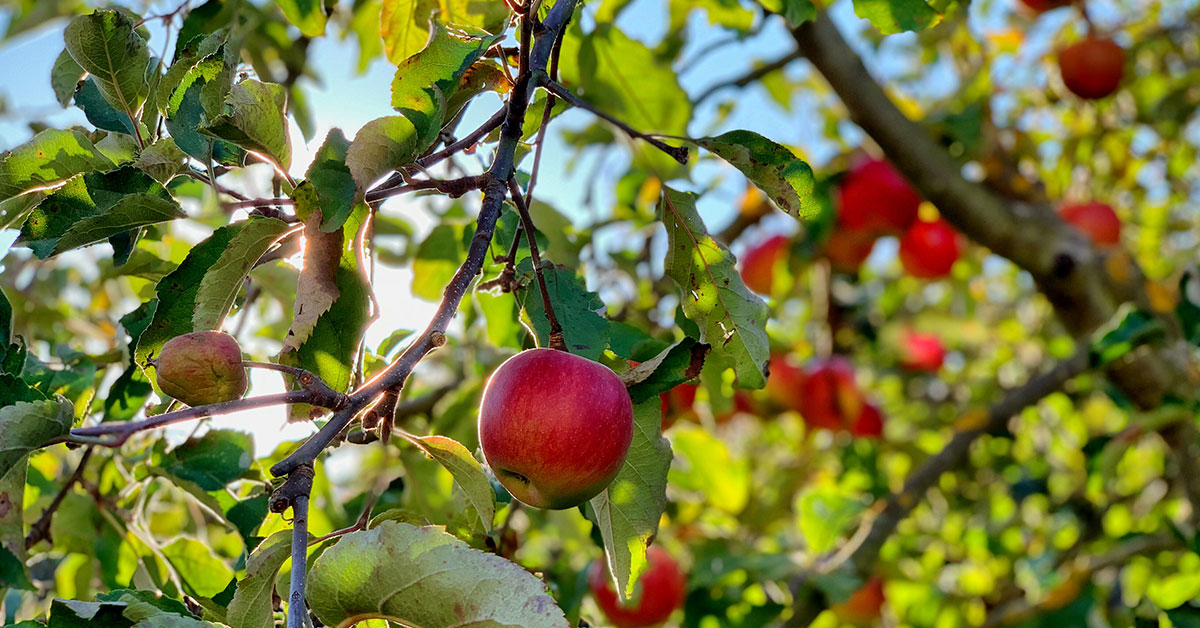
- Apple Trees: While apple trees may require a bit more care and attention in South Carolina, they can still be successfully grown. Look for varieties that are specifically bred for warmer climates, such as ‘Anna,’ ‘Dorsett Golden,’ and ‘Einshemer.’ These apple trees can produce crisp and flavorful fruit, adding a touch of diversity to your orchard.
- Fig Trees: Fig trees are an excellent choice for South Carolina due to their ability to tolerate heat and humidity. Varieties like ‘Celeste,’ ‘Brown Turkey,’ and ‘Chicago Hardy’ are well-suited for the state’s climate. Fig trees are relatively low-maintenance and can provide a bountiful harvest of sweet and succulent fruit.
- Pecan Trees: Pecan trees are native to the southeastern United States, making them an ideal choice for South Carolina gardeners. These majestic trees not only provide shade but also produce delicious and nutritious nuts. Varieties such as ‘Desirable,’ ‘Cape Fear,’ and ‘Elliot’ are well-adapted to the region and can yield abundant pecan crops.
- Pear Trees: Pear trees can thrive in South Carolina’s climate, particularly in the northern parts of the state where winters are slightly cooler. Varieties like ‘Bartlett,’ ‘Kieffer,’ and ‘Moonglow’ are well-suited for South Carolina’s growing conditions. Pear trees offer beautiful blossoms in the spring and delicious fruit that can be enjoyed fresh or used in various culinary creations.
- Plum Trees: Plum trees are another excellent choice for South Carolina gardens, as they are relatively easy to grow and can tolerate the state’s climate. Varieties such as ‘Methley,’ ‘Santa Rosa,’ and ‘Beauty’ are recommended for their adaptability and flavorful fruit. Plum trees can provide an abundant harvest and add a burst of color to your orchard.
When selecting fruit trees for your South Carolina garden, it is crucial to consider factors such as disease resistance, chilling hours required, and pollination requirements. Consulting with local nurseries or agricultural extension offices can provide valuable guidance on the best fruit tree varieties for your specific location. With proper care and attention, these best fruit trees to grow in South Carolina can reward you with a fruitful and beautiful garden for years to come.
Avoid growing these fruit trees in South Carolina
When it comes to selecting fruit trees for your garden in South Carolina, it is important to choose varieties that are well-suited to the region’s climate and growing conditions. While there are many fruit trees that thrive in South Carolina, there are a few varieties that are best avoided due to their limited adaptability to the state’s specific conditions.
Apple trees, for instance, are not the best fruit trees to grow in South Carolina. They require a certain number of chilling hours during winter to break dormancy and set fruit, which can be challenging to achieve in the state’s relatively mild winters. Additionally, apple trees are susceptible to various diseases and pests that are prevalent in the region, making it difficult to maintain healthy trees and achieve a bountiful harvest.
Similarly, cherry trees are not the most suitable choice for South Carolina gardens. Cherries also have specific chilling requirements and are more adapted to colder climates. The state’s warm winters may not provide the necessary chilling hours for cherry trees to thrive and produce abundant fruit. Additionally, cherries are prone to diseases such as brown rot, which can be challenging to manage in South Carolina’s humid conditions.
Another fruit tree to avoid in South Carolina is the peach tree. While peaches are often associated with the southern states, they can be quite challenging to grow successfully in South Carolina. Peach trees require a significant number of chilling hours, and the state’s mild winters may not provide enough cold temperatures for proper dormancy. Moreover, peach trees are highly susceptible to fungal diseases, such as peach leaf curl and brown rot, which are prevalent in the region.
By avoiding these fruit trees that are less suited to South Carolina’s climate and growing conditions, gardeners can focus on selecting the best fruit trees that will thrive and provide a bountiful harvest.
Fruit tree growing tips
When it comes to growing fruit trees in South Carolina, there are several factors to consider to ensure successful cultivation. Here are some tips and best practices to help you grow the best fruit trees in the region:
- Choose the Right Varieties: Selecting the best fruit trees to grow in South Carolina is crucial. Opt for varieties that are well-suited to the region’s climate and soil conditions. Some popular choices include peach trees, apple trees, pear trees, plum trees, and fig trees. These fruit trees thrive in the warm and humid climate of South Carolina.
- Site Selection: Fruit trees require a location with full sun exposure for at least six to eight hours a day. Ensure that the chosen site has good air circulation to prevent diseases. Additionally, consider the soil type and drainage. Fruit trees generally prefer well-drained soil, so avoid areas prone to waterlogging.
- Soil Preparation: Before planting, prepare the soil by removing any weeds, rocks, or debris. Conduct a soil test to determine its pH level and nutrient content. Fruit trees generally prefer slightly acidic to neutral soil with a pH range of 6.0 to 7.0. If necessary, amend the soil with organic matter or lime to adjust the pH and improve fertility.
- Planting: The best time to plant fruit trees in South Carolina is during the dormant season, typically in late winter or early spring. Dig a hole that is wide and deep enough to accommodate the tree’s root system. Place the tree in the hole, ensuring that the bud union (graft) is above the soil line. Backfill the hole with soil, gently firming it around the roots. Water thoroughly after planting.
- Watering: Adequate water is essential for fruit tree growth and productivity. Newly planted trees require regular watering to establish their root systems. Provide deep, infrequent waterings to encourage deep root growth. During dry spells, water deeply once or twice a week. Mulching around the base of the tree helps retain moisture and suppresses weed growth.
- Pruning and Training: Pruning fruit trees is essential for maintaining their health, shape, and productivity. Prune during the dormant season to remove dead, damaged, or crossing branches. Proper training of young trees is crucial to establish a strong framework. Consult pruning guides specific to each fruit tree variety for detailed instructions.
- Pest and Disease Management: South Carolina’s warm and humid climate can make fruit trees susceptible to various pests and diseases. Regularly monitor your trees for signs of pests like aphids, scales, or borers. Implement integrated pest management practices, such as using organic insecticides or attracting beneficial insects. Additionally, practice good sanitation by removing fallen leaves and fruits to prevent disease spread.
- Fertilization: Fruit trees benefit from regular fertilization to ensure optimal growth and fruit production. Conduct a soil test to determine nutrient deficiencies and follow the recommendations. Apply a balanced fertilizer in early spring and again in late summer or early fall. Avoid over-fertilization, as it can lead to excessive vegetative growth at the expense of fruit production.
By following these tips and best practices, you can successfully grow the best fruit trees in South Carolina and enjoy a bountiful harvest of delicious homegrown fruits.