
Welcome to our comprehensive guide on the best fruit trees to grow in Rhode Island! Known for its diverse climate and fertile soil, Rhode Island offers an ideal environment for cultivating a wide range of fruit trees. Whether you are a seasoned gardener or a beginner looking to start your own orchard, this article will provide you with valuable insights and recommendations on the fruit trees that thrive in Rhode Island’s unique conditions.
From the classic apple and pear trees to more exotic options like peach and cherry, we will explore the varieties that are well-suited to Rhode Island’s climate, ensuring a bountiful harvest for years to come. So, let’s dive in and discover the best fruit trees to grow in the beautiful state of Rhode Island!
The best fruit trees to grow in Rhode Island
When it comes to growing fruit trees in Rhode Island, it is essential to choose varieties that are well-suited to the region’s climate and growing conditions. Apple trees, pear trees, peach trees, and cherry trees are among the best fruit trees to grow in Rhode Island.
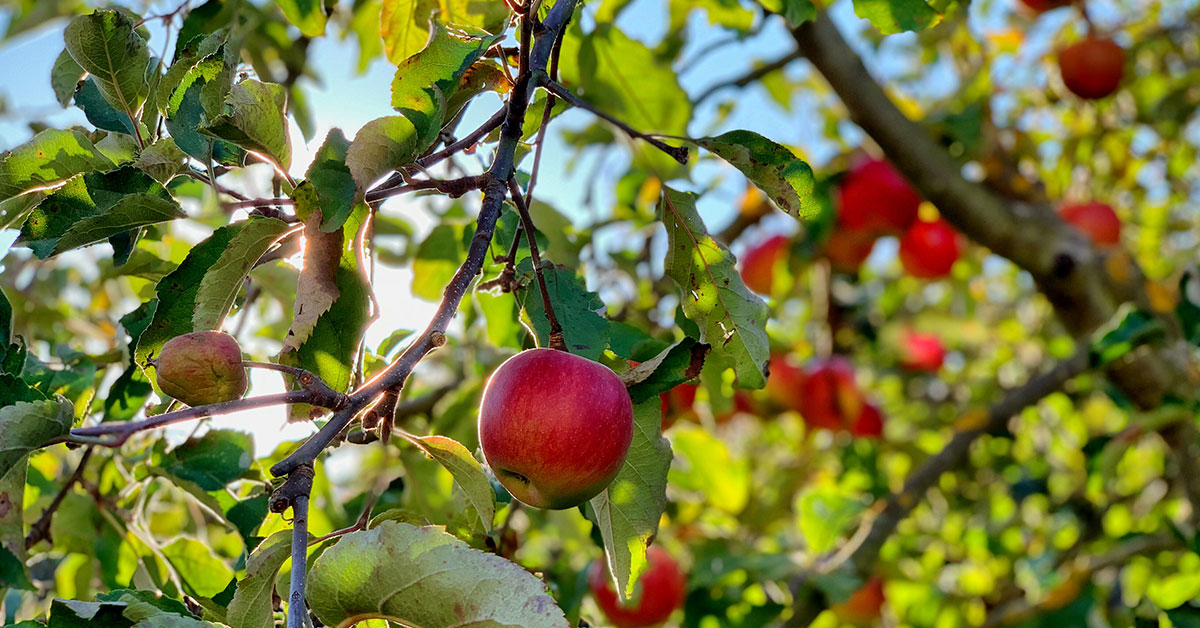
Apple trees are a popular choice for Rhode Island gardens due to their adaptability and ability to thrive in various soil types. Varieties such as ‘McIntosh’, ‘Cortland’, and ‘Empire’ are known to do well in the state. These trees require full sun exposure and well-drained soil to produce abundant, flavorful fruits.
Pear trees are another excellent option for Rhode Island gardeners. Varieties like ‘Bartlett’, ‘Anjou’, and ‘Seckel’ are well-suited to the state’s climate. Pear trees prefer full sun and fertile, well-drained soil. They can be a bit more challenging to grow than apple trees, but with proper care and maintenance, they can yield delicious, juicy fruits.
Peach trees can also thrive in Rhode Island, although they require a bit more attention and care. Varieties such as ‘Redhaven’, ‘Reliance’, and ‘Hale Haven’ are known to do well in the region. Peach trees need full sun exposure, regular watering, and protection from late spring frosts to ensure a bountiful harvest of sweet, succulent peaches.
For those looking to add a touch of sweetness to their Rhode Island gardens, cherry trees are an excellent choice. Varieties like ‘Montmorency’, ‘Bing’, and ‘Stella’ are well-suited to the state’s climate. Cherry trees prefer full sun and well-drained soil. They require regular pruning to maintain their shape and promote fruit production.
When selecting fruit trees for your Rhode Island garden, it is crucial to consider factors such as cold hardiness, disease resistance, and pollination requirements. Consulting with local nurseries or agricultural extension services can provide valuable guidance on the best fruit tree varieties for your specific location. By choosing the right fruit trees and providing them with proper care, you can enjoy a fruitful harvest right in your own backyard.
Avoid growing these fruit trees in Rhode Island
When it comes to growing fruit trees in Rhode Island, it is important to select varieties that are well-suited to the local climate and growing conditions. While there are several fruit trees that thrive in Rhode Island, there are also some varieties that should be avoided due to their inability to withstand the region’s unique challenges.
Citrus trees, such as oranges, lemons, and grapefruits, should generally be avoided in Rhode Island. These trees are native to warmer climates and require a longer growing season with consistently high temperatures. Rhode Island’s cold winters and relatively short growing season make it difficult for citrus trees to survive and produce fruit.
Similarly, avocado trees are not recommended for Rhode Island gardens. Avocado trees are native to tropical and subtropical regions and require a warm and frost-free climate to thrive. Rhode Island’s cold winters and limited heat during the summer months make it challenging for avocado trees to survive and produce fruit.
Mango trees are another fruit tree variety that should be avoided in Rhode Island. Like citrus and avocado trees, mango trees require a warm and tropical climate to flourish. The cold temperatures experienced in Rhode Island during the winter months can severely damage or kill mango trees, making them unsuitable for cultivation in this region.
Lastly, banana trees are not recommended for Rhode Island gardens. While banana trees can be grown in containers and brought indoors during the winter, they still require warm temperatures and high humidity to thrive. Rhode Island’s climate does not provide the necessary conditions for successful banana tree cultivation.
To ensure the best chances of success, it is advisable to focus on fruit trees that are well-adapted to Rhode Island’s climate. There are several varieties of apple trees, pear trees, cherry trees, and plum trees that are known to thrive in Rhode Island. These fruit trees are more resilient to the region’s cold winters and shorter growing season, making them excellent choices for local gardeners.
Fruit tree growing tips
Growing fruit trees in Rhode Island can be a rewarding experience, as the state’s climate and soil conditions are suitable for a variety of fruit tree species. Here are some tips and best practices to help you successfully grow the best fruit trees in Rhode Island:
- Choose the right fruit tree varieties: When selecting fruit trees for your Rhode Island garden, it’s essential to choose varieties that are well-suited to the local climate. Some of the best fruit trees to grow in Rhode Island include apple trees (such as McIntosh, Cortland, and Empire), peach trees (such as Red Haven and Elberta), pear trees (such as Bartlett and Bosc), and cherry trees (such as Bing and Stella).
- Consider disease resistance: Rhode Island’s humid summers can create favorable conditions for various fruit tree diseases. To minimize the risk, select fruit tree varieties that are disease-resistant. For example, some apple tree varieties like Liberty and Enterprise have good resistance to common diseases like apple scab and fire blight.
- Plant in well-drained soil: Fruit trees generally prefer well-drained soil to prevent root rot and other water-related issues. Before planting, ensure that the soil is loose, well-drained, and rich in organic matter. If your soil is heavy clay, consider amending it with compost or other organic materials to improve drainage.
- Provide adequate sunlight: Fruit trees thrive in full sun, so choose a planting location that receives at least 6-8 hours of direct sunlight per day. Avoid planting fruit trees in shaded areas or near tall structures that may cast shadows.
- Prune regularly: Regular pruning is crucial for maintaining the health and productivity of fruit trees. Prune during the dormant season (late winter or early spring) to remove dead or diseased branches, improve airflow, and shape the tree. Pruning also helps to control the tree’s size and promote better fruit production.
- Water appropriately: While fruit trees require regular watering, it’s important not to overwater them. Provide deep, infrequent waterings to encourage deep root growth. Avoid frequent shallow waterings, as they can lead to shallow root development and make the tree more susceptible to drought stress.
- Fertilize as needed: Fruit trees benefit from regular fertilization to ensure healthy growth and abundant fruit production. Conduct a soil test to determine the nutrient needs of your fruit trees and apply a balanced fertilizer accordingly. Follow the recommended application rates and timing for best results.
- Protect against pests: Fruit trees can be susceptible to various pests, such as aphids, codling moths, and apple maggots. Monitor your trees regularly for signs of pest infestation and take appropriate measures to control them. This can include using organic pest control methods, such as insecticidal soaps or horticultural oils, or employing integrated pest management techniques.
By following these tips and best practices, you can successfully grow the best fruit trees in Rhode Island and enjoy a bountiful harvest of delicious homegrown fruits.