
Are you a gardening enthusiast in Pennsylvania looking to add some fruitful beauty to your backyard? Look no further! In this article, we will explore the best fruit trees to grow in Pennsylvania. With its diverse climate and fertile soil, Pennsylvania offers an ideal environment for a wide variety of fruit trees. Whether you are a beginner or an experienced gardener, there are fruit trees that will thrive in your garden and provide you with a bountiful harvest.
From apple and cherry trees to peach and pear trees, we will discuss the top choices that are well-suited for Pennsylvania’s unique growing conditions. So, let’s dive in and discover the perfect fruit trees to transform your garden into a fruitful paradise!
The best fruit trees to grow in Pennsylvania
The diverse climate and fertile soil of Pennsylvania make it an ideal region for growing a wide variety of fruit trees. However, certain fruit trees thrive particularly well in the Pennsylvania climate. If you are considering planting fruit trees in your Pennsylvania garden, here are some best fruit trees to grow in Pennsylvania.
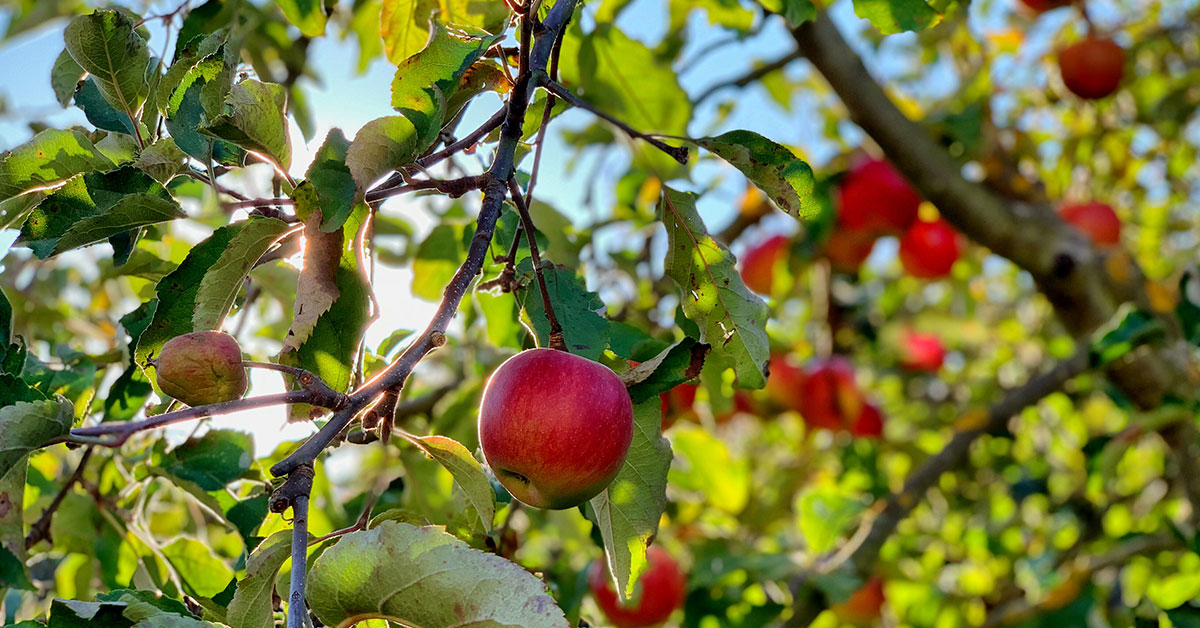
Apple Trees: Apples are undoubtedly one of the most popular fruit trees to grow in Pennsylvania. With a wide range of apple varieties available, you can choose from sweet, tart, or crisp apples depending on your preference. Some recommended apple tree varieties for Pennsylvania include Honeycrisp, Gala, Fuji, and Granny Smith.
Pear Trees: Pears are another excellent choice for Pennsylvania gardens. They are relatively easy to grow and produce delicious fruits. Varieties like Bartlett, Anjou, and Bosc are well-suited to the Pennsylvania climate. Pear trees require cross-pollination, so make sure to plant at least two compatible varieties for optimal fruit production.
Cherry Trees: Cherries are a delightful addition to any garden, and several cherry tree varieties thrive in Pennsylvania. Both sweet and sour cherries can be successfully grown in the state. Popular sweet cherry varieties include Bing, Rainier, and Stella, while sour cherries like Montmorency are well-suited for baking and preserving.
Peach Trees: Despite their sensitivity to late frosts, peaches can still be grown successfully in Pennsylvania. Choose peach tree varieties that have a lower chilling requirement, such as Redhaven, Contender, or Reliance. These varieties are more likely to bloom and set fruit before the risk of late spring frosts.
Plum Trees: Plums are an excellent choice for Pennsylvania gardens, as they are hardy and relatively disease-resistant. European plum varieties like Stanley and Italian prune are well-suited to the state’s climate. Japanese plum varieties such as Methley and Shiro are also suitable options.
Apricot Trees: While apricots can be challenging to grow in Pennsylvania due to their early blooming habit, some varieties can still thrive. Choose cold-hardy apricot varieties like Moorpark or Sungold, which have a better chance of withstanding late frosts.
When selecting fruit trees for your Pennsylvania garden, consider factors such as disease resistance, pollination requirements, and chilling hours needed for optimal fruit production. Additionally, ensure that you provide proper care, including regular pruning, watering, and pest management, to help your fruit trees thrive and yield bountiful harvests.
Avoid growing these fruit trees in Pennsylvania
When it comes to growing fruit trees in Pennsylvania, there are certain varieties that are better suited to the region’s climate and conditions. However, it is equally important to be aware of the fruit trees that should be avoided in Pennsylvania due to their inability to thrive or produce satisfactory yields. Here are some fruit trees that are not recommended for cultivation in Pennsylvania:
Citrus Trees: Citrus trees, including oranges, lemons, and grapefruits, are not suitable for Pennsylvania’s climate. These trees require warm temperatures and a longer growing season than what Pennsylvania can provide. They are highly sensitive to frost and cold temperatures, making it challenging to sustain their growth and fruit production.
Avocado Trees: Avocado trees are native to tropical and subtropical regions, and they require a consistently warm climate to thrive. Pennsylvania’s cold winters and fluctuating temperatures make it unsuitable for growing avocado trees. These trees are not frost-tolerant and are unlikely to survive the harsh winters of the state.
Mango Trees: Similar to avocado trees, mango trees are tropical plants that require warm temperatures and high humidity. Pennsylvania’s climate does not provide the necessary conditions for mango trees to flourish. The cold winters and limited heat in the summer prevent mango trees from producing fruit successfully.
Pineapple Trees: Pineapple trees are another tropical fruit tree that is not suitable for Pennsylvania’s climate. They require a warm, tropical environment with a long growing season. The state’s cooler temperatures and shorter summers make it challenging for pineapple trees to develop and produce fruit.
Banana Trees: Although banana trees can be grown as ornamental plants in Pennsylvania, they are unlikely to produce edible fruit due to the region’s climate limitations. Banana trees require a consistently warm and humid climate, which is not typically found in Pennsylvania. The state’s colder winters and shorter growing season make it difficult for banana trees to bear fruit.
By avoiding these fruit trees in Pennsylvania, gardeners can focus on selecting the best fruit trees to grow in Pennsylvania that are well-suited to the state’s climate and can provide abundant harvests.
Fruit tree growing tips for Pennsylvania
Growing fruit trees in Pennsylvania can be a rewarding and fruitful experience. To ensure success, it’s important to choose the best fruit trees for this region and follow some key tips and best practices. Here are some recommendations to help you get started:
- Choose the right fruit tree varieties: When selecting fruit trees for Pennsylvania, it’s crucial to consider the climate and growing conditions. Some of the best fruit trees to grow in Pennsylvania include apple trees (such as Honeycrisp, Gala, and Granny Smith), peach trees (such as Redhaven and Elberta), cherry trees (such as Bing and Stella), and pear trees (such as Bartlett and Anjou). These varieties are well-suited to Pennsylvania’s climate and can thrive in the state’s growing zones.
- Consider disease-resistant varieties: Pennsylvania’s humid climate can make fruit trees susceptible to various diseases. To minimize the risk, choose disease-resistant varieties whenever possible. For example, there are apple tree varieties like Liberty and Enterprise that are known for their resistance to common diseases like apple scab and fire blight. Disease-resistant varieties can help reduce the need for chemical treatments and ensure healthier trees.
- Plant in the right location: Fruit trees require a location with full sun exposure (at least six hours of direct sunlight per day) and well-drained soil. Before planting, ensure the soil is fertile and has good drainage. Avoid low-lying areas that may be prone to frost pockets or poor air circulation, as this can increase the risk of frost damage and disease. Additionally, consider the tree’s mature size and provide adequate spacing to allow for proper growth and airflow.
- Prune regularly: Pruning is essential for maintaining the health and productivity of fruit trees. Prune during the dormant season (late winter or early spring) to remove dead, damaged, or diseased branches. Proper pruning helps improve air circulation, sunlight penetration, and fruit production. Additionally, it helps shape the tree and maintain its size for easier maintenance and harvesting.
- Implement proper pest and disease management: Fruit trees in Pennsylvania are susceptible to various pests and diseases, such as apple maggots, codling moths, and brown rot. Implement integrated pest management (IPM) practices, including regular monitoring, proper sanitation, and the use of organic or chemical controls when necessary. Regularly inspect your trees for signs of pests or diseases and take appropriate action to prevent or treat them.
- Provide adequate irrigation and mulching: Fruit trees require consistent moisture, especially during the growing season. Water deeply and regularly, especially during dry periods, to ensure the roots receive sufficient moisture. Mulching around the base of the tree helps retain soil moisture, suppress weeds, and regulate soil temperature. Apply a layer of organic mulch, such as wood chips or straw, around the base of the tree, leaving a gap around the trunk to prevent rot.
- Fertilize appropriately: Fruit trees benefit from regular fertilization to ensure healthy growth and fruit production. Conduct a soil test to determine the nutrient deficiencies and adjust your fertilization program accordingly. Generally, it’s recommended to apply a balanced fertilizer in early spring before new growth begins. Avoid excessive nitrogen fertilization, as it can lead to excessive vegetative growth at the expense of fruit production.
By following these tips and best practices, you can successfully grow the best fruit trees in Pennsylvania and enjoy a bountiful harvest for years to come. Remember to stay informed about specific care requirements for the fruit tree varieties you choose, as each may have unique needs. Happy gardening!