
Welcome to our comprehensive guide on the best fruit trees to grow in Oregon! With its mild climate and fertile soil, Oregon is a paradise for fruit tree enthusiasts. Whether you are an experienced gardener or a beginner with a green thumb, this article will help you choose the perfect fruit trees that thrive in the unique conditions of the Pacific Northwest.
From the iconic apple trees to lesser-known varieties, we will explore the top fruit trees that not only survive but also flourish in Oregon’s diverse landscapes. So, let’s dive in and discover the delightful world of fruit trees that will bring joy and abundance to your Oregon garden!
The best fruit trees to grow in Oregon
When it comes to growing fruit trees in Oregon, it is essential to choose varieties that are well-suited to the region’s unique climate and growing conditions. The best fruit trees to grow in Oregon are those that can withstand the state’s cool, wet winters and mild summers while still producing abundant and flavorful fruit. Here are some top picks for fruit trees that thrive in Oregon:
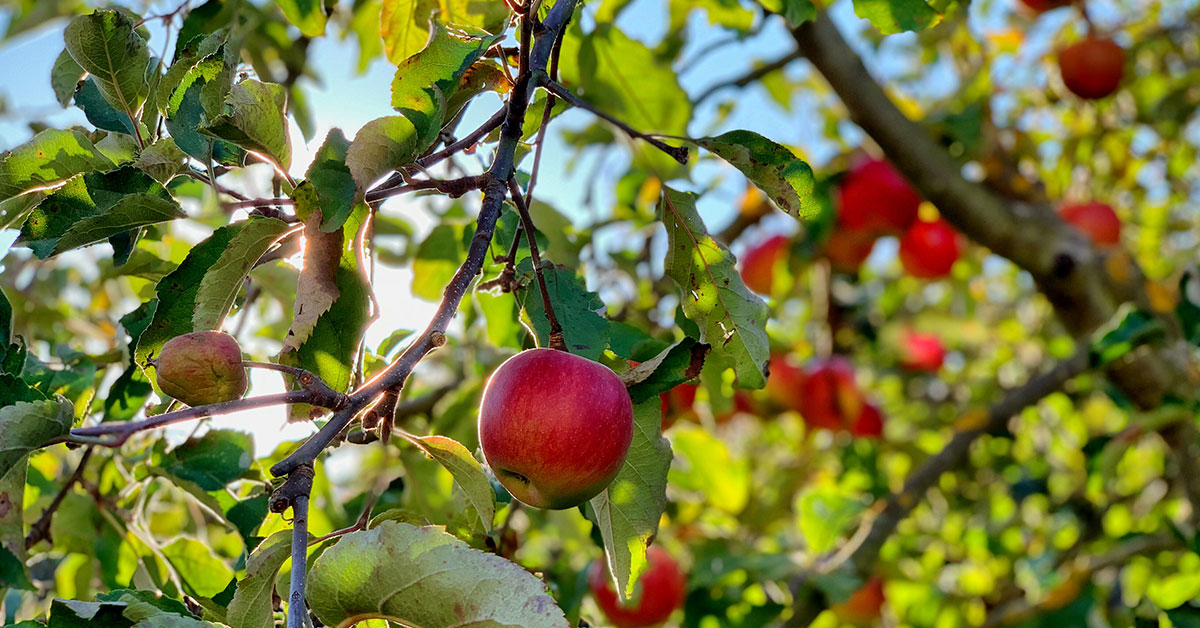
- Apple Trees: Apples are a classic choice for Oregon gardeners, as they are well-adapted to the state’s climate. Varieties such as ‘Gravenstein,’ ‘Honeycrisp,’ and ‘Liberty’ are known to perform exceptionally well in Oregon’s orchards. With proper care, apple trees can produce bountiful harvests of crisp and juicy fruit.
- Pear Trees: Pears are another excellent choice for Oregon gardeners, as they are relatively easy to grow and can tolerate the state’s cool, damp conditions. Varieties like ‘Bartlett,’ ‘Anjou,’ and ‘Comice’ are popular choices that thrive in Oregon’s climate. These trees offer delicious, sweet fruit that can be enjoyed fresh or used in various culinary creations.
- Cherry Trees: Oregon’s climate is ideal for growing cherries, and the state is renowned for its delicious cherry orchards. Varieties such as ‘Bing,’ ‘Rainier,’ and ‘Stella’ are well-suited to Oregon’s conditions. These trees produce plump, flavorful cherries that are perfect for snacking, baking, or preserving.
- Plum Trees: Plums are a fantastic addition to any Oregon garden, as they are relatively low-maintenance and can thrive in a variety of soil types. Varieties like ‘Italian,’ ‘Santa Rosa,’ and ‘Shiro’ are popular choices for Oregon gardeners. These trees yield juicy, sweet plums that are perfect for enjoying fresh or using in jams and desserts.
- Peach Trees: Although peaches can be a bit more challenging to grow in Oregon due to the state’s cooler climate, there are still varieties that can thrive in certain regions. Look for cold-hardy varieties such as ‘Reliance,’ ‘Frost,’ or ‘Redhaven’ that are better adapted to Oregon’s conditions. With proper site selection and protection from late frosts, these trees can produce delicious, juicy peaches.
- Apricot Trees: While apricots can be more challenging to grow in Oregon due to their early bloom time and susceptibility to late frosts, certain varieties can still be successful. Look for cold-hardy varieties like ‘Moongold’ or ‘Perfection’ that have a better chance of withstanding Oregon’s climate. These trees offer sweet, tangy apricots that are perfect for fresh eating or preserving.
When selecting fruit trees for your Oregon garden, it is crucial to consider factors such as disease resistance, chilling requirements, and pollination needs. Consulting with local nurseries or agricultural extension services can provide valuable guidance on the best fruit tree varieties for your specific location within Oregon. By choosing the right fruit trees and providing them with proper care, you can enjoy a fruitful harvest year after year.
Avoid growing these fruit trees in Oregon
When it comes to growing fruit trees in Oregon, there are a few varieties that are best to avoid due to the region’s unique climate and growing conditions. While Oregon offers favorable conditions for many fruit trees, some may struggle to thrive or produce a bountiful harvest. Here are a few fruit trees that should be avoided in Oregon:
- Citrus Trees: Citrus trees, including oranges, lemons, and grapefruits, are not suitable for Oregon’s climate. These trees require warm temperatures and a longer growing season than what Oregon can provide. The cool, wet winters and mild summers make it challenging for citrus trees to survive and produce fruit.
- Peach Trees: Although peaches can grow in Oregon, they are prone to several diseases and pests that thrive in the region’s damp climate. Peach leaf curl, brown rot, and peach tree borers are common challenges faced by peach trees in Oregon. While some varieties may be more resistant, it is generally best to avoid planting peach trees in this area.
- Apricot Trees: Apricots are another fruit tree that may struggle in Oregon’s climate. These trees require a certain number of chilling hours during winter to produce fruit successfully. Oregon’s mild winters may not provide enough chilling hours, leading to poor fruit set and reduced yields.
- Mango Trees: Similar to citrus trees, mango trees are tropical plants that require warm temperatures and a long growing season. Oregon’s cooler climate and shorter summers make it unsuitable for growing mango trees outdoors. These trees are better suited for greenhouse cultivation in this region.
- Avocado Trees: Avocado trees are highly sensitive to cold temperatures and frost. Oregon’s winters can be too harsh for avocado trees to survive, especially in areas with colder temperatures. Unless grown in a protected environment, such as a greenhouse, avocado trees should be avoided in Oregon.
While these fruit trees may not be the best choices for Oregon, there are plenty of other fruit trees that thrive in this region. Apples, pears, cherries, plums, and berries are among the best fruit trees to grow in Oregon due to their adaptability to the climate and ability to withstand the region’s winter conditions.
Fruit tree growing tips for Oregon
Growing fruit trees in Oregon can be a rewarding and fruitful experience. The state’s moderate climate and fertile soil make it an ideal location for a wide variety of fruit trees. Here are some tips and best practices to help you successfully grow the best fruit trees in Oregon:
- Choose the right fruit tree varieties: Selecting the appropriate fruit tree varieties that are well-suited for Oregon’s climate is crucial. Some of the best fruit trees to grow in Oregon include apple trees, pear trees, cherry trees, plum trees, and peach trees. Make sure to choose disease-resistant varieties to minimize the risk of common fruit tree diseases in the region.
- Consider chill hours: Most fruit trees require a certain number of chill hours to break dormancy and set fruit. Oregon’s climate offers a good number of chill hours, but it’s still important to choose fruit tree varieties that match the average chill hours in your specific area. Consult with local nurseries or agricultural extension offices to determine the appropriate chill hour requirements for your region.
- Plant in the right location: Fruit trees thrive in well-drained soil with full sun exposure. Before planting, ensure that the chosen location receives at least six hours of direct sunlight per day. Avoid low-lying areas prone to frost pockets or areas with poor drainage, as excess moisture can lead to root rot and other diseases.
- Prepare the soil: Prior to planting, prepare the soil by removing weeds, rocks, and debris. Oregon’s soil is generally fertile, but it’s beneficial to amend it with organic matter such as compost or well-rotted manure. This improves soil structure, drainage, and nutrient availability for the fruit trees.
- Prune regularly: Pruning is essential for maintaining the health and productivity of fruit trees. Prune during the dormant season (late winter or early spring) to remove dead, damaged, or crossing branches. This helps improve air circulation, sunlight penetration, and overall tree shape. Pruning also promotes fruit production and reduces the risk of diseases.
- Provide adequate water: Fruit trees require regular watering, especially during the dry summer months. Deep watering is preferable to frequent shallow watering, as it encourages deep root growth. Use mulch around the base of the tree to retain moisture and suppress weed growth. However, be cautious not to overwater, as excessive moisture can lead to root diseases.
- Implement pest and disease management: Oregon’s climate can be conducive to certain pests and diseases that affect fruit trees. Monitor your trees regularly for signs of pests like aphids, codling moths, or fungal diseases such as apple scab or powdery mildew. Implement integrated pest management strategies, including cultural practices, organic sprays, or beneficial insects, to manage these issues effectively.
- Harvest at the right time: Each fruit tree has its own specific harvesting time. Familiarize yourself with the optimal ripeness indicators for the fruit trees you are growing. Harvesting at the right time ensures the best flavor and quality of the fruit.
By following these tips and best practices, you can successfully grow the best fruit trees in Oregon and enjoy a bountiful harvest year after year. Remember to stay informed about local conditions, seek advice from local experts, and adapt your practices accordingly for optimal results.