
Welcome to our comprehensive guide on the best fruit trees to grow in North Dakota! While North Dakota’s climate may present some challenges for fruit tree cultivation, there are several varieties that thrive in this region. With its cold winters and short growing season, it is crucial to choose fruit trees that are hardy, disease-resistant, and capable of producing delicious fruits.
In this article, we will explore a selection of fruit trees that are well-suited to North Dakota’s unique climate and provide you with tips and insights to help you successfully grow and enjoy a fruitful harvest. Whether you are an experienced gardener or a beginner, this guide will assist you in selecting the perfect fruit trees for your North Dakota garden. So, let’s dive in and discover the best fruit trees to grow in North Dakota!
The best fruit trees to grow in North Dakota
The climate in North Dakota can be quite challenging for growing fruit trees, but with careful selection, it is possible to cultivate a fruitful orchard. When considering which fruit trees to grow in North Dakota, it is crucial to choose varieties that are hardy, disease-resistant, and capable of withstanding the region’s harsh winters. Here are some of the best fruit trees to grow in North Dakota:
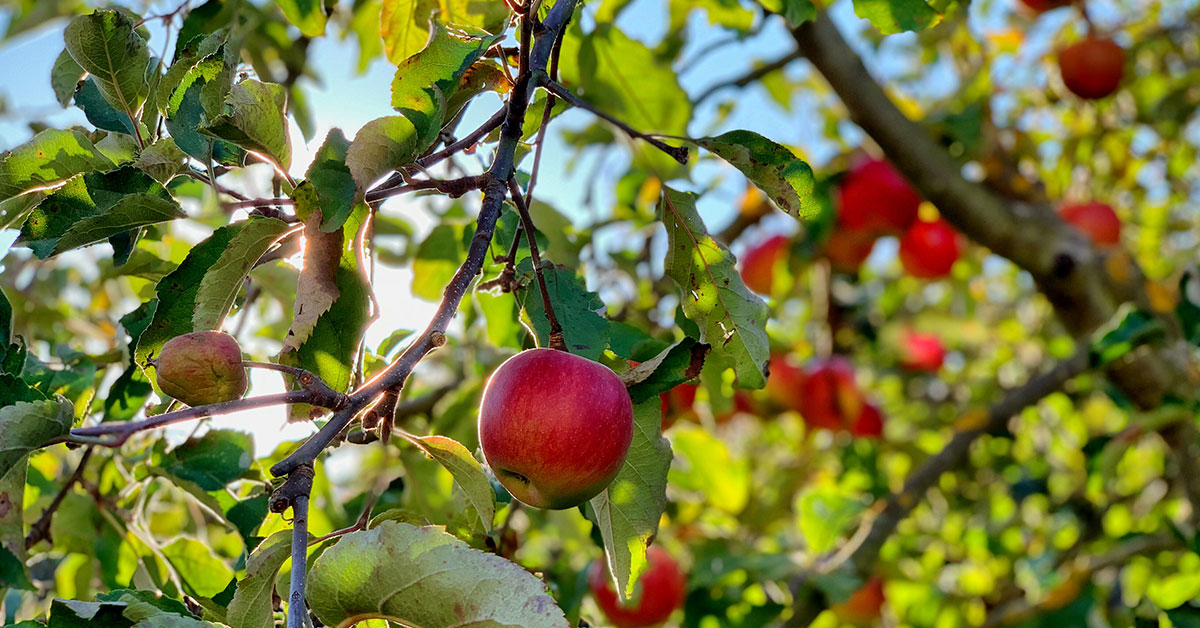
- Apple Trees – Apples are a popular choice for North Dakota due to their versatility and ability to thrive in colder climates. Varieties such as Haralson, Honeycrisp, and Prairie Magic are known to perform well in the state. These trees require cross-pollination, so it is advisable to plant at least two different apple varieties for optimal fruit production.
- Cherry Trees – Sour cherries, specifically the Montmorency variety, are well-suited for North Dakota. They are highly adaptable and can tolerate the state’s fluctuating temperatures. Montmorency cherries are excellent for baking, preserving, or enjoying fresh off the tree.
- Plum Trees – Plum trees, particularly the American plum (Prunus americana), are a great choice for North Dakota. They are native to the region and have adapted to the local climate. American plums produce small, tart fruits that are perfect for making jams, jellies, or even wine.
- Pear Trees – Certain pear varieties can thrive in North Dakota, although they may require some extra care and protection during the winter months. Cold-hardy varieties like Ure, Parker, and Luscious are recommended for their ability to withstand the state’s harsh conditions.
- Apricot Trees – While apricots can be challenging to grow in North Dakota, some varieties have shown promise. Cold-hardy cultivars like Moorpark and Goldcot have been successful in the region, but it is important to note that they may still require additional winter protection.
- Pluot Trees – Pluots, a hybrid of plums and apricots, can also be grown in North Dakota. Varieties like Dapple Dandy and Flavor Supreme have demonstrated good adaptability to the state’s climate. Pluots offer a unique flavor profile, combining the sweetness of plums with the tanginess of apricots.
Remember, when planting fruit trees in North Dakota, it is essential to choose disease-resistant rootstocks and provide proper care, including regular watering, fertilization, and pruning. Additionally, consider planting trees in protected locations, such as against a south-facing wall or near windbreaks, to shield them from the harsh winter winds. With careful selection and proper maintenance, you can enjoy a bountiful harvest of delicious fruits from your very own orchard in North Dakota.
Avoid growing these fruit trees in North Dakota
When it comes to growing fruit trees in North Dakota, it is important to consider the specific climate and growing conditions of the region. While there are several fruit trees that can thrive in North Dakota, there are also some varieties that should be avoided due to their inability to withstand the harsh winters and short growing season.
Citrus trees, such as oranges, lemons, and grapefruits, should be avoided in North Dakota. These trees require warm and tropical climates, which are not typically found in this region. North Dakota’s cold winters and limited growing season make it extremely challenging for citrus trees to survive and produce fruit.
Similarly, avocado trees are not suitable for North Dakota’s climate. Avocado trees thrive in warm and subtropical regions, and they require a longer growing season than what is available in this northern state. The cold temperatures and frosty conditions of North Dakota make it difficult for avocado trees to survive, let alone bear fruit.
Another fruit tree to avoid in North Dakota is the mango tree. Mango trees are native to tropical climates and require a consistently warm environment to grow and produce fruit. North Dakota’s climate, with its cold winters and short growing season, is simply not conducive to successful mango cultivation.
Lastly, banana trees should be avoided in North Dakota. Banana trees are highly sensitive to cold temperatures and frost, which are common occurrences in this region. These trees require a warm and tropical climate, with temperatures consistently above freezing, to thrive and produce fruit. Unfortunately, North Dakota’s climate does not meet these requirements.
While it may be tempting to try and grow these exotic fruit trees in North Dakota, it is important to choose varieties that are better suited to the region’s climate. By selecting the best fruit trees to grow in North Dakota, gardeners can ensure a successful and fruitful harvest.
Fruit tree growing tips
Growing fruit trees in North Dakota can be a rewarding experience, but it does come with its own set of challenges. The harsh winters and short growing season require careful selection of fruit tree varieties that are hardy and can withstand the region’s climate. Here are some tips and best practices for successfully growing fruit trees in North Dakota:
- Choose the right fruit tree varieties: When selecting fruit trees for your North Dakota garden, it is crucial to choose varieties that are cold-hardy and can tolerate the region’s winter temperatures. Some of the best fruit trees to grow in North Dakota include apple trees (such as Haralson, Honeycrisp, and Prairie Magic), cherry trees (such as North Star and Meteor), plum trees (such as Toka and Pembina), and pear trees (such as Ure and Parker).
- Consider rootstock selection: In addition to selecting cold-hardy fruit tree varieties, choosing the appropriate rootstock is equally important. Rootstocks determine the tree’s ultimate size, vigor, and adaptability to different soil conditions. For North Dakota’s climate, look for rootstocks that are hardy and can withstand cold temperatures, such as Antonovka or Budagovsky.
- Planting location and soil preparation: Fruit trees thrive in well-drained soil with good fertility. Choose a planting location that receives full sun exposure and is sheltered from strong winds. Before planting, prepare the soil by removing any weeds or grass and incorporating organic matter, such as compost or well-rotted manure, to improve soil structure and fertility.
- Proper planting techniques: When planting fruit trees, dig a hole that is wide and deep enough to accommodate the tree’s root system. Avoid planting too deep, as this can lead to poor growth and increased susceptibility to diseases. After planting, water the tree thoroughly and apply a layer of mulch around the base to conserve moisture and suppress weed growth.
- Pruning and training: Pruning is essential for shaping fruit trees, promoting airflow, and maintaining overall tree health. Prune fruit trees during the dormant season, typically in late winter or early spring before new growth begins. Remove any dead, damaged, or crossing branches, and aim for an open center or modified central leader shape to allow sunlight penetration and air circulation.
- Pest and disease management: Fruit trees in North Dakota may face various pests and diseases, such as apple maggots, codling moths, fire blight, and powdery mildew. Regular monitoring and early detection are crucial for effective pest and disease management. Implement integrated pest management (IPM) practices, including cultural controls, such as proper sanitation and regular tree inspections, and consider using organic or chemical controls when necessary.
- Winter protection: Protecting fruit trees from harsh winter conditions is vital in North Dakota. Apply a layer of mulch around the base of the tree to insulate the roots and prevent frost heaving. Consider wrapping the trunk with tree wrap or using tree guards to protect against sunscald and rodent damage. Additionally, avoid late-season fertilization, as it can stimulate new growth that may be susceptible to winter damage.
By following these tips and best practices, you can increase your chances of successfully growing fruit trees in North Dakota. Remember to stay informed about local climate conditions, seek advice from local gardening experts or extension services, and adapt your practices accordingly. Happy fruit tree gardening!