
Welcome to our comprehensive guide on the best fruit trees to grow in North Carolina! With its diverse climate and fertile soil, North Carolina offers an ideal environment for cultivating a wide variety of fruit trees. Whether you are an experienced gardener or a beginner looking to start your own orchard, this article will provide you with valuable insights and recommendations on the fruit trees that thrive in the Tar Heel State.
From the iconic apple trees to the lesser-known but equally delicious persimmon and pawpaw trees, we will explore the top choices that will not only yield bountiful harvests but also add beauty to your landscape. So, let’s dive in and discover the best fruit trees to grow in North Carolina!
The best fruit trees to grow in North Carolina
When it comes to growing fruit trees in North Carolina, there are several varieties that thrive in the state’s climate and soil conditions. Whether you have a large backyard or a small urban garden, apple trees, peach trees, and pear trees are among the best fruit trees to consider for successful cultivation.
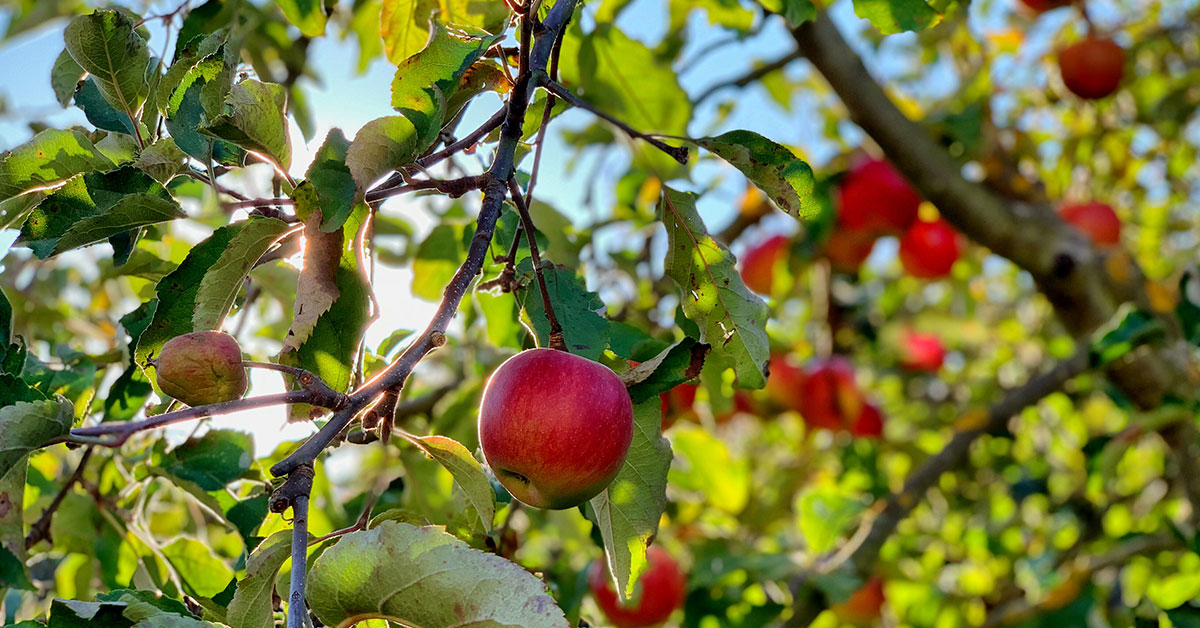
Apple trees are a popular choice for North Carolina gardeners due to their adaptability and wide range of varieties. They require a chilling period during winter, making them well-suited for the state’s climate. Some recommended apple tree varieties for North Carolina include ‘Arkansas Black,’ ‘Fuji,’ ‘Golden Delicious,’ and ‘Granny Smith.’ These trees not only provide delicious fruit but also offer beautiful blossoms in the spring.
Peach trees are another excellent option for North Carolina gardens, as they thrive in the state’s warm summers and mild winters. They require well-drained soil and full sun exposure to produce abundant, juicy fruits. Some recommended peach tree varieties for North Carolina include ‘Elberta,’ ‘Redhaven,’ ‘Belle of Georgia,’ and ‘Cresthaven.’ These trees offer a burst of color with their vibrant pink blossoms in the spring.
Pear trees are known for their sweet and juicy fruits, making them a delightful addition to any North Carolina garden. They prefer well-drained soil and full sun to partial shade. Some recommended pear tree varieties for North Carolina include ‘Bartlett,’ ‘Moonglow,’ ‘Kieffer,’ and ‘Orient.’ These trees also produce beautiful white blossoms in the spring, adding aesthetic appeal to your garden.
When selecting fruit trees for your North Carolina garden, it’s important to consider factors such as disease resistance, pollination requirements, and the specific microclimate of your location. Consulting with local nurseries or agricultural extension offices can provide valuable guidance on the best fruit tree varieties for your specific area.
Remember that fruit trees require proper care and maintenance, including regular pruning, watering, and pest control. By choosing the best fruit trees to grow in North Carolina, you can enjoy a bountiful harvest of fresh, homegrown fruits while enhancing the beauty of your garden.
Avoid growing these fruit trees in North Carolina
When it comes to growing fruit trees in North Carolina, there are a few varieties that should be avoided due to the region’s climate and soil conditions. While North Carolina offers favorable conditions for many fruit trees, some species may struggle to thrive or produce a bountiful harvest. It is important to consider these factors before selecting fruit trees for your garden or orchard.
Citrus trees, such as oranges, lemons, and grapefruits, should generally be avoided in North Carolina. These trees prefer a warm and tropical climate, which is not typically found in the state. North Carolina’s winters can be too cold for citrus trees, causing damage to the trees and inhibiting fruit production.
Avocado trees are another fruit tree that should be avoided in North Carolina. Avocados thrive in warm and subtropical climates, which are not prevalent in the state. The cold winters and occasional frost can severely damage or even kill avocado trees.
Mango trees are also not suitable for North Carolina’s climate. These trees require a consistently warm and tropical environment, which is difficult to achieve in the state. The cold temperatures during winter can cause significant damage to mango trees, making them unsuitable for cultivation.
Lastly, olive trees may struggle to thrive in North Carolina. While olives are known to be more cold-tolerant than some other fruit trees, they still prefer a Mediterranean climate with mild winters. North Carolina’s colder temperatures and occasional frost can pose challenges for olive tree cultivation.
To ensure successful fruit tree cultivation in North Carolina, it is best to focus on varieties that are well-suited to the region’s climate and soil conditions.
Fruit tree growing tips
Growing fruit trees in North Carolina can be a rewarding experience, as the climate and soil conditions in the state are suitable for a variety of fruit tree species. Here are some tips and best practices to help you successfully grow the best fruit trees in North Carolina:
- Choose the Right Fruit Tree Varieties: When selecting fruit trees for your North Carolina garden, consider varieties that are well-suited to the state’s climate. Some of the best fruit trees to grow in North Carolina include apple trees (such as ‘Arkansas Black’ or ‘Fuji’), peach trees (‘Redhaven’ or ‘Elberta’), pear trees (‘Bartlett’ or ‘Kieffer’), and cherry trees (‘Stella’ or ‘Montmorency’). These varieties are known to thrive in the state’s conditions.
- Site Selection: Ensure that you choose a suitable location for planting your fruit trees. They require full sun exposure for at least six to eight hours a day. Additionally, consider the soil drainage and fertility. Fruit trees generally prefer well-drained soil with a pH level between 6.0 and 7.0. Conduct a soil test to determine its composition and make any necessary amendments to improve its fertility.
- Planting: Plant your fruit trees in early spring or late fall when the soil is workable. Dig a hole that is wide and deep enough to accommodate the root system of the tree. Place the tree in the hole, ensuring that the graft union (the swollen area where the tree was grafted onto the rootstock) is above the soil level. Backfill the hole with soil, gently firming it around the roots. Water thoroughly after planting.
- Pruning and Training: Proper pruning and training are essential for the healthy growth and productivity of fruit trees. Prune your trees during the dormant season (late winter or early spring) to remove dead, damaged, or crossing branches. This helps improve air circulation and sunlight penetration, reducing the risk of diseases. Additionally, train your fruit trees to a suitable shape, such as an open center or central leader system, to promote optimal fruit production.
- Watering and Fertilizing: Adequate watering is crucial for the establishment and growth of fruit trees. Water deeply and regularly, especially during dry spells, to ensure the root zone remains consistently moist. However, avoid overwatering, as it can lead to root rot. Apply a balanced fertilizer in early spring and again in late spring or early summer to provide essential nutrients for healthy growth and fruit production.
- Pest and Disease Management: Fruit trees in North Carolina are susceptible to various pests and diseases, such as apple scab, peach leaf curl, or codling moth. Implement an integrated pest management (IPM) approach, which includes regular monitoring, proper sanitation, and the use of organic or chemical controls when necessary. Consult your local cooperative extension service for specific recommendations and guidance.
- Winter Protection: Protect your fruit trees from harsh winter conditions by providing adequate insulation. Apply a layer of organic mulch around the base of the tree, extending it to the drip line. This helps regulate soil temperature, retain moisture, and prevent weed growth. Additionally, consider wrapping the trunk with tree wrap or burlap to prevent sunscald or frost cracks.
By following these tips and best practices, you can successfully grow the best fruit trees in North Carolina and enjoy a bountiful harvest for years to come. Remember to stay informed about specific care requirements for the fruit tree varieties you choose, as they may have unique needs.