
Welcome to our comprehensive guide on the best fruit trees to grow in New Mexico! With its unique climate and diverse landscapes, New Mexico offers an ideal environment for cultivating a variety of fruit trees. Whether you are a seasoned gardener or a beginner looking to start your own orchard, this article will provide you with valuable insights and recommendations.
From the high desert regions to the mountain valleys, we will explore the fruit trees that thrive in New Mexico’s arid climate, ensuring a bountiful harvest and a fruitful gardening experience. So, let’s dive in and discover the best fruit trees to grow in the Land of Enchantment!
The best fruit trees to grow in New Mexico
Best Fruit Trees to Grow in New Mexico When it comes to growing fruit trees in New Mexico, it is essential to select varieties that can thrive in the region’s unique climate and growing conditions. The following fruit trees are among the best choices for successful cultivation in New Mexico:
- Apricot Trees: Apricots are well-suited to New Mexico’s warm and dry climate. They require a chilling period during winter, making them ideal for the state’s colder regions. Varieties such as ‘Moorpark’ and ‘Perfection’ are known for their deliciously sweet and juicy fruits.
- Peach Trees: Peaches are a popular choice for New Mexico gardeners due to their adaptability to the state’s climate. They require full sun exposure and well-drained soil. Varieties like ‘Redhaven’ and ‘Elberta’ are known for their exceptional flavor and ability to withstand New Mexico’s hot summers.
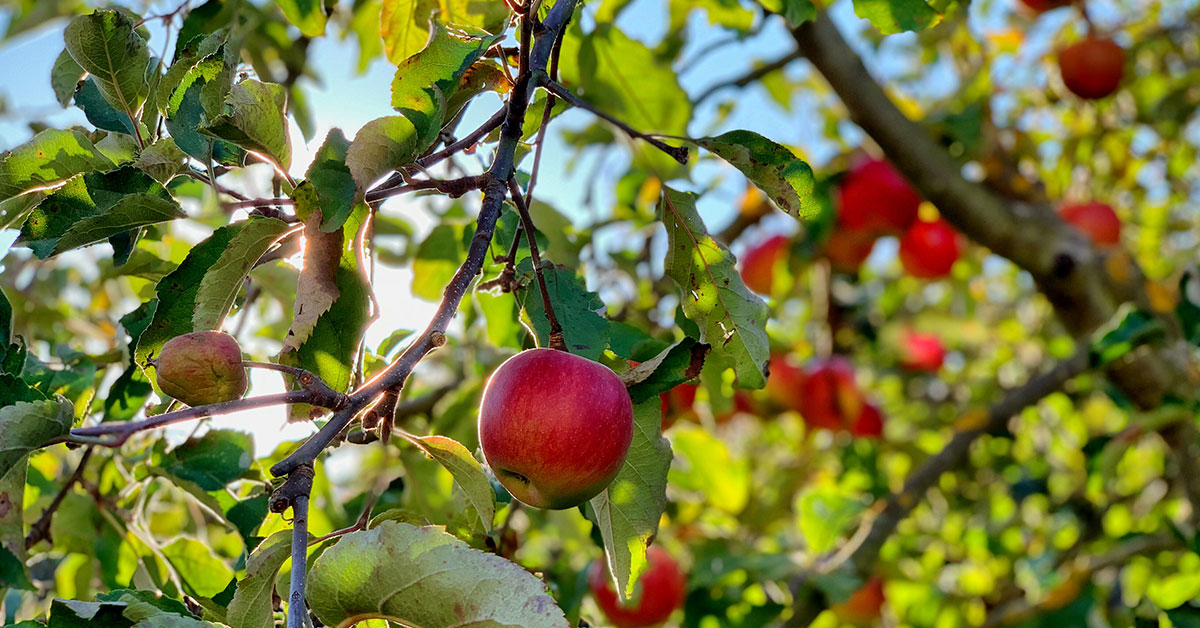
- Apple Trees: Although apples can be challenging to grow in New Mexico due to the state’s low humidity, certain varieties can still thrive. Look for apple tree cultivars that are disease-resistant and require fewer chilling hours, such as ‘Anna’ and ‘Golden Delicious.’ These varieties have proven successful in New Mexico’s high desert regions.
- Cherry Trees: Cherries can be grown successfully in New Mexico, particularly in the cooler northern parts of the state. Varieties like ‘Bing’ and ‘Stella’ are known for their sweet and flavorful fruits. It is important to note that cherries require a reliable water supply and protection from late spring frosts.
- Pear Trees: Pears can be grown in New Mexico, but it is crucial to select varieties that are well-suited to the region’s climate. Look for pear tree cultivars like ‘Bartlett’ and ‘Kieffer,’ which are known for their adaptability to hot and dry conditions. These varieties can produce excellent fruits with proper care and irrigation.
- Plum Trees: Plums are an excellent choice for New Mexico gardeners due to their ability to tolerate the state’s dry climate. Varieties such as ‘Santa Rosa’ and ‘Methley’ are known for their sweet and juicy fruits. Plum trees require well-drained soil and regular watering during the growing season.
Remember, successful fruit tree cultivation in New Mexico requires careful consideration of factors such as soil quality, water availability, and proper maintenance. By selecting the right varieties and providing adequate care, you can enjoy a bountiful harvest of delicious fruits from your own backyard orchard.
Avoid growing these fruit trees in New Mexico
When it comes to selecting fruit trees for your garden in New Mexico, it is important to consider the specific climate and growing conditions of the region. While there are several fruit trees that thrive in the arid climate of New Mexico, there are a few varieties that should be avoided due to their inability to withstand the unique challenges of the region.
Citrus trees, such as oranges, lemons, and grapefruits, are generally not recommended for cultivation in New Mexico. These trees require a more tropical or subtropical climate with mild winters, which is not typically found in the state. The cold temperatures and occasional frosts that occur in New Mexico can severely damage or even kill citrus trees, making them a risky choice for gardeners in the region.
Similarly, peach trees may struggle to thrive in New Mexico’s climate. While there are some cold-hardy peach varieties available, the state’s hot and dry summers can pose challenges for these trees. Peach trees require a certain amount of chilling hours during the winter to produce fruit, and New Mexico’s relatively mild winters may not provide sufficient chilling for optimal peach production.
Another fruit tree that may not be the best choice for New Mexico is the apple tree. While there are apple varieties that can tolerate the state’s climate, they often require specific care and maintenance to overcome the challenges posed by the region’s dry and arid conditions. Apple trees generally prefer more moderate temperatures and higher humidity levels, making them less suitable for the desert-like climate of New Mexico.
It is important to note that while these fruit trees may not be the most ideal choices for New Mexico, some gardeners may still attempt to grow them with the help of specialized care, microclimates, or protective measures. However, for most gardeners seeking reliable and successful fruit tree cultivation in New Mexico, it is advisable to focus on varieties that are better suited to the region’s unique climate and growing conditions.
Fruit tree growing tips for New Mexico
Growing fruit trees in New Mexico can be a rewarding experience, as the state’s climate and soil conditions are suitable for a variety of fruit tree species. Here are some tips and best practices to help you successfully grow the best fruit trees in New Mexico:
- Choose the right fruit tree species: Select fruit tree varieties that are well-suited to New Mexico’s climate and soil conditions. Some of the best fruit trees to grow in New Mexico include apple trees, peach trees, apricot trees, cherry trees, and pear trees. These trees are known to thrive in the state’s dry and arid climate.
- Consider chill hours: Pay attention to the chill hour requirements of the fruit tree varieties you choose. Chill hours refer to the number of hours a fruit tree needs to be exposed to temperatures below 45°F (7°C) during its dormant period. New Mexico experiences varying chill hour ranges across different regions, so select fruit tree varieties that match the chill hour requirements of your specific area.
- Optimize soil conditions: Ensure your soil is well-drained and has good fertility. New Mexico’s soil can be alkaline and lacking in organic matter, so consider amending it with compost or well-rotted manure to improve its structure and nutrient content. Conduct a soil test to determine its pH level and nutrient deficiencies, and make necessary adjustments accordingly.
- Provide adequate water: While New Mexico is known for its dry climate, fruit trees still require regular watering, especially during their establishment phase. Deep and infrequent watering is recommended to encourage deep root growth. Mulching around the base of the trees can help retain moisture and reduce weed competition.
- Protect from extreme temperatures: New Mexico experiences both hot summers and cold winters, so it’s important to protect your fruit trees from extreme temperatures. Consider planting your fruit trees in locations that provide some shade during the scorching summer months. During winter, protect young trees from frost by covering them with frost blankets or using tree wraps.
- Prune and train your trees: Regular pruning helps maintain the shape, size, and health of your fruit trees. Prune during the dormant season to remove dead, damaged, or diseased branches. Proper training and pruning techniques can also improve fruit production and make harvesting easier.
- Monitor pests and diseases: Keep an eye out for common pests and diseases that can affect fruit trees in New Mexico, such as aphids, codling moths, and fungal diseases like powdery mildew. Implement integrated pest management strategies, such as using organic insecticides or introducing beneficial insects, to control pests and diseases effectively.
- Fertilize appropriately: Fruit trees in New Mexico may require additional fertilization to ensure optimal growth and fruit production. Conduct a soil test to determine nutrient deficiencies and apply fertilizers accordingly. Organic fertilizers, such as compost or well-rotted manure, are generally recommended to improve soil fertility and provide a slow release of nutrients.
By following these tips and best practices, you can successfully grow the best fruit trees in New Mexico and enjoy a bountiful harvest of delicious fruits. Remember to consult with local nurseries or agricultural extension services for specific recommendations based on your region’s conditions.