
Welcome to our comprehensive guide on the best fruit trees to grow in Nebraska! As a state known for its diverse climate and fertile soil, Nebraska offers an ideal environment for cultivating a wide range of fruit trees. Whether you are an avid gardener or a beginner looking to add some delicious homegrown fruits to your backyard, this article will provide you with valuable insights and recommendations.
From hardy apple trees to juicy peach varieties, we will explore the top fruit trees that thrive in Nebraska’s unique conditions. So, let’s dive in and discover the perfect fruit trees to enhance your garden and delight your taste buds!
The best fruit trees to grow in Nebraska
The climate and soil conditions in Nebraska provide an excellent opportunity for growing a variety of fruit trees. When selecting the **best fruit trees to grow in Nebraska**, it is important to consider their adaptability to the region’s cold winters, hot summers, and occasional droughts. Here are some top choices that thrive in Nebraska’s climate:
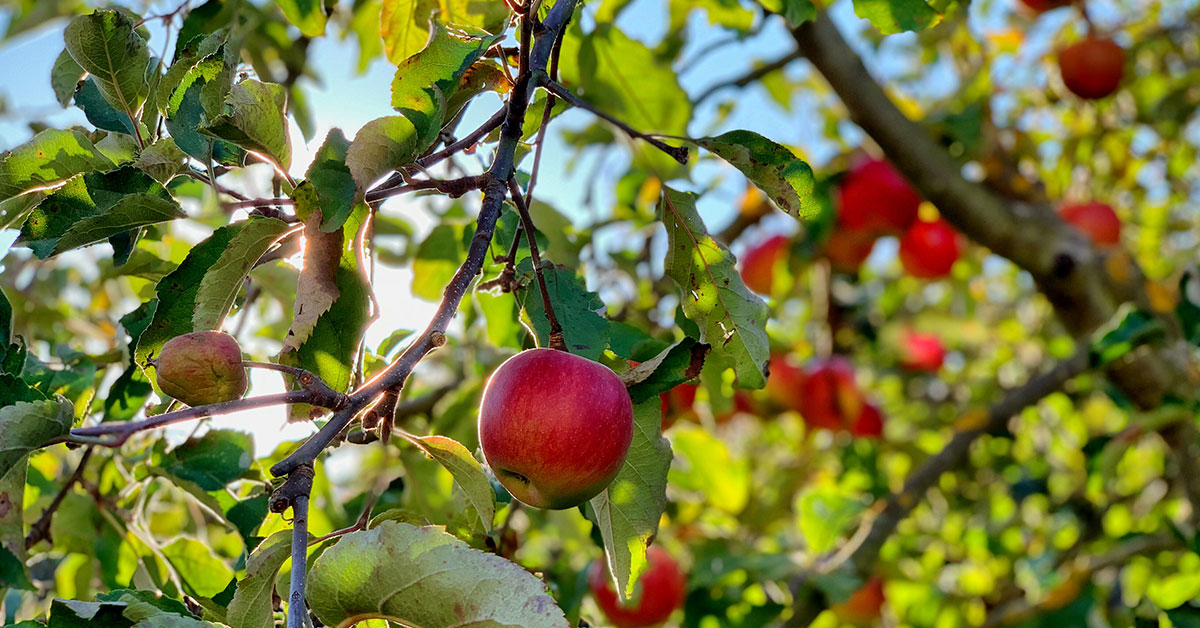
- Apple Trees: Apples are a popular choice for Nebraska gardens due to their versatility and adaptability. Varieties such as Honeycrisp, Gala, and Jonathan are known to perform well in the state. Ensure you choose disease-resistant cultivars to combat common apple tree diseases like apple scab and cedar apple rust.
- Cherry Trees: Both sweet and sour cherry trees can be successfully grown in Nebraska. The Montmorency cherry, a sour variety, is particularly well-suited for the state’s climate. Cherries require well-drained soil and benefit from protection against late spring frosts.
- Peach Trees: Although peaches can be challenging to grow in Nebraska due to late spring frosts, there are several cold-hardy varieties available that can withstand the state’s weather conditions. Look for cultivars like Reliance, Contender, and Redhaven, which are known for their ability to produce delicious fruits even in colder climates.
- Plum Trees: Plums are an excellent choice for Nebraska gardens, as they are hardy and can tolerate a wide range of soil conditions. Varieties like Stanley, Santa Rosa, and Toka are well-suited for the state’s climate. Plum trees are generally self-pollinating, but planting multiple varieties can enhance fruit production.
- Pear Trees: Pears can thrive in Nebraska’s climate, but it is important to select varieties that are resistant to fire blight, a common disease affecting pear trees. Hardy varieties like Bartlett, Moonglow, and Harrow Sweet are recommended for their ability to withstand Nebraska’s weather conditions.
- Apricot Trees: Apricots can be grown successfully in Nebraska, especially in the southern parts of the state where the climate is slightly milder. Varieties like Moorpark, Goldcot, and Sungold are known for their cold hardiness and ability to produce flavorful fruits.
Remember, proper care and maintenance are crucial for the success of fruit trees in Nebraska. Providing adequate water, regular pruning, and protecting against pests and diseases will help ensure a bountiful harvest of delicious fruits from your **best fruit trees to grow in Nebraska**.
Avoid growing these fruit trees in Nebraska
When it comes to growing fruit trees in Nebraska, it is important to choose varieties that are well-suited to the region’s climate and growing conditions. While there are several fruit trees that thrive in Nebraska, there are also some varieties that should be avoided due to their inability to withstand the state’s harsh winters or adapt to its specific soil and moisture conditions.
Citrus trees, such as oranges, lemons, and grapefruits, should generally be avoided in Nebraska. These trees are not cold-hardy and require a consistently warm climate to thrive. Nebraska’s cold winters and fluctuating temperatures make it challenging for citrus trees to survive and produce fruit.
Olive trees are another variety that should be avoided in Nebraska. These trees prefer a Mediterranean climate and do not tolerate the cold temperatures and heavy snowfall that Nebraska experiences during the winter months.
Avocado trees are also not recommended for Nebraska. These trees are native to tropical and subtropical regions and require a warm and frost-free environment to grow successfully. Nebraska’s cold winters and short growing season make it difficult for avocado trees to survive and produce fruit.
Lastly, banana trees should be avoided in Nebraska. These trees are extremely sensitive to cold temperatures and require a consistently warm and humid climate to thrive. Nebraska’s climate is simply too cold and dry for banana trees to survive and produce fruit.
To ensure successful fruit tree cultivation in Nebraska, it is best to focus on varieties that are well-adapted to the region’s climate and growing conditions.
Fruit tree growing tips for Nebraska
Growing fruit trees in Nebraska can be a rewarding experience, as the state’s climate and soil conditions are suitable for a variety of fruit tree species. Here are some tips and best practices to help you successfully cultivate the best fruit trees in Nebraska:
- Choose the right fruit tree species: When selecting fruit trees for your Nebraska garden, consider varieties that are well-adapted to the region’s climate and soil conditions. Some of the best fruit trees to grow in Nebraska include apple trees, cherry trees, peach trees, pear trees, and plum trees. Research and choose cultivars that are known to thrive in the state’s specific hardiness zones.
- Consider disease resistance: Nebraska’s humid summers can create favorable conditions for various fruit tree diseases. To minimize the risk of disease, select fruit tree varieties that are resistant to common diseases prevalent in the region. Disease-resistant cultivars can help reduce the need for chemical interventions and ensure healthier trees.
- Plant at the right time: Timing is crucial when planting fruit trees in Nebraska. It is generally recommended to plant bare-root fruit trees in early spring, as soon as the soil is workable and before the trees start to bud. This allows the trees to establish their root systems before the heat of summer. Container-grown trees can be planted throughout the growing season, but it’s still best to avoid planting during the hottest months.
- Provide proper soil preparation: Prior to planting, ensure the soil is well-draining and rich in organic matter. Conduct a soil test to determine its pH level and nutrient content. Most fruit trees prefer slightly acidic to neutral soil (pH 6.0-7.0). If necessary, amend the soil with organic matter, such as compost or well-rotted manure, to improve its fertility and structure.
- Adequate sunlight and spacing: Fruit trees thrive in full sun, so choose a planting location that receives at least 6-8 hours of direct sunlight per day. Proper spacing between trees is crucial to allow for good air circulation and sunlight penetration. Follow the recommended spacing guidelines for the specific fruit tree species you are growing to avoid overcrowding and promote healthy growth.
- Regular watering and mulching: Newly planted fruit trees require regular watering to establish their root systems. Provide deep, thorough waterings once or twice a week during dry periods. Apply a layer of organic mulch around the base of the tree to conserve moisture, suppress weeds, and regulate soil temperature. However, avoid piling mulch against the trunk, as it can lead to rot and pest issues.
- Pruning and training: Pruning fruit trees is essential for maintaining their shape, promoting airflow, and improving fruit production. Prune during the dormant season to remove dead, damaged, or crossing branches. Proper training, such as espalier or trellising, can also help manage tree size and maximize fruit production in limited spaces.
- Fertilization and pest control: Fruit trees benefit from regular fertilization to ensure healthy growth and abundant fruiting. Conduct a soil test to determine any nutrient deficiencies and apply appropriate fertilizers accordingly. Additionally, monitor your trees regularly for signs of pests or diseases. Integrated Pest Management (IPM) practices, including cultural controls and selective pesticide use, can help manage common pests while minimizing environmental impact.
By following these tips and best practices, you can successfully grow the best fruit trees in Nebraska and enjoy a bountiful harvest for years to come. Remember to stay informed about specific care requirements for the fruit tree varieties you choose, as each species may have unique needs.