
Welcome to our comprehensive guide on the best fruit trees to grow in Montana! If you’re a gardening enthusiast in the Treasure State, you may be wondering which fruit trees will thrive in Montana’s unique climate and growing conditions.
With its cold winters, short growing season, and occasional late spring frosts, selecting the right fruit trees is crucial for a successful harvest. Fortunately, there are several fruit tree varieties that are well-suited to Montana’s climate and can provide you with a bountiful harvest of delicious fruits.
In this article, we will explore some of the best fruit trees to grow in Montana, taking into consideration their hardiness, adaptability, and ability to withstand the challenges of this beautiful but challenging region. Whether you’re a seasoned gardener or a beginner, this guide will help you choose the perfect fruit trees to grow in your Montana garden.
The best fruit trees to grow in Montana
Best Fruit Trees to Grow in Montana Montana’s unique climate and growing conditions present both challenges and opportunities for fruit tree cultivation. However, with careful selection, there are several fruit trees that thrive in this region and offer abundant harvests. Here are some best fruit trees to grow in Montana:
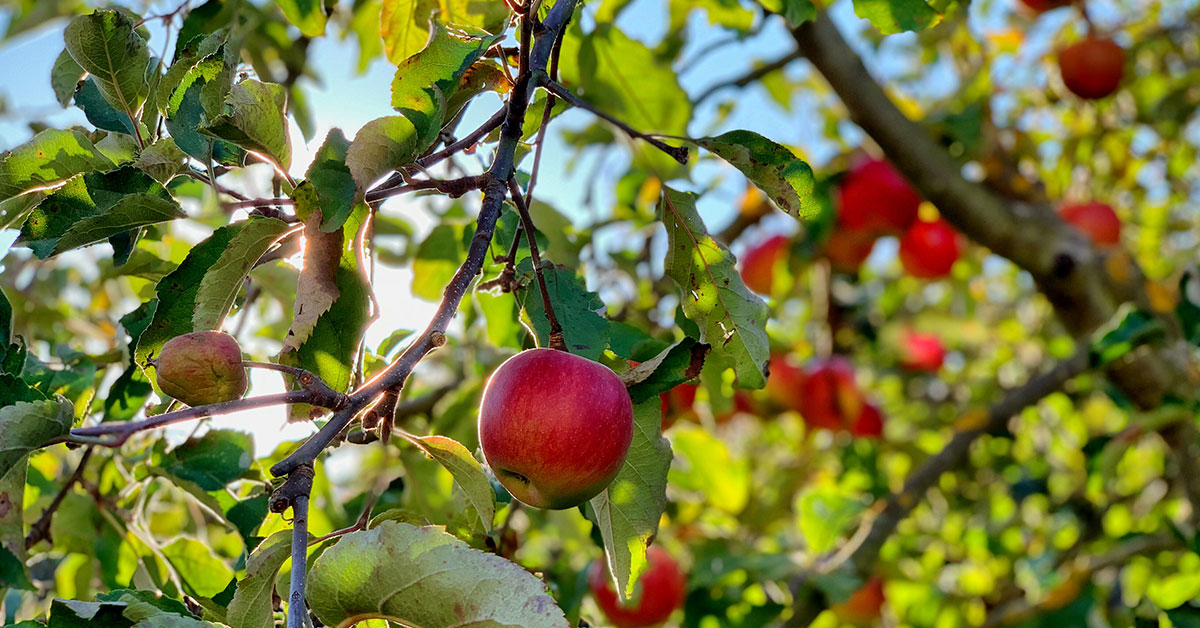
- Apple Trees: Apples are a popular choice for Montana gardeners due to their adaptability and cold hardiness. Varieties such as Haralson, Honeycrisp, and Wealthy are known to perform well in the state. Ensure you select disease-resistant cultivars suited for your specific region within Montana.
- Cherry Trees: Cherries are another excellent option for Montana’s fruit tree enthusiasts. Tart cherries, such as Montmorency, are particularly well-suited to the state’s cooler climate. These trees are known for their beautiful blossoms in spring and delicious fruit in summer.
- Plum Trees: Plums are hardy fruit trees that can withstand Montana’s cold winters. European plum varieties like Stanley and Italian prune are popular choices, as they produce abundant crops of sweet and juicy fruits. Japanese plum varieties, such as Santa Rosa and Methley, are also suitable for certain regions within the state.
- Pear Trees: Pears can be successfully grown in Montana, especially in areas with slightly milder winters. Hardy varieties like Ure, Luscious, and Harrow Delight are known to thrive in the state. Ensure you choose self-pollinating or compatible pollinator varieties for optimal fruit set.
- Apricot Trees: While apricots can be more challenging to grow in Montana due to late spring frosts, some varieties have proven successful. Hardy cultivars like Moorpark and Sungold are known to withstand colder temperatures and produce flavorful fruits.
- Peach Trees: Peaches can be a bit more challenging to grow in Montana due to their sensitivity to late spring frosts. However, some cold-hardy varieties like Reliance and Contender have been developed specifically for regions with shorter growing seasons. Consider planting them in protected areas or against south-facing walls to maximize heat absorption.
When selecting fruit trees for your Montana garden, it’s crucial to consider factors such as cold hardiness, disease resistance, and pollination requirements. Additionally, proper site selection, soil preparation, and regular maintenance are essential for the long-term success of your fruit trees. Consulting with local nurseries or agricultural extension services can provide valuable guidance specific to your region within Montana. With the right choices and care, you can enjoy a bountiful harvest of fresh, homegrown fruits from your own best fruit trees to grow in Montana.
Avoid growing these fruit trees in Montana
When it comes to growing fruit trees in Montana, it is important to choose varieties that are well-suited to the region’s unique climate and growing conditions. While there are several fruit trees that thrive in Montana, there are also some varieties that should be avoided due to their inability to withstand the harsh winters or adapt to the shorter growing season. Here are a few fruit trees that should be avoided in Montana:
- Citrus Trees: Citrus trees, such as oranges, lemons, and grapefruits, are not suitable for Montana’s climate. These trees require warm temperatures year-round and cannot tolerate the cold winters experienced in the state.
- Avocado Trees: Avocado trees are highly sensitive to cold temperatures and are not frost-tolerant. Montana’s chilly winters and short growing season make it challenging for avocado trees to survive and produce fruit.
- Mango Trees: Similar to citrus and avocado trees, mango trees are tropical plants that require a warm and humid climate to thrive. Montana’s cold winters and limited heat during the summer months make it unsuitable for mango tree cultivation.
- Banana Trees: Banana trees are another tropical fruit tree that cannot withstand Montana’s cold winters. These trees require a long growing season with consistently warm temperatures, which is not achievable in the state.
- Pineapple Trees: Pineapple trees are not suitable for Montana’s climate as they require a tropical environment with high humidity and warm temperatures year-round. Montana’s cold winters and short growing season make it impossible for pineapple trees to survive and produce fruit.
By avoiding these fruit trees that are ill-suited to Montana’s climate, gardeners can focus on selecting the best fruit trees to grow in Montana that are more resilient and capable of thriving in the state’s unique conditions.
Fruit tree growing tips for Montana
Growing fruit trees in Montana can be a rewarding experience, but it’s important to choose the right varieties that are well-suited to the region’s climate and growing conditions. Here are some tips and best practices for successfully growing fruit trees in Montana:
- Choose cold-hardy varieties: Montana’s harsh winters require fruit trees that can withstand freezing temperatures. The best fruit trees to grow in Montana are those that are cold-hardy, such as apple, cherry, pear, plum, and apricot trees. Look for varieties that are specifically bred for northern climates or have a low chill hour requirement.
- Consider disease resistance: Montana’s humid summers can be conducive to various fruit tree diseases. To minimize the risk, select disease-resistant varieties that are known to thrive in the region. For example, some apple varieties like Liberty, Haralson, and Honeycrisp have good resistance to common diseases like apple scab and fire blight.
- Plant in the right location: Fruit trees require full sun exposure to thrive and produce abundant fruit. Choose a location in your garden that receives at least 6-8 hours of direct sunlight per day. Additionally, ensure the soil is well-draining and rich in organic matter. Avoid planting in low-lying areas that may collect cold air and frost.
- Provide proper care and maintenance: Regular care and maintenance are essential for the health and productivity of fruit trees. Water your trees deeply and regularly, especially during dry periods. Mulch around the base of the tree to retain moisture and suppress weed growth. Prune your fruit trees during the dormant season to promote airflow, remove dead or diseased branches, and shape the tree for optimal growth.
- Protect against late spring frosts: Montana’s unpredictable weather can sometimes bring late spring frosts, which can damage blossoms and reduce fruit production. Consider using protective measures like frost blankets or installing wind machines to circulate warmer air and prevent frost damage. Planting fruit trees in locations that are less prone to frost pockets can also help mitigate the risk.
- Consider pollination requirements: Some fruit tree varieties require cross-pollination to produce fruit. Ensure you have compatible varieties planted nearby to facilitate pollination. Alternatively, you can also consider planting self-pollinating varieties that do not require cross-pollination.
- Be patient and persistent: Growing fruit trees takes time and patience. It may take a few years for your trees to become established and start producing a significant harvest. Be persistent in providing proper care, and you will be rewarded with delicious homegrown fruit.
By following these tips and best practices, you can increase your chances of successfully growing the best fruit trees in Montana and enjoy a bountiful harvest for years to come.