
Welcome to our comprehensive guide on the best fruit trees to grow in Massachusetts! Whether you are an avid gardener or a beginner looking to add some fruitful beauty to your backyard, this article will provide you with valuable insights and recommendations. Massachusetts, with its diverse climate and fertile soil, offers an ideal environment for growing a wide variety of fruit trees.
From the classic apple trees to the lesser-known but equally delicious peach and cherry trees, we will explore the top choices that thrive in the Bay State. So, grab your gardening gloves and get ready to discover the best fruit trees that will bring joy and abundance to your Massachusetts garden.
The best fruit trees to grow in Massachusetts
The climate and growing conditions in Massachusetts make it suitable for growing a variety of fruit trees. However, certain fruit trees thrive particularly well in this region. If you are considering growing fruit trees in Massachusetts, here are some of the best fruit trees to grow:
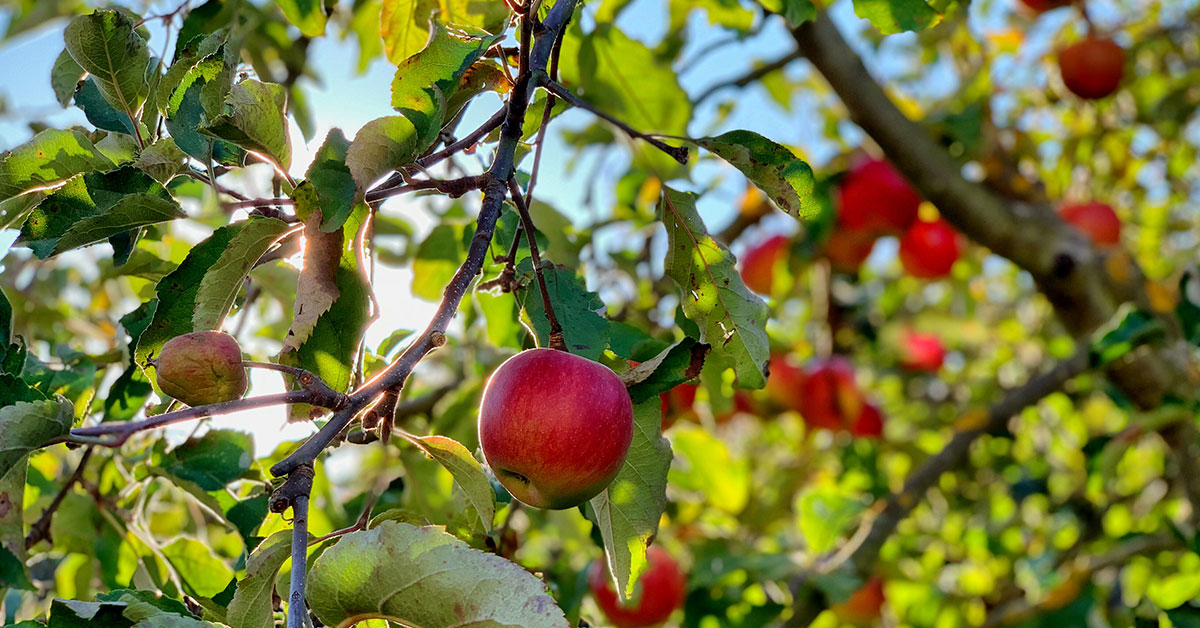
Apple Trees: Apples are a classic choice for Massachusetts gardens. With numerous varieties to choose from, you can find apple trees that are well-suited to the local climate. Some popular apple varieties for Massachusetts include Honeycrisp, McIntosh, Cortland, and Liberty. These trees require full sun and well-drained soil to produce abundant and flavorful fruits.
Pear Trees: Pears are another excellent choice for Massachusetts gardeners. Varieties such as Bartlett, Anjou, and Bosc are known to do well in this region. Pear trees require similar growing conditions as apple trees, including full sun and well-drained soil. They can be a bit more tolerant of cold temperatures, making them a reliable choice for Massachusetts gardens.
Peach Trees: While peaches may require a bit more care and attention, they can still be successfully grown in Massachusetts. Choose varieties that are known for their cold hardiness, such as Reliance, Redhaven, and Contender. Peach trees need a sunny location with well-drained soil and benefit from regular pruning and thinning to ensure healthy fruit production.
Cherry Trees: Cherries can be a delightful addition to your Massachusetts garden. Sour cherries, such as Montmorency, are particularly well-suited to this region. They are more cold-hardy than sweet cherries and can tolerate the occasional harsh winter. Cherry trees prefer full sun and well-drained soil, and they may require protection from birds as the fruits ripen.
Plum Trees: Plums are another fruit tree option for Massachusetts gardeners. European plum varieties, such as Stanley and Italian Prune, are known to thrive in this region. Plum trees require full sun and well-drained soil, and they benefit from regular pruning to maintain their shape and promote fruiting.
When selecting fruit trees for your Massachusetts garden, it is essential to consider the specific microclimate of your location, as well as factors like soil quality and available space. Additionally, it is always a good idea to consult with local nurseries or gardening experts to ensure you choose the best fruit trees for your specific needs and conditions.
Avoid growing these fruit trees in Massachusetts
When it comes to growing fruit trees in Massachusetts, there are certain varieties that may not thrive in the region’s climate and conditions. It is important to be aware of these trees to avoid disappointment and ensure successful fruit production. Here are a few fruit trees that should be avoided in Massachusetts:
- Citrus Trees: Citrus trees, such as oranges, lemons, and grapefruits, are not suitable for outdoor cultivation in Massachusetts. These trees require a warm and tropical climate, which is not typically found in the state. While it is possible to grow citrus trees indoors or in greenhouses, it requires careful temperature and humidity control.
- Avocado Trees: Avocado trees are also not recommended for Massachusetts due to their sensitivity to cold temperatures. These trees thrive in warm climates and cannot tolerate frost or freezing conditions. Growing avocados outdoors in Massachusetts would be extremely challenging and unlikely to yield satisfactory results.
- Mango Trees: Similar to citrus and avocado trees, mango trees require a warm and tropical climate to flourish. The cold winters and shorter growing season in Massachusetts make it unsuitable for growing mango trees outdoors. Attempting to cultivate mango trees in this region would likely result in stunted growth and minimal fruit production.
- Banana Trees: Banana trees are another fruit tree variety that should be avoided in Massachusetts. These trees require a consistently warm climate, with temperatures above 50°F (10°C) year-round. The cold winters and limited growing season in Massachusetts make it nearly impossible to successfully grow banana trees outdoors.
By avoiding these fruit tree varieties, gardeners in Massachusetts can focus on selecting the best fruit trees to grow in the region. This ensures a higher chance of success and a bountiful harvest of delicious fruits.
Fruit tree growing tips for Massachusetts
Growing fruit trees in Massachusetts can be a rewarding experience, as the state’s climate and soil conditions are suitable for a variety of fruit tree species. Here are some tips and best practices to help you successfully grow the best fruit trees in Massachusetts:
- Choose the right fruit tree species: Massachusetts has a diverse climate, ranging from coastal areas to inland regions. It is important to select fruit tree species that are well-suited to your specific location. Some of the best fruit trees to grow in Massachusetts include apple trees, cherry trees, peach trees, pear trees, and plum trees. These species are hardy and can tolerate the state’s cold winters and moderate summers.
- Consider disease resistance: When selecting fruit tree varieties, it is advisable to choose disease-resistant cultivars. Massachusetts is prone to certain fruit tree diseases, such as apple scab and fire blight. Disease-resistant varieties are less likely to be affected by these common ailments, reducing the need for chemical treatments and increasing the chances of a successful harvest.
- Plant in the right location: Fruit trees require a sunny location with well-drained soil. Ensure that your chosen planting site receives at least six hours of direct sunlight daily. Avoid low-lying areas that may collect excess water, as this can lead to root rot. Additionally, consider the tree’s mature size and provide enough space for it to grow without being crowded by other plants or structures.
- Prepare the soil: Before planting your fruit tree, prepare the soil by removing any weeds or grass and incorporating organic matter, such as compost or well-rotted manure. This will improve soil fertility and drainage, creating a favorable environment for the tree’s roots.
- Prune regularly: Pruning is essential for maintaining the health and productivity of fruit trees. Prune during the dormant season (late winter or early spring) to remove dead, damaged, or crossing branches. This helps improve air circulation and sunlight penetration, reducing the risk of disease and promoting fruit production.
- Provide adequate water: Fruit trees require regular watering, especially during dry periods. Deep watering once or twice a week is generally sufficient, ensuring that the soil is moist but not waterlogged. Mulching around the base of the tree can help retain soil moisture and suppress weed growth.
- Fertilize appropriately: Fruit trees benefit from regular fertilization to support healthy growth and fruit production. Apply a balanced fertilizer in early spring and again in late spring or early summer. Follow the manufacturer’s instructions for application rates, as excessive fertilization can lead to excessive vegetative growth at the expense of fruit production.
- Protect against pests: Massachusetts is home to various fruit tree pests, including apple maggots, plum curculios, and codling moths. Monitor your trees regularly for signs of pest infestation and take appropriate action, such as using organic insecticides or employing integrated pest management techniques.
By following these tips and best practices, you can successfully grow the best fruit trees in Massachusetts and enjoy a bountiful harvest of delicious homegrown fruits. Remember to consult local gardening resources or seek advice from experienced gardeners for specific recommendations based on your location within the state.