
Welcome to our comprehensive guide on the best fruit trees to grow in Maine! If you’re a gardening enthusiast in the great state of Maine, you may be wondering which fruit trees are best suited to the unique climate and growing conditions of this region. Maine’s cool summers and cold winters require fruit trees that are hardy, resilient, and capable of thriving in a shorter growing season.
In this article, we will explore a variety of fruit trees that are well-suited to Maine’s climate, providing you with delicious fruits and a bountiful harvest. Whether you’re a seasoned gardener or just starting out, we’ve got you covered with our top recommendations for the best fruit trees to grow in Maine.
The best fruit trees to grow in Maine
Best Fruit Trees to Grow in Maine Maine’s climate presents unique challenges for fruit tree cultivation, but with careful selection, it is possible to grow a variety of delicious fruits.
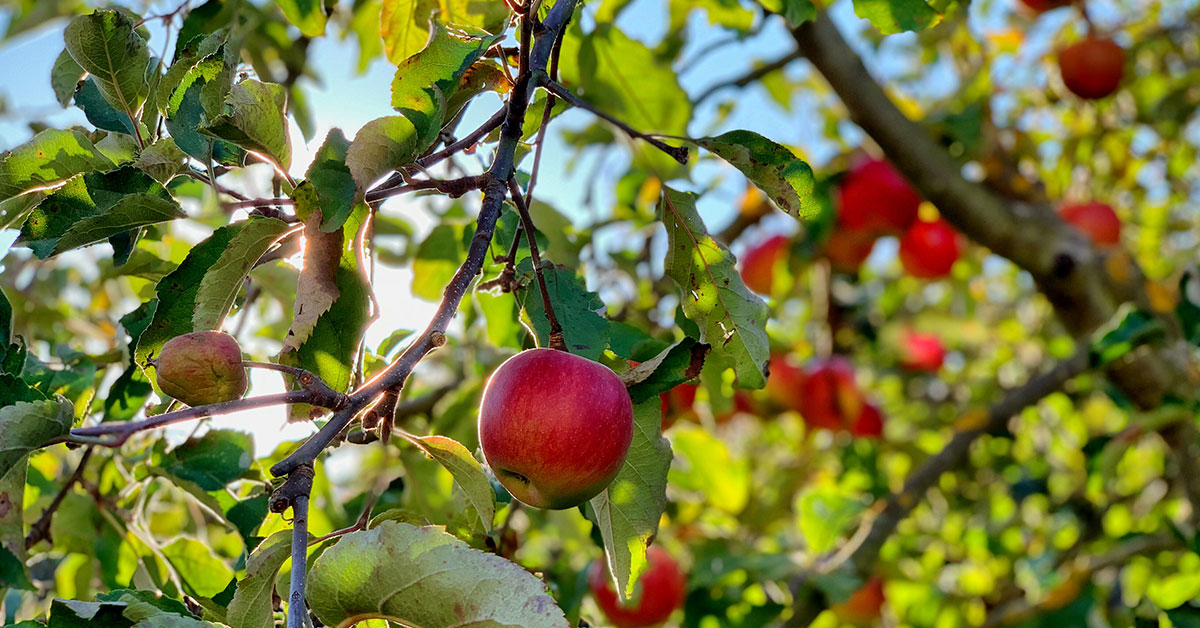
Apple trees are undoubtedly the most suitable and popular fruit trees for Maine’s climate. With their ability to withstand cold temperatures and adapt to various soil types, apple trees thrive in the state’s diverse growing conditions.
Pear trees are another excellent choice for Maine gardeners. They are hardy and can tolerate colder temperatures, making them well-suited for the state’s climate. Pears require well-drained soil and benefit from regular pruning to maintain their shape and encourage fruit production.
For those seeking a unique addition to their fruit tree collection, cherry trees can be successfully grown in Maine. Tart cherries, such as the Montmorency variety, are particularly well-suited to the state’s climate. These trees require full sun exposure and well-drained soil to thrive.
If you have a sheltered spot in your garden or a microclimate that offers some protection from harsh winters, consider planting peach trees. While peaches are more challenging to grow in Maine due to their sensitivity to cold temperatures, some varieties, like the Reliance or Contender, have been bred to withstand colder climates. It is important to provide proper winter protection, such as wrapping the trunk and covering the tree during extreme cold spells.
For those looking for a smaller fruit tree option, plum trees can be a great choice. Certain plum varieties, such as the Stanley or Methley, are well-adapted to Maine’s climate. Plum trees require well-drained soil and benefit from regular pruning to maintain their shape and encourage fruit production.
Lastly, if you have limited space or prefer container gardening, dwarf or semi-dwarf fruit trees are excellent options. These smaller versions of fruit trees, such as dwarf apple or pear trees, can be grown in pots or small gardens, allowing you to enjoy fresh fruit even in limited spaces.
When selecting fruit trees for your Maine garden, it is crucial to choose varieties that are specifically bred or known to be cold-hardy and disease-resistant. Consult with local nurseries or agricultural extension services to ensure you select the best fruit trees suited to your specific location within Maine. With proper care and attention, you can enjoy a bountiful harvest of fresh, homegrown fruits from your own backyard.
Avoid growing these fruit trees in Maine
When it comes to growing fruit trees in Maine, it is important to choose varieties that are well-suited to the region’s climate and growing conditions. While there are several fruit trees that thrive in Maine, there are also some varieties that should be avoided due to their inability to withstand the state’s harsh winters or other environmental factors.
Citrus trees, such as oranges, lemons, and grapefruits, should generally be avoided in Maine. These trees are highly sensitive to cold temperatures and require a warm and tropical climate to flourish. Maine’s long, cold winters and short growing season make it challenging for citrus trees to survive and produce fruit.
Similarly, avocado trees are not recommended for Maine gardens. Avocado trees are native to warm regions and require a frost-free environment to thrive. Maine’s cold temperatures and frosty winters make it difficult for avocado trees to survive, let alone bear fruit.
Banana trees are another fruit tree variety that should be avoided in Maine. These tropical trees require a consistently warm climate and cannot tolerate freezing temperatures. Maine’s climate is simply too cold for banana trees to survive outdoors, making them unsuitable for cultivation in the state.
Lastly, mango trees should also be avoided in Maine. Mango trees are native to tropical regions and require warm temperatures and a long growing season to produce fruit. Maine’s cool climate and short summers make it challenging for mango trees to thrive and bear fruit.
While these fruit trees may not be suitable for Maine’s climate, there are plenty of other options that can thrive and produce delicious fruits. It is always best to choose fruit tree varieties that are well-adapted to the local climate to ensure successful growth and bountiful harvests.
Fruit tree growing tips for Maine
When it comes to growing fruit trees in Maine, it is important to choose the right varieties that are well-suited to the region’s climate and growing conditions. Here are some tips and best practices to help you successfully grow fruit trees in Maine:
- Select the Best Fruit Trees: The best fruit trees to grow in Maine are those that are cold-hardy and can withstand the region’s harsh winters. Some popular choices include apple trees (such as Honeycrisp, McIntosh, and Cortland), pear trees (such as Bartlett and Bosc), and cherry trees (such as Montmorency and North Star). These varieties have proven to thrive in Maine’s climate.
- Consider Pollination: Many fruit trees require cross-pollination to produce fruit. When selecting fruit tree varieties, make sure to choose ones that are compatible for pollination. For example, apple trees need a different variety of apple tree nearby for effective cross-pollination. Be sure to check the pollination requirements of the specific fruit tree varieties you choose.
- Planting Location: Choose a planting location that receives full sun for at least six to eight hours a day. Fruit trees need ample sunlight to produce healthy and abundant fruit. Additionally, select a site with well-draining soil to prevent waterlogging, as excessive moisture can lead to root rot.
- Soil Preparation: Before planting your fruit trees, prepare the soil by removing any weeds, rocks, or debris. Amend the soil with organic matter, such as compost or well-rotted manure, to improve its fertility and drainage. Conduct a soil test to determine the pH level and adjust it if necessary, as most fruit trees prefer slightly acidic soil with a pH range of 6.0 to 6.5.
- Planting and Spacing: Dig a hole that is wide and deep enough to accommodate the tree’s root system. Place the tree in the hole, ensuring that the bud union (the swollen area where the tree was grafted onto the rootstock) is above the soil line. Backfill the hole with soil, gently firming it around the roots. Space your fruit trees according to the specific variety’s recommended spacing requirements to allow for proper growth and airflow.
- Watering and Mulching: Proper watering is crucial during the establishment period of fruit trees. Water deeply and regularly, especially during dry spells, to keep the soil consistently moist but not waterlogged. Apply a layer of organic mulch around the base of the tree to conserve moisture, suppress weeds, and regulate soil temperature.
- Pruning and Training: Prune your fruit trees annually during their dormant period (late winter or early spring) to remove dead, damaged, or diseased branches. Pruning helps maintain the tree’s shape, improves airflow, and promotes fruit production. Additionally, consider training your fruit trees to a specific form, such as an open center or central leader, to maximize sunlight exposure and facilitate easy harvesting.
- Pest and Disease Management: Monitor your fruit trees regularly for signs of pests or diseases. Common pests in Maine include apple maggots, codling moths, and plum curculios. Implement preventive measures like applying horticultural oils or insecticidal soaps, using pheromone traps, and practicing good sanitation to minimize pest infestations. For disease management, ensure proper air circulation, avoid overhead watering, and consider using organic fungicides if necessary.
By following these tips and best practices, you can successfully grow the best fruit trees in Maine and enjoy a bountiful harvest of delicious, homegrown fruits.